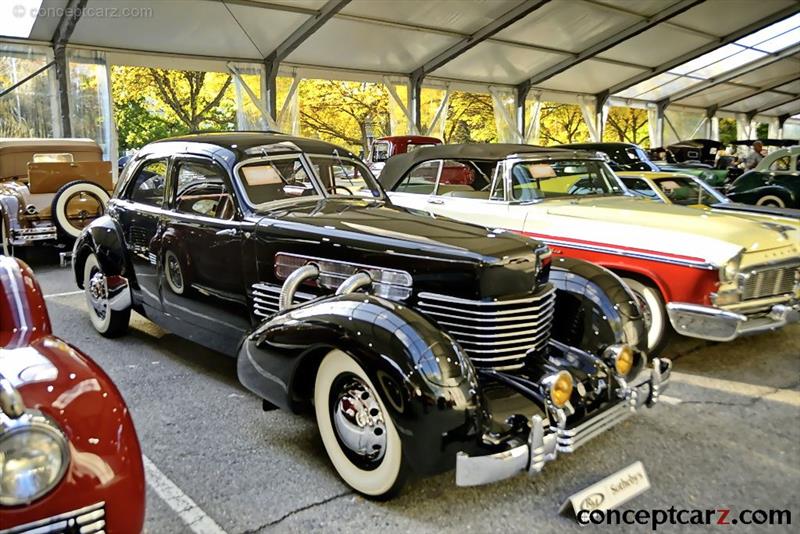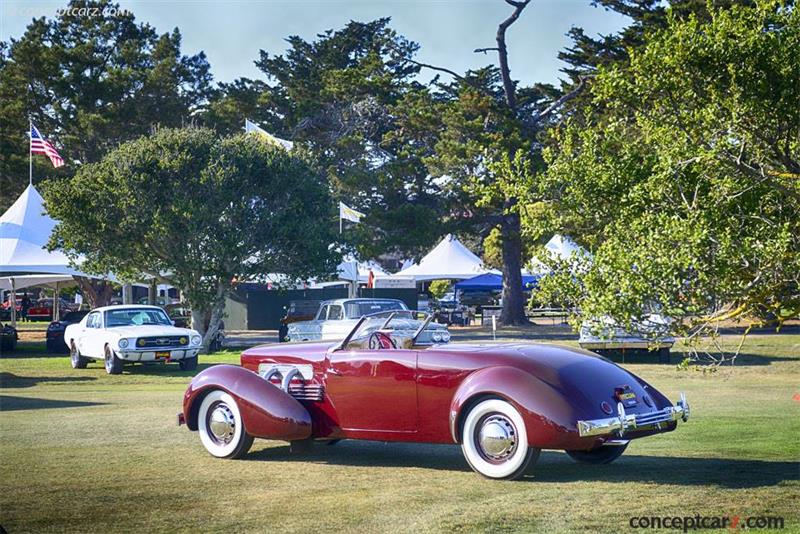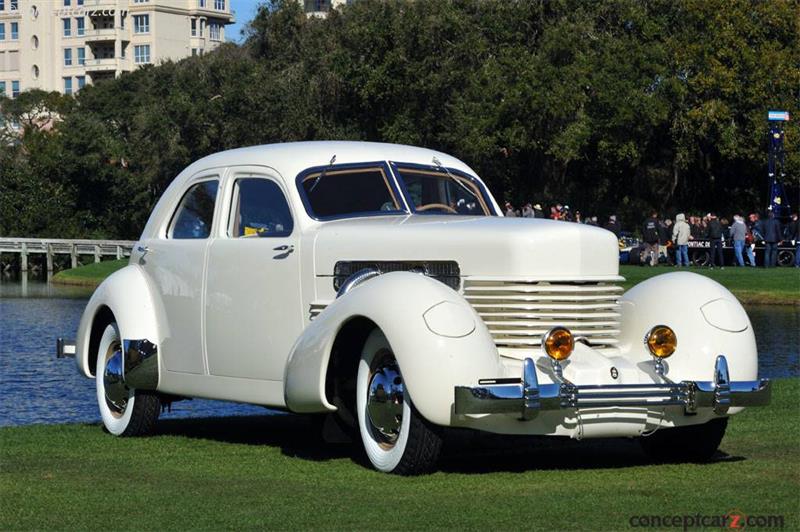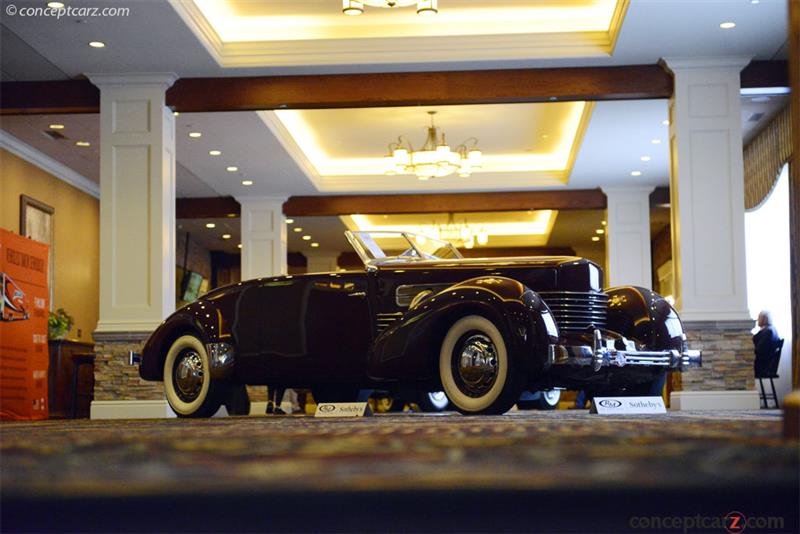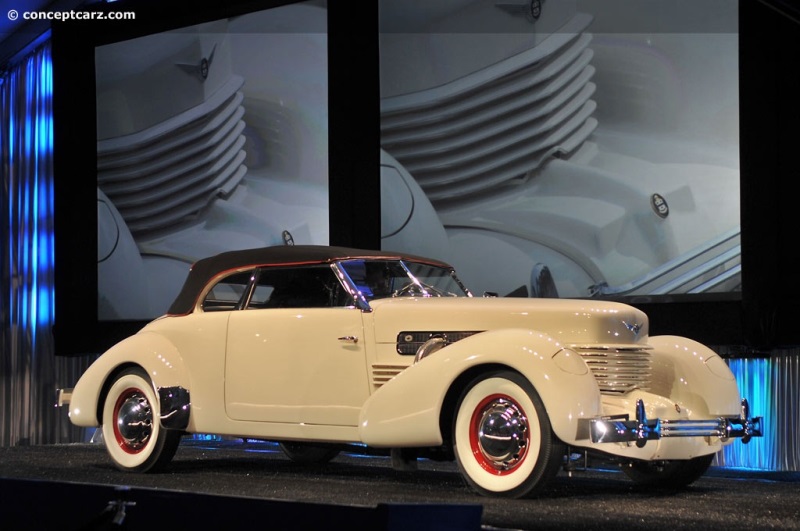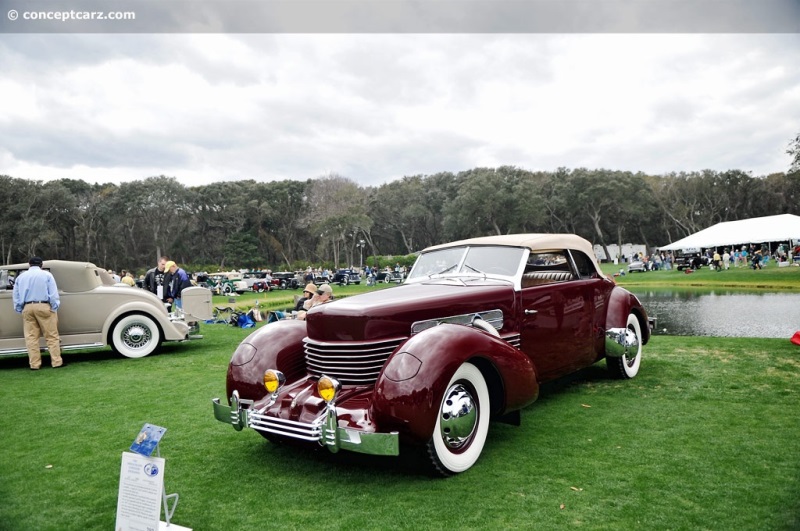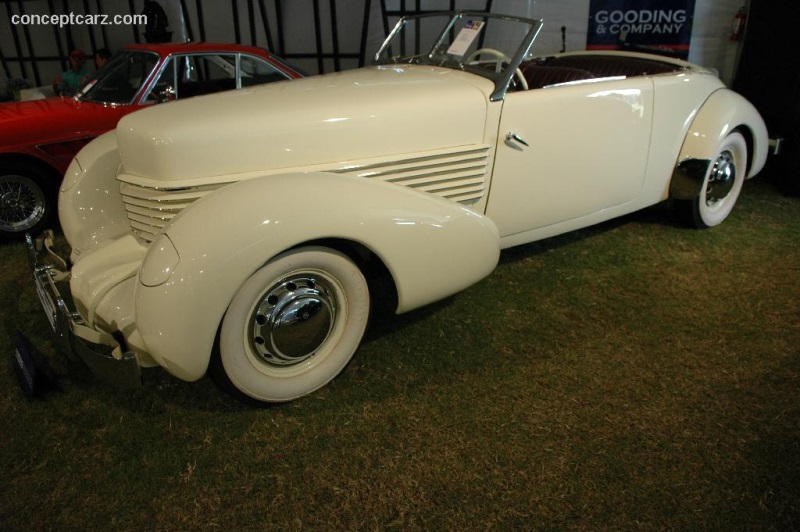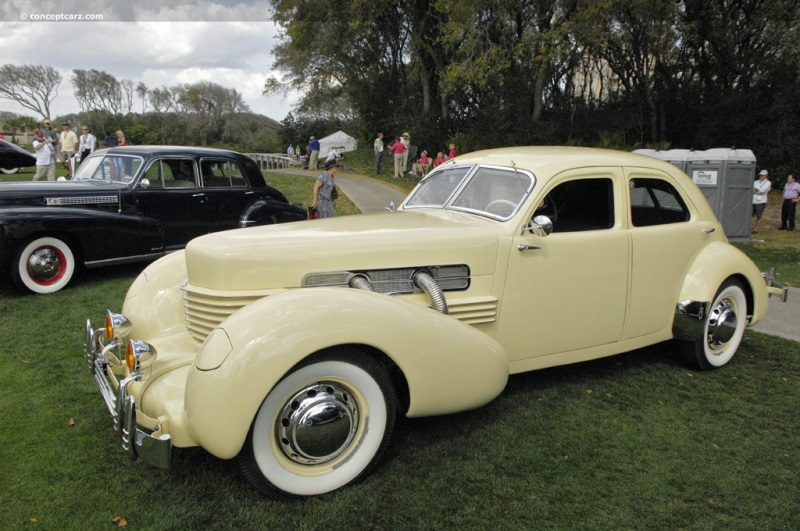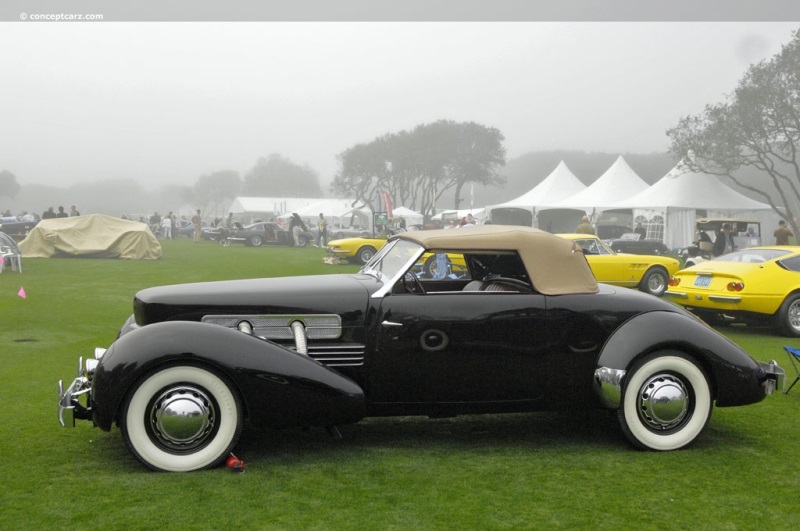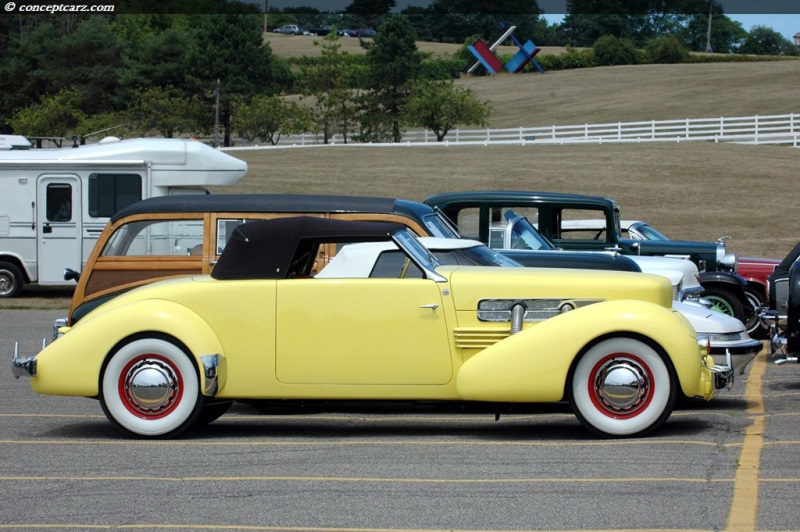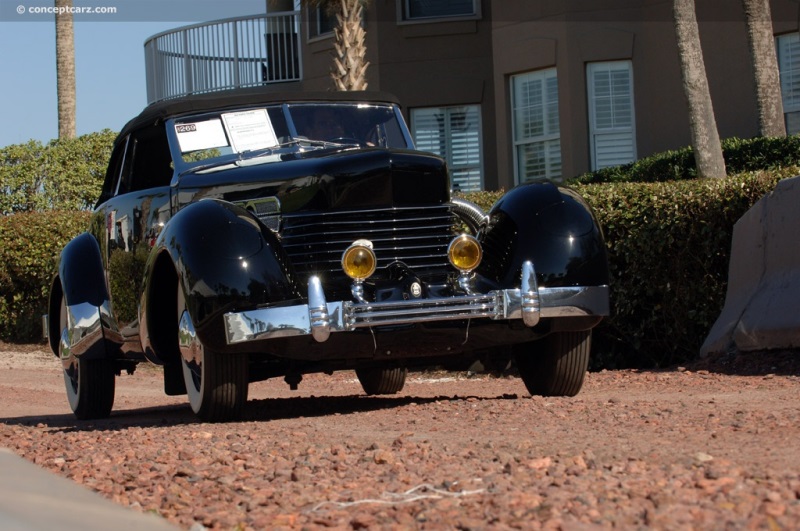

Image credit: © conceptcarz.com (Reproduction Or reuse prohibited).
Cord: A Brief History
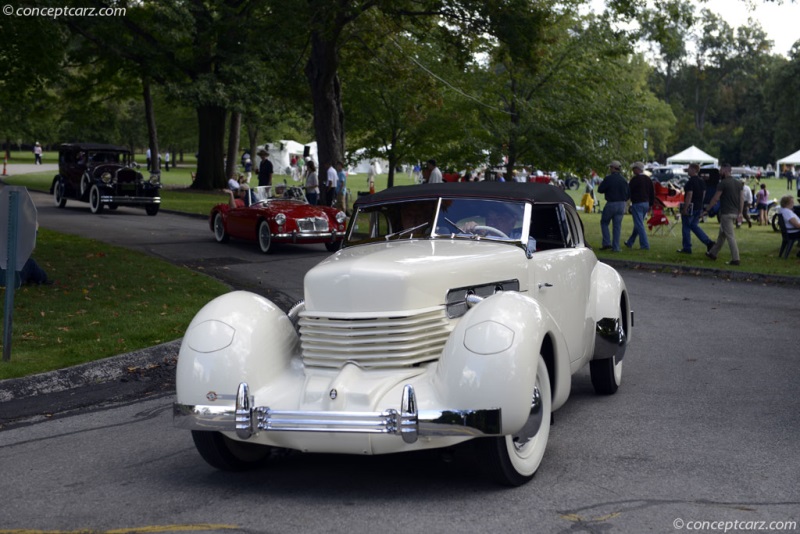
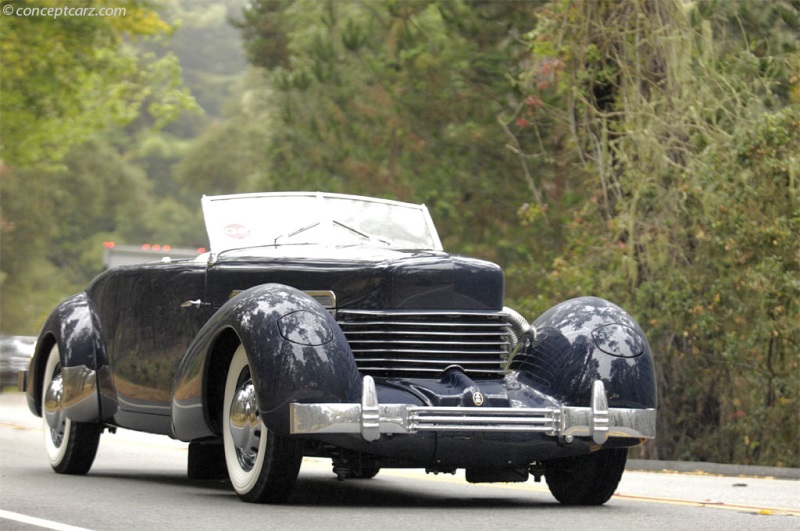
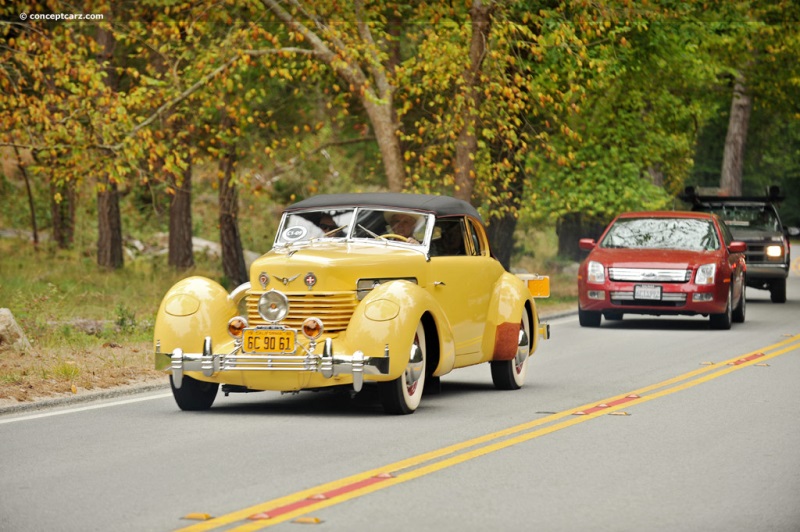
Super-salesman Erret Lobban 'E.L.' Cord saved the Auburn Automobile Company in the mid-1920s by taking their drab sedans, repainting them in spiffy colors and aggressively promoting them throughout the country. Having saved Auburn, he then bought the company in 1928 and proceeded to build a steady flow of very good-looking Auburns, including the stunning boattail speedster. In 1929, Cord announced a car carrying his own name: a front-wheel-drive luxury automobile with extremely low lines and ravishing good looks. To complete his whirlwind year of automotive activity, he also produced the mighty Model J Duesenberg, completing plans for his very own automotive empire.L-29 Cord production ceased after two years, but E.L. had another car in the works - a 'Baby Duesenberg,' also a front-driver, but with V-8 power from his Lycoming Engine Company and priced in the upper-medium band. Called the Cord 810, this car was created to help Auburn Automobile out of the deep financial hole that dismal sales during the worst years of the Depression had caused. A totally clean-sheet design by the hugely talented Gordon Buchrig, it debuted at the 1935 New York Auto Show and was the hands-down hit of that event with its 'coffin nose' front styling, retractable headlamps, lack of running boards, and sleek, integrated shape. Cord salesman couldn't write orders fast enough.
However, teething troubles with the cars themselves, along with assembly line glitches plus a financial pinch, made for slow delivery of Cords, and the first cars didn't get into owners' garages until mid-1936. With Auburns and Duesenbergs halted after 1936, the Cord continued into 1937. But on August 7, 1937, the last Cord rolled off the assembly line and the glory days of Auburn-Cord-Duesenberg came to an abrupt end. In its two years of existence, less than 3,000 Cord 810s and 812s had been built.
The Cord 812
There's a popular misconception among collectors that all Cords with an 812 designation indicate supercharged cars, but the 812 merely distinguishes the 1937 model-year cars from the 1936 run.
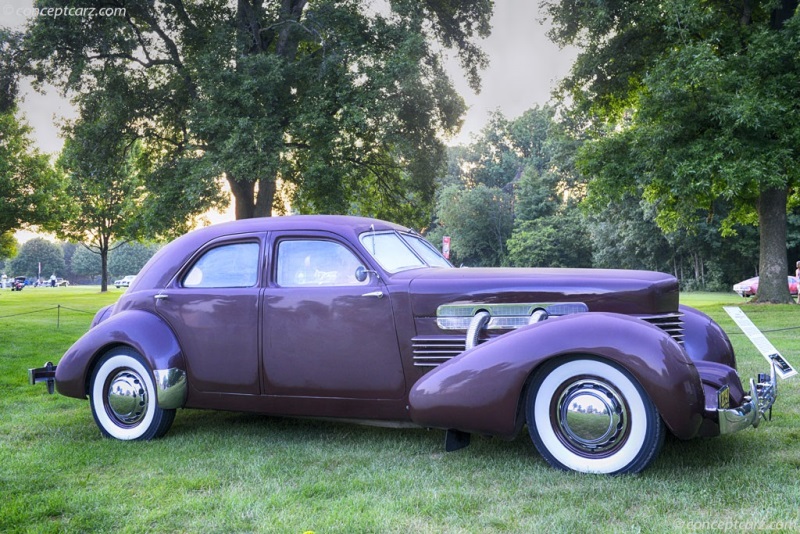
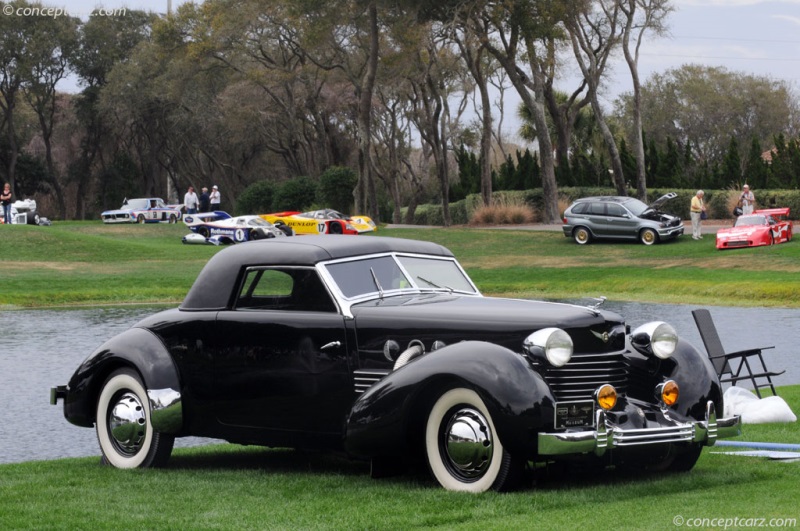
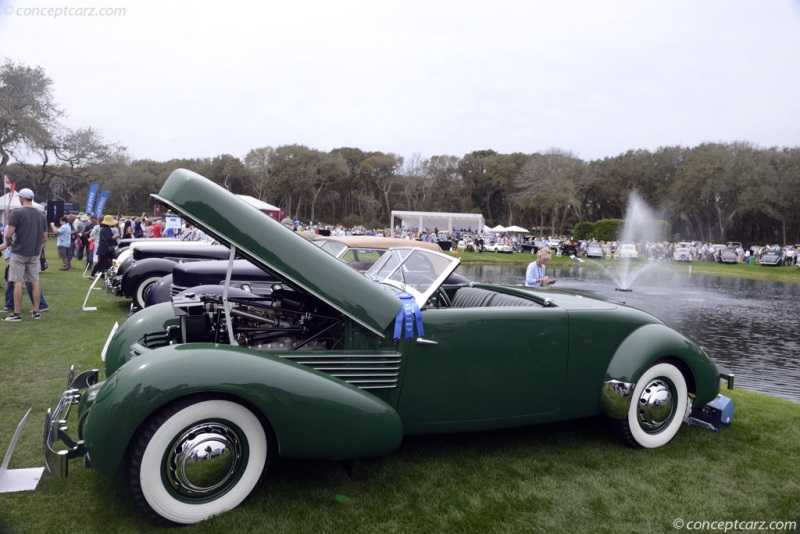
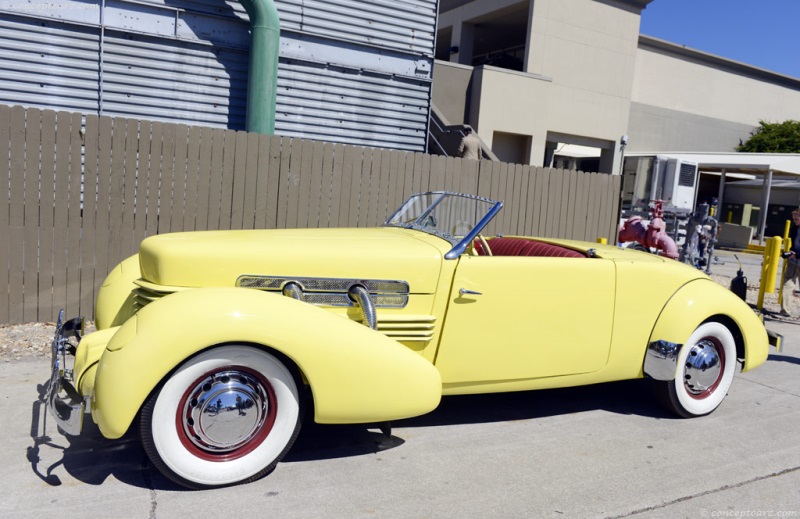
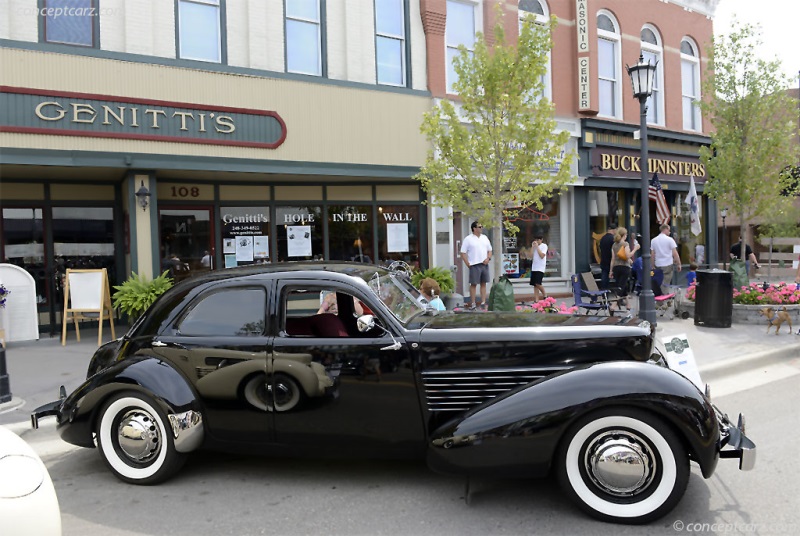
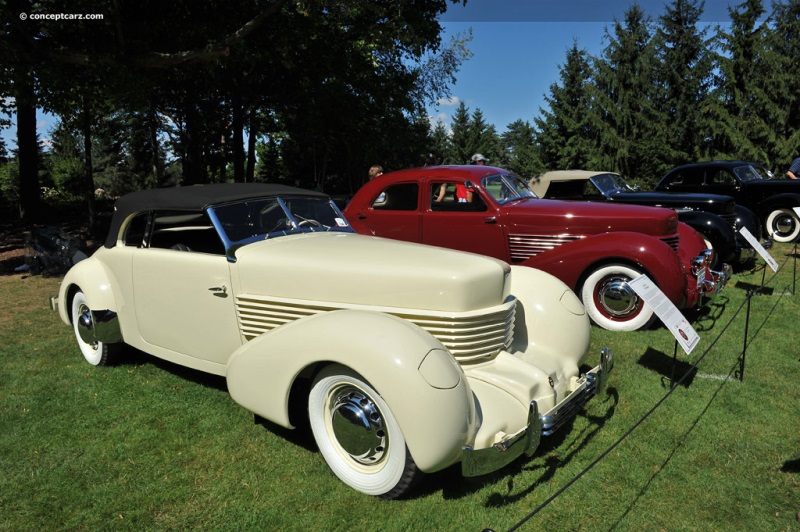
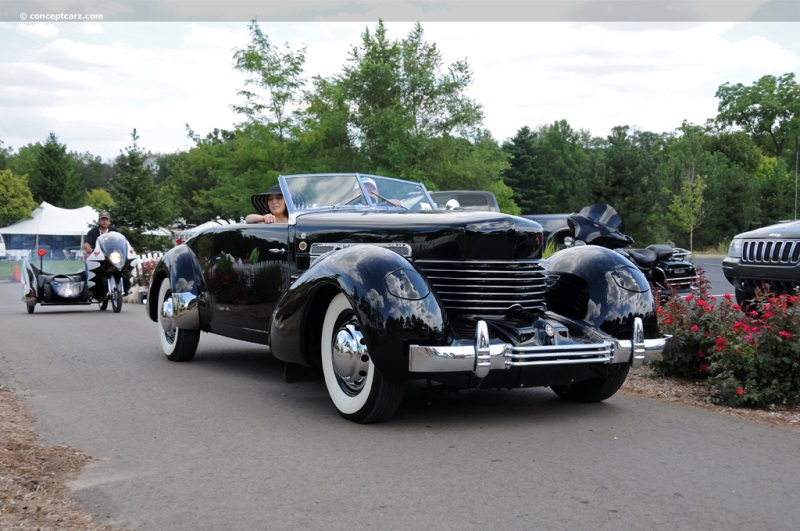
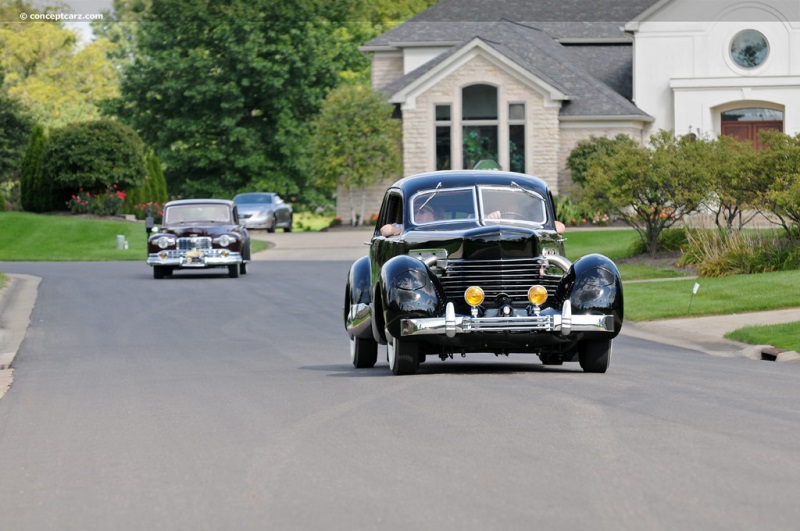
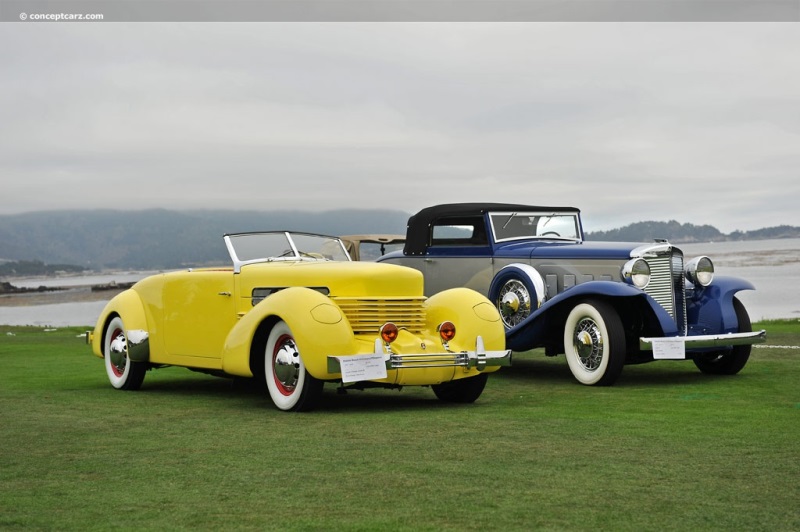
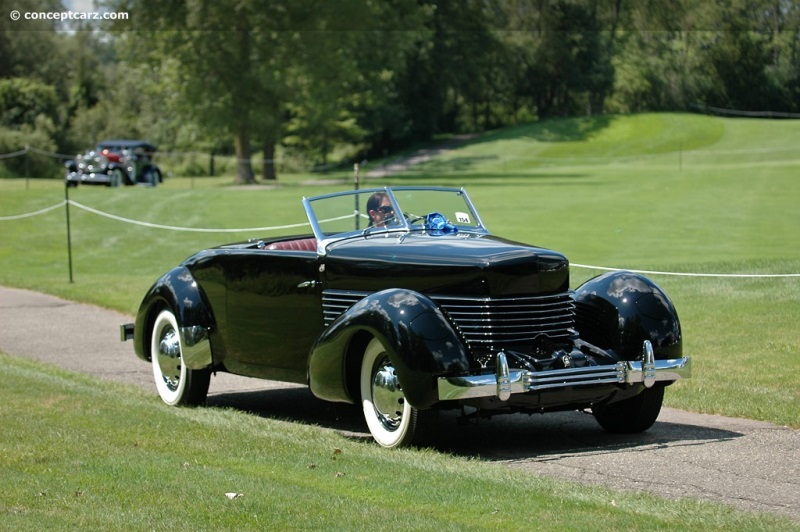
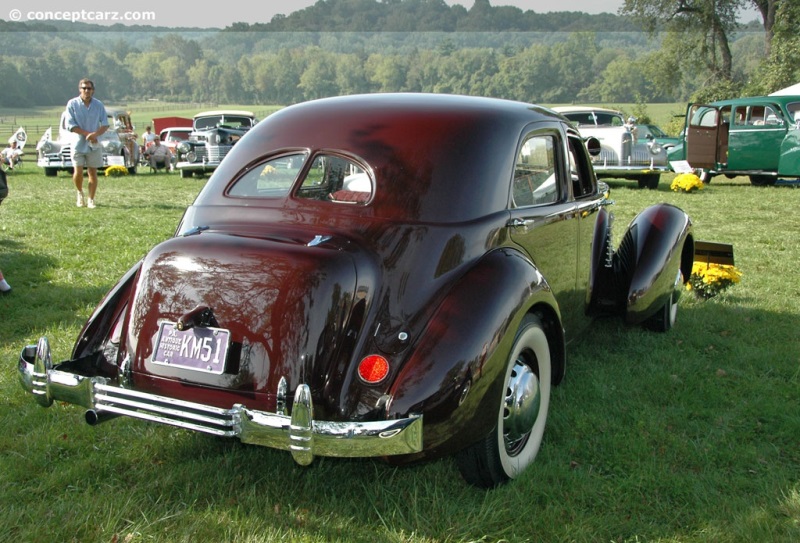
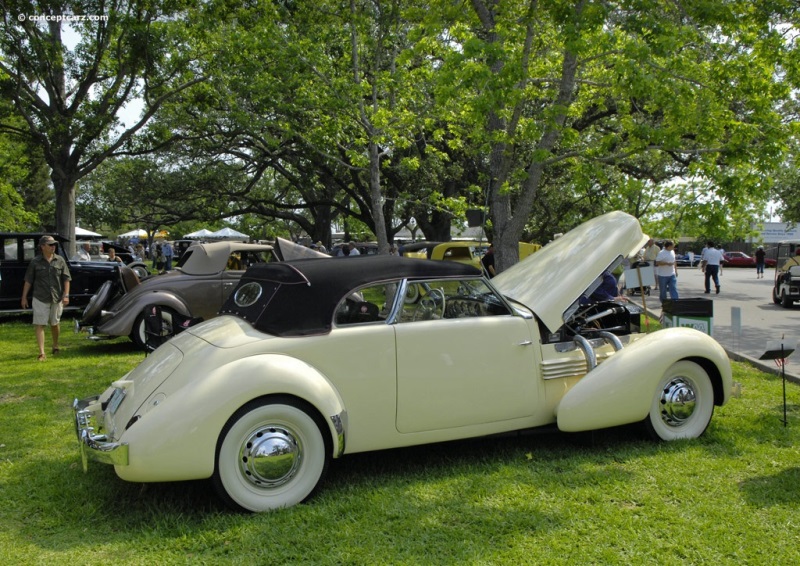
The 810 and 812 Cords are identical to each other in all specifications and other respects. Even if Cord had wanted to fiddle with Buehrig's superb design, the money wasn't in the till to mess it up with face-lifts or big mechanical changes. In both years, only four body styles were offered: the Phaeton, Beverly, and Westchester sedans and the Sportsman convertible.
This Car
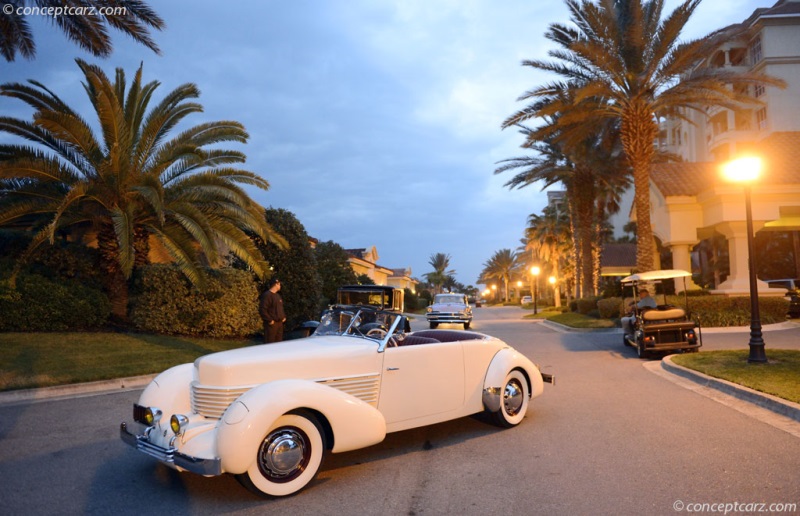
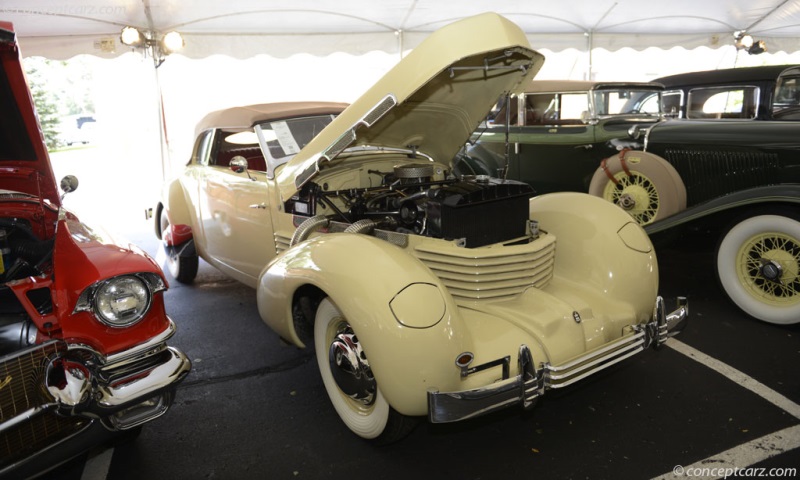
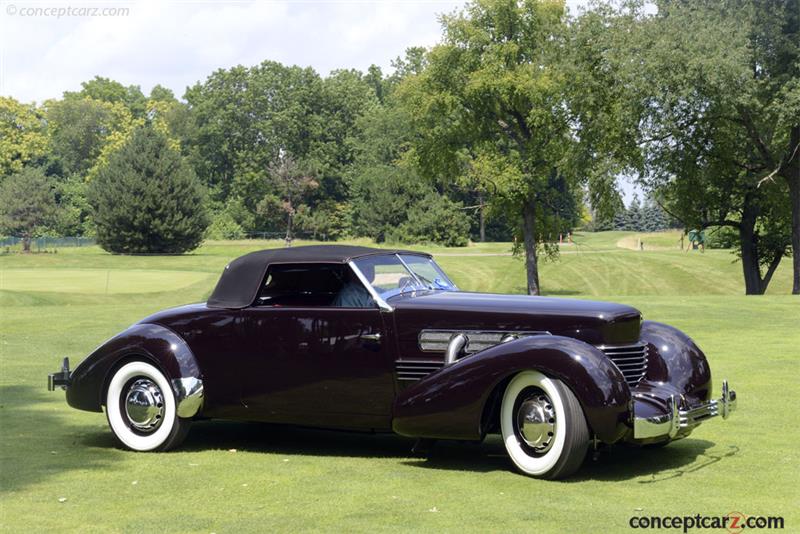
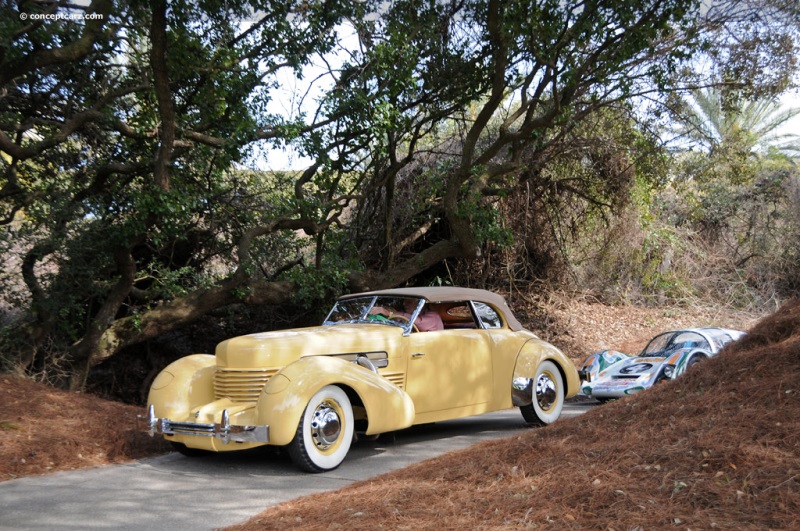
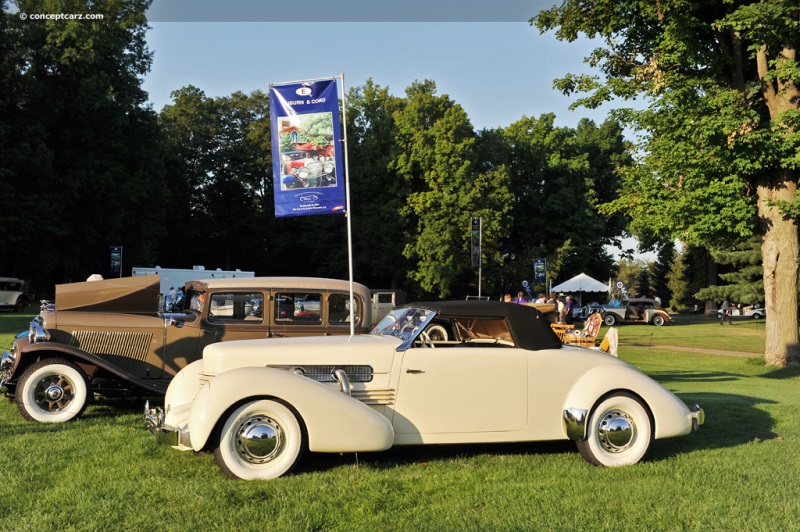
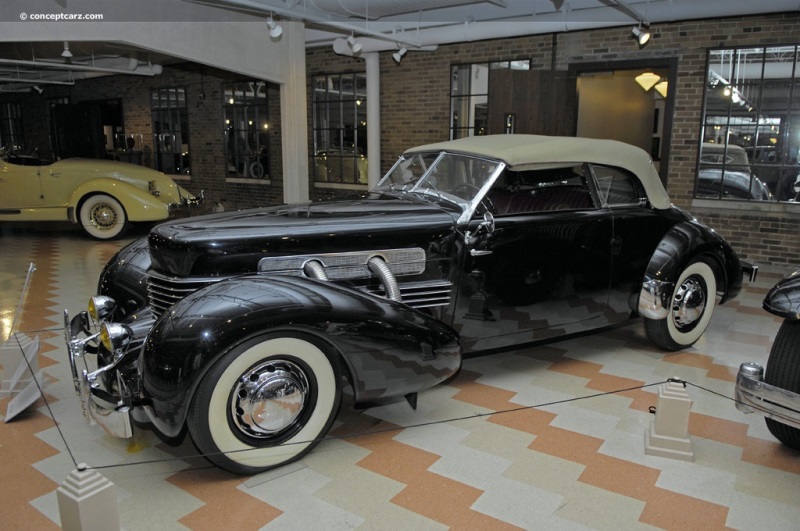
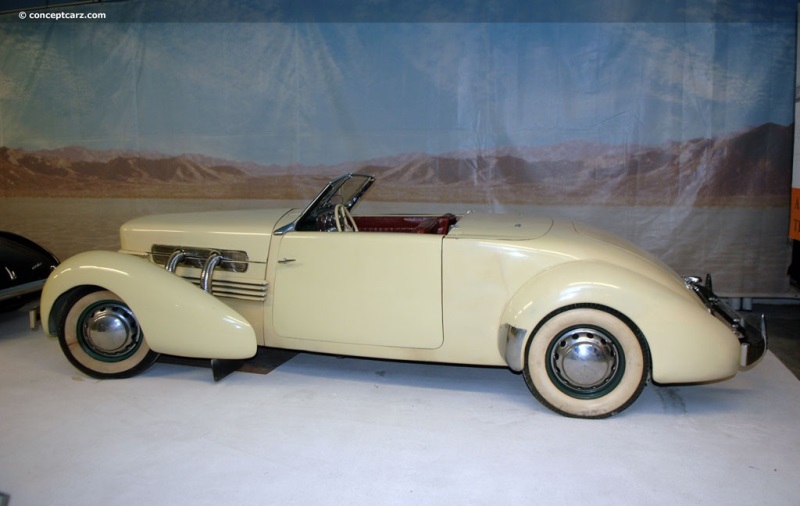
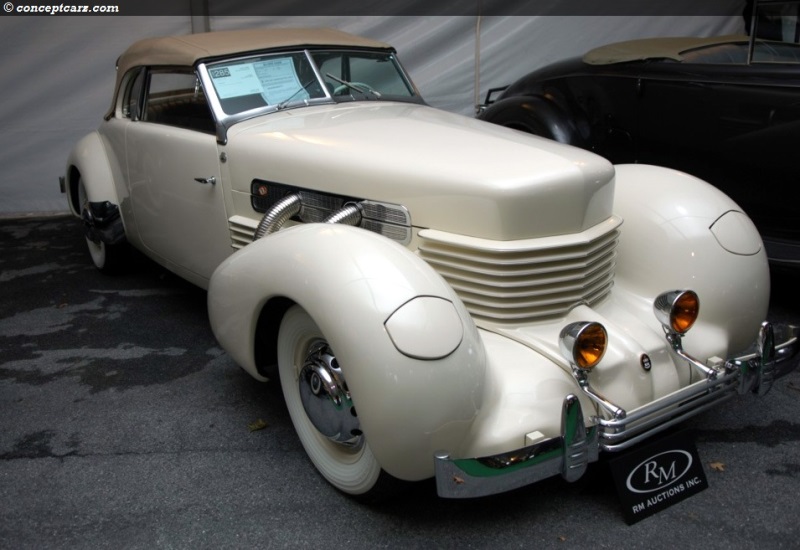
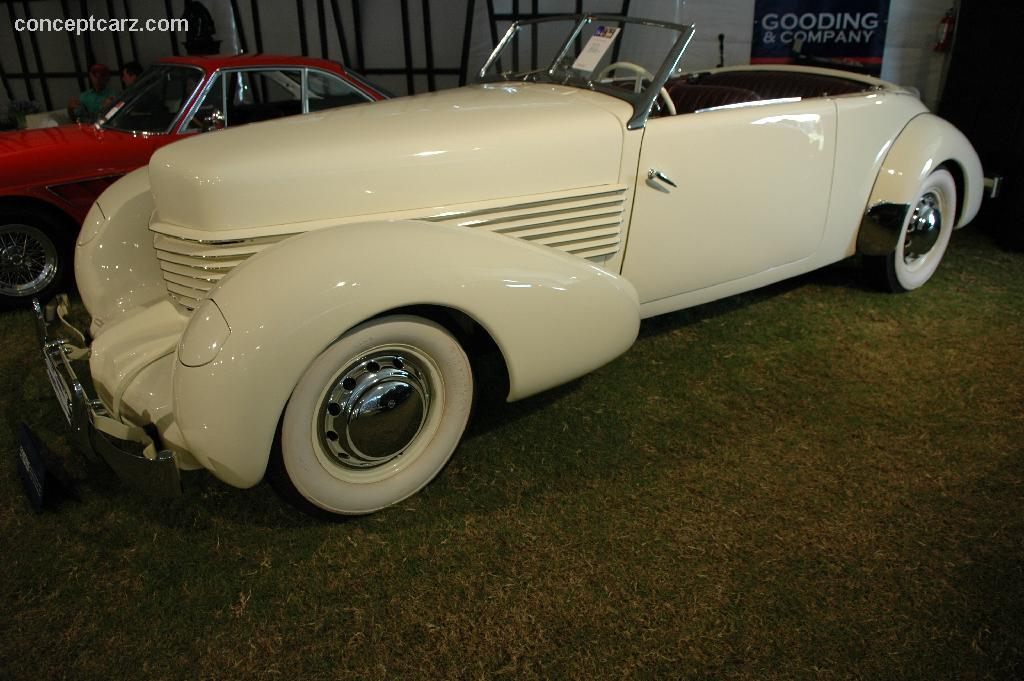
Finished in the popular Cord shade called 'Cigarette Cream,' the interior has been authentically reupholstered in dark burgundy leather. A beige canvas top complements the exterior and interior colors.
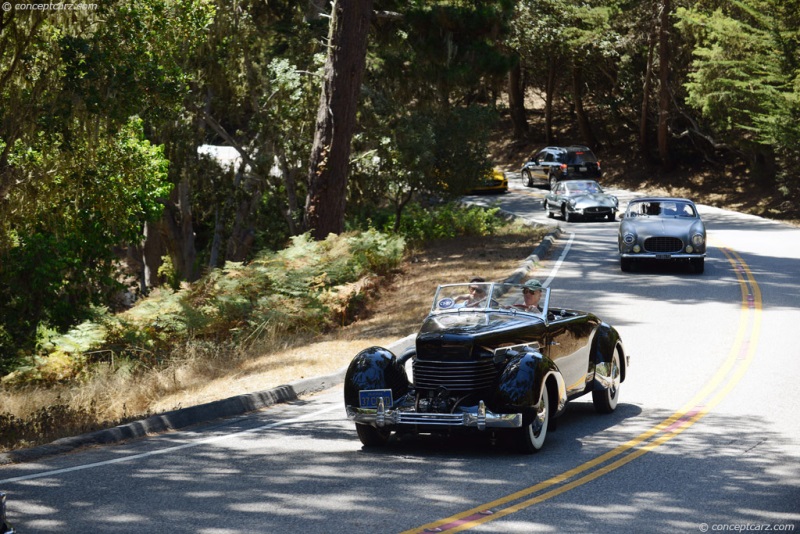
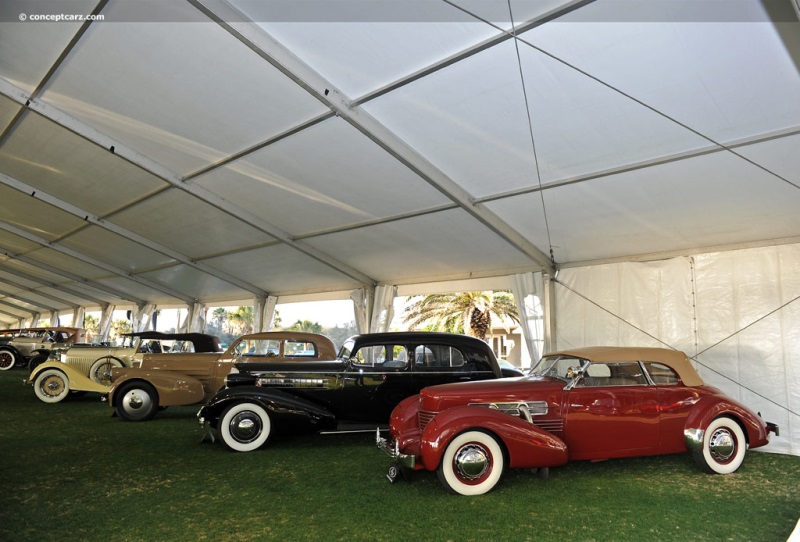
The timeless design of the Cord 810/812 continues to fascinate even 70 years after its public introduction. All Cords are Full Classics as recognized by the Classic Car Club of America and are eligible for all of the activities that the club offers for its members and their cars.Source - Gooding & Company
No auction information available for this vehicle at this time.
1937 Cord 812 Auction Sales
Recent Sales of the Cord 812
(Data based on Model Year 1937 sales)
| 1937 Cord 812 Phaeton Chassis#: 1494h Sold for USD$121,000 2024 Mecum : Glendale | |
| 1937 Cord 812 Supercharged Cabriolet Chassis#: 1507 Sold for USD$151,200 2024 RM Sothebys : ModaMiami |   |
| 1937 Cord 812 Custom Beverly Chassis#: 310242 S Sold for USD$74,250 2023 RM Sothebys : Hershey |   |
| 1937 Cord 812 SC 'Sportsman' Cabriolet Sold for USD$395,500 2023 Worldwide Auctioneers : The Auburn Auction | |
| 1937 Cord 812 Supercharged 'Sportsman' Cabriolet Chassis#: 812 31655 F Sold for USD$168,000 2023 Broad Arrow : Monterey Jet Center | |
| 1937 CORD 812 WESTCHESTER SEDAN Chassis#: FB1855 Sold for USD$28,600 2023 Barrett-Jackson : Palm Beach | |
| 1937 CORD WESTCHESTER Chassis#: 1743A Sold for USD$82,500 2023 Barrett-Jackson : Palm Beach | |
| 1937 CORD 812 S/C CABRIOLET 'SPORTSMAN' Chassis#: 31950 F Sold for USD$412,000 2023 Gooding & Company : Amelia Island Auction |   |
| 1937 Cord 812 SC Phaeton Chassis#: 31613H Sold for USD$257,600 2022 Worldwide Auctioneers : The Auburn Auction | |
| 1937 Cord 812 Phaeton Chassis#: 8121930 Sold for USD$98,000 2022 Worldwide Auctioneers : The Auburn Auction | |
| 1937 CORD 812 S/C CABRIOLET 'SPORTSMAN' Chassis#: 31867F Sold for USD$467,000 2022 Gooding & Company : Pebble Beach |   |
| 1937 Cord 812 Phaeton Sold for USD$80,300 2022 Mecum Indy | |
| 1937 Cord 812 'Sportsman' Convertible Coupe Chassis#: FB1459 Sold for USD$192,950 2022 Worldwide Auctioneers : The Enthusiast Auction | |
| 1937 CORD 812 SUPERCHARGED PHAETON Chassis#: 81231415H Sold for USD$201,600 2022 Bonhams : Scottsdale Arizona | |
| 1937 Cord 812 Supercharged Cabriolet Chassis#: 31940F Sold for USD$184,800 2022 RM Sothebys : Arizona |   |
| 1937 CORD 812 WESTCHESTER SEDAN CUSTOM Chassis#: 82893 Sold for USD$275,000 2022 Gooding & Company : Scottsdale Geared Online | |
| 1937 Cord 812 Supercharged Phaeton Chassis#: 32370H Sold for USD$170,500 2021 RM Auctions : Auburn Fall | |
| 1937 Cord 812 SC Phaeton Chassis#: FC2682 Sold for USD$154,000 2021 Worldwide Auctioneers : The 14th Annual Auburn Auction | |
| 1937 Cord 812 Armored Beverly Sedan Chassis#: 10182S Sold for USD$63,250 2021 Mecum : Monterey |   |
| 1937 Cord 812 Westchester Sedan Chassis#: FB1427 Sold for USD$71,500 2021 Mecum : Monterey |   |
Cord 812s That Failed To Sell At Auction
1937 Cord 812's that have appeared at auction but did not sell.
| Vehicle | Chassis | Event | High Bid | Est. Low | Est. High |
|---|---|---|---|---|---|
| 1937 Cord 812 Supercharged Sportsman Convertible Coupe | 32317f | 2023 Mecum : Monterey | $140,000 | $250,000 | $325,000 |
| 1937 Cord 812 Supercharged Sportsman Convertible Coupe | 32317f | 2023 Mecum : Indy | $200,000 | $200,000 | $300,000 |
| 1937 Cord 812 Supercharged Sportsman Convertible Coupe | 32317F | 2023 Mecum : Kissimmee | $250,000 | ||
| 1937 Cord 812 Supercharged Sportsman Convertible Coupe | 32317F | 2022 Mecum : Monterey | $240,000 | ||
| 1937 Cord 812 SC Phaeton | 31613H | 2022 Worldwide Auctioneers : Scottsdale Arizona | |||
| 1937 Cord 812 Supercharged Sportsman Convertible Coupe | 32317F | 2022 Mecum : Kissimmee | |||
| 1937 Cord 812 Supercharged Phaeton | 812 31918 H | 2021 RM Sothebys : Hershey | $170,000 | $190,000 | |
| 1937 Cord 812 Supercharged Sportsman Convertible Coupe | 32317F | 2021 Mecum : Monterey | $250,000 | $275,000 | $325,000 |
| 1937 Cord 812 Phaeton | 1155H | 2020 RM Sothebys : Palm Beach Online | $140,000 | $150,000 | |
| 1937 Cord 812 Phaeton | 633 | 2020 Bonhams : Scottsdale Arizona | $160,000 | $200,000 | |
| 1937 CORD 812 SPORTSMAN CONVERTIBLE COUPE | 812 1256 F | 2019 Worldwide Auctioneers : The Auburn Auction | |||
| 1937 Cord 812 Phaeton | 2019 RM Auctions : Auburn Fall | ||||
| 1937 Cord 812 Supercharged Phaeton | 812 31415 H | 2019 Bonhams : Quail Lodge Auction | $125,000 | $150,000 | |
| 1937 Cord 812 Supercharged Phaeton | 812 32269 H | 2018 RM Sothebys : The Petersen Automotive Museum | $220,000 | $260,000 | |
| 1937 Cord 812 Supercharged Phaeton | 1194 | 2018 RM Auctions : Auburn Fall | |||
| 1937 Cord 812 Supercharged Sportsman | 31631F | 2018 Bonhams : Scottsdale | $175,000 | $250,000 | |
| 1937 Cord 812 Phaeton | 2017 GAA : November | $110,000 | |||
| 1937 Cord 812 Beverly Sedan | 2017 Collector Car Toronto Fall Classic | $65,000 | |||
| 1937 Cord 812 Phaeton | 812 1155 H | 2017 Auctions America : Auburn Fall | $165,000 | $185,000 | |
| 1937 Cord 812 Westchester Sedan | 1471A | 2017 Mecum : Monterey | $55,000 | ||
| 1937 Cord 812 Convertible Phaeton | FB1997 | 2017 Motostalgia : Amelia Island | $165,000 | $200,000 | |
| 1937 Cord 812 Beverly 4dr Sedan | 1704A | 2017 Motostalgia : Amelia Island | $65,000 | $90,000 | |
| 1937 Cord 812 SC Sportsman Convertible Coupe | 8121163F | 2017 Worldwide Auctioneers : Scottsdale, AZ | $175,000 | $225,000 | |
| 1937 Cord 812 Sportsman | 8121163F | 2016 Mecum : Monterey | $120,000 | ||
| 1937 Cord 812 Phaeton | 1339H | 2016 The Finest : Aspen | $120,000 | $140,000 | |
| 1937 CORD 812 SUPERCHARGED SPORTSMAN | 31631F | 2015 Bonhams : The Frederiksen Auction | $1,000,000 | $2,000,000 | |
| 1937 Cord 812 Sportsman Convertible Coupe | 2015 Auctions America Auburn Fall | $140,000 | |||
| 1937 Cord 812 Custom Beverly Sedan | 2015 Auctions America Auburn Fall | $75,000 | |||
| 1937 Cord 812 Custom Roadster | 2015 Auctions America Auburn Fall | $62,500 | |||
| 1937 Cord Beverly Supercharged Sedan | 2015 Auctions America Auburn Fall | $40,000 |
Vehicles With Comparable Market Values
Similar sales to the $156,913 range.
| 1967 Plymouth Hemi GTX Convertible Chassis#:rs27j77173390 Sold for $156,750 2024 Mecum : Glendale | |
| 1925 Locomobile Model 48 Derham Convertible Sedan Chassis#:19095 Sold for $156,800 2024 Broad Arrow Auctions : Amelia |   |
| 2002 ROLLS-ROYCE CORNICHE 'LAST OF LINE' Chassis#:SCAZK28E62CX02040 Sold for $156,800 2024 Gooding : Amelia Island Concours | |
| 1996 Ferrari F355 GTS Chassis#:ZFFXR42B000105734 Sold for $156,846 2024 Artcurial : Retromobile | |
| 1969 Maserati Ghibli 4.9-Litre SS Coupé Chassis#:AM 115/49 *1142* Sold for $156,186 2024 Bonhams : Les Grandes Marques du Monde a Paris | |
| 1936 Rolls-Royce Phantom III Saloon by Barker Chassis#:3AZ210 Sold for $156,046 2024 RM Sothebys : Paris | |
| 1965 CHEVROLET CORVETTE CUSTOM CONVERTIBLE Chassis#:194675S101024 Sold for $156,200 2024 Barrett-Jackson : Scottsdale AZ | |
| 1970 FORD BRONCO CUSTOM SUV Chassis#:U14GLH18330 Sold for $156,200 2024 Barrett-Jackson : Scottsdale AZ | |
| 1970 PLYMOUTH CUDA CONVERTIBLE Chassis#:BS27N0B242420 Sold for $156,200 2024 Barrett-Jackson : Scottsdale AZ | |
| 1969 CHEVROLET CAMARO Z/28 RS Chassis#:124379N597147 Sold for $156,200 2024 Barrett-Jackson : Scottsdale AZ | |
| 1970 PLYMOUTH BARRACUDA CUSTOM COUPE Chassis#:ORBH23G0B192847 Sold for $158,400 2024 Barrett-Jackson : Scottsdale AZ | |
| 1968 SHELBY GT500 CONVERTIBLE Chassis#:8T03S169176 Sold for $157,300 2024 Barrett-Jackson : Scottsdale AZ | |
| 1969 Pontiac Trans Am Chassis#:223379n107006 Sold for $156,750 2024 Mecum : Kissimmee | |
| 1963 Chevrolet Corvette Split Window Coupe Chassis#:30837s105822 Sold for $156,750 2024 Mecum : Kissimmee | |
| 1992 BMW M3 Sport Evolution Chassis#:WBSAK07040AC79303 Sold for $157,339 2023 RM Sothebys : Munich | |
| 1960 Chevrolet Corvette C1 Roadster with hardtop Chassis#:J59S107105 Sold for $158,018 2023 Bonhams : The Zoute Sale | |
| 2002 BMW Z3M Coupé Chassis#:WBSCN91040LJ90393 Sold for $158,018 2023 Bonhams : The Zoute Sale | |
| 1915 Mercer Series 22-70 Sporting Chassis#:2236 Sold for $156,800 2023 Bonhams : Audrain Concours Auction | |
| 1966 Aston Martin DB6 Sport Saloon Chassis#:DB6/2542/LN Sold for $156,800 2023 Bonhams : Audrain Concours Auction | |
| 1973 Ford Bronco 'Coyote' Restomod Sold for $156,800 2023 Worldwide Auctioneers : The Auburn Auction |


1937 Cord 812
• Additional valuation insight and sales data• History
• Specifications
• Image gallery
• Other Cord 812 model years