







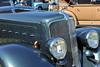
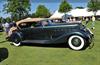
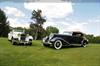
Image credit: © conceptcarz.com (Reproduction Or reuse prohibited).
Chrysler introduced the Series CG Imperial in July of 1930. It rode on a very large, 145-inch wheelbase and was powered by an all-new straight eight. At this point in history, there were no fewer than four different Chrysler eights, with the Imperial receiving the largest, a 384.8 cubic-inch, nine-main bearing unit developing 125 horsepower. The Imperial line was offered with four production bodies by Briggs, and four catalogued customs. The semi-custom bodies included a roadster, coupe, convertible coupe, and dual-cowl phaeton, all clothed by LeBaron. Additionally, the chassis provided a suitable platform to receive elegant coachwork capable of satisfying every customer's needs and desires.
The Series CG Imperial was succeeded by a new Series CH line in 1932. These came with a double-drop frame, vee-type windshield, and Floating Power. A long-wheelbase version was available and dubbed the CL Custom Imperial. The CL line was distinguished by a longer hood, extending from the radiator shell back to the base of the windshield. The catalog for the CL line listed six body styles, three of which were by LeBaron, and a handful of individual customs for specific customers.
At the 1931 Paris Auto Show, Ralph Roberts was inspired by a design he saw and commissioned a Lincoln to be built in a similar fashion. Edsel Ford was not impressed by Lincoln's experimental hood, but Walter Chrysler did and ordered it adopted for the new CL.
In 1932, the Chrysler CL's original dual cowl phaeton was replaced by what many call a sport phaeton with a crank-up rear screen, housed in the back of the front seat. In 1933, the CL received very few changes.
LeBaron Carrossiers, Inc.
The LeBaron coach-building firm was formed in New York City in 1920 by Raymond Dietrich and Thomas Hibbard. Their first project was a drawing of a seven-passenger limousine for the New York branch manager for Packard. The task of building the body was handled by Fleetwood. The customer was so impressed and satisfied with the design, that soon referrals began to come in.
Within a short time of the company's inception, Ralph Roberts (a recent Dartmouth graduate) was hired by the LeBaron company as a partner. Soon, the company was designing bodies for chassis supplied by New York dealers for Rolls-Royce, Mercedes-Benz, Minerva, Fiat, Hispano-Suiza, Packard, Cadillac, and Pierce-Arrow (and others).
In 1923, Hibbard left for Europe, where he associated with Howard 'Dutch' Darrin in Hibbard & Darrin. Before the close of the year, the remaining partners of LeBaron were approached by the Bridgeport Body Company of Bridgeport, Connecticut to become design partners, in exchange for stock.
After a favorable meeting between Dietrich and Edsel Ford at the New York Auto Show, the LeBaron Company received a large order from the Lincoln marque. Soon, Lincoln had become LeBaron's best customer. Pleased with the work, Edsel tried to get Dietrich and Roberts to relocate to Detroit. Dietrich was persuaded by the very generous offer and moved to Michigan. Roberts and Stickney, however, remained at Bridgeport. In 1927, Walter Briggs of Briggs Body Company in Detroit approached Roberts with a buyout offer. This time, Roberts accepted the offer and departed for Detroit, where he and LeBaron became an in-house design studio for Briggs.
The Briggs Company was a major body supplier for the newly formed Chrysler Corporation. The recent purchase of LeBaron allowed Briggs an opportunity to provide an upscale series of designs.
In 1953, Chrysler bought out Briggs and the LeBaron name was part of the purchase. The name has been used by Chrysler on certain prestige models ever since.
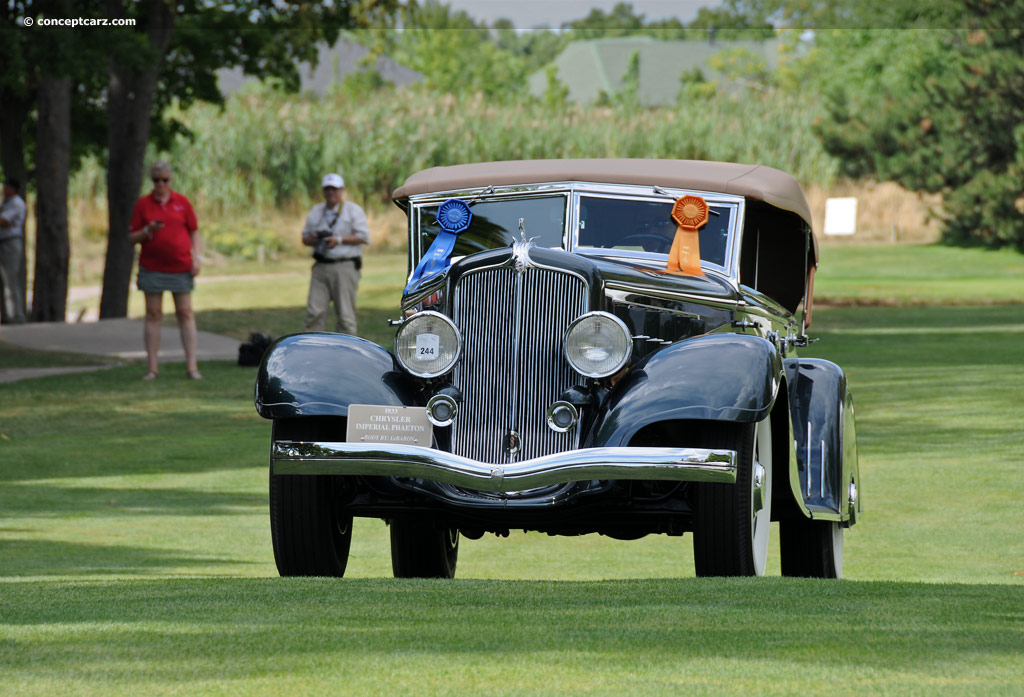
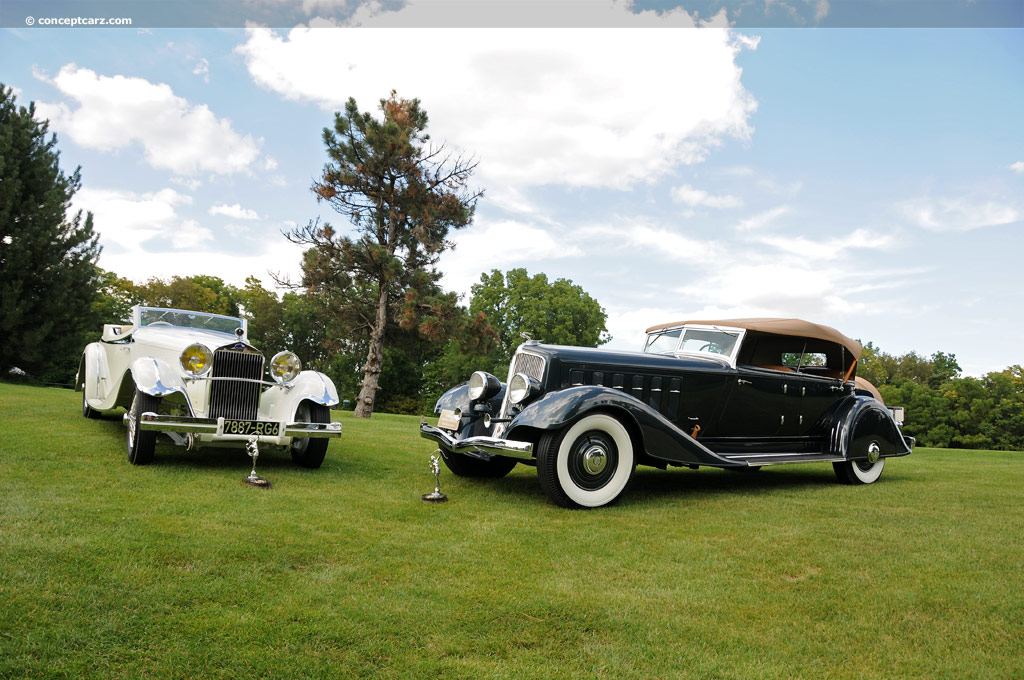
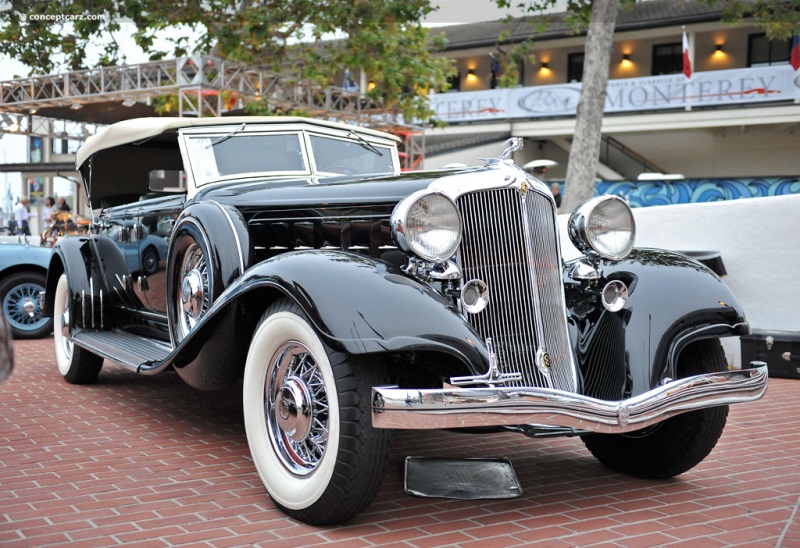
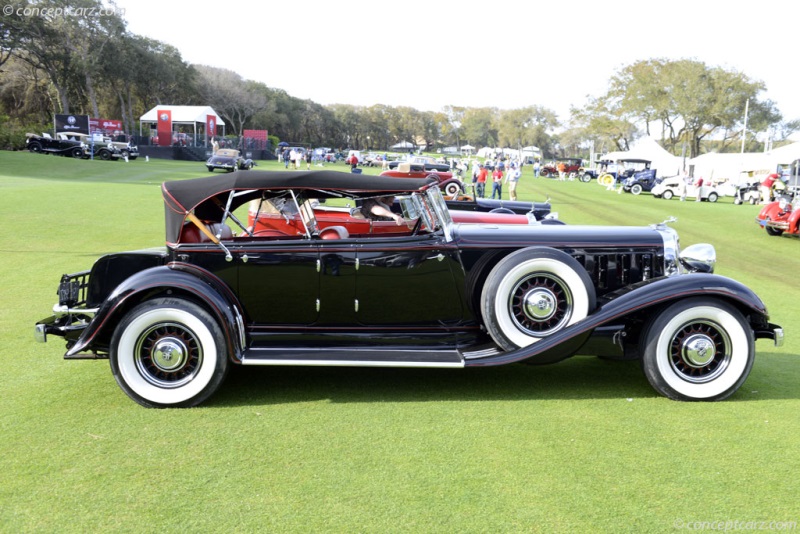
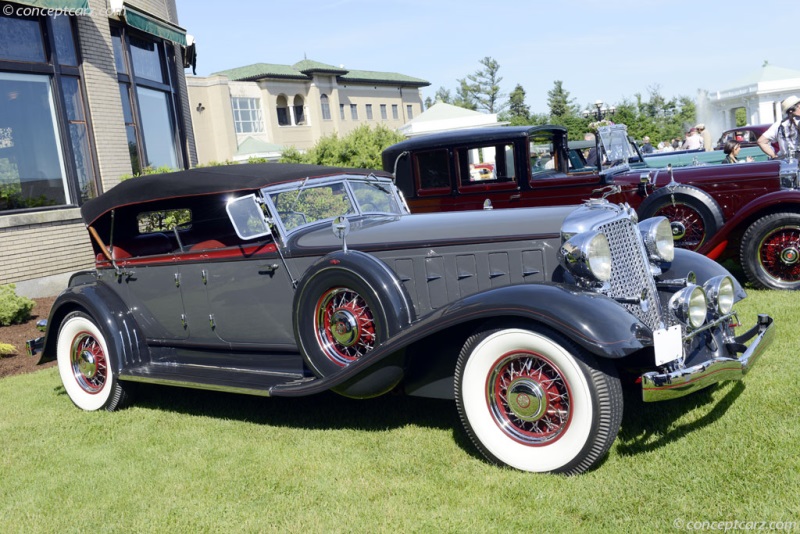
Chrysler Custom Imperial Five-Passenger Phaeton
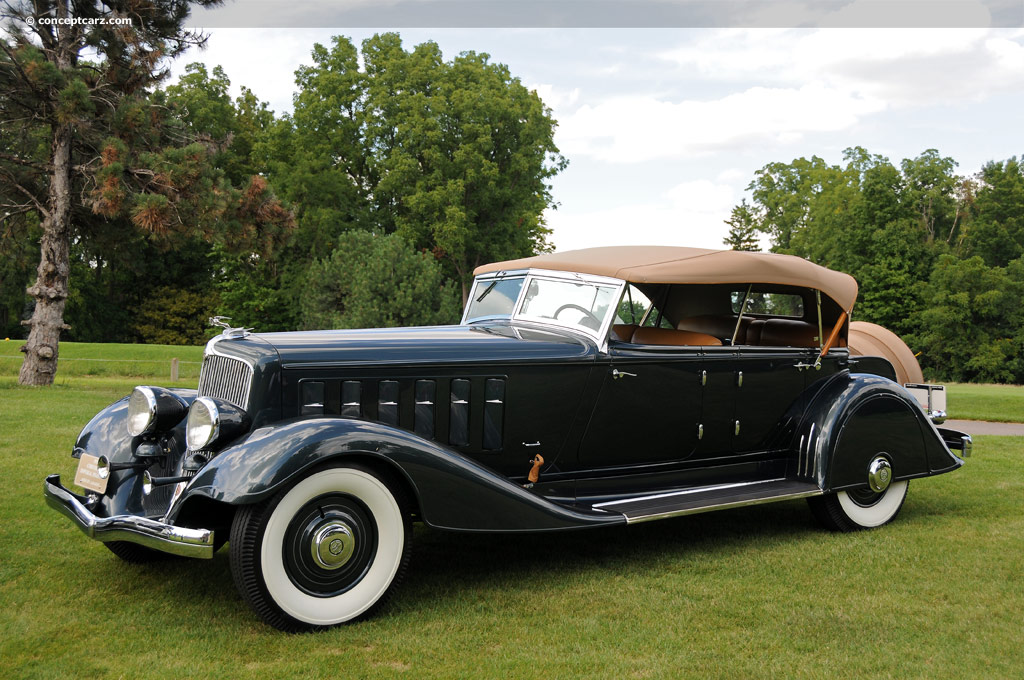
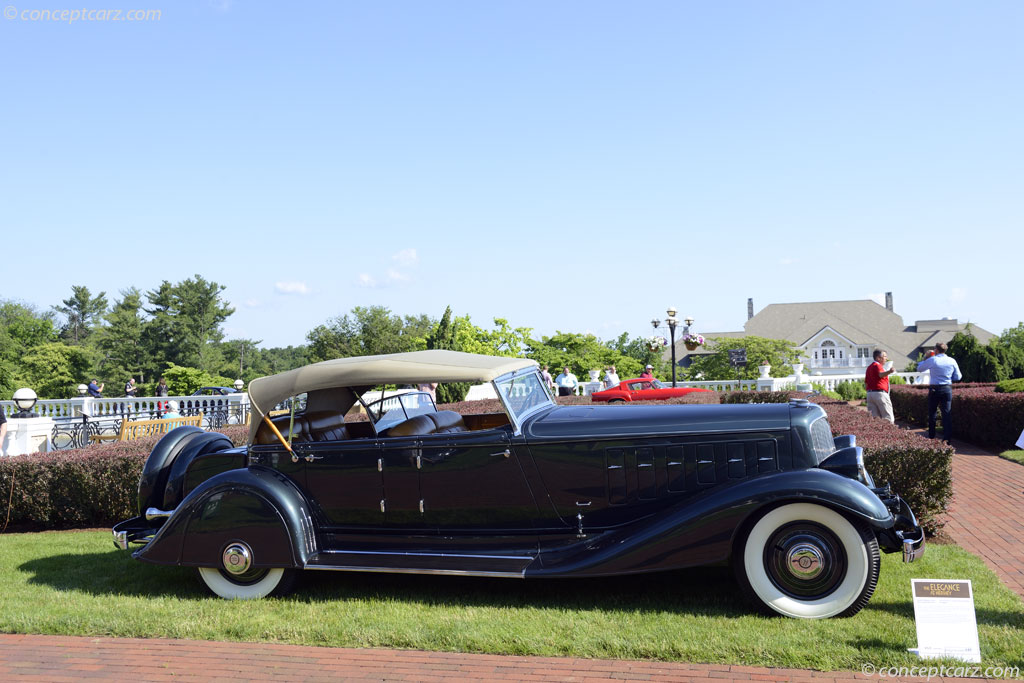
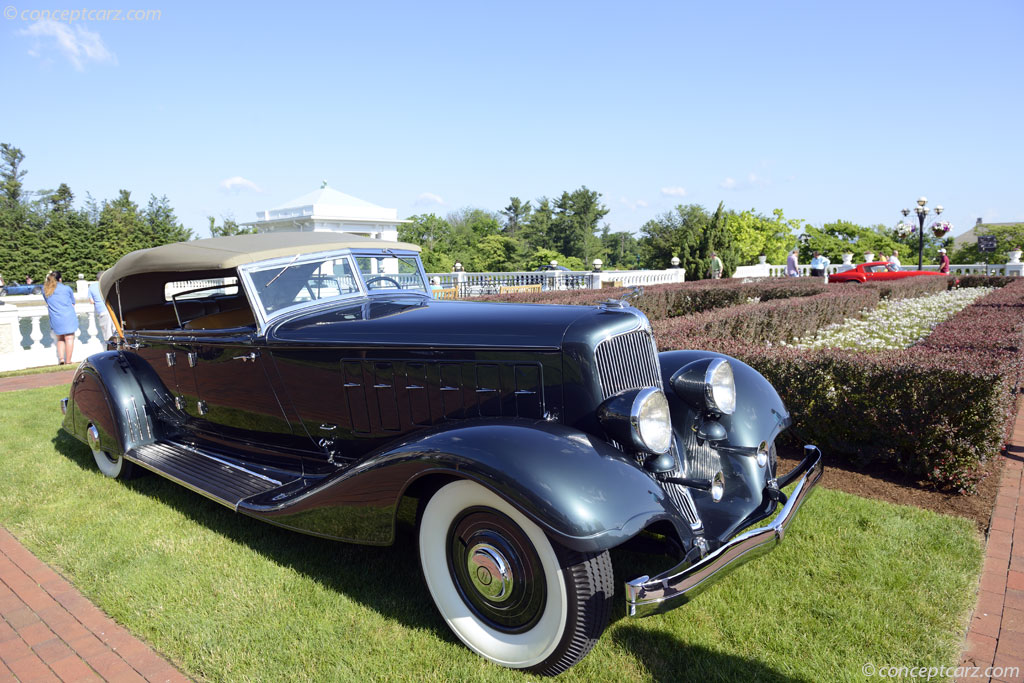
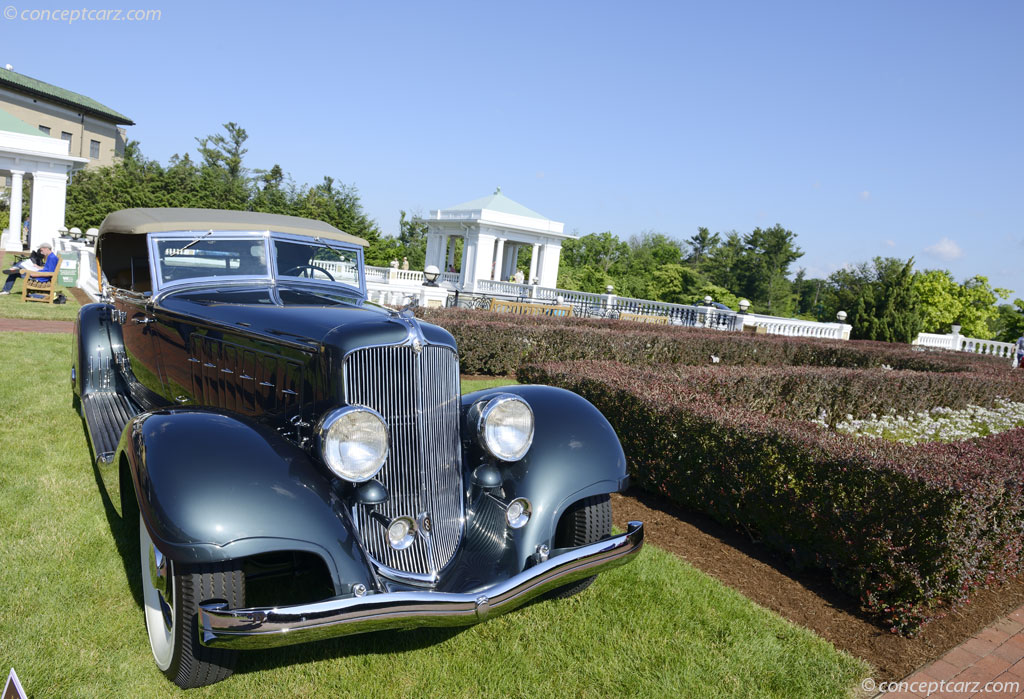
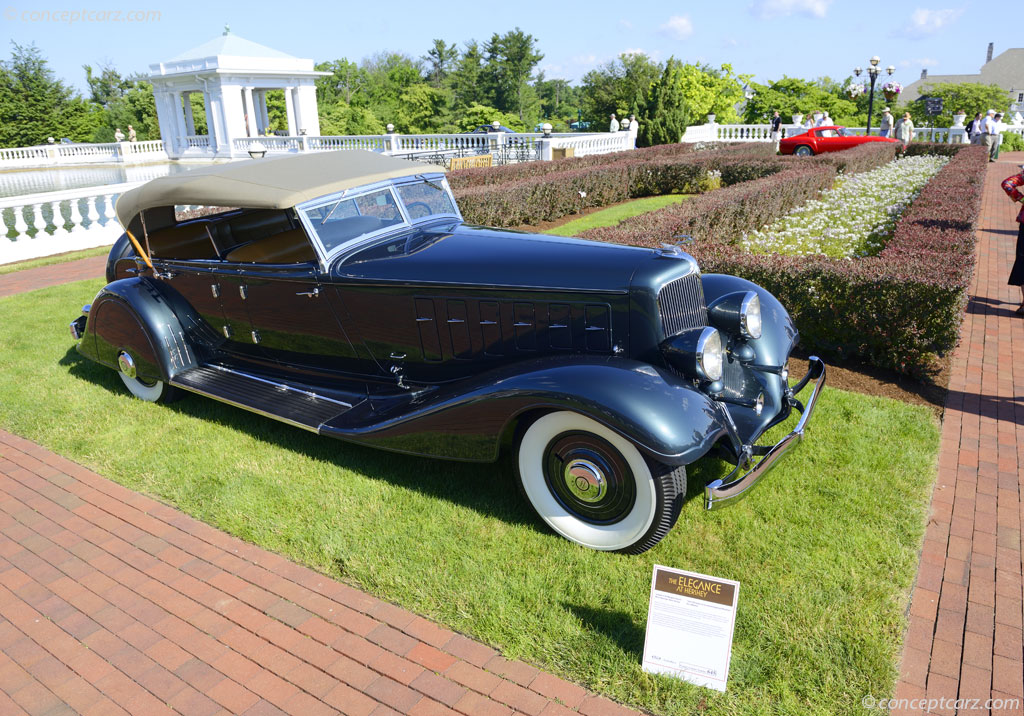
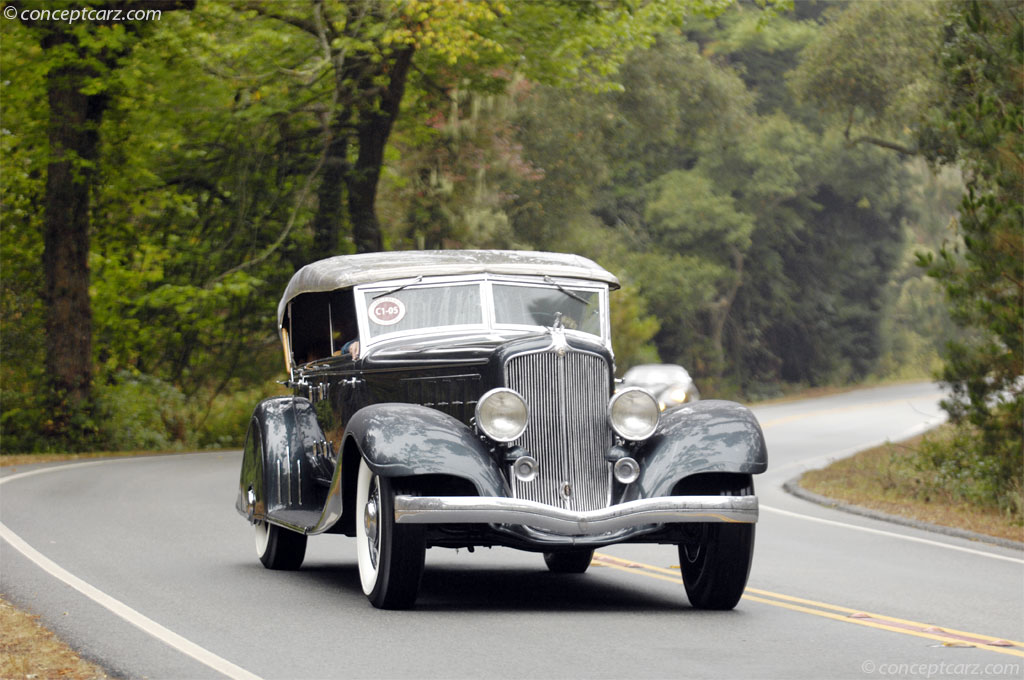
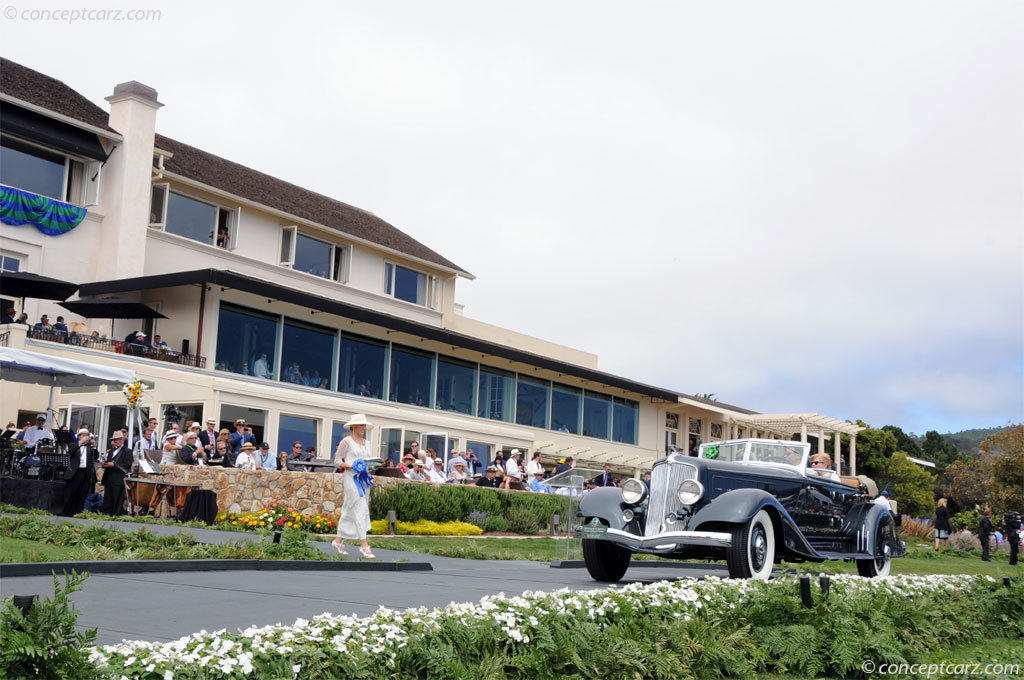
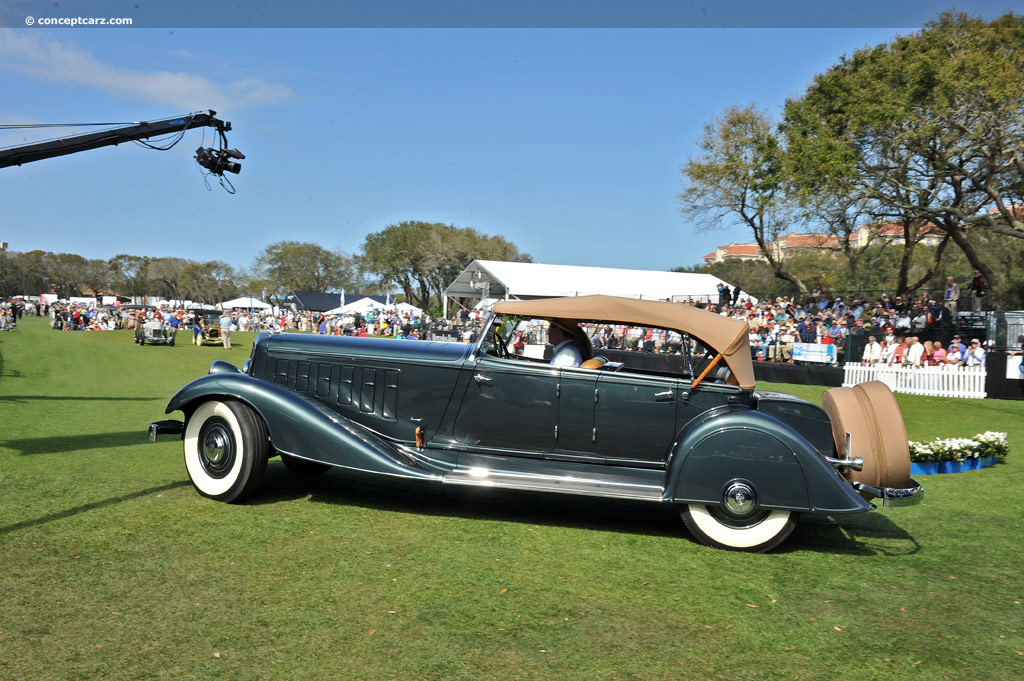
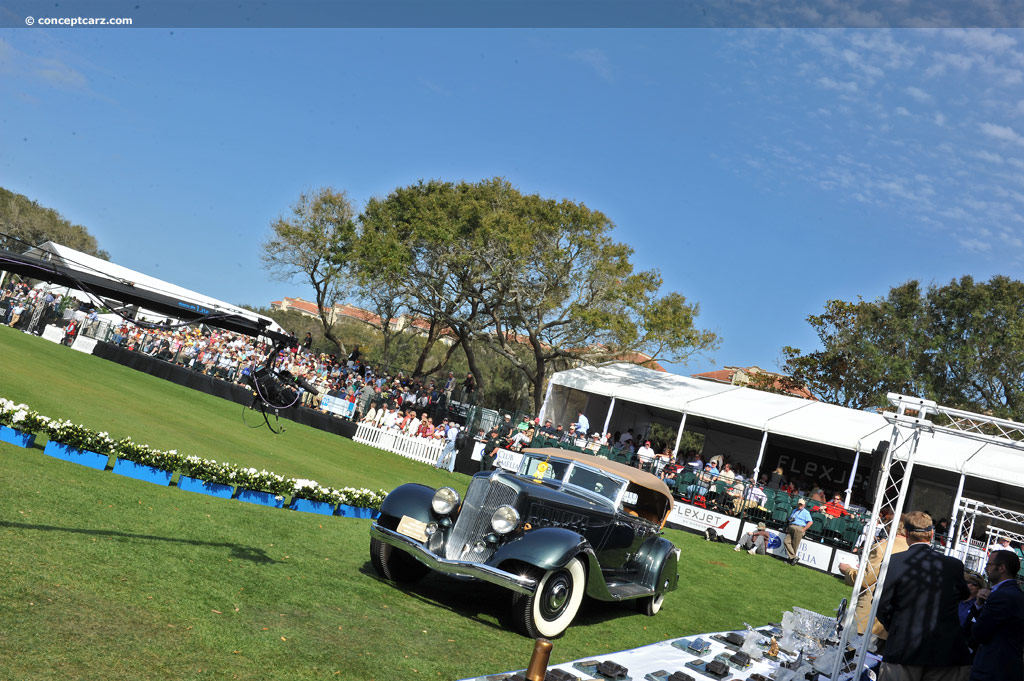
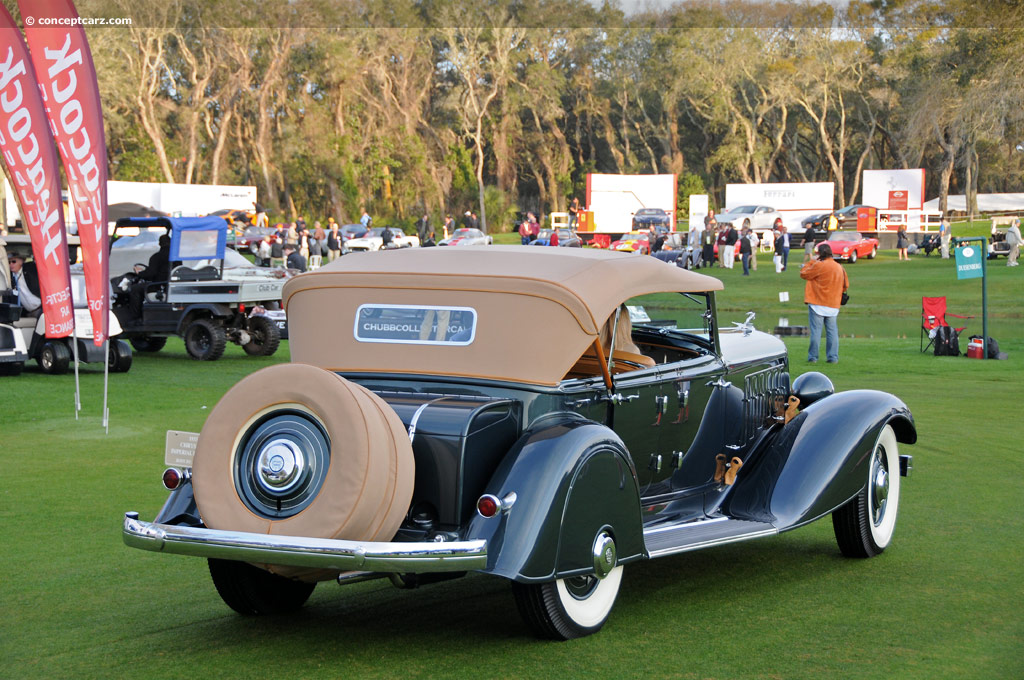
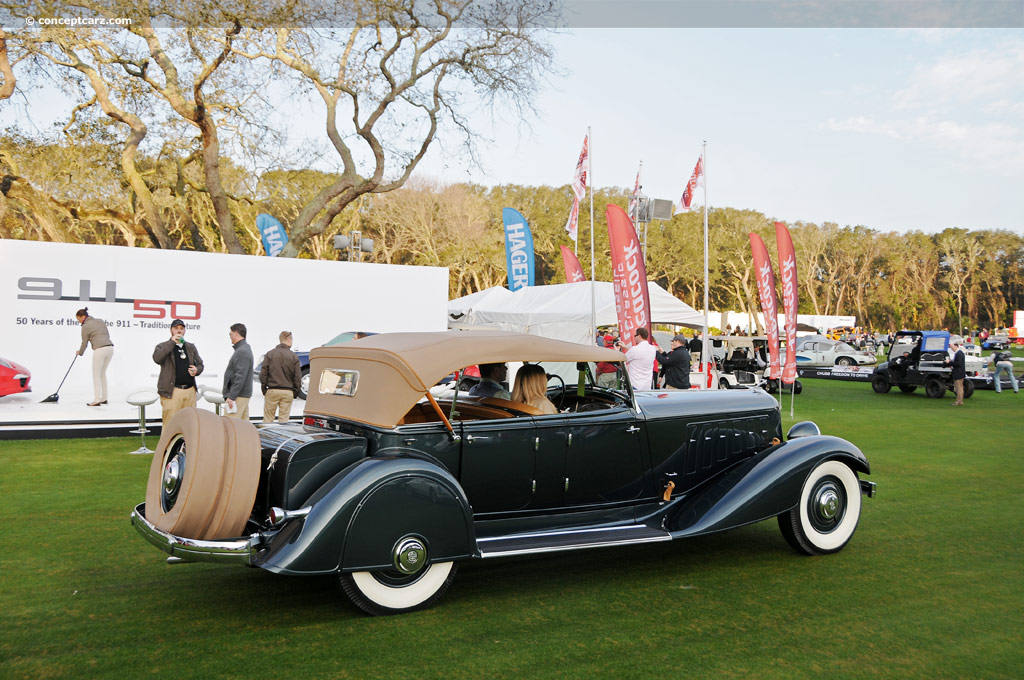
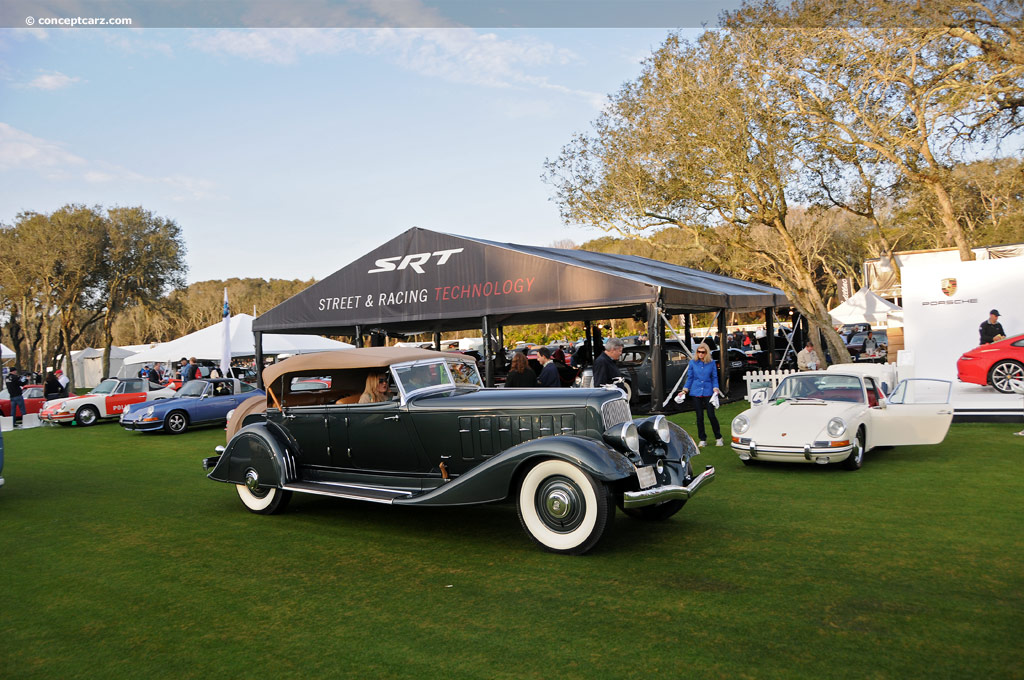
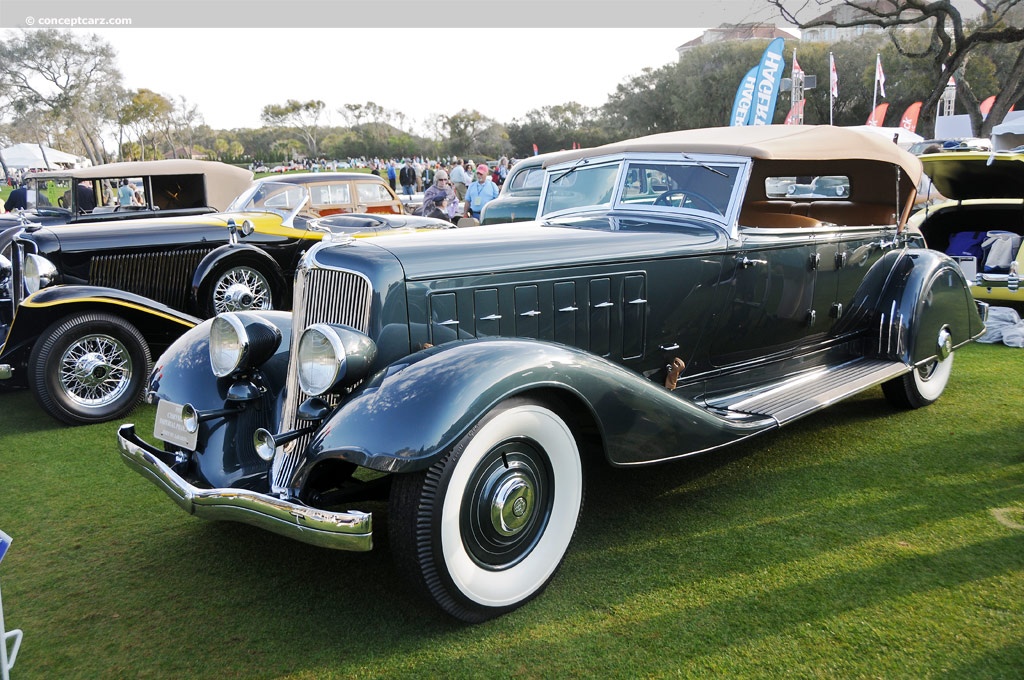
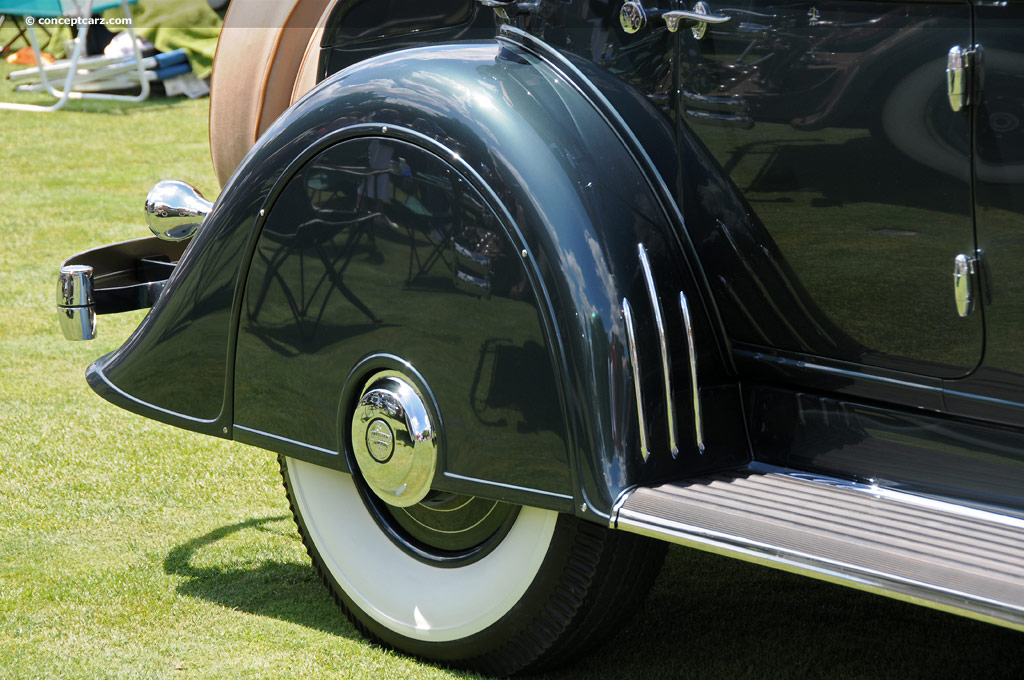
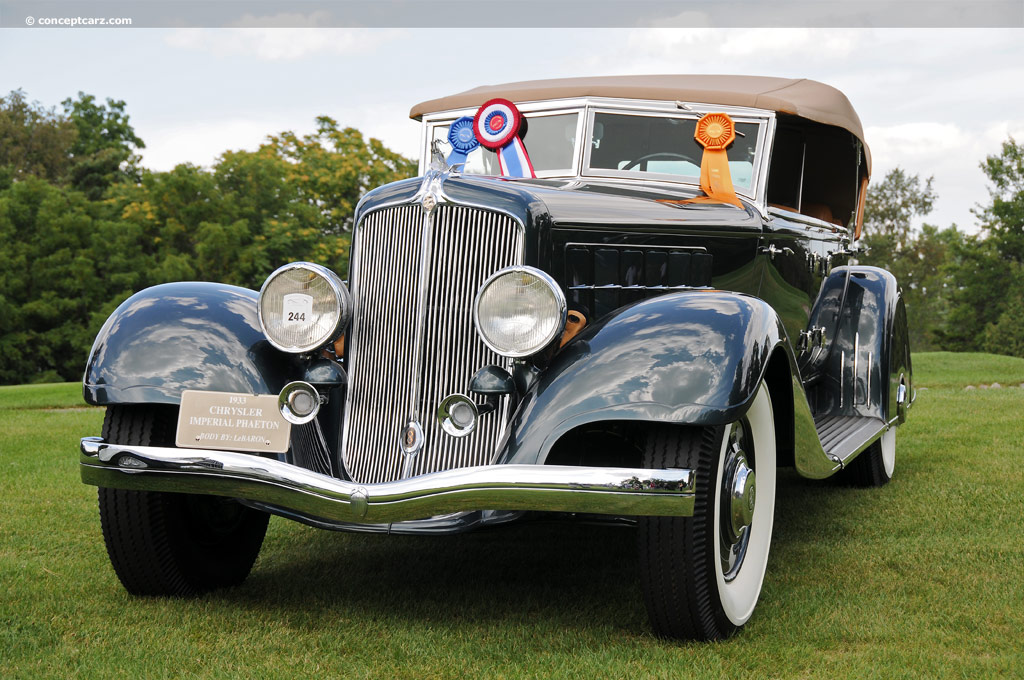
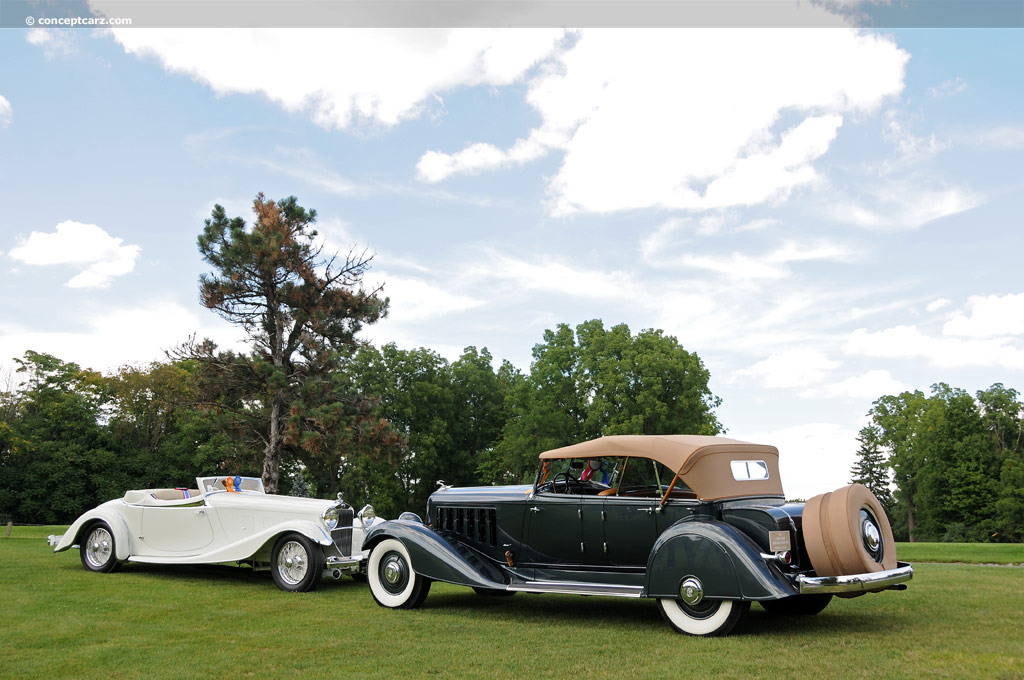
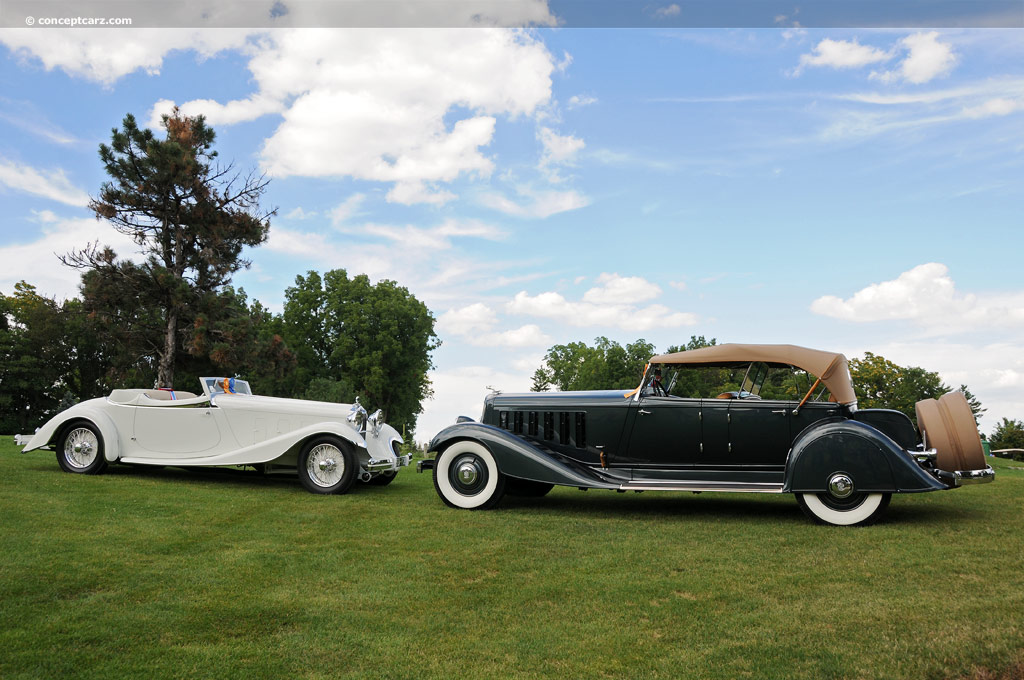
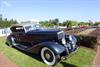
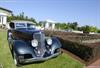
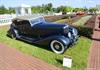
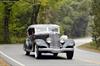
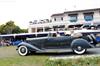
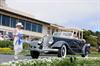
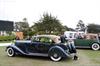
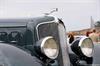
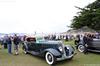
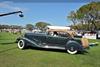
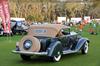
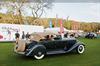
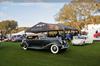
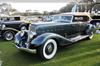
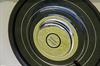
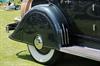
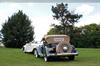
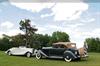
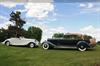
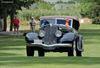
Chassis number 7803657 is believed to be the last example completed. It was built for Ralph Roberts as a gift for his wife. The car was given several unique features including dual rear-mounted spare tires, a painted radiator, and lower-mounted headlights.
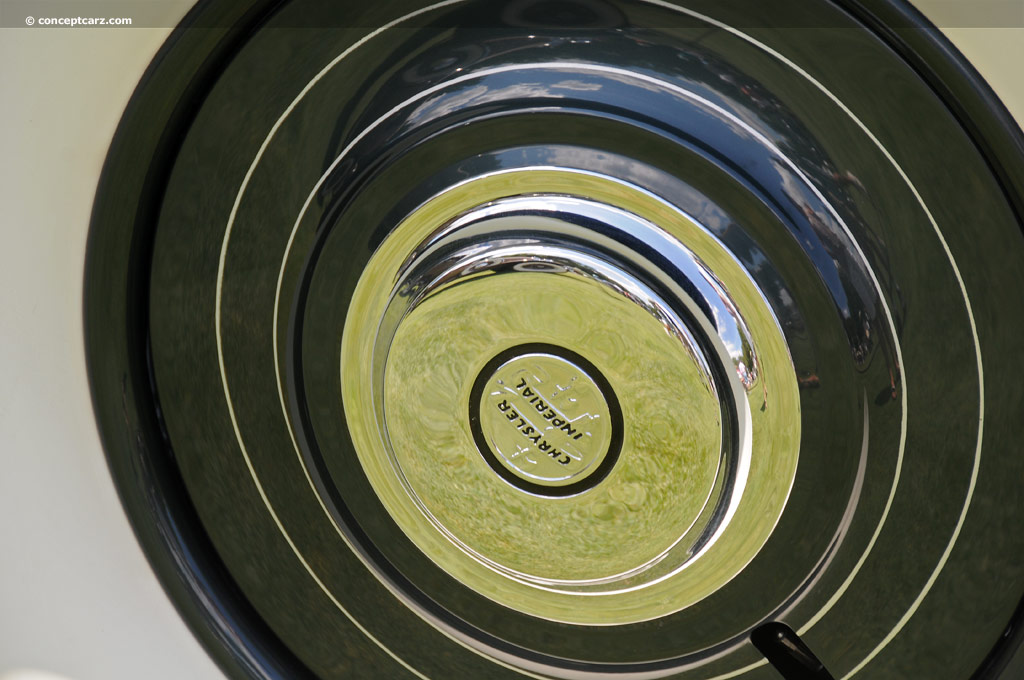
The car remained with the Roberts until the early 1940s. It was later purchased by Bob Harrison of San Francisco. At the time, it still wore its original paint and all the unique features. A few changes were made over the years by Mr. Harrison, including black paint and a stone guard. It remained in his care until 1960 when it was purchased by fellow San Franciscan Bob Burkholder. The new owner had the top removed and replaced it with a canvas tonneau cover. The fender skirts were removed along with the unique wheel discs.
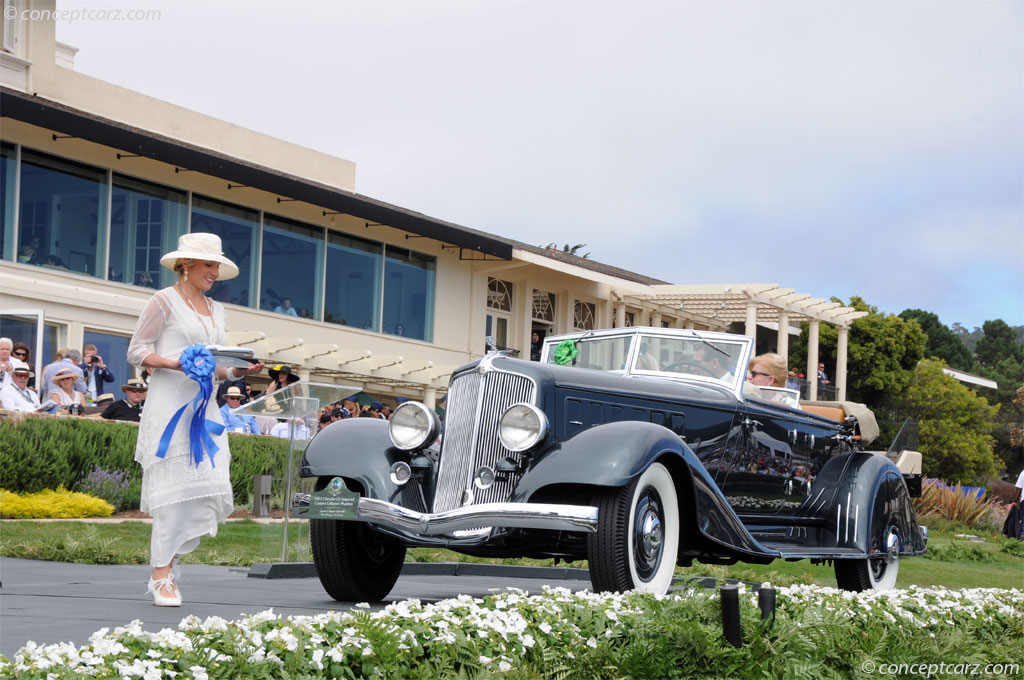
By the mid-1980s, the car was in the care of its seventh owner, Mr. Otis Chandler. Later owners included Joe Morgan in the early 1990s as well as Neil Wynn, who commissioned a complete restoration by Curt Austin, after which the car was awarded the Most Elegant Open award at Pebble Beach in the mid-1990s.
The car resided in another prominent collection before its acquisition by the Milhous Collection in 1998. Currently, the car is painted in its original Moon glow Polychromatic and the original Roberts-ordered features have been restored. The interior is upholstered in tan leather and furnished with a rear seat armrest. The floors have grey carpet, and the top is tan canvas, with a matching tire cover at the rear.
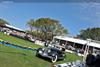
In 2012, the car was brought to auction. At the time, the car had fewer than 78,000 miles. RM Auctions was tasked with finding a new owner for the car. The car was estimated to sell for $750,000 - $1,000,000. As bidding came to a close, the car had been sold for $1,210,000 inclusive of the buyer's premium. A few months later, the new owner brought the car to Concours d'Elegance of America at St. John's where it was awarded Best of Show.By Daniel Vaughan | Jul 2012
The Series CG Imperial was succeeded by a new Series CH line in 1932. These came with a double-drop frame, vee-type windshield, and Floating Power. A long-wheelbase version was available and dubbed the CL Custom Imperial. The CL line was distinguished by a longer hood, extending from the radiator shell back to the base of the windshield. The catalog for the CL line listed six body styles, three of which were by LeBaron, and a handful of individual customs for specific customers.
At the 1931 Paris Auto Show, Ralph Roberts was inspired by a design he saw and commissioned a Lincoln to be built in a similar fashion. Edsel Ford was not impressed by Lincoln's experimental hood, but Walter Chrysler did and ordered it adopted for the new CL.
In 1932, the Chrysler CL's original dual cowl phaeton was replaced by what many call a sport phaeton with a crank-up rear screen, housed in the back of the front seat. In 1933, the CL received very few changes.
LeBaron Carrossiers, Inc.
The LeBaron coach-building firm was formed in New York City in 1920 by Raymond Dietrich and Thomas Hibbard. Their first project was a drawing of a seven-passenger limousine for the New York branch manager for Packard. The task of building the body was handled by Fleetwood. The customer was so impressed and satisfied with the design, that soon referrals began to come in.
Within a short time of the company's inception, Ralph Roberts (a recent Dartmouth graduate) was hired by the LeBaron company as a partner. Soon, the company was designing bodies for chassis supplied by New York dealers for Rolls-Royce, Mercedes-Benz, Minerva, Fiat, Hispano-Suiza, Packard, Cadillac, and Pierce-Arrow (and others).
In 1923, Hibbard left for Europe, where he associated with Howard 'Dutch' Darrin in Hibbard & Darrin. Before the close of the year, the remaining partners of LeBaron were approached by the Bridgeport Body Company of Bridgeport, Connecticut to become design partners, in exchange for stock.
After a favorable meeting between Dietrich and Edsel Ford at the New York Auto Show, the LeBaron Company received a large order from the Lincoln marque. Soon, Lincoln had become LeBaron's best customer. Pleased with the work, Edsel tried to get Dietrich and Roberts to relocate to Detroit. Dietrich was persuaded by the very generous offer and moved to Michigan. Roberts and Stickney, however, remained at Bridgeport. In 1927, Walter Briggs of Briggs Body Company in Detroit approached Roberts with a buyout offer. This time, Roberts accepted the offer and departed for Detroit, where he and LeBaron became an in-house design studio for Briggs.
The Briggs Company was a major body supplier for the newly formed Chrysler Corporation. The recent purchase of LeBaron allowed Briggs an opportunity to provide an upscale series of designs.
In 1953, Chrysler bought out Briggs and the LeBaron name was part of the purchase. The name has been used by Chrysler on certain prestige models ever since.
Chrysler Custom Imperial Five-Passenger Phaeton
Chassis number 7803657 is believed to be the last example completed. It was built for Ralph Roberts as a gift for his wife. The car was given several unique features including dual rear-mounted spare tires, a painted radiator, and lower-mounted headlights.
The car remained with the Roberts until the early 1940s. It was later purchased by Bob Harrison of San Francisco. At the time, it still wore its original paint and all the unique features. A few changes were made over the years by Mr. Harrison, including black paint and a stone guard. It remained in his care until 1960 when it was purchased by fellow San Franciscan Bob Burkholder. The new owner had the top removed and replaced it with a canvas tonneau cover. The fender skirts were removed along with the unique wheel discs.
By the mid-1980s, the car was in the care of its seventh owner, Mr. Otis Chandler. Later owners included Joe Morgan in the early 1990s as well as Neil Wynn, who commissioned a complete restoration by Curt Austin, after which the car was awarded the Most Elegant Open award at Pebble Beach in the mid-1990s.
The car resided in another prominent collection before its acquisition by the Milhous Collection in 1998. Currently, the car is painted in its original Moon glow Polychromatic and the original Roberts-ordered features have been restored. The interior is upholstered in tan leather and furnished with a rear seat armrest. The floors have grey carpet, and the top is tan canvas, with a matching tire cover at the rear.
In 2012, the car was brought to auction. At the time, the car had fewer than 78,000 miles. RM Auctions was tasked with finding a new owner for the car. The car was estimated to sell for $750,000 - $1,000,000. As bidding came to a close, the car had been sold for $1,210,000 inclusive of the buyer's premium. A few months later, the new owner brought the car to Concours d'Elegance of America at St. John's where it was awarded Best of Show.By Daniel Vaughan | Jul 2012
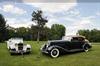
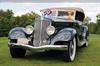
Chrysler introduced their Imperial model in July of 1930. Built on a 145-inch wheelbase it was powered by their largest, 384.8 cubic-inch straight-8 engine, which developed 125 horsepower. The standard CL Imperial line was offered with six body styles as well as a handful of individual customs for specific customers. These included a roadster, a coupe, a convertible coupe, and this custom phaeton, all built by LeBaron. This long-wheelbase version was dubbed the CL Imperial Custom and was distinguished by a longer hood, extending from the radiator shell back to the base of the windshield. Ralph Roberts, a partner at LeBaron, had been inspired by a design he saw at the 1931 Paris Auto Salon, and commissioned a Lincoln to be built in a similar fashion. After that, Walter Chrysler ordered it to be adopted for the new CL.
2012 RM - Milhous Collection, Fla
Pre-Auction Estimates :
USD $750,000-USD $1,000,000
Sale Price :
USD $1,210,000
1933 Chrysler CL Custom Imperial Auction Sales
Recent Sales of the Chrysler CL Custom Imperial
(Data based on Model Year 1933 sales)
| 1933 CHRYSLER CL IMPERIAL CUSTOM PHAETON Chassis#: 7803667 Sold for USD$775,000 2023 Gooding & Company : Pebble Beach |   |
| 1933 Chrysler CL Imperial Convertible Roadster by LeBaron Sold for USD$698,000 2022 RM Sothebys : Monterey |   |
| 1933 Chrysler CL Imperial Dual-Windshield Phaeton by LeBaron Sold for USD$192,500 2019 RM Auctions : Auburn Fall | |
| 1933 Chrysler CL Custom Imperial Sedan Sold for USD$64,400 2019 Bonhams : Quail Lodge Auction | |
| 1933 Chrysler CL Imperial Dual-Windshield Phaeton 'Ralph Roberts' by LeBaron Chassis#: CL 1357 Sold for USD$1,300,000 2017 RM Sotheby's : Arizona Auction | |
| 1933 Chrysler CL Imperial Dual-Windshield Phaeton by LeBaron Chassis#: 7803613 Sold for USD$258,500 2017 RM Sotheby's : Arizona Auction |   |
| 1933 Chrysler CL Imperial Dual-Windshield Phaeton by LeBaron Chassis#: 7803597 Sold for USD$357,500 2015 RM Sotheby's : Amelia Island |   |
| 1933 Chrysler CL Imperial Dual-Windshield Phaeton by LeBaron Chassis#: 7803651 Sold for USD$522,500 2014 RM Auctions - Hershey |   |
| 1933 CHRYSLER IMPERIAL CONVERTIBLE Chassis#: 7531781 Sold for USD$130,000 2014 Mecum - Monterey | |
| 1933 Chrysler CL Imperial Convertible Roadster by LeBaron Chassis#: 7803565 Sold for USD$704,000 2013 RM Auction - Hershey | |
| 1933 Chrysler Imperial CL Convertible Roadster by LeBaron Chassis#: 7803578 Sold for USD$572,000 2013 RM Auctions - Arizona | |
| 1933 Chrysler CL Phaeton Sold for USD$341,000 2012 Auctions America - Ft Lauderdale, Fl | |
| 1933 Chrysler Custom Imperial Five-Passenger Phaeton Chassis#: 7803657 Sold for USD$1,210,000 2012 RM - Milhous Collection, Fla |   |
| 1933 Chrysler CL Imperial Custom Dual Windshield Phaeton by LeBaron Chassis#: 7803667 Sold for USD$500,500 2011 RM Auctions at Monterey | |
| 1933 Chrysler CL Imperial Dual Cowl Phaeton by LeBaron Chassis#: 7803651 Sold for USD$352,000 2011 RM Auctions - Automobiles of Amelia Island | |
| 1933 Chrysler CL Imperial Dual Windshield Sport Phaeton Chassis#: 7083603 Sold for USD$341,000 2010 RM Auctions - Sports & Classics of Monterey | |
| 1933 CHRYSLER IMPERIAL 4 DOOR SEDAN Sold for USD$137,500 2010 Barrett-Jackson - Scottsdale 2010 | |
| 1933 Chrysler CL Custom Imperial Dual Windshield Phaeton Chassis#: 7803651 Sold for USD$385,000 2010 RM Auctions - Automobiles of Arizona | |
| 1933 Chrysler CL Custom Imperial Chassis#: 7803666 Sold for USD$319,000 2009 Vintage Motor Cars of Meadow Brook |   |
| 1933 Chrysler Custom Imperial Series CL Dual Windshield Phaeton Chassis#: CL 1349 Sold for USD$297,000 2009 Pebble Beach Auction : Gooding & Company |
Chrysler CL Custom Imperials That Failed To Sell At Auction
1933 Chrysler CL Custom Imperial's that have appeared at auction but did not sell.
| Vehicle | Chassis | Event | High Bid | Est. Low | Est. High |
|---|---|---|---|---|---|
| 1933 Chrysler Imperial Model CL Dual Cowl Phaeton | 7803639 | 2023 Bonhams : Amelia Island Auction | $375,000 | $450,000 | |
| 1933 CHRYSLER IMPERIAL MODEL CL DUAL COWL PHAETON | 7803639 | 2021 Bonhams : Amelia Island Auction | $550,000 | $675,000 | |
| 1933 Chrysler CL Imperial Dual-Windshield Phaeton by LeBaron | 7803651 | 2019 RM Sothebys : Amelia Island | $400,000 | $475,000 | |
| 1933 Chrysler CL Imperial Dual-Windshield Phaeton by LeBaron | CL 1313 | 2018 RM Sothebys : Monterey | $250,000 | $300,000 | |
| 1933 Chrysler CL Imperial Dual-Windshield Phaeton by LeBaron | 7803613 | 2017 RM Sothebys : Hershey | $300,000 | $375,000 | |
| 1933 CHRYSLER IMPERIAL MODEL CL DUAL COWL PHAETON Coachwork by LeBaron | 7803639 | 2016 Bonhams : The Amelia Island Auction | $750,000 | $950,000 | |
| 1933 Chrysler Custom Imperial CL Convertible Coupe | 7803577 | 2010 Gooding and Company : The Amelia Island Auction | $500,000 | $600,000 | |
| 1933 Chrysler Custom Imperial CL Convertible Coupe | 7803577 | 2009 Pebble Beach Auction : Gooding & Company | $550,000 | $650,000 |
Vehicles With Comparable Market Values
Similar sales to the $421,467 range.
| 1960 ALFA ROMEO GIULIETTA SZ Coachwork by Zagato Chassis#:AR10126.00153 Sold for $417,500 2024 Gooding : Amelia Island Concours | |
| 1992 PORSCHE 964 TURBO 3.3 X33 PACKAGE Chassis#:WP0ZZZ96ZNS470746 Sold for $423,000 2024 Gooding : Amelia Island Concours | |
| 2010 Porsche 911 Sport Classic Chassis#:WP0ZZZ99ZAS794268 Sold for $420,645 2024 RM Sothebys : Paris | |
| 1963 Ferrari 250 GTE 2+2 Series III by Pininfarina Chassis#:4689 Sold for $420,645 2024 RM Sothebys : Paris | |
| 1934 Packard Twelve Coupe Roadster Chassis#:901634 Sold for $417,500 2024 RM Sothebys : Arizona | |
| 1970 PLYMOUTH HEMI SUPERBIRD Chassis#:RM23R0A162316 Sold for $423,500 2024 Barrett-Jackson : Scottsdale AZ | |
| 2021 Mercedes-Benz AMG GT Black Series Chassis#:w1kyj8ba2ma041661 Sold for $418,000 2024 Mecum : Kissimmee | |
| 2008 Porsche 911 GT2 Chassis#:WP0AD29918S796280 Sold for $417,500 2023 RM Sothebys : The White Collection | |
| 2018 Porsche 911 Turbo S Exclusive Series Coupe Chassis#:WP0AD2A97JS156690 Sold for $423,000 2023 RM Sothebys : The White Collection | |
| 1989 Mercedes-Benz 560 SEC AMG 6.0 'Wide-Body' Chassis#:WDB1260451A507821 Sold for $417,500 2023 RM Sothebys : Las Vegas | |
| 1963 Aston Martin DB5 'Project' Chassis#:DB5/1316/R Sold for $423,934 2023 RM Sothebys : London | |
| 1927 Bugatti Type 40 'Grand Sport' Roadster Chassis#:40347 Sold for $425,432 2023 Bonhams : The Zoute Sale | |
| 2005 FORD GT Chassis#:1FAFP90S35Y401598 Sold for $418,000 2023 Barrett-Jackson : New Orleans | |
| 1930 Packard 'Model 734 Speedster' Runabout Chassis#:184098 Sold for $417,500 2023 Bonhams : Quail |   |
| 1972 FERRARI DINO 246 GT Chassis#:03656 Sold for $423,000 2023 Gooding & Company : Pebble Beach |   |
| 1996 Porsche 911 Carrera RS Chassis#:WP0ZZZ99ZTS390495 Sold for $417,500 2023 Broad Arrow : Monterey Jet Center | |
| 1958 Porsche 356 A Speedster by Reutter Chassis#:84068 Sold for $423,000 2023 RM Sothebys : Monterey |   |
| 1965 24 Hours of Le Mans Starter Flag Sold for $425,660 2023 RM Sothebys : Le Mans | |
| 1952 Jaguar XK 120 Roadster Chassis#:672282 Sold for $419,283 2023 RM Sothebys : Villa Erba | |
| 2017 Dodge Viper ACR VoooDoo II Edition Chassis#:1C3BDEDZ9HV500163 Sold for $417,500 2023 RM Sothebys : Amelia Island |  |
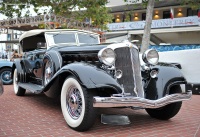
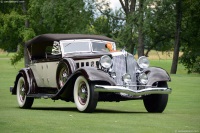
1933 Chrysler CL Custom Imperial
• Additional valuation insight and sales data• History
• Specifications
• Image gallery
• Other Chrysler CL Custom Imperial model years
1933 Chrysler CL Custom Imperial Vehicle Profiles


Phaeton
Coachwork: LeBaron

Roadster
Coachwork: LeBaron

Close-Coupled Sedan
Coachwork: LeBaron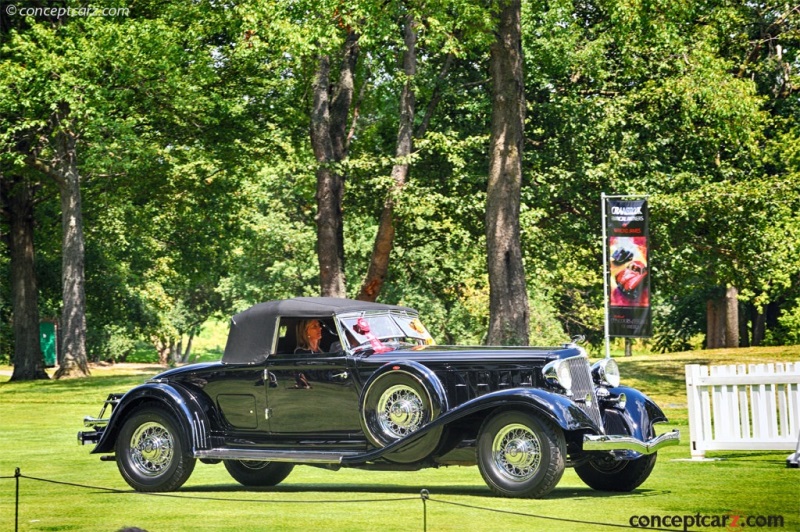
Roadster
Coachwork: LeBaron
Roadster
Coachwork: LeBaron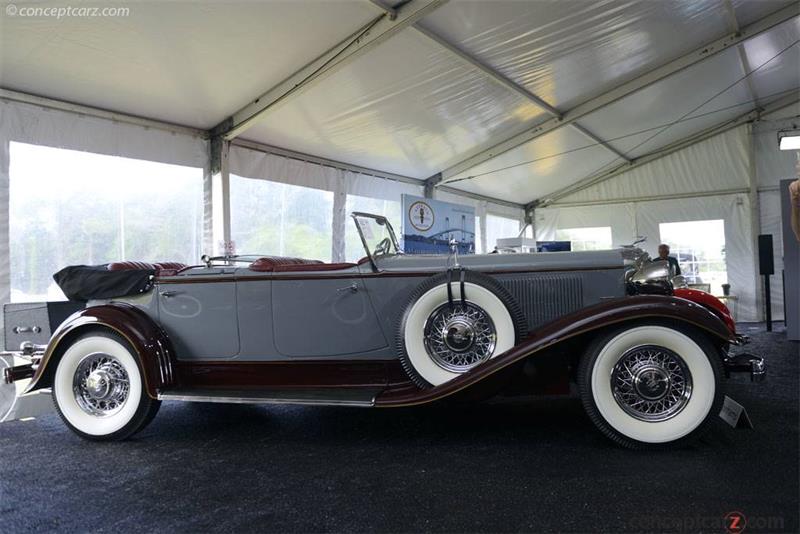
Phaeton
Coachwork: LeBaron

Phaeton
Coachwork: LeBaron
Phaeton
Coachwork: LeBaron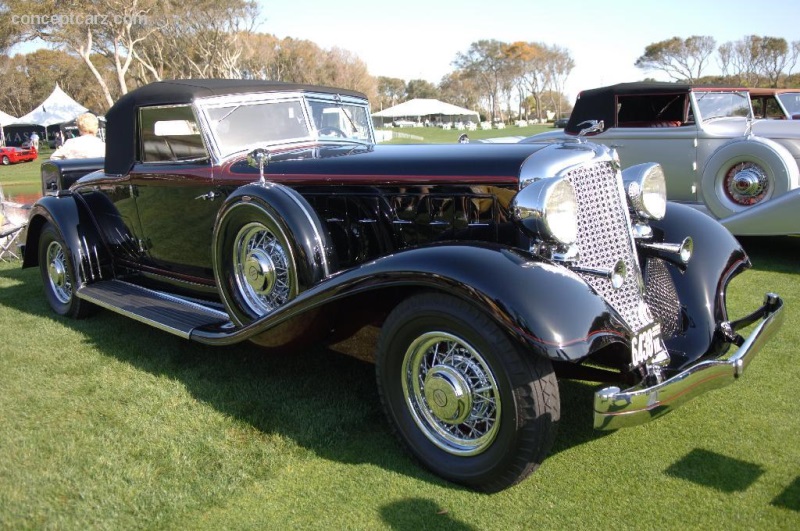
Roadster
Coachwork: LeBaron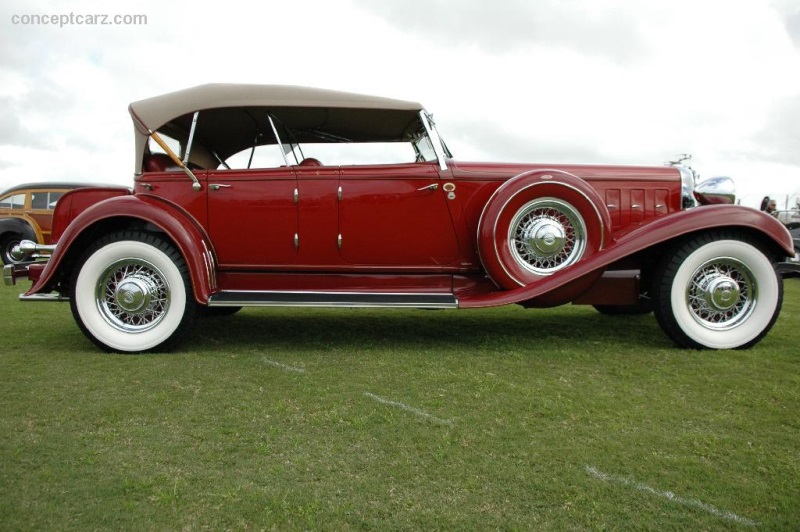
Phaeton
Coachwork: LeBaron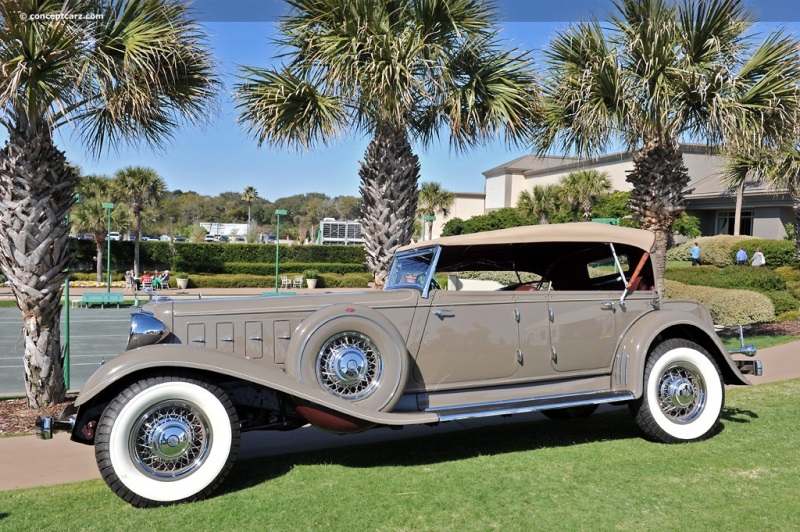

Phaeton
Coachwork: LeBaron


Roadster
Coachwork: LeBaron
