




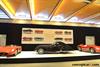
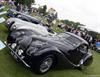
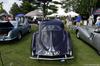
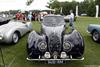
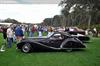
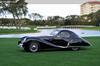
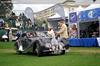
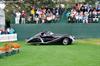
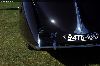
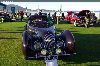

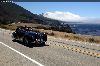



Image credit: © conceptcarz.com (Reproduction Or reuse prohibited). Talbot-Lago.
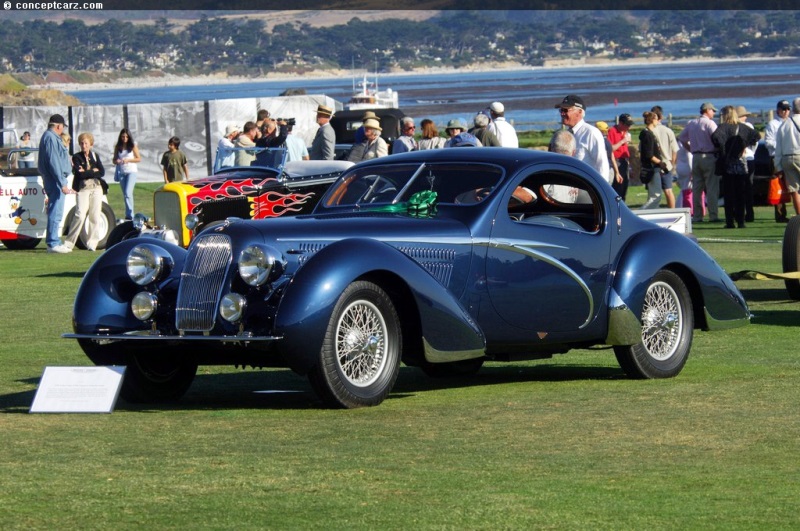
The first Talbot-Lago T 150 C SS wearing Josephy Figoni (of Figoni & Falaschi) streamlined coupe coachwork was unveiled in 1937 at the Paris Salon. The press described it as goute d'eau, meaning a drop of water (teardrop), in reference to its curvaceous styling and aerodynamic stance. The post-war Jaguars, particularly the XK120, would incorporate similarly inspired rounded and sweeping lines, particularly in the oval grille, hood, and fenders. One of the 'Eight Great Automobiles' displayed New York Museum of Modern Art in 1951 was a Figoni & Falaschi-bodied Talbot-Lago T23 goutte d'eau coupe.
Antonio Lago was trained as an engineer at Milan Polytechnic, became a Major in the Italian army during the Great War, and later worked for Isotta Fraschini, where he became its representative in England in the 1920s. He later worked as a technical director at L.A.P. Engineering, then to Wilson Self-Changing Gear Co., to join another major, W.G. Wilson, in developing the preselecting epicyclic gearbox. He eventually joined STD and, when closing the French Talbot factory at Suresnes was being planned, convinced STD management to let him try to resuscitate it. Struggling at first, he found the necessary funding to acquire Talbot with backing from Roots after it acquired STD in 1934. Displaying his commitment to the company and its products, he quickly affixed his own name to the Talbot marque.
During this time, the world was struggling with the Great Depression which meant many families did not have the funds necessary to buy an automobile. Despite this, Lago's plan to resurrect the company was to focus on racing and building more sporting cars. Although both of these endeavors were frivolous, he timed the market perfectly, introducing the product during a time of economic recovery, as the world was just beginning to emerge from the Depression. The lightweight and sporty cars that carried the Talbot-Lago banner in motorsport competitions were very successful, helping to boost the publicity of the brand, providing feedback for future development, and helping to increase sales.
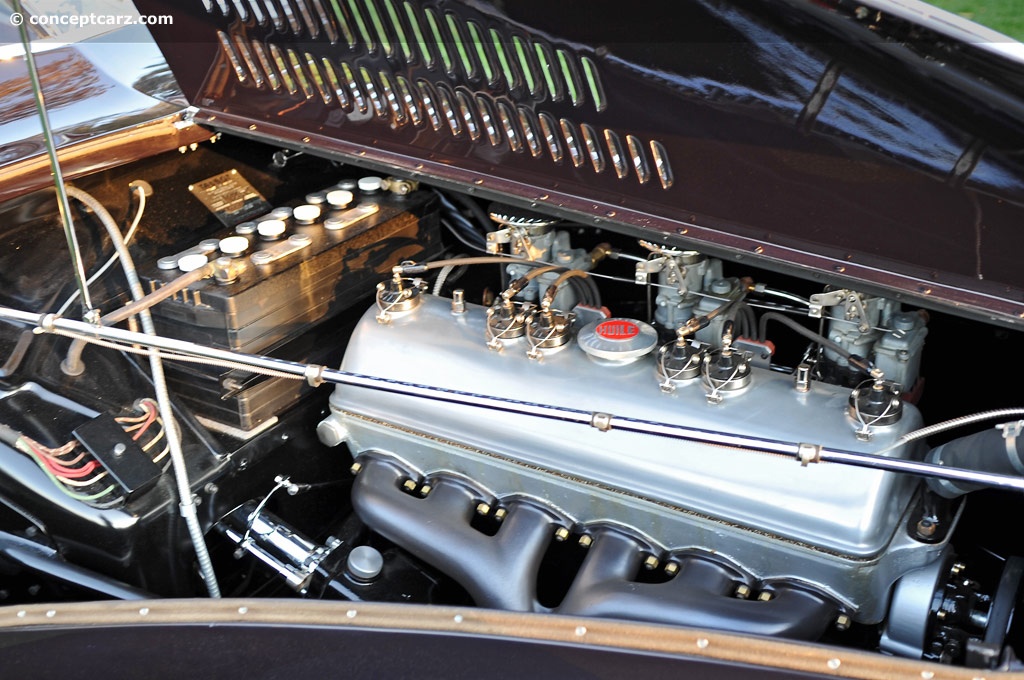
Walter Becchia had been tasked to redesign Talbot's engines with Hemispherical combustion chambers and overhead valves operated via a single overhead valve operated from a single camshaft with pushrods and rocket arms. This improved the existing engine's breathing issues and reduced development costs by not requiring a complete redesign.
When the Automobile Club of France announced its decision to host the French Grand Prix for sports cars in 1935, Talbot-Lago responded with the creation of the 4-lite T150 C. Thus, it began its existence as a per racing car with the 'C' in its name representing 'Corse.' With additional tuning by Lucien Girard, output in racing guise was 155 horsepower with healthy torque across a broad rev range and impressive fuel economy. During its racing career, the T150 C won the Tunis Grand Prix, took the top two positions in the Tourist Trophy, and all three of the top places in the 1937 French Grand Prix. Jean Prenant and Andre Morel drove a T150 C SS at the 1938 24 Hours of Le Mans where they finished third place in one of four Talbot-Lagos entered in the Sarthe classic by Luigi Chinetti (Talbot-Lago's agent in Paris). The Prenant/Morel car was a goutte d'eau coupe with coachwork by Figoni & Falaschi.
Equally impressive as the engine was the T150 C's chassis designed by Chief Engineer Vincenzo Bertarione and Becchia. The front was independent via transverse leaf springs while the live rear axle used semi-elliptical leaf springs.
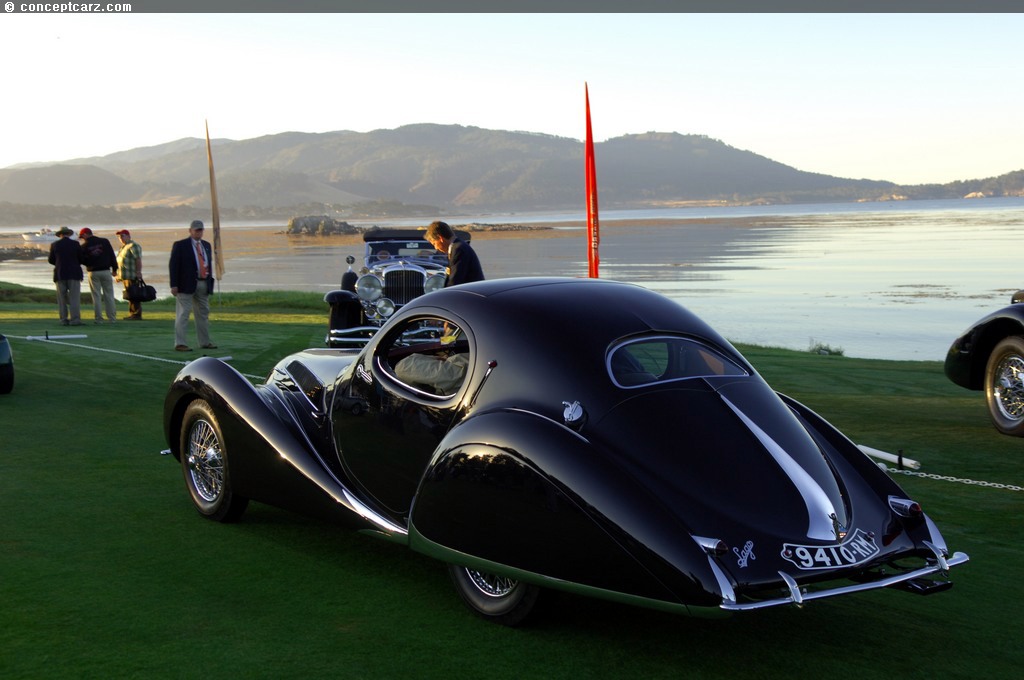
A total of sixteen Talbot-Lago T150 C chassis were clothed by Figoni & Falschi in the goutte d'eau coupe style and all received the teardrop fenders, flush door handles, sloping fastback, steeply raked windshield, and chrome accents. Five were subtly notchbacked, known today as the 'Jeancart' style after the buyer of the first example. With one exception, the remaining eleven rode atop the short-chassis T150 C SS platform and are known today as the Model New York style (Figoni & Falschi's style number 9220.) The first example was sold to Freddy McEvoy (who acted as the agent for Figoni & Falaschi and Talbot-Lago in several Teardrop sales) and debuted at the New York Auto Show in 1937.
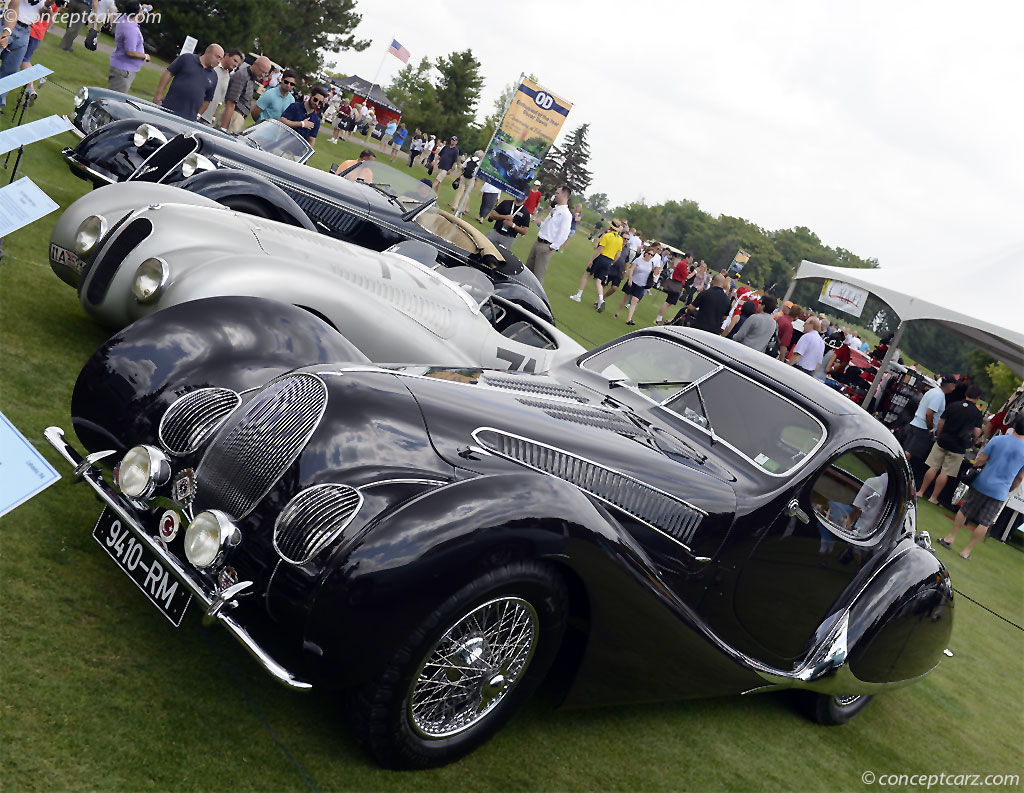
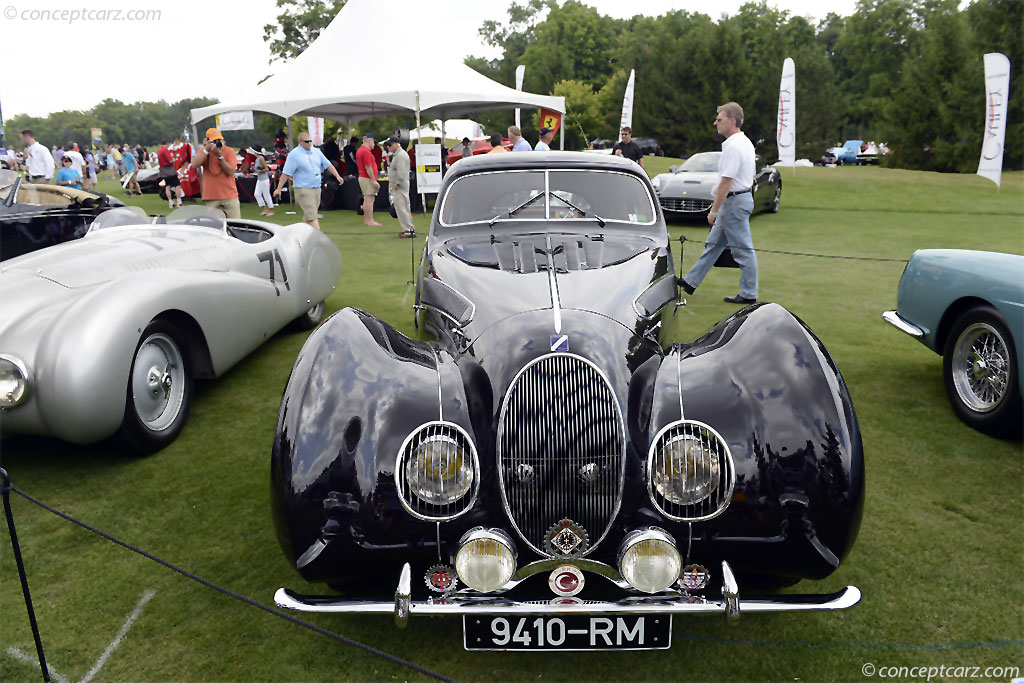
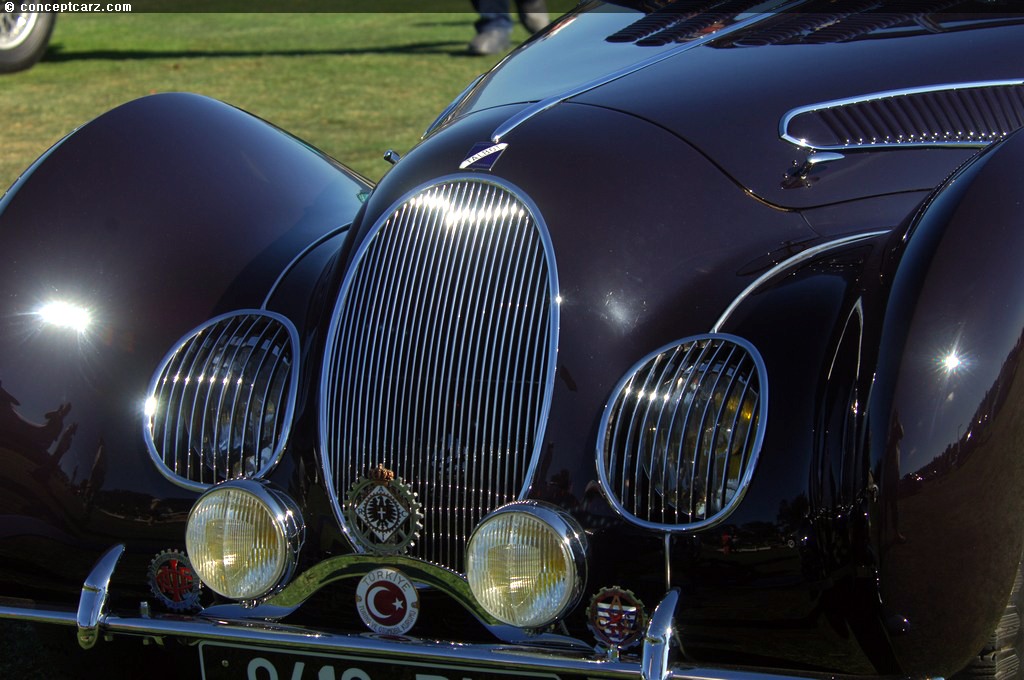
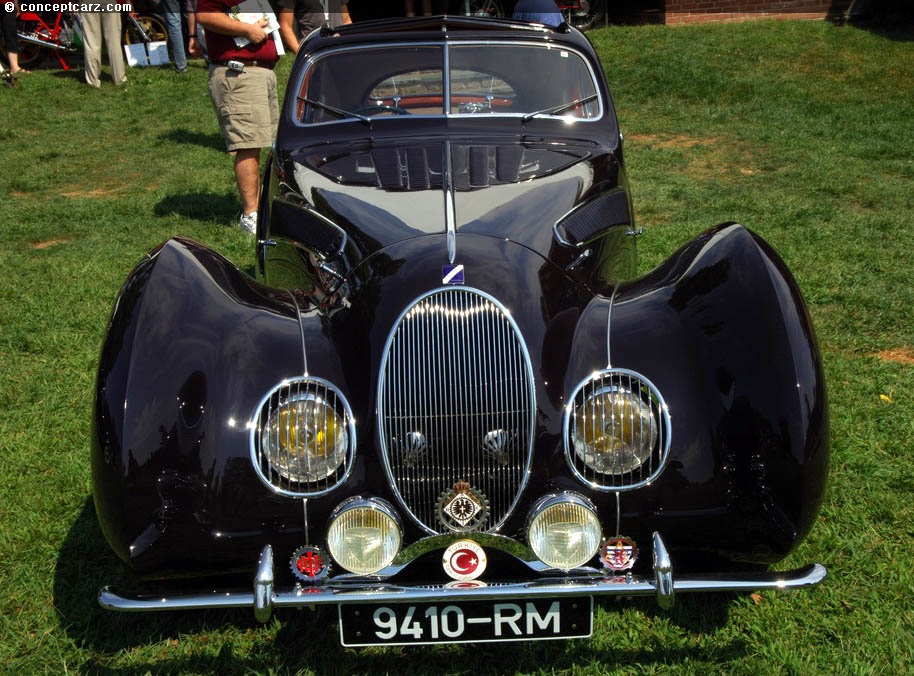
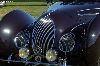
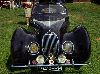
Although each of the 'Model New York' examples was subtly different in detail, they were characterized by a radiator shrouded in a rounded, streamlined shell, and a vertical oval grille.
Additional marques which received the goutte d'eau style of coachwork included Bugatti, Peugeot, Delage, Delahaye, and Bentley.
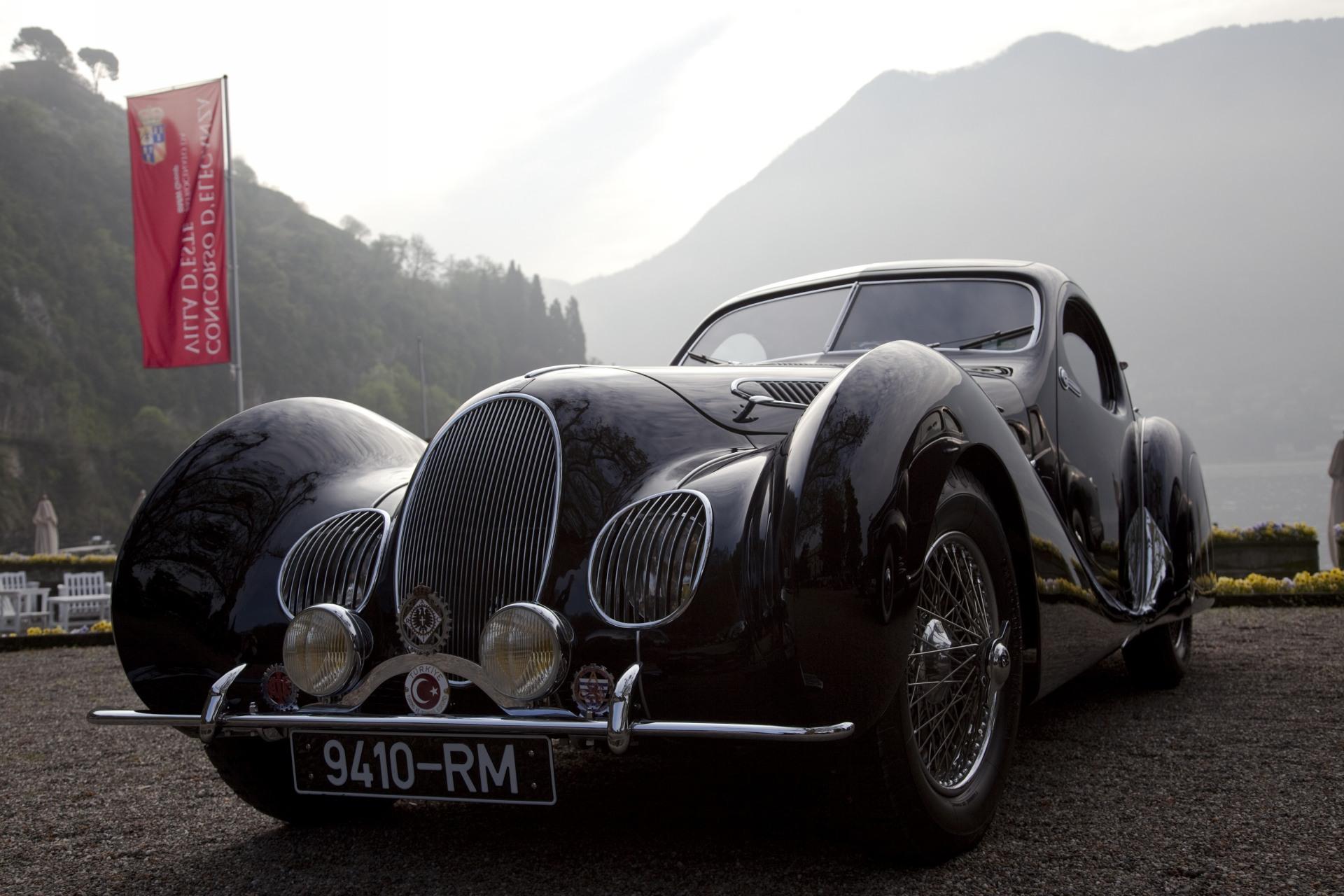
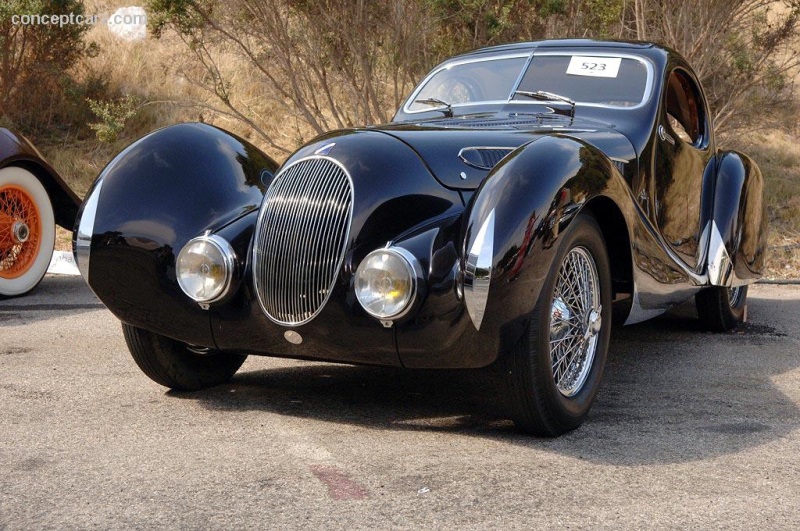
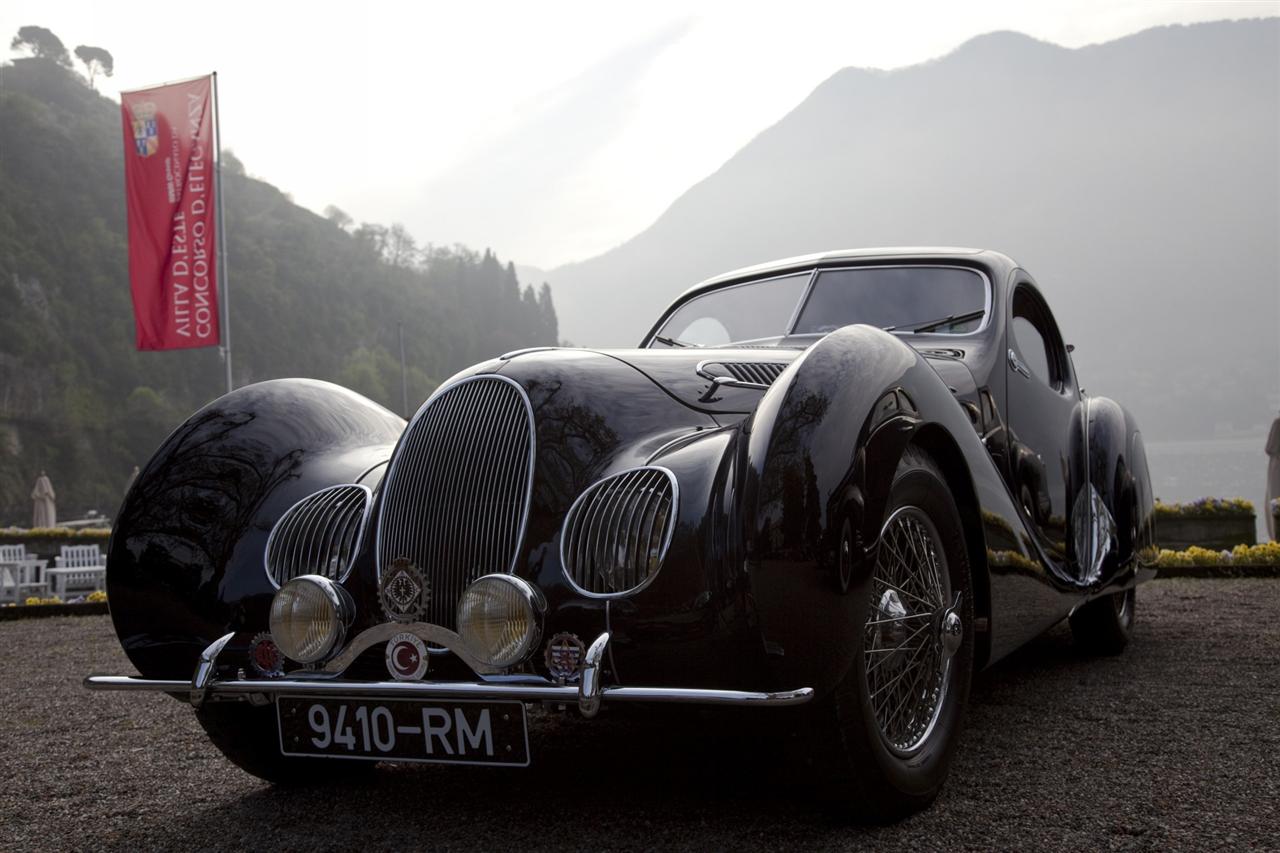
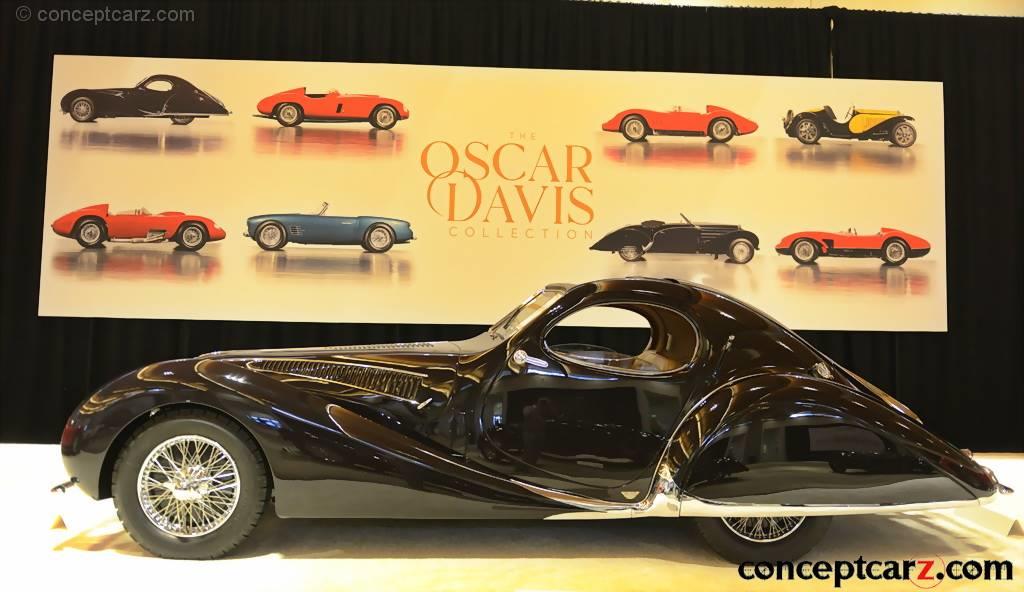
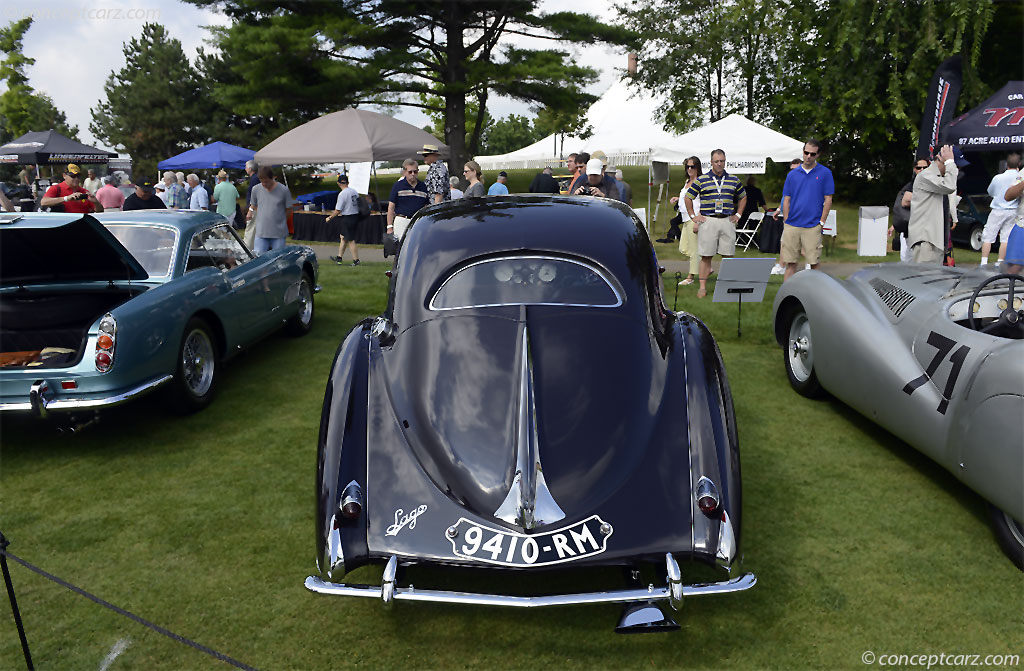
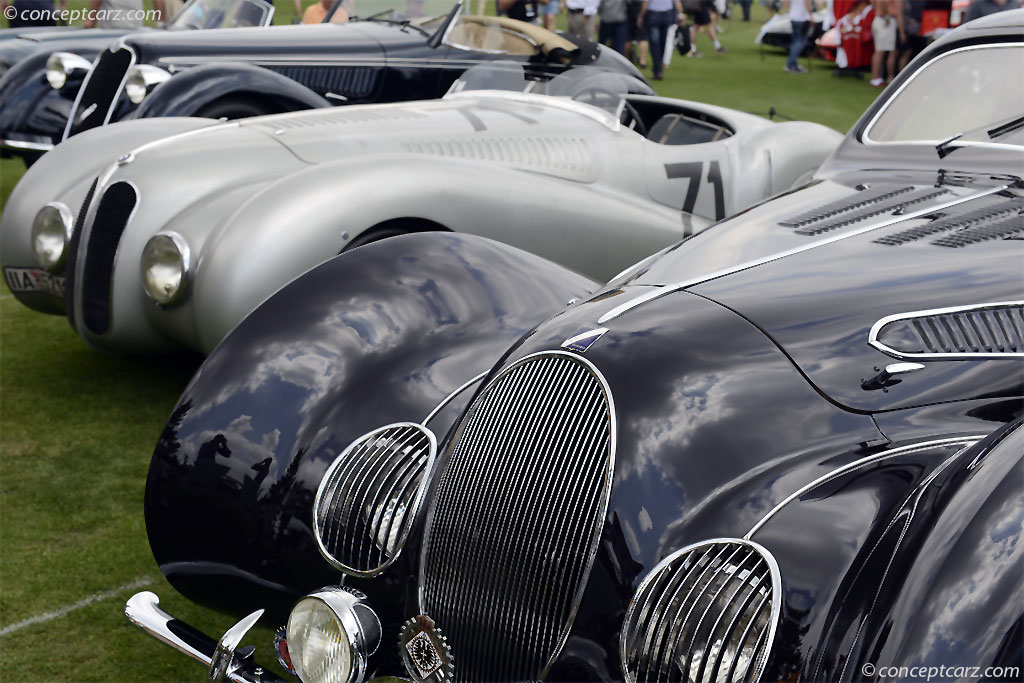
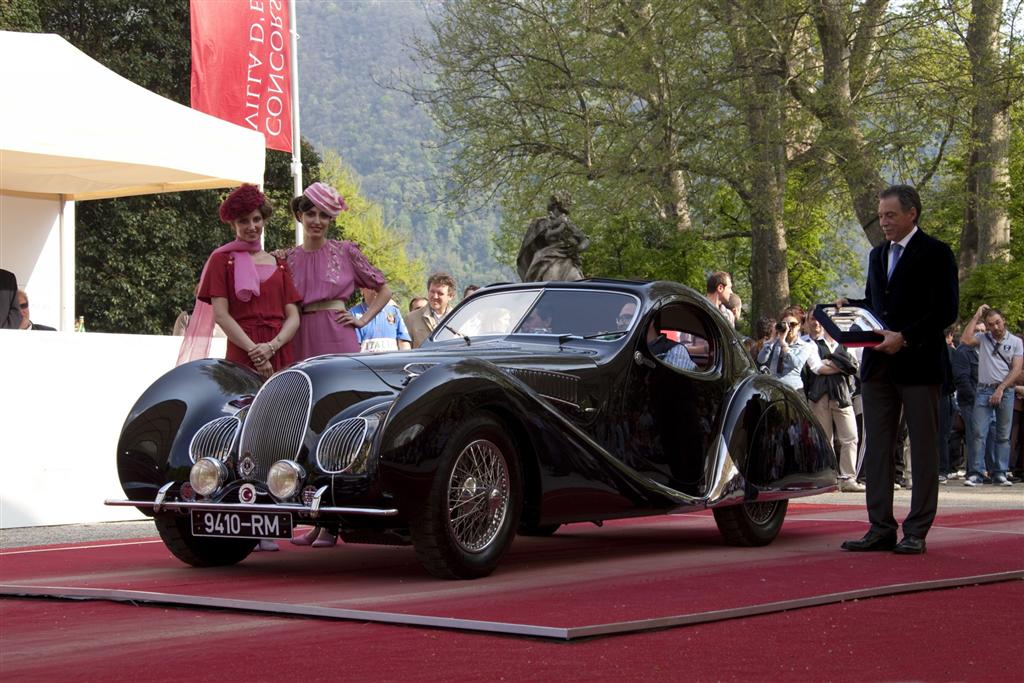
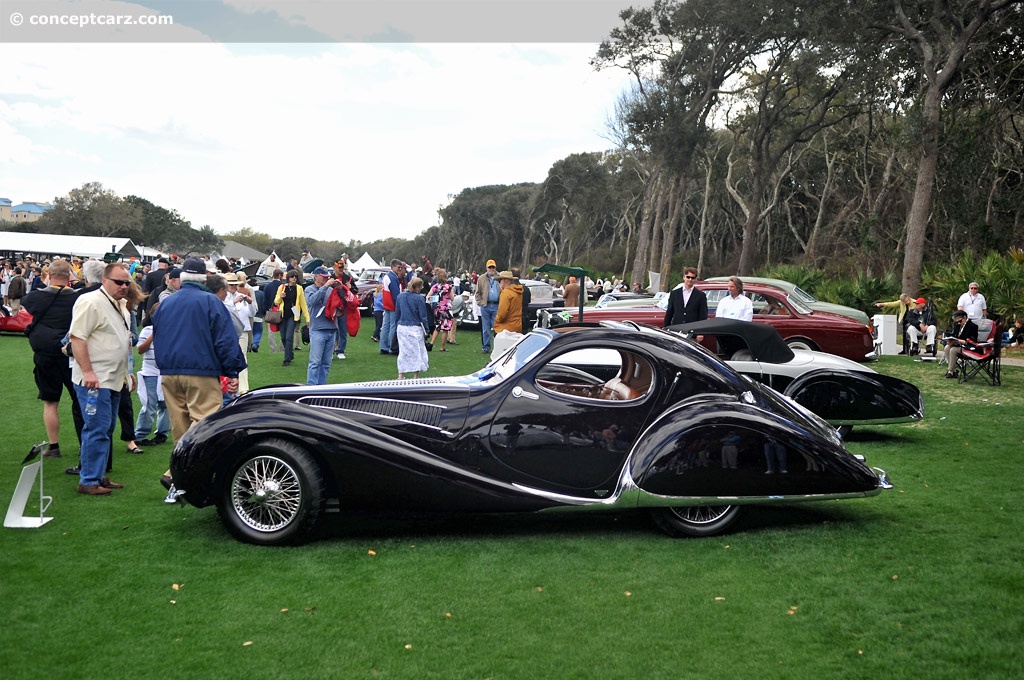
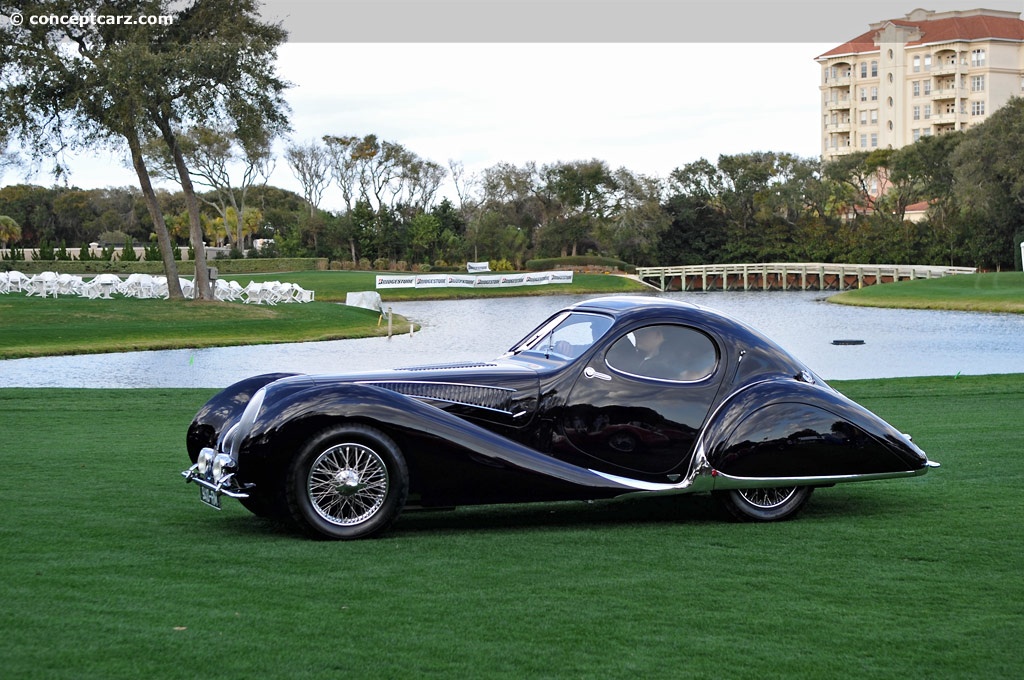
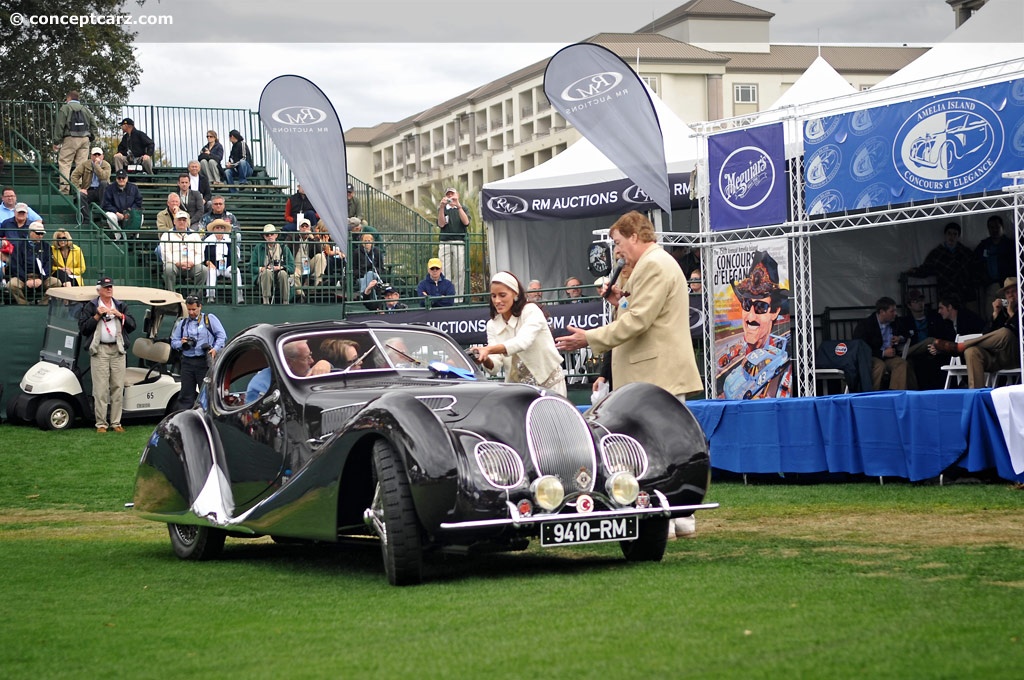
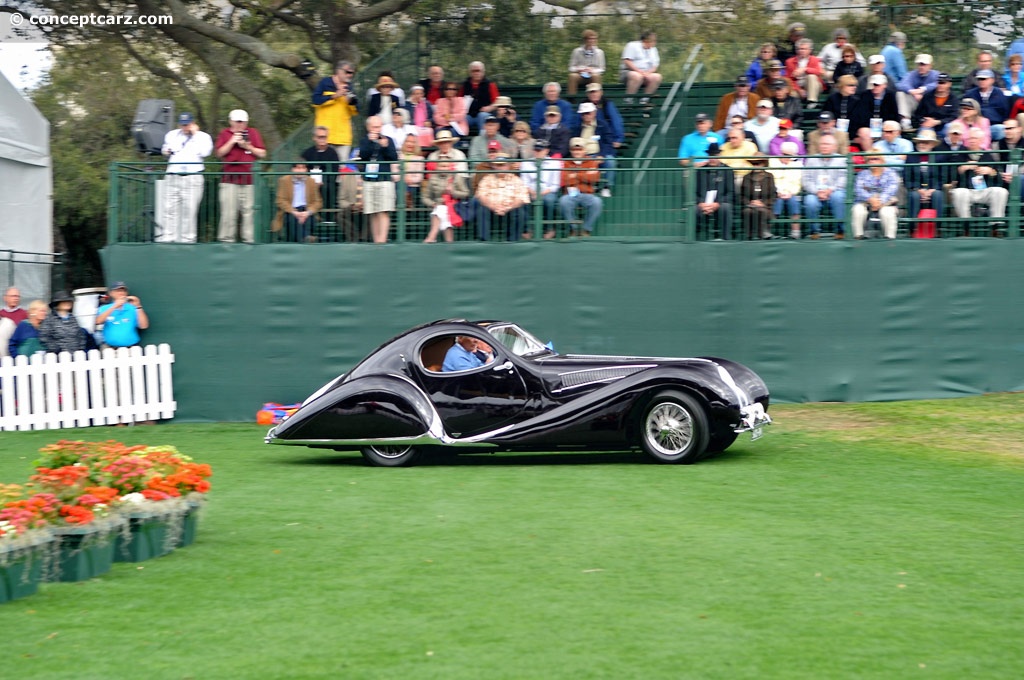
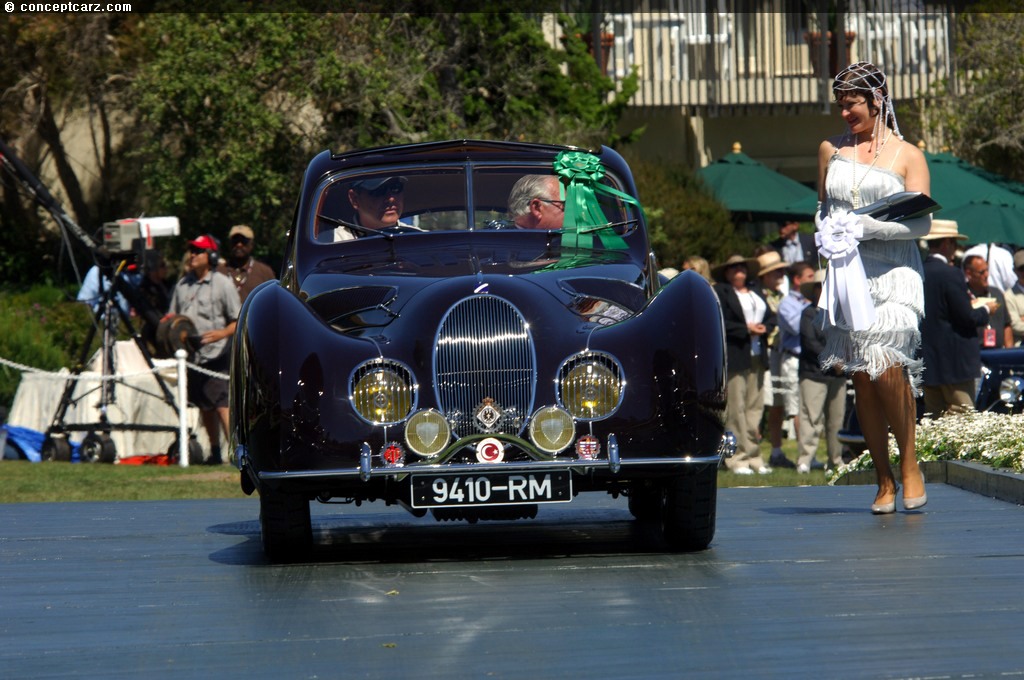
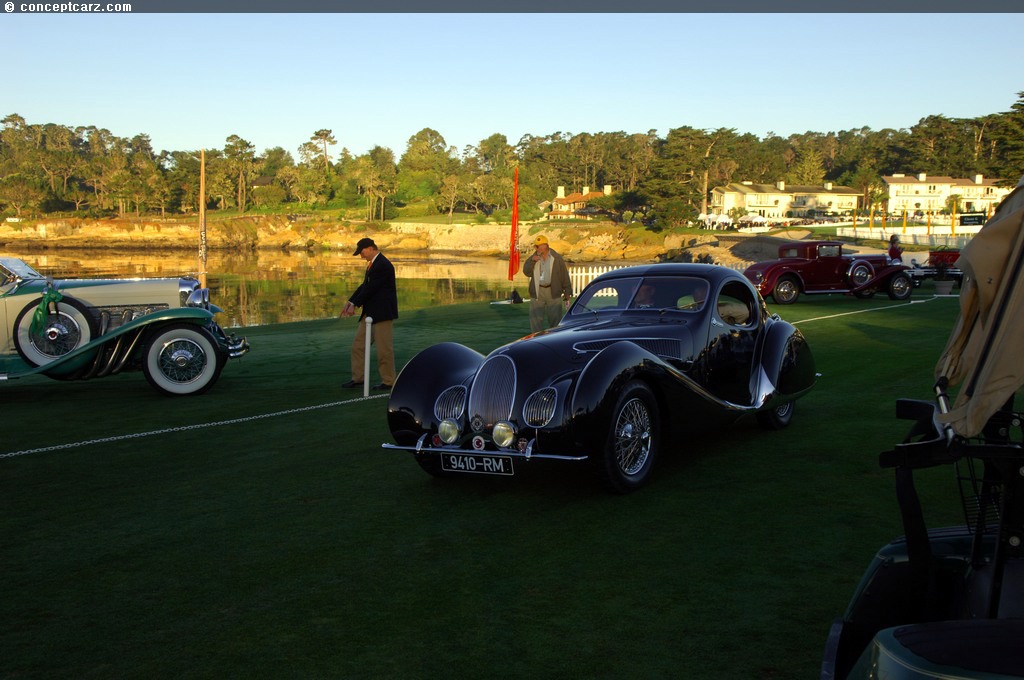
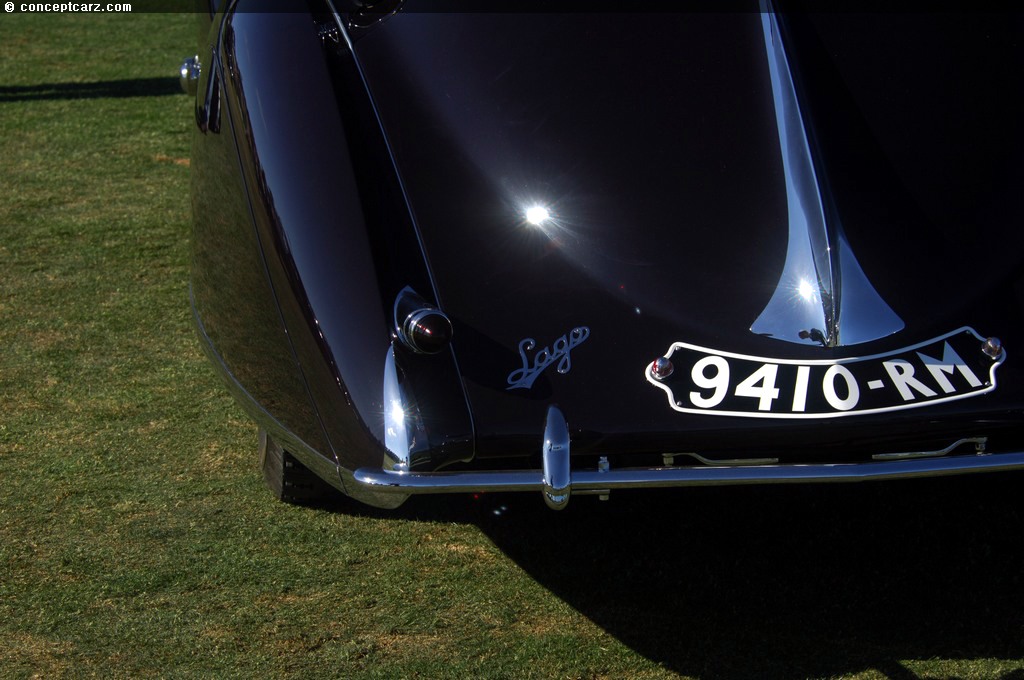
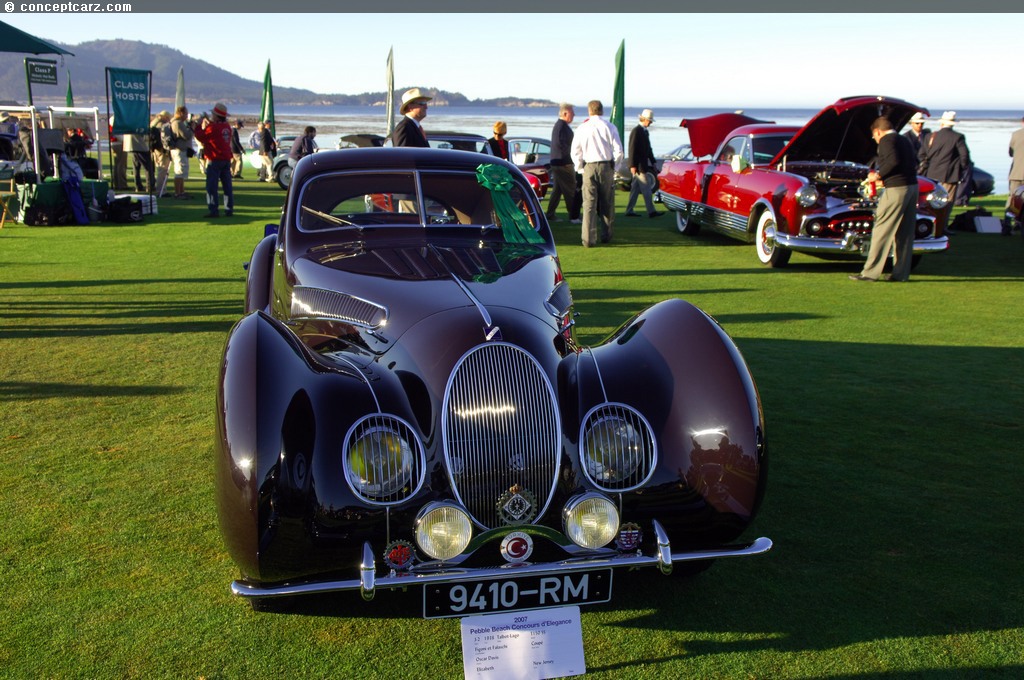
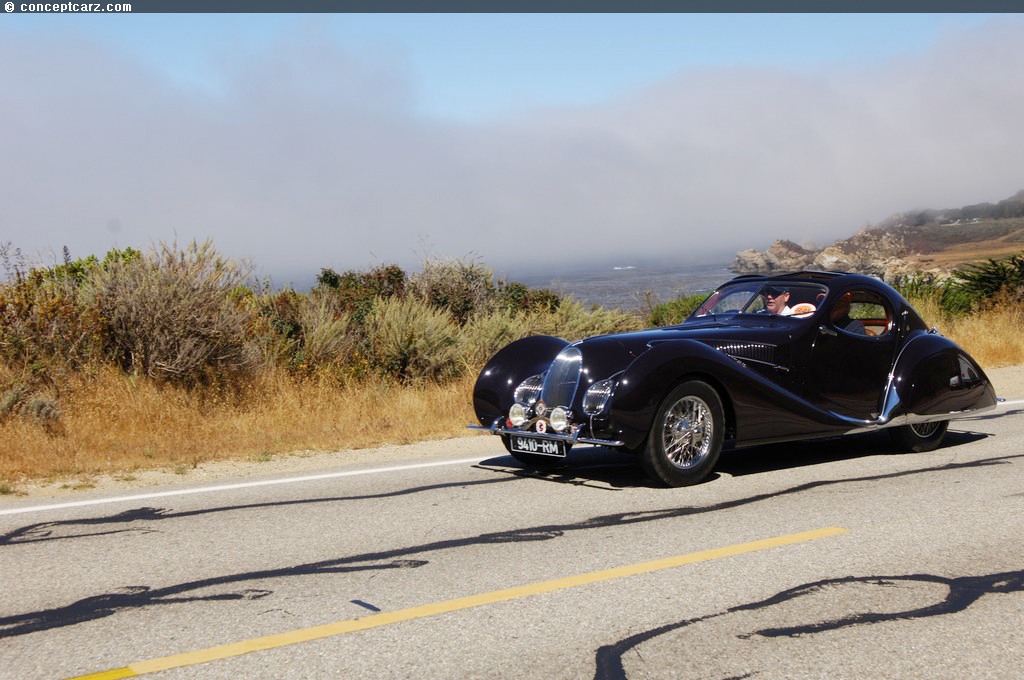
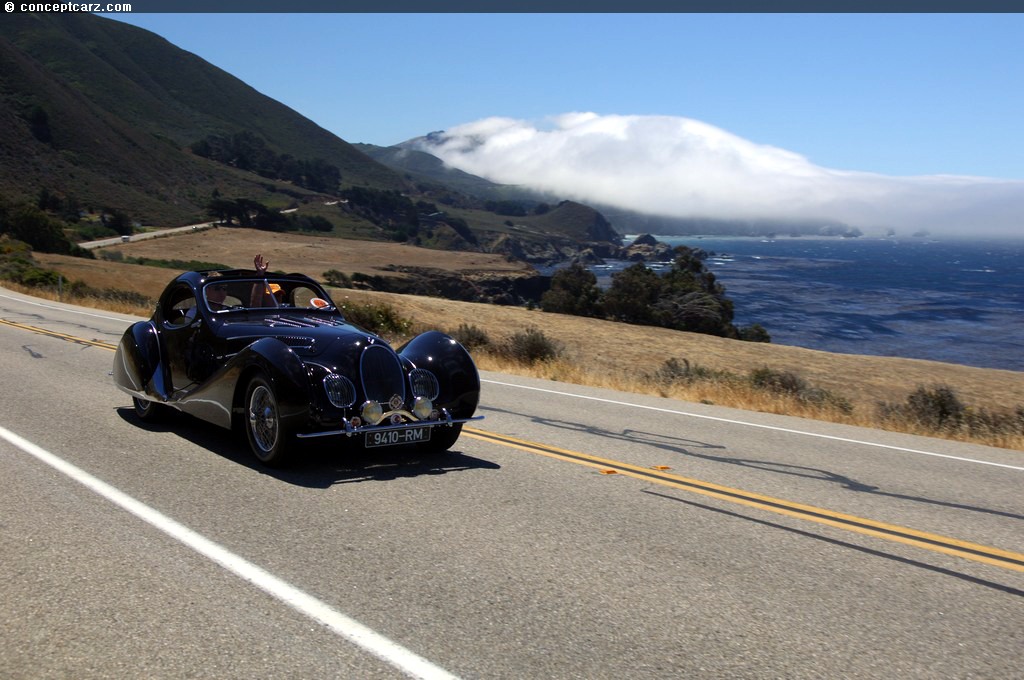
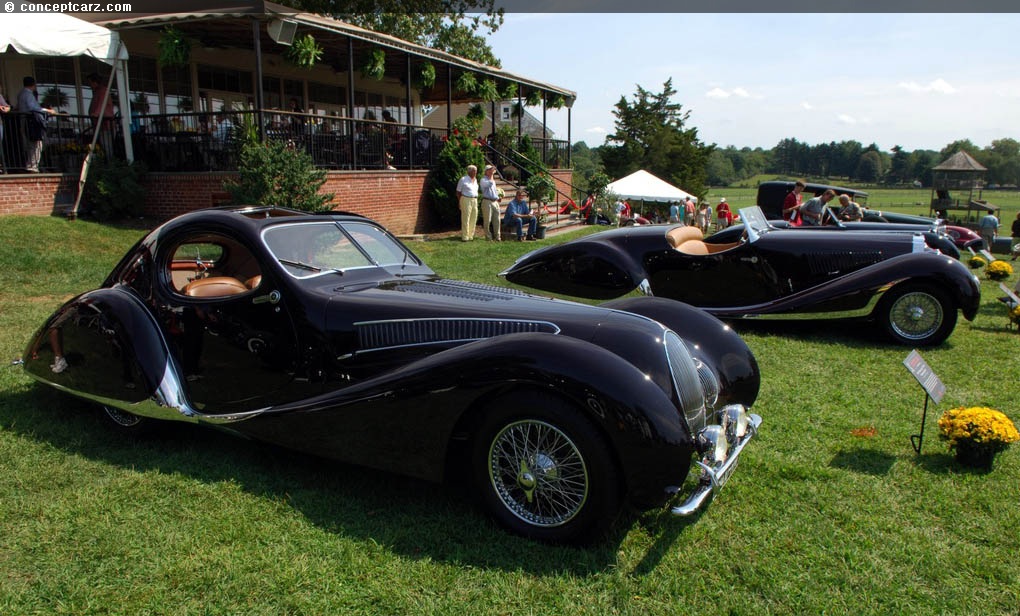
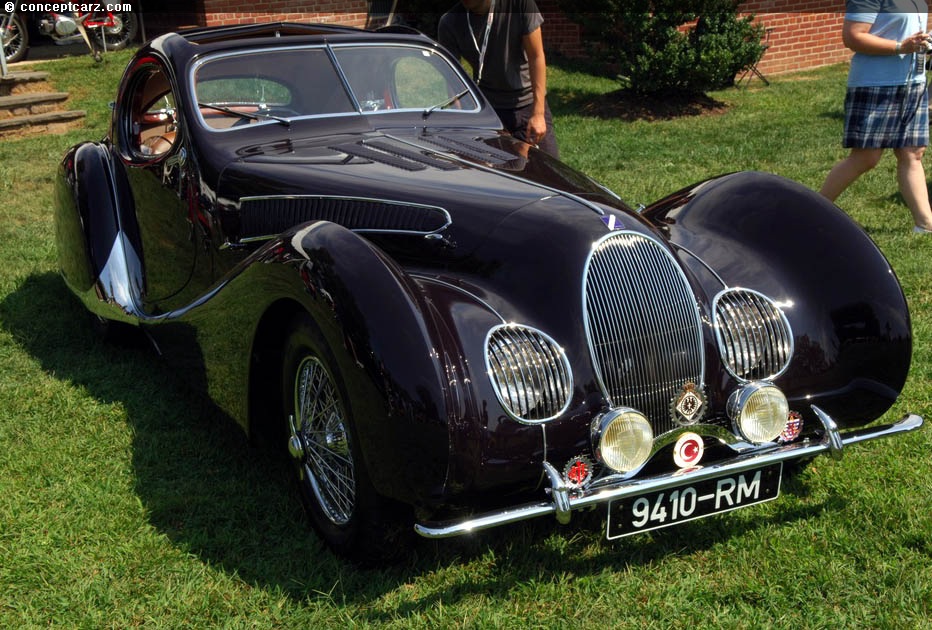
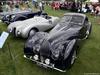
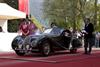
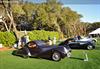
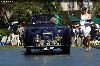
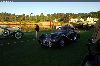
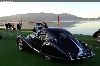
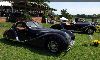
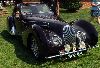
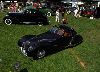
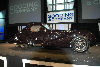
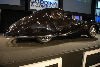
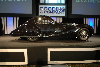
This Talbot-Lago T150 C SS was originally owned by Duke Philippe de Massa specifically to race in the 1939 Le Mans 24 Hours. Most of the body was formed from aluminum with the fenders built of steel. It has Joseph Figoni's signature flush-fitting sunroof and a one-piece rear window which is hinged at the top and opens for cockpit ventilation in competition (this is the only Teardrop Coupe with this design feature). To reduce the frontal area and lower its drag, this coachwork was two inches lower and four inches longer than the other T150 C SS goutte d'eau coupes. It has a body-colored mesh grille for additional cooling below the chrome radiator grille, a quick-release external fuel filler cap, and a large-capacity fuel tank fitted below the trunk. Per the sports-car racing regulations at the time, there is a spare tire. The vertical grilles complement the radiator grille, and the headlights are faired into the catwalks between the body and the teardrop front fenders.
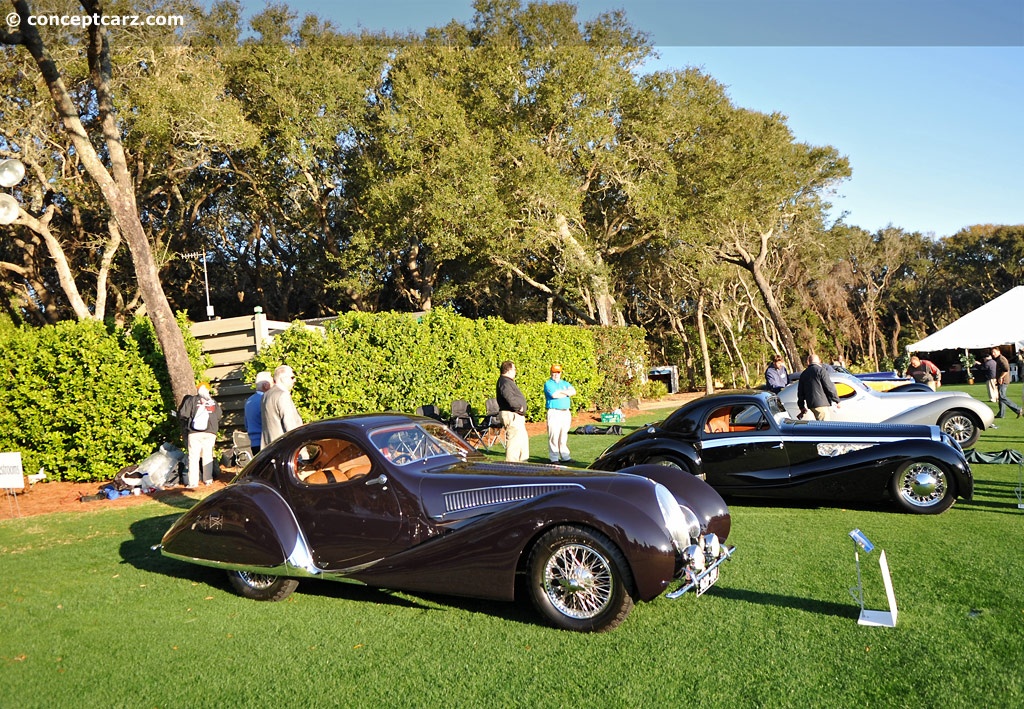
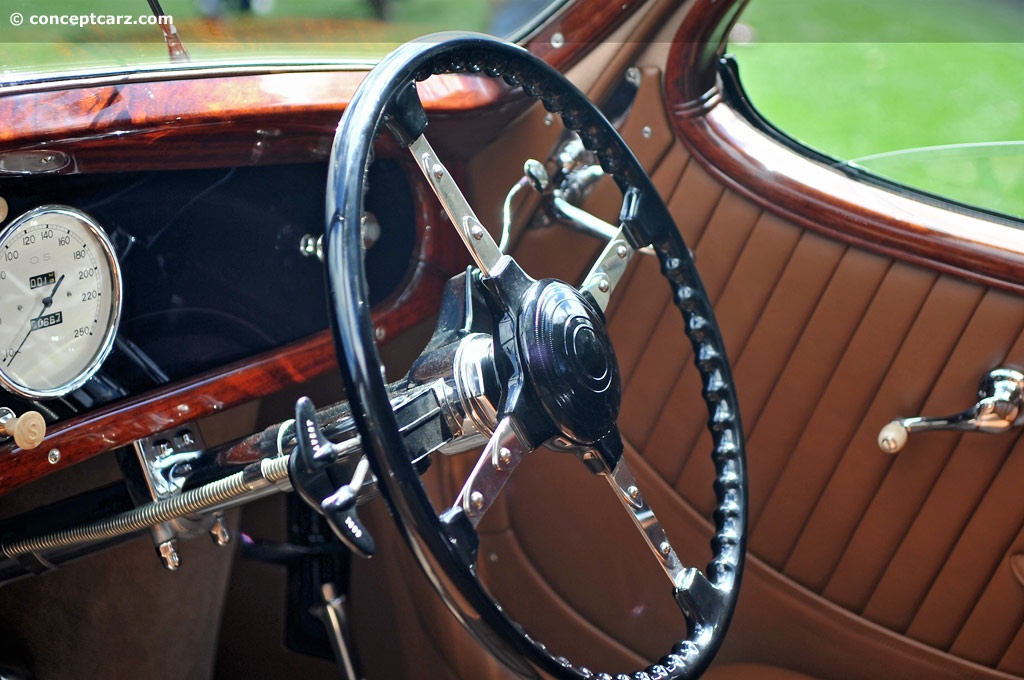
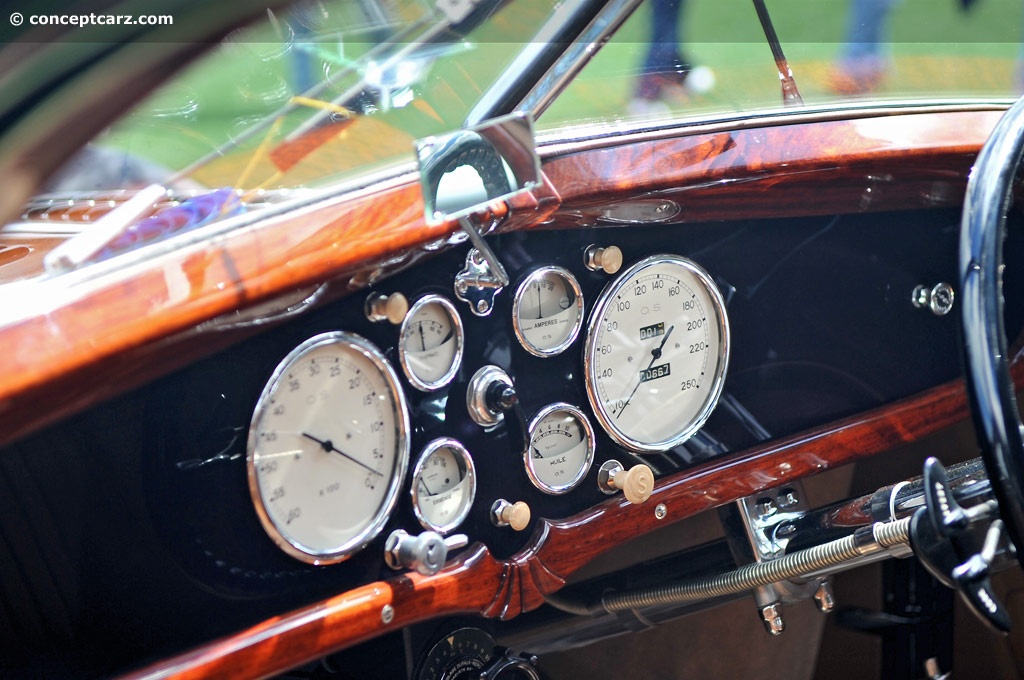
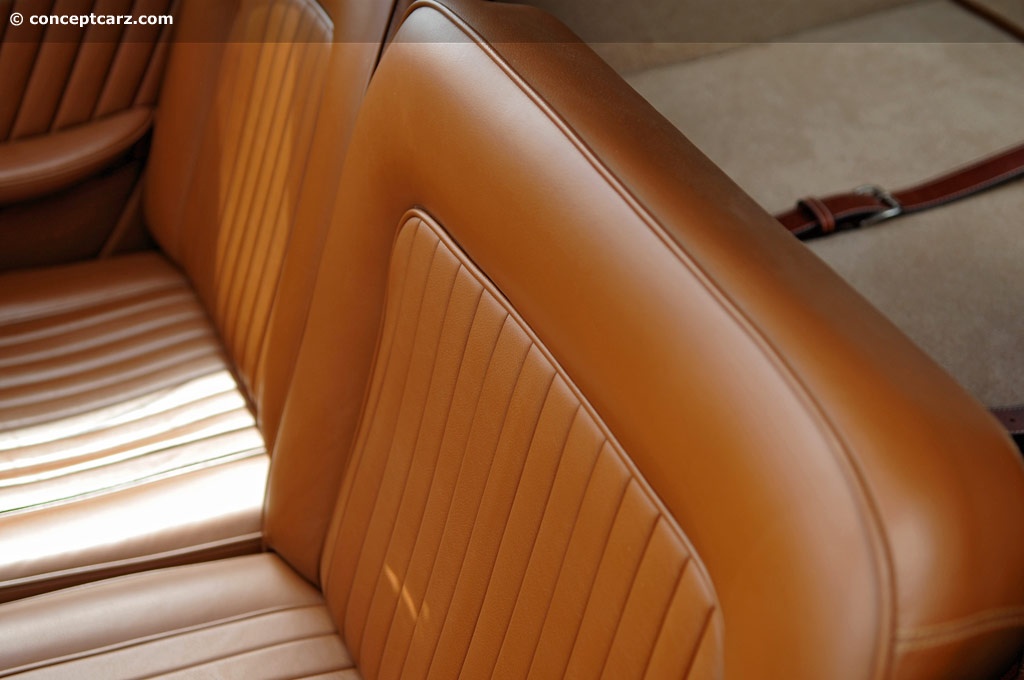
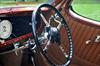
Although it was built as a competition car, this Talbot-Lago - per the Duke's request - was fitted with a comfortable interior with leather upholstery, finely carved wood trim around the dashboard and windows, and cloth-covered interior panels. Per Le Man's rules, the driver's seat is a semi-bucket configuration, as is the 250 kph speedometer. It has fully skirted rear wheels, blade bumpers, curved hood-side louvers accented by thin chrome moldings, chrome rear deck center spline, chrome trim under the doors, and oval side window openings with slightly devilled glass edges.
In 1939, the Duke de Massa and his co-driver Norbert-Jean Mahé were in the ninth position when they were forced to retire on the 88th lap, just beyond one-third distance, when the car was spun on oil on the track and traveled some distance in the wrong direction, resulting in a disqualification.
After Le Mans, the car made an appearance in a French concours, but as war broke out barely ten weeks after Le Mans, the car's history is not fully known. It is believed that it was confiscated by the Germans in or around 1942 and was eventually acquired in a neglected, engineless state by Herr A. Becker of Rangsdorf, near Berlin, shortly after the end of World War II.
In late 1989, the car was sold to Peter Schmitz, a resident of western Germany, who commenced a long-overdue restoration of the car. The car remained with Mr. Schmitz until 1995, when it was sold in an unfinished state to Automuseum Deventer of Joure, in the Netherlands.
At some point, the car received a correct-type Talbot-Lago engine located in the United Kingdom and subsequently fitted. In honor of its competition pedigree, the car was given a separate racing hood with cut-out holes for oil and coolant filler access (not currently fitted).
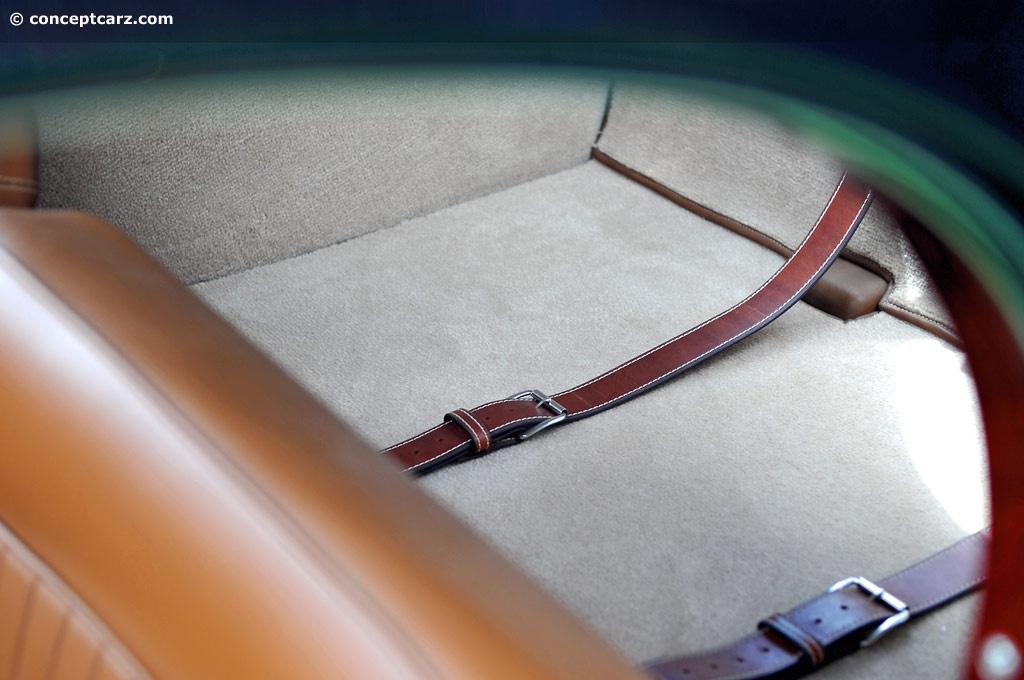
Georg Lingenbrink of San Diego, California, became the vehicle's custodian in 1996, and this is where it received a comprehensive six-year restoration and finished in a deep aubergine color scheme with contrasting tan pigskin leather upholstery and tan cloth interior trim.
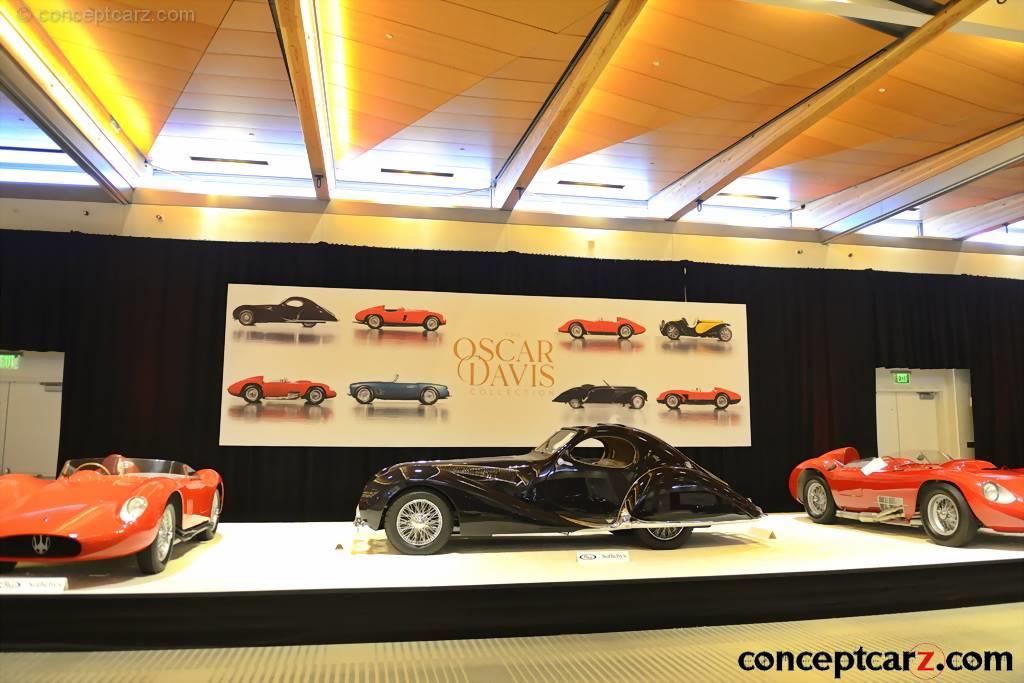
In 2006, the car was purchased by the Oscar Davis Collection, which entrusted the car to Classic and Sport Auto Refinishing of Edinburg, Virginia, and performed a further $100,000 of restoration work—of both a mechanical and cosmetic nature—in 2006 and 2007. In 2007, the car made its first public appearance in 68 years at the Pebble Beach Concours d'Elegance. This was followed by several wins at its European counterpart, Villa d'Este, in 2010, including the juried Trofeo BMW Group - Best of Show and the publicly selected Trofeo BMW Groupe Italia. The Louis Vuitton Concours Classic Award followed in 2011.By Daniel Vaughan | Dec 2022
Antonio Lago was trained as an engineer at Milan Polytechnic, became a Major in the Italian army during the Great War, and later worked for Isotta Fraschini, where he became its representative in England in the 1920s. He later worked as a technical director at L.A.P. Engineering, then to Wilson Self-Changing Gear Co., to join another major, W.G. Wilson, in developing the preselecting epicyclic gearbox. He eventually joined STD and, when closing the French Talbot factory at Suresnes was being planned, convinced STD management to let him try to resuscitate it. Struggling at first, he found the necessary funding to acquire Talbot with backing from Roots after it acquired STD in 1934. Displaying his commitment to the company and its products, he quickly affixed his own name to the Talbot marque.
During this time, the world was struggling with the Great Depression which meant many families did not have the funds necessary to buy an automobile. Despite this, Lago's plan to resurrect the company was to focus on racing and building more sporting cars. Although both of these endeavors were frivolous, he timed the market perfectly, introducing the product during a time of economic recovery, as the world was just beginning to emerge from the Depression. The lightweight and sporty cars that carried the Talbot-Lago banner in motorsport competitions were very successful, helping to boost the publicity of the brand, providing feedback for future development, and helping to increase sales.
Walter Becchia had been tasked to redesign Talbot's engines with Hemispherical combustion chambers and overhead valves operated via a single overhead valve operated from a single camshaft with pushrods and rocket arms. This improved the existing engine's breathing issues and reduced development costs by not requiring a complete redesign.
When the Automobile Club of France announced its decision to host the French Grand Prix for sports cars in 1935, Talbot-Lago responded with the creation of the 4-lite T150 C. Thus, it began its existence as a per racing car with the 'C' in its name representing 'Corse.' With additional tuning by Lucien Girard, output in racing guise was 155 horsepower with healthy torque across a broad rev range and impressive fuel economy. During its racing career, the T150 C won the Tunis Grand Prix, took the top two positions in the Tourist Trophy, and all three of the top places in the 1937 French Grand Prix. Jean Prenant and Andre Morel drove a T150 C SS at the 1938 24 Hours of Le Mans where they finished third place in one of four Talbot-Lagos entered in the Sarthe classic by Luigi Chinetti (Talbot-Lago's agent in Paris). The Prenant/Morel car was a goutte d'eau coupe with coachwork by Figoni & Falaschi.
Equally impressive as the engine was the T150 C's chassis designed by Chief Engineer Vincenzo Bertarione and Becchia. The front was independent via transverse leaf springs while the live rear axle used semi-elliptical leaf springs.
A total of sixteen Talbot-Lago T150 C chassis were clothed by Figoni & Falschi in the goutte d'eau coupe style and all received the teardrop fenders, flush door handles, sloping fastback, steeply raked windshield, and chrome accents. Five were subtly notchbacked, known today as the 'Jeancart' style after the buyer of the first example. With one exception, the remaining eleven rode atop the short-chassis T150 C SS platform and are known today as the Model New York style (Figoni & Falschi's style number 9220.) The first example was sold to Freddy McEvoy (who acted as the agent for Figoni & Falaschi and Talbot-Lago in several Teardrop sales) and debuted at the New York Auto Show in 1937.
Although each of the 'Model New York' examples was subtly different in detail, they were characterized by a radiator shrouded in a rounded, streamlined shell, and a vertical oval grille.
Additional marques which received the goutte d'eau style of coachwork included Bugatti, Peugeot, Delage, Delahaye, and Bentley.
This Talbot-Lago T150 C SS was originally owned by Duke Philippe de Massa specifically to race in the 1939 Le Mans 24 Hours. Most of the body was formed from aluminum with the fenders built of steel. It has Joseph Figoni's signature flush-fitting sunroof and a one-piece rear window which is hinged at the top and opens for cockpit ventilation in competition (this is the only Teardrop Coupe with this design feature). To reduce the frontal area and lower its drag, this coachwork was two inches lower and four inches longer than the other T150 C SS goutte d'eau coupes. It has a body-colored mesh grille for additional cooling below the chrome radiator grille, a quick-release external fuel filler cap, and a large-capacity fuel tank fitted below the trunk. Per the sports-car racing regulations at the time, there is a spare tire. The vertical grilles complement the radiator grille, and the headlights are faired into the catwalks between the body and the teardrop front fenders.
Although it was built as a competition car, this Talbot-Lago - per the Duke's request - was fitted with a comfortable interior with leather upholstery, finely carved wood trim around the dashboard and windows, and cloth-covered interior panels. Per Le Man's rules, the driver's seat is a semi-bucket configuration, as is the 250 kph speedometer. It has fully skirted rear wheels, blade bumpers, curved hood-side louvers accented by thin chrome moldings, chrome rear deck center spline, chrome trim under the doors, and oval side window openings with slightly devilled glass edges.
In 1939, the Duke de Massa and his co-driver Norbert-Jean Mahé were in the ninth position when they were forced to retire on the 88th lap, just beyond one-third distance, when the car was spun on oil on the track and traveled some distance in the wrong direction, resulting in a disqualification.
After Le Mans, the car made an appearance in a French concours, but as war broke out barely ten weeks after Le Mans, the car's history is not fully known. It is believed that it was confiscated by the Germans in or around 1942 and was eventually acquired in a neglected, engineless state by Herr A. Becker of Rangsdorf, near Berlin, shortly after the end of World War II.
In late 1989, the car was sold to Peter Schmitz, a resident of western Germany, who commenced a long-overdue restoration of the car. The car remained with Mr. Schmitz until 1995, when it was sold in an unfinished state to Automuseum Deventer of Joure, in the Netherlands.
At some point, the car received a correct-type Talbot-Lago engine located in the United Kingdom and subsequently fitted. In honor of its competition pedigree, the car was given a separate racing hood with cut-out holes for oil and coolant filler access (not currently fitted).
Georg Lingenbrink of San Diego, California, became the vehicle's custodian in 1996, and this is where it received a comprehensive six-year restoration and finished in a deep aubergine color scheme with contrasting tan pigskin leather upholstery and tan cloth interior trim.
In 2006, the car was purchased by the Oscar Davis Collection, which entrusted the car to Classic and Sport Auto Refinishing of Edinburg, Virginia, and performed a further $100,000 of restoration work—of both a mechanical and cosmetic nature—in 2006 and 2007. In 2007, the car made its first public appearance in 68 years at the Pebble Beach Concours d'Elegance. This was followed by several wins at its European counterpart, Villa d'Este, in 2010, including the juried Trofeo BMW Group - Best of Show and the publicly selected Trofeo BMW Groupe Italia. The Louis Vuitton Concours Classic Award followed in 2011.By Daniel Vaughan | Dec 2022
With engineer Walter Brecchia, Lago turned the Talbot T120 into the Talbot-Lago T150. The car featured a new 'hemi' cylinder head and a Wilson gearbox. The new car was entered in the 1935 LeMans race but retired. In 1937 Lago announced the lighter T150C, with 'C' meaning course or competition. Shortly after, Tablot released the short-wheelbase road versions, the first of these named SS after the American term Super Sport. At this time, coachbuilders Figoni et Falaschi had struck a deal with Talbot-Lago to create teardrop bodies for bother versions of their chassis.
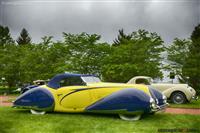
The first Teardrop was shown in August of 1937 at the Paris-Nice Criterium de Tourism. Featuring the 4L engine and shortened version of the competition chassis the completed car was good for 100 mph. The Teardrop was Figoni et Falaschi's most coveted work. Devoid of any straight lines it was a revolt against more purposeful styles from the 1920s. The voluptuous curves telegraphed speed even when standing still. The diminishing pontoon fenders and a converging 'fastback' tail highlighted this style.
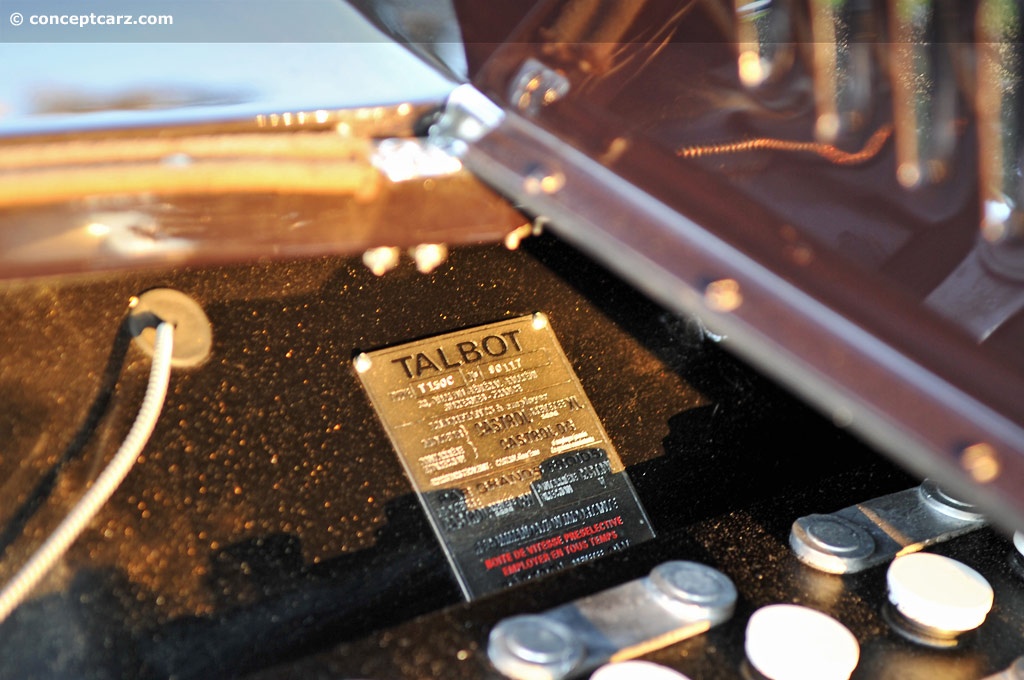
This example, chassis number 90117, was commissioned by Duke Philippe de Massa as a pure racing car. With additional driving lights, it was raced in the 1939 24 Hours of LeMans by Duke de Massa. Seized by Germans during World War II, this car remained in Eastern Germany until the fall of the Berlin Wall. Through various owners, it ended up in the United States where it was completely restored.
The first Teardrop was shown in August of 1937 at the Paris-Nice Criterium de Tourism. Featuring the 4L engine and shortened version of the competition chassis the completed car was good for 100 mph. The Teardrop was Figoni et Falaschi's most coveted work. Devoid of any straight lines it was a revolt against more purposeful styles from the 1920s. The voluptuous curves telegraphed speed even when standing still. The diminishing pontoon fenders and a converging 'fastback' tail highlighted this style.
This example, chassis number 90117, was commissioned by Duke Philippe de Massa as a pure racing car. With additional driving lights, it was raced in the 1939 24 Hours of LeMans by Duke de Massa. Seized by Germans during World War II, this car remained in Eastern Germany until the fall of the Berlin Wall. Through various owners, it ended up in the United States where it was completely restored.
2022 RM Sothebys : Monterey
Pre-Auction Estimates :
USD $9,000,000-USD $11,000,000
Sale Price :
USD $7,265,000
1938 Talbot-Lago T150C Auction Sales
Recent Sales of the Talbot-Lago T150C
(Data based on Model Year 1938 sales)
| 1938 Talbot-Lago T150C 'Lago Spéciale' Cabriolet Chassis#: 90039 Sold for USD$665,000 2022 Bonhams : The Quail Auction |   |
| 1938 Talbot-Lago T150-C SS Teardrop Coupe by Figoni et Falaschi Chassis#: 90117 Sold for USD$7,265,000 2022 RM Sothebys : Monterey |   |
| 1938 Talbot-Lago T150-C SS Teardrop Cabriolet by Figoni et Falaschi Chassis#: 90111 Sold for USD$7,150,000 2013 RM Auction - Art of the Automobile | |
| 1938 Talbot Lago T150C 'Lago Spéciale' cabriolet Chassis#: 90039 Sold for USD$276,986 2013 Bonhams - Les Grandes Marques du Monde au Grand Palais | |
| 1938 Talbot-Lago T150-C SS Teardrop Coupé by Figoni et Falaschi Chassis#: 90112 Sold for USD$4,473,253 2011 RM Auctions - Villa d'Este |   |
| 1938 Talbot-Lago T150-C Lago Speciale Teardrop Coupe Chassis#: 90034 Sold for USD$4,620,000 2010 RM Auctions - Sports & Classics of Monterey |   |
| 1938 Talbot-Lago T150-C Lago Teardrop Coupe Chassis#: 90034 Sold for USD$3,685,000 2005 The Monterey Sports and Classic Car Auction | |
Talbot-Lago T150Cs That Failed To Sell At Auction
1938 Talbot-Lago T150C's that have appeared at auction but did not sell.
| Vehicle | Chassis | Event | High Bid | Est. Low | Est. High |
|---|---|---|---|---|---|
| 1938 TALBOT-LAGO T150C Lago Spéciale Cabriolet | 90039 | 2017 Bonhams : The Amelia Island Auction | $1,200,000 | $1,500,000 | |
| 1938 Talbot-Lago T150 C SS | 2006 Bonhams & Butterfields at The Quail Lodge, Resort & Golf Club |
Vehicles With Comparable Market Values
Similar sales to the $4,019,320 range.
| 2022 Bugatti Chiron Pur Sport Chassis#:VF9SC3V35NM795031 Sold for $4,047,500 2024 Broad Arrow Auctions : Amelia | |
| 1930 Duesenberg Model J 'Disappearing Top' Convertible Coupe by Murphy Chassis#:2369 Sold for $3,855,000 2024 RM Sothebys : ModaMiami |   |
| 1954 FERRARI 500 MONDIAL SERIES I SPIDER Chassis#:0434 MD Sold for $3,995,000 2024 Gooding : Amelia Island Concours | |
| 1965 Shelby 427 Competition Cobra Chassis#:csx3006 Sold for $4,180,000 2024 Mecum : Kissimmee |   |
| 2015 Porsche 918 'Weissach' Spyder Chassis#:WP0CA2A13FS800656 Sold for $3,937,500 2023 RM Sothebys : The White Collection | |
| 1912 SIMPLEX 50 HP TOY-TONNEAU Chassis#:799 Sold for $4,075,000 2023 Gooding & Company : Pebble Beach |   |
| 2003 Ferrari Enzo Chassis#:ZFFCW56A730135264 Sold for $4,075,000 2023 RM Sothebys : Monterey | |
| 1985 Ferrari 288 GTO Chassis#:ZFFPA16B000054809 Sold for $3,910,000 2023 Broad Arrow : Monterey Jet Center | |
| 1956 Ferrari 500 TR Spider by Scaglietti Chassis#:0610 MDTR Sold for $4,022,415 2023 RM Sothebys : Villa Erba | |
| 1985 Ferrari 288 GTO Chassis#:ZFFPA16B000056773 Sold for $3,965,000 2023 RM Sothebys : Amelia Island |   |
| 1991 Ferrari 643 Chassis#:127 Sold for $3,997,353 2023 RM Sothebys : Paris | |
| 2006 Maserati MC12 Corse Chassis#:ZAMDF44B000029626 Sold for $4,100,000 2023 Bonhams : Scottsdale Auction | |
| 2014 Ferrari LaFerrari Chassis#:ZFF76ZFA2E0207435 Sold for $4,075,000 2023 RM Sothebys : Arizona | |
| 2004 FERRARI ENZO Chassis#:ZFFCZ56B000136089 Sold for $4,130,000 2022 Gooding & Company : Pebble Beach | |
| 1990 FERRARI F40 Chassis#:ZFFMN34A0L0087041 Sold for $3,965,000 2022 Gooding & Company : Pebble Beach |   |
| 1969 PORSCHE 908/02 Chassis#:908/02-010 Sold for $4,185,000 2022 Gooding & Company : Pebble Beach |   |
| 1992 Ferrari F40 Chassis#:ZFFMN34AXN0091097 Sold for $3,855,000 2022 RM Sothebys : Monterey |   |
| 2015 Ferrari LaFerrari Chassis#:ZFF76ZFA2F0208568 Sold for $3,910,000 2022 Broad Arrow Auctions : Monterey Jet Center Auction | |
| 1934 Packard Twelve Individual Custom Convertible Victoria by Dietrich Chassis#:902011 Sold for $4,130,000 2022 RM Sothebys : Amelia Island |   |
| 1955 Porsche 550 Spyder Chassis#:550-0036 Sold for $4,185,000 2022 Bonhams : Amelia Island Concours |   |
1938 Talbot-Lago T150C
• Additional valuation insight and sales data• History
• Specifications
• Image gallery
• Other Talbot-Lago T150C model years