
Image credit: © conceptcarz.com (Reproduction Or reuse prohibited).
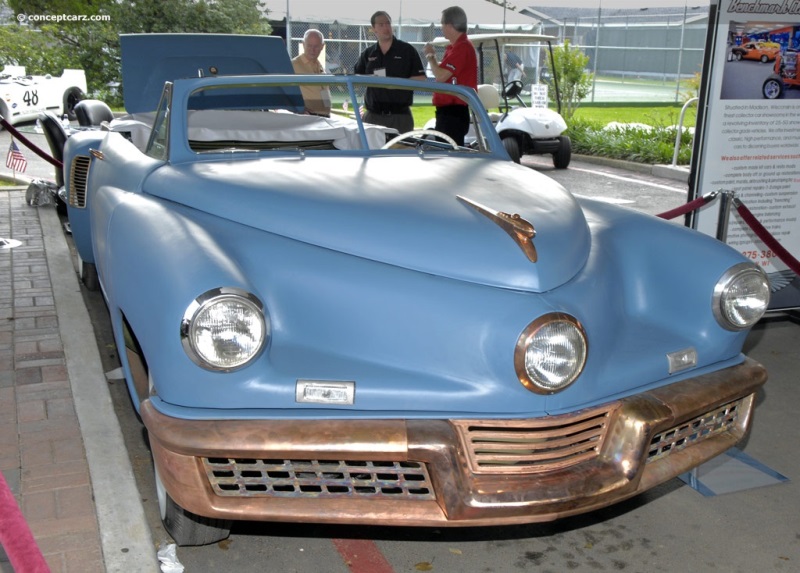
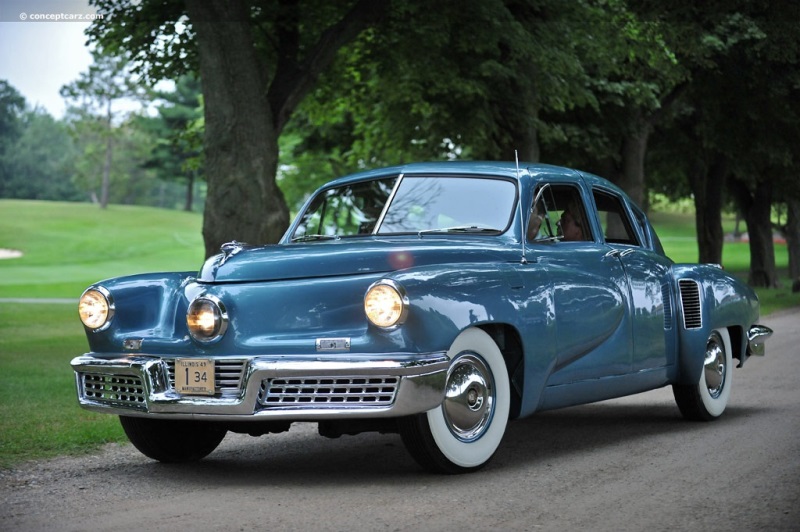
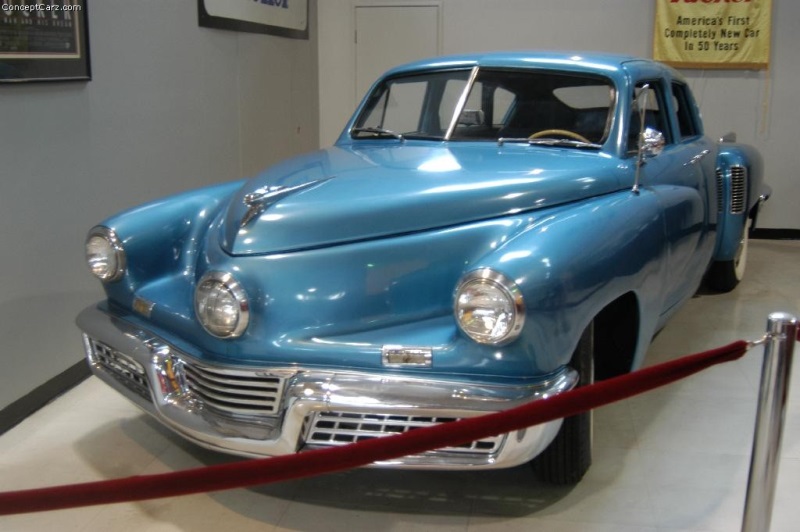
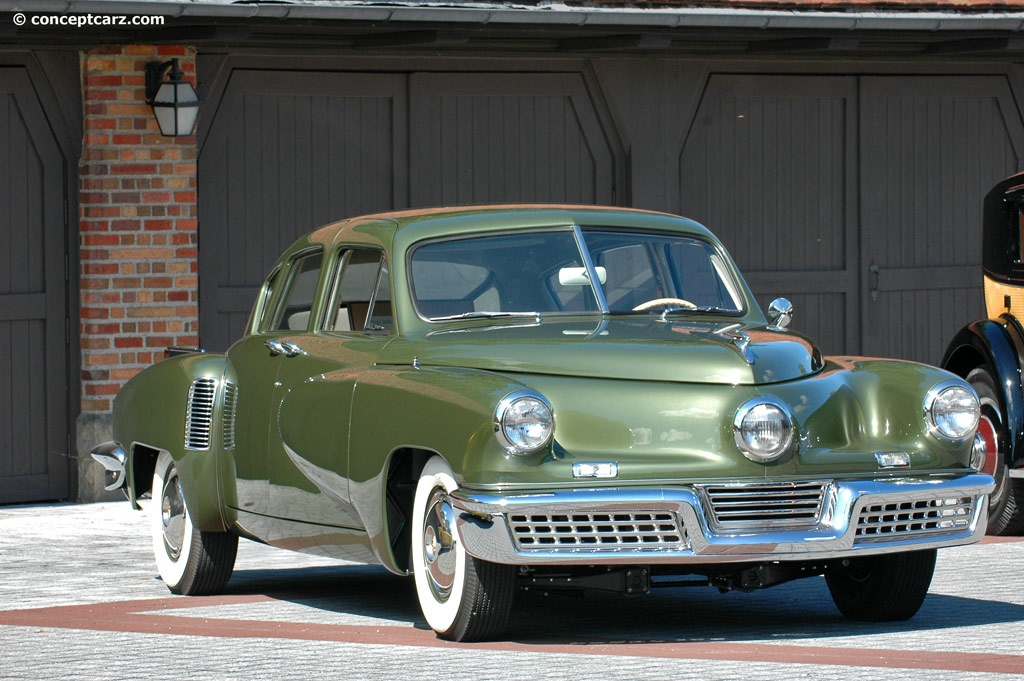
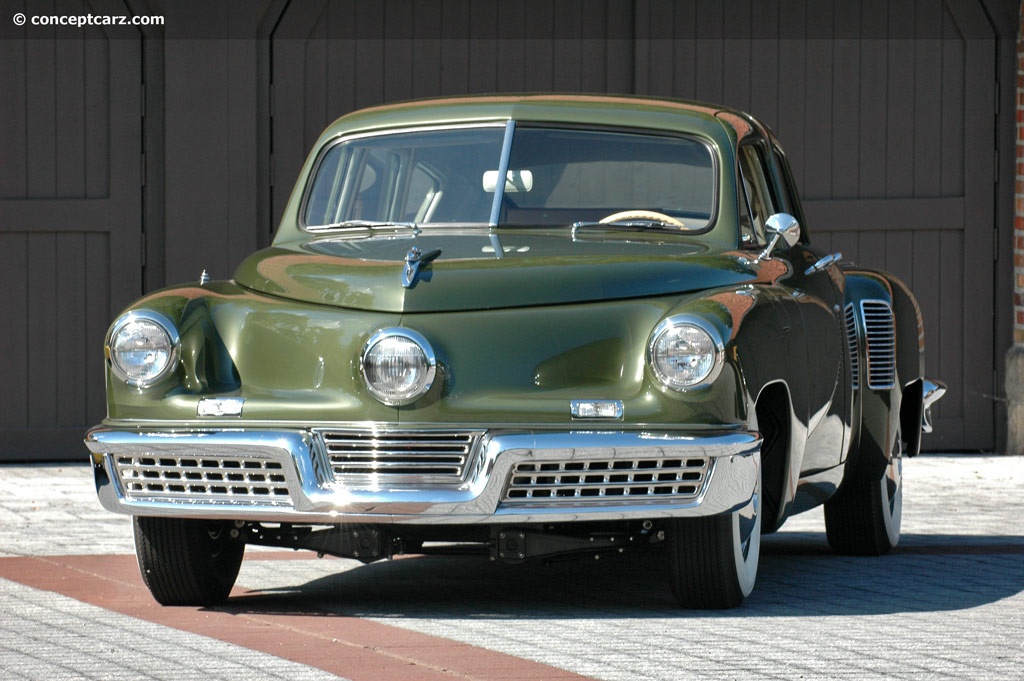
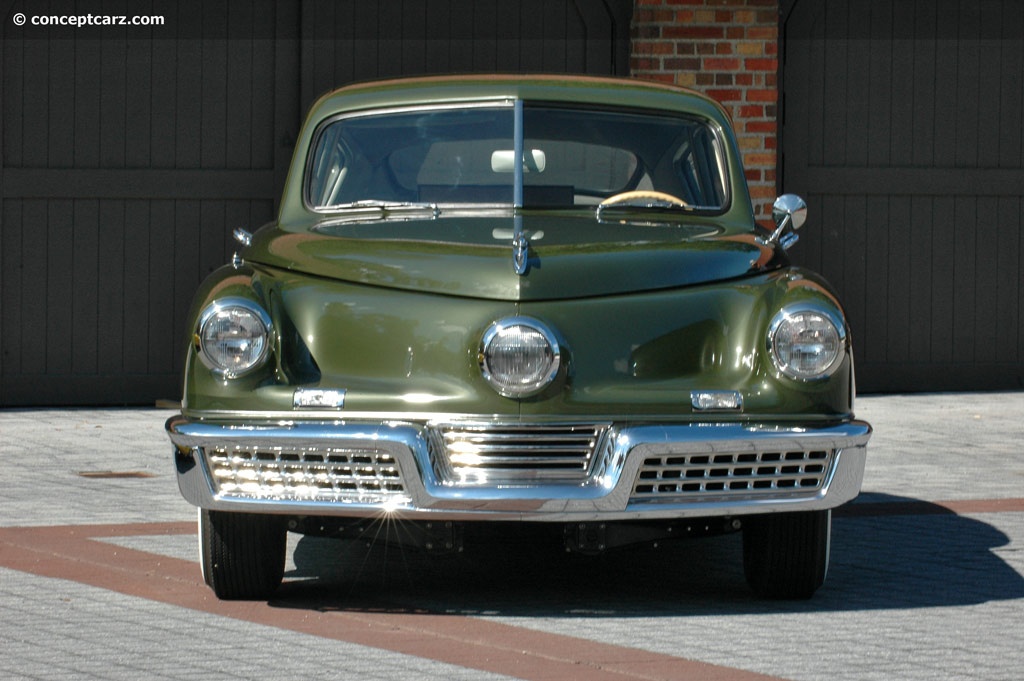
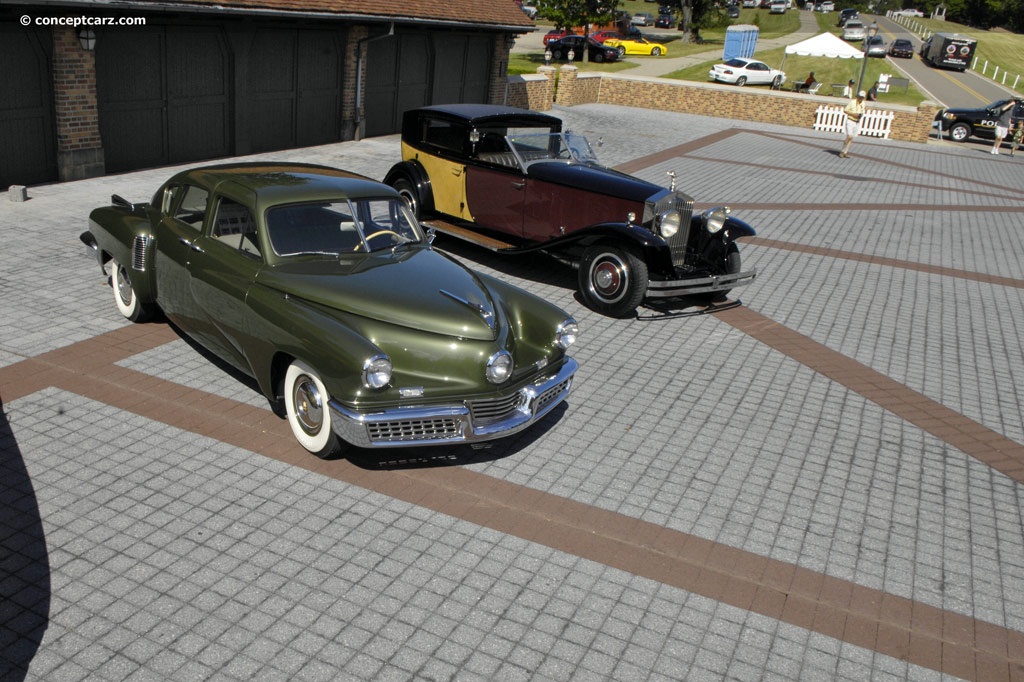
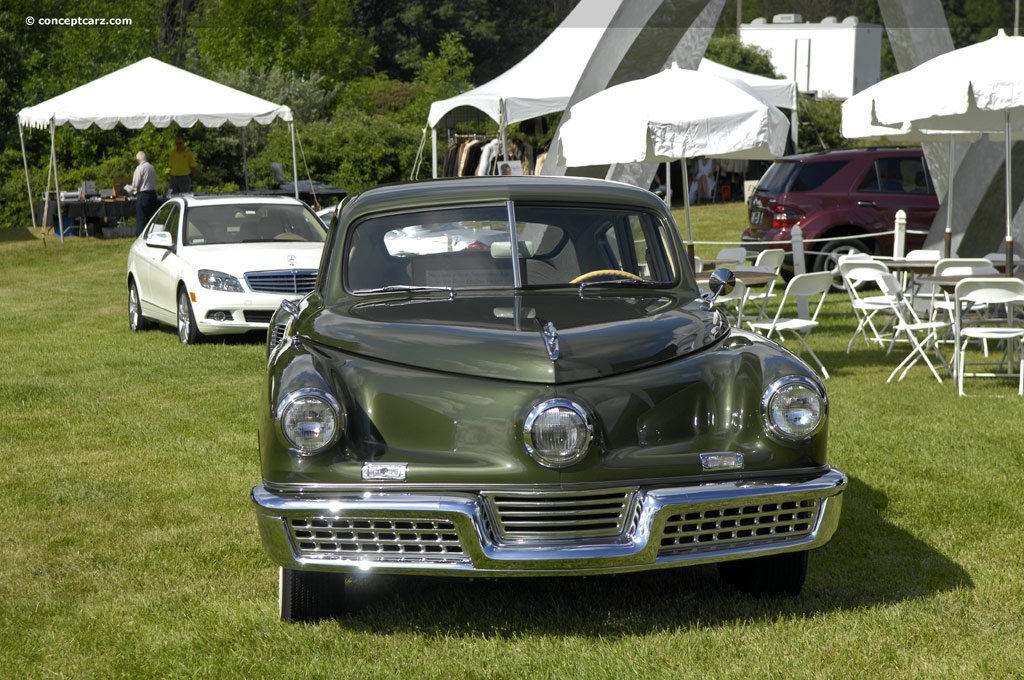
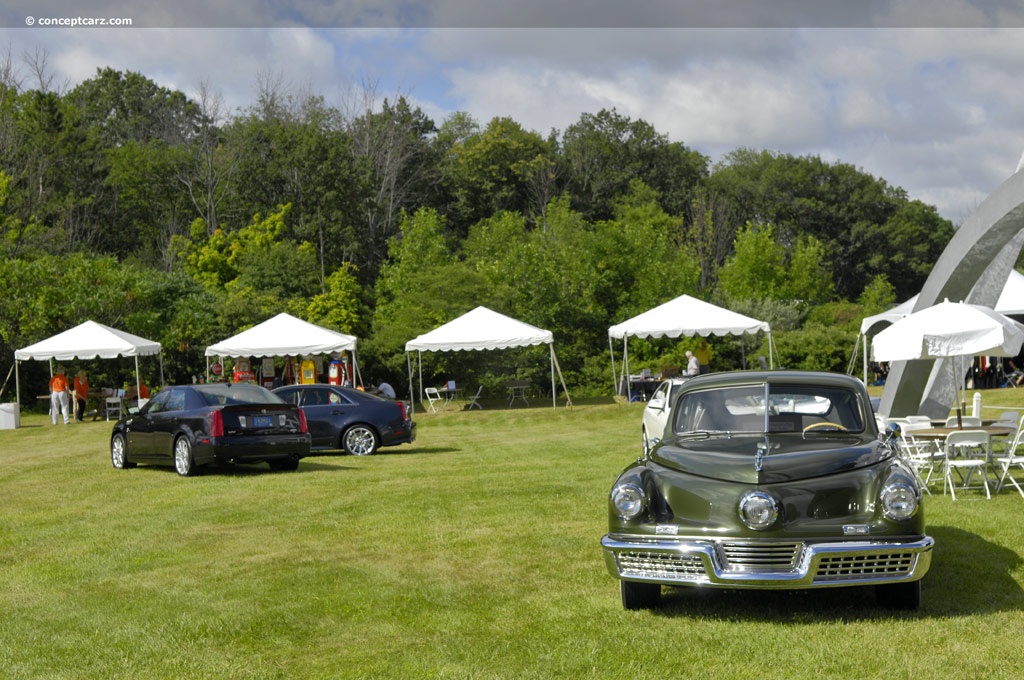
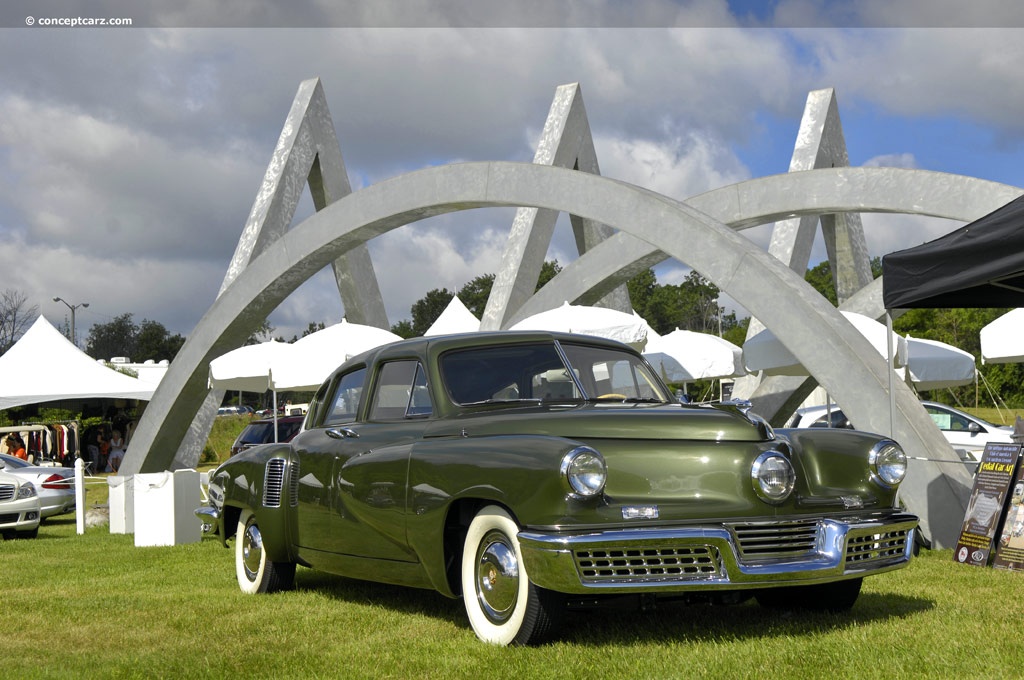
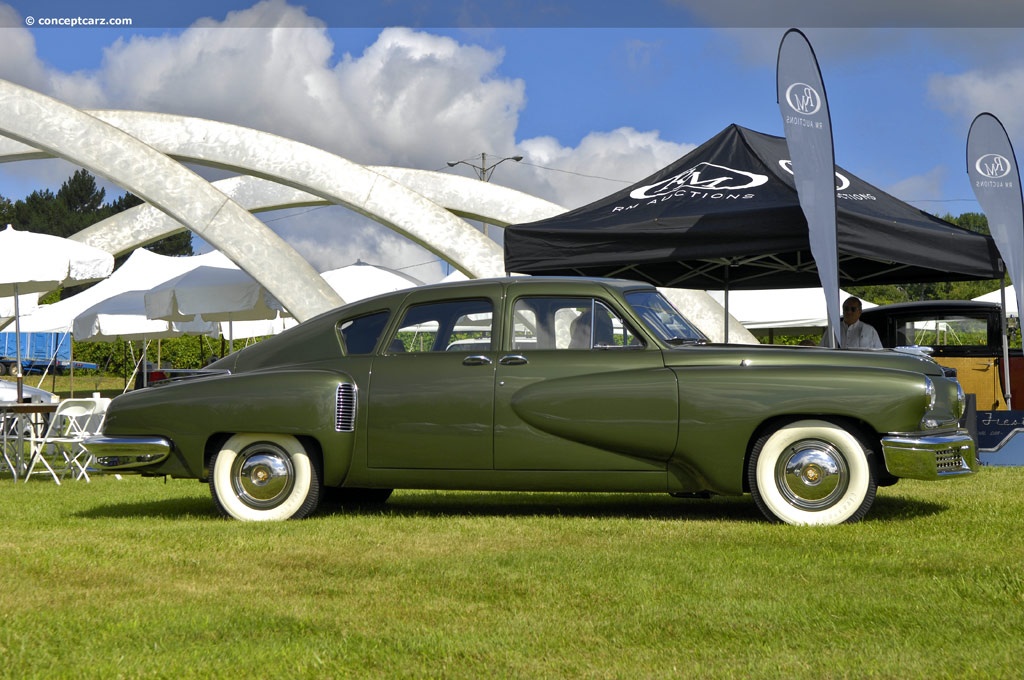
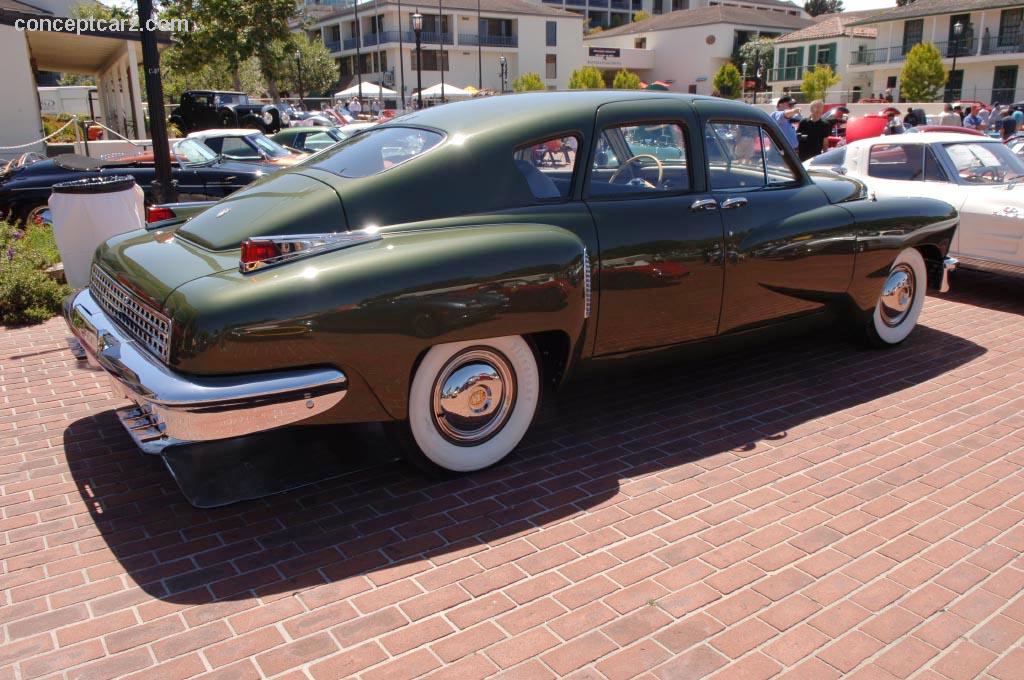
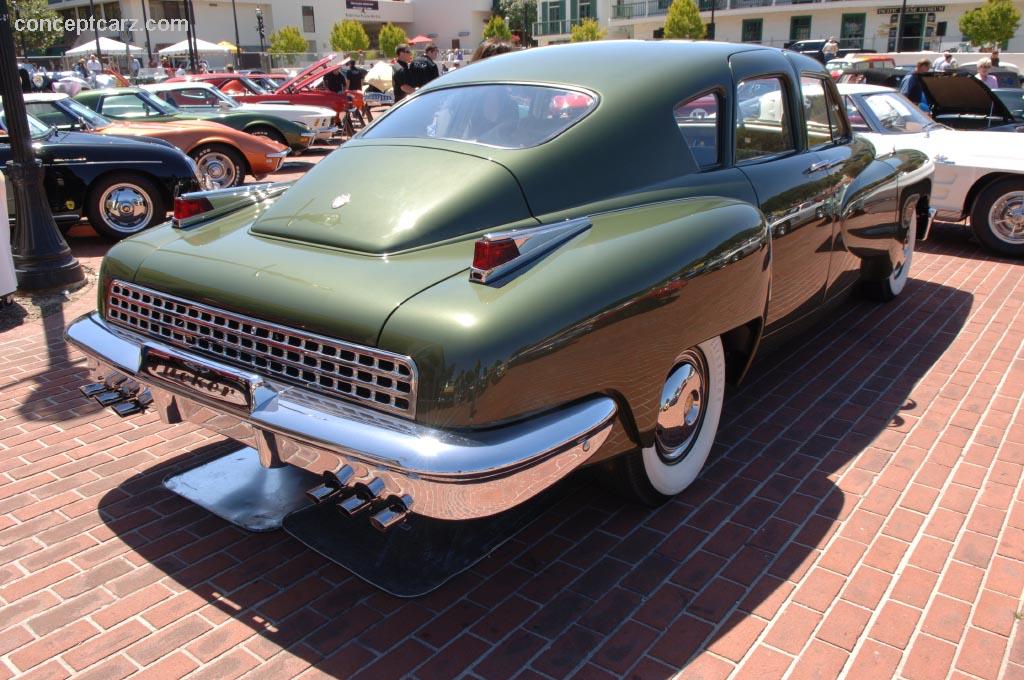
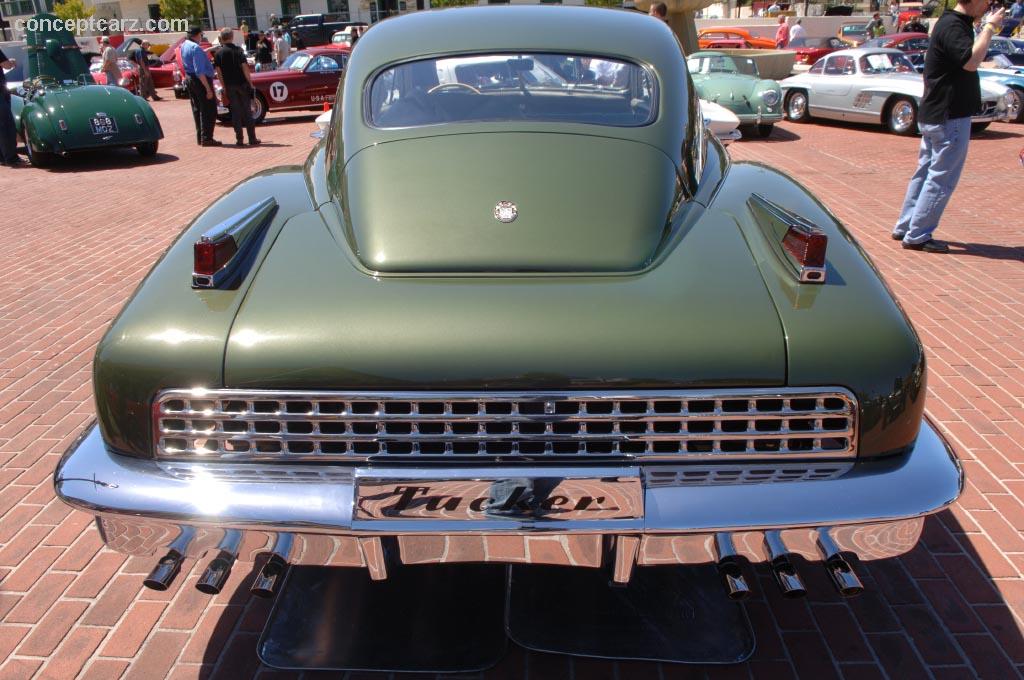
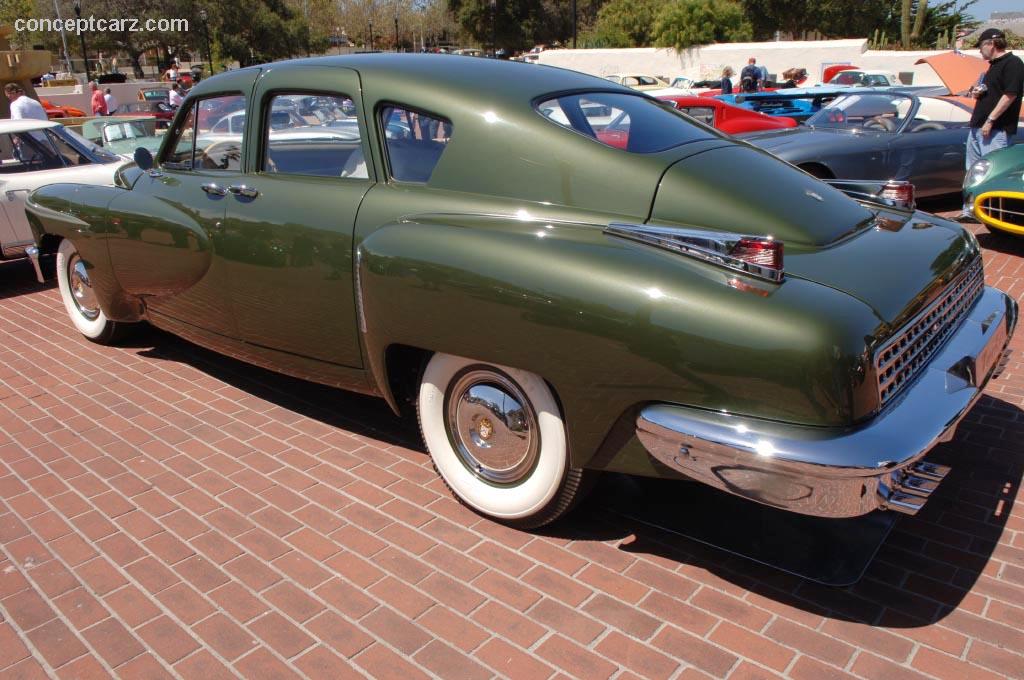
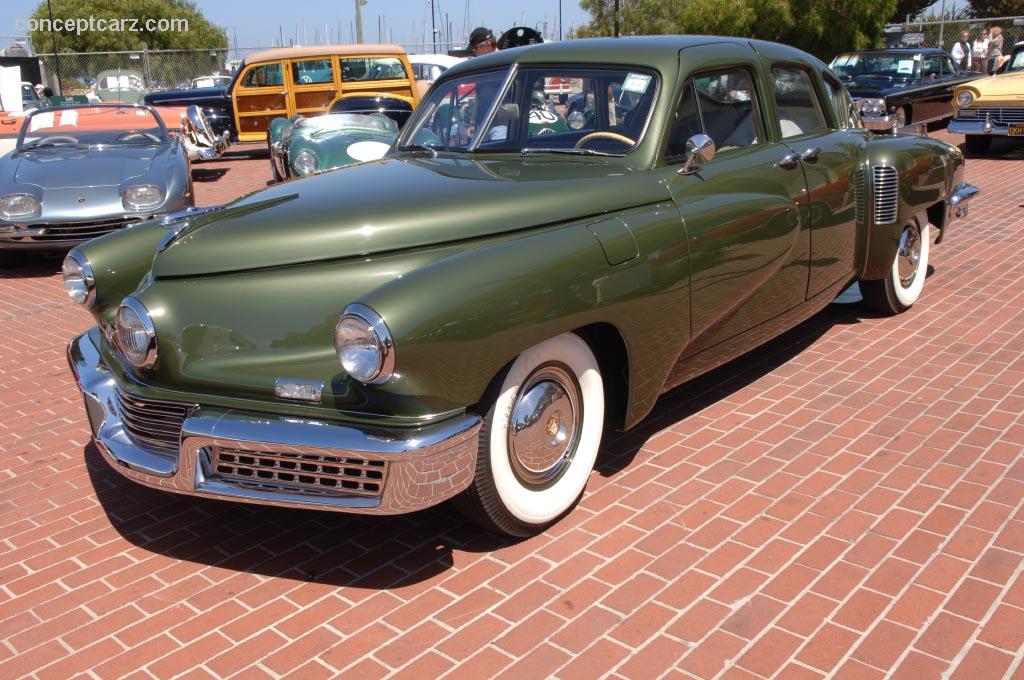
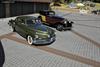
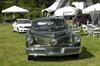
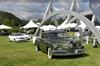
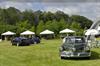
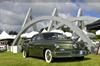
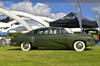
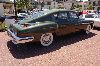
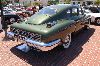
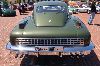
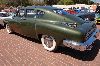
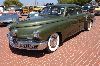
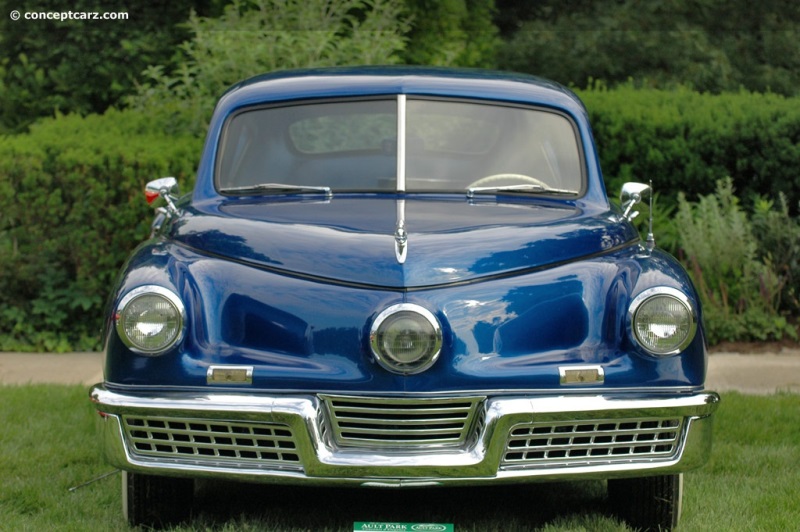
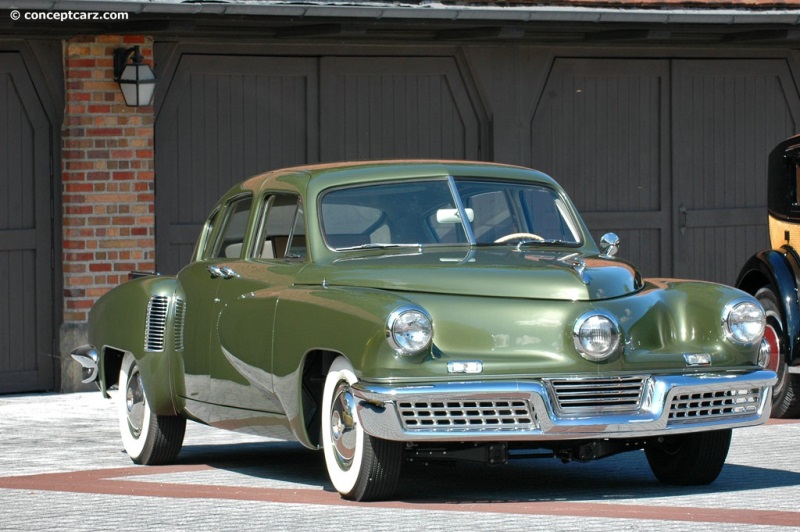
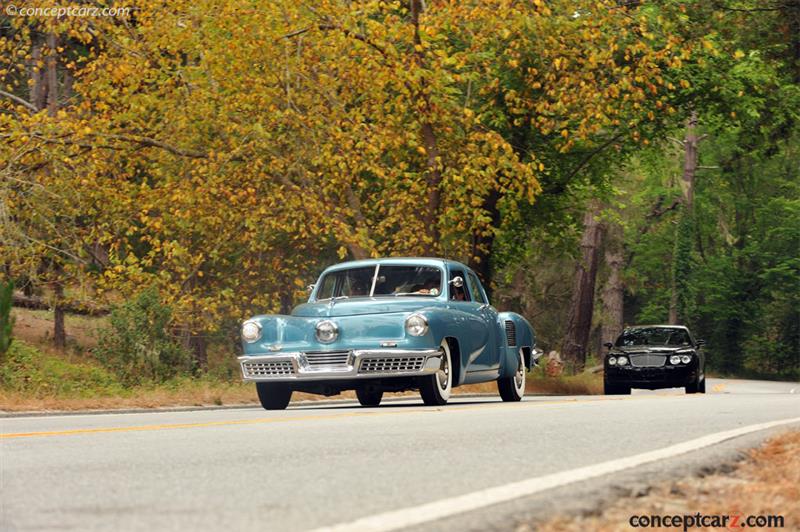
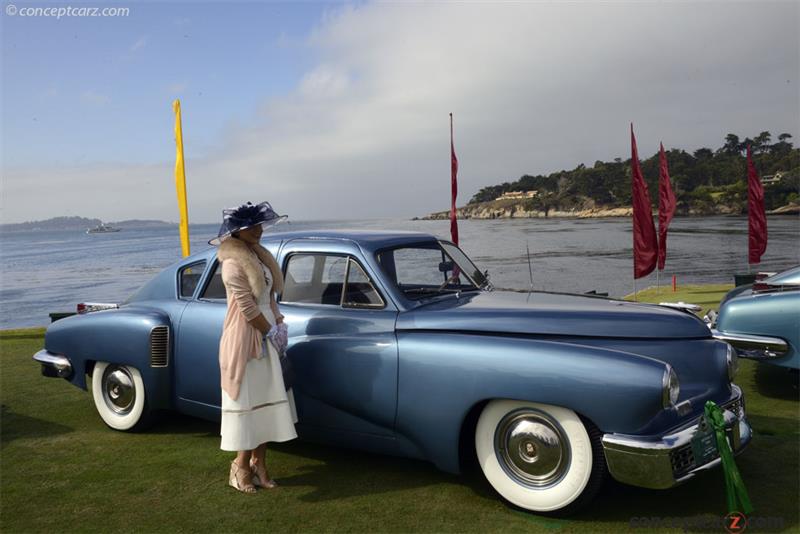
The Moss green colored Tucker Torpedo was offered for sale at the 2006 RM Auction held in Monterey, CA where it was expected to sell between $700,000-$900,000. It carries chassis number 1038 and was completed on October 25th, 1948. It was constructed without a transmission. Later, a Cord transmission was installed.
Since its assembly, the car was given a comprehensive professional restoration. The car had traveled only 3100 miles since new. It was equipped from the factory with an AM radio and factory luggage.
At auction the vehicle was sold, fetching $577,500.
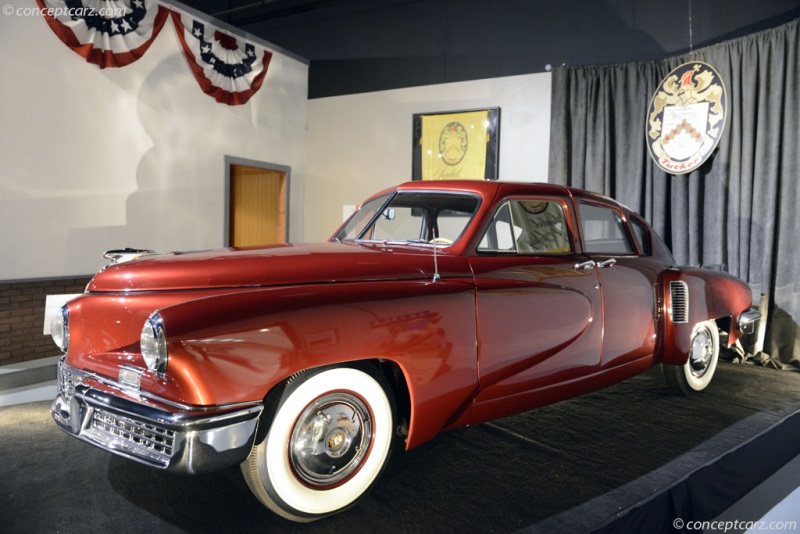
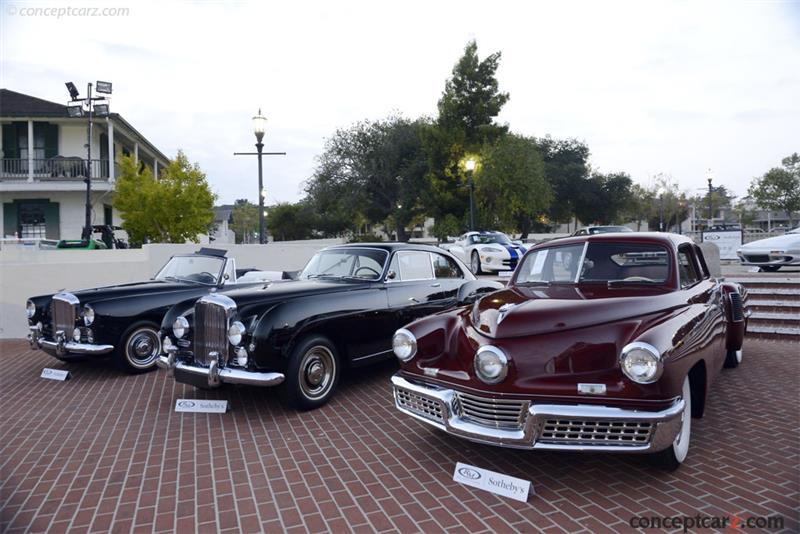
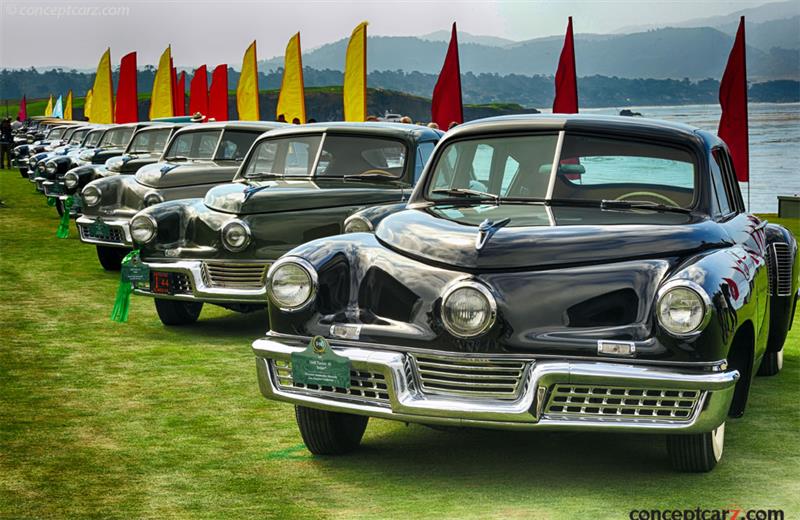
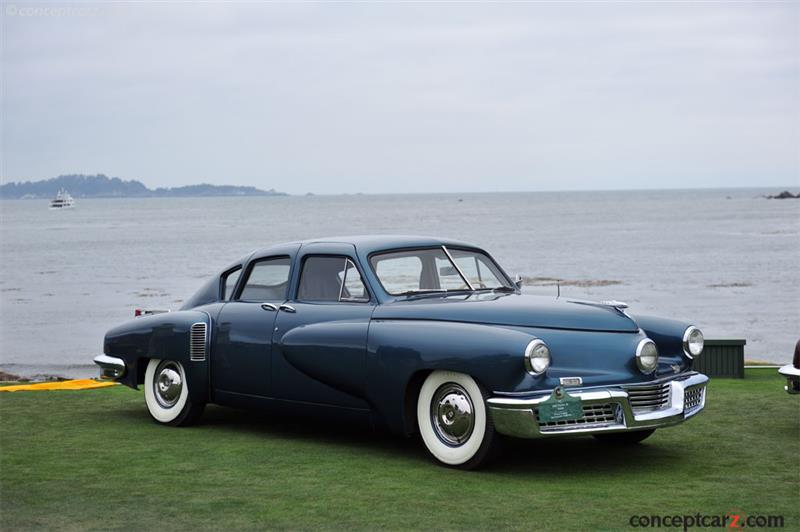
In 2008, this 1948 Tucker Sedan was offered for sale at the 'Sports & Classics of Monterey' presented by RM Auctions. It was estimated to sell for $500,000 - $600,000. An astonishing high bid of $1,017,500, including the buyer's premium, was enough to secure new ownership. This bid was well above the estimated value, but with only 51 examples ever created, that was the price needed to own this car. Needless to say, the lot was sold.By Daniel Vaughan | Sep 2018
Since its assembly, the car was given a comprehensive professional restoration. The car had traveled only 3100 miles since new. It was equipped from the factory with an AM radio and factory luggage.
At auction the vehicle was sold, fetching $577,500.
In 2008, this 1948 Tucker Sedan was offered for sale at the 'Sports & Classics of Monterey' presented by RM Auctions. It was estimated to sell for $500,000 - $600,000. An astonishing high bid of $1,017,500, including the buyer's premium, was enough to secure new ownership. This bid was well above the estimated value, but with only 51 examples ever created, that was the price needed to own this car. Needless to say, the lot was sold.By Daniel Vaughan | Sep 2018
2008 Sports & Classics of Monterey by RM Auctions
Pre-Auction Estimates :
USD $500,000-USD $600,000
Sale Price :
USD $1,017,500
2006 Monterey Sports & Classic Car Auction
Pre-Auction Estimates :
USD $700,000-USD $900,000
Sale Price :
USD $577,500
1948 Tucker 48 Auction Sales
Recent Sales of the Tucker 48
(Data based on Model Year 1948 sales)
| 1948 Tucker 48 Chassis#: 1021 Sold for USD$1,870,000 2024 Mecum : Kissimmee | |
| 1948 Tucker 48 Chassis#: 1034 Sold for USD$2,040,000 2020 Gooding & Company : Scottsdale Arizona |   |
| 1948 TUCKER MODEL 48 SEDAN Chassis#: 1052 Sold for USD$990,000 2019 Worldwide Auctioneers : The Auburn Auction |   |
| 1948 Tucker 48 Chassis#: 1028 Sold for USD$1,985,000 2019 Bonhams : Tupelo Auction | |
| 1948 Tucker 48 Chassis#: 1040 Sold for USD$1,600,000 2019 RM Sothebys : Scottsdale Arizona | |
| 1948 Tucker 48 Chassis#: 1046 Sold for USD$1,820,000 2018 RM Sothebys : Monterey |   |
| 1948 Tucker 48 Chassis#: 1029 Sold for USD$1,792,500 2018 RM Sothebys : Scottsdale, Az. | |
| 1948 Tucker 48 Chassis#: 1044 Sold for USD$1,347,500 2017 RM Sotheby's : Arizona Auction |   |
| 1948 Tucker 48 Chassis#: 1049 Sold for USD$1,518,720 2016 RM Sotheby's : Monaco |   |
| 1948 Tucker 48 Chassis#: 1003 Sold for USD$2,035,000 2014 Gooding & Company : Pebble Beach Concours |   |
| 1948 Tucker 48 Chassis#: 1036 Sold for USD$1,567,500 2014 RM Auctions at Monterey |   |
| 1948 Tucker 48 Chassis#: 1034 Sold for USD$1,320,000 2012 Gooding & Company, Amelia Island, Fl | |
| 1948 TUCKER TORPEDO Chassis#: 33550 Sold for USD$2,915,000 2012 Barrett-Jackson at Scottsdale, Arizona | |
| 1948 Tucker 48 Chassis#: 1010 Sold for USD$797,500 2011 The Scottsdale Auction - Gooding & Company | |
| 1948 Tucker 48 4Dr Sedan Chassis#: 1045 Sold for USD$1,127,500 2010 RM Auctions - Sports & Classics of Monterey |   |
| 1948 Tucker Sedan Chassis#: 1038 Sold for USD$1,017,500 2008 Sports & Classics of Monterey by RM Auctions |   |
| 1948 Tucker Torpedo Sold for USD$577,500 2006 Monterey Sports & Classic Car Auction | |
| 1948 Tucker Model 48 Chassis#: 1029 Sold for USD$461,500 2005 Bonhams - Collectors' Motor Cars, Motorcycles & Automobilia | |
| 1948 Tucker 48 Sold for USD$495,000 2004 Vintage Motor Cars in Arizona | |
| 1948 Tucker 48 (Project Car) Sold for USD$31,350 2002 Michigan Fall Classic Car Auction - The Kughn Collection |
Tucker 48s That Failed To Sell At Auction
1948 Tucker 48's that have appeared at auction but did not sell.
| Vehicle | Chassis | Event | High Bid | Est. Low | Est. High |
|---|---|---|---|---|---|
| 1948 Tucker 48 | 2016 Auctions America : Fort Lauderdale | $850,000 | |||
| 1948 Tucker 48 | 1003 | 2013 RM Auctions Amelia Island | $1,475,000 | $1,500,000 | $1,900,000 |
| 1948 Tucker 48 | 2003 Vintage Motor Cars at Amelia Island | $220,000 | |||
| 1947 TUCKER TORPEDO FOUR DOOR SEDAN | 2002 Kruse Auction Las Vegas, NV |
Vehicles With Comparable Market Values
Similar sales to the $1,262,503 range.
| 1994 RUF RCT Chassis#:W09TB0362RPR06005 Sold for $1,275,000 2024 Broad Arrow Auctions : Amelia |   |
| 1909 Lorraine-Dietrich 16.4-Liter Grand Prix Two-Seater Chassis#:60189 Sold for $1,270,000 2023 Bonhams : Quail |   |
| 1960 Mercedes-Benz 300 SL Roadster Chassis#:198.042.10.002551 Sold for $1,270,000 2023 RM Sothebys : Monterey | |
| 1932 Alfa Romeo 6C 1750 Series V Gran Sport Figoni Roadster Chassis#:10814377 Sold for $1,270,000 2023 Broad Arrow Group : Amelia Island |   |
| 1991 Jaguar XJR-15 Chassis#:042 Sold for $1,270,000 2023 RM Sothebys : Amelia Island |   |
| 2017 Ferrari F12tdf Chassis#:ZFF81BHB000226351 Sold for $1,258,394 2022 RM Sothebys : Munich | |
| 1993 Bugatti EB110 GT Chassis#:ZA9AB01E0PCD39040 Sold for $1,250,847 2022 RM Sothebys : London | |
| 1976 PORSCHE 934 Chassis#:930 670 0155 Sold for $1,275,000 2022 Gooding & Company : Pebble Beach |   |
| 1991 Jaguar XJR-15 Chassis#:018 Sold for $1,270,000 2022 RM Sothebys : Monterey |   |
| 1936 Mercedes-Benz 500 K Normal Roadster by Sindelfingen Chassis#:130857 Sold for $1,270,000 2022 RM Sothebys : Monterey |   |
| 1953 Fiat 8V Berlinetta Chassis#:106.000011 Sold for $1,251,580 2021 RM Sothebys : St. Moritz, Switzerland | |
| 1965 Shelby GT350R Fastback Chassis#:SFM5R538 Sold for $1,265,000 2021 Mecum : Monterey |   |
| 1957 MERCEDES-BENZ 300 SL ROADSTER Chassis#:198.042.7500178 Sold for $1,274,289 2021 RM Sothebys : Milan 2021 | |
| 1957 MERCEDES-BENZ 300 SL GULLWING Chassis#:198.040.7500027 Sold for $1,254,000 2020 Gooding : Geared Online | |
| 1955 Mercedes-Benz 300 SL Gullwing Chassis#:198.040.5500594 Sold for $1,270,000 2020 RM Sothebys : Scottsdale Arizona | |
| 2014 McLaren P1 Coupé Chassis#:SBM12ABB5EW000056 Sold for $1,269,898 2019 Bonhams : The Bonmont Sale | |
| 2015 Porsche 918 Spyder Chassis#:WP0ZZZ91ZFS800394 Sold for $1,253,827 2019 RM Sothebys : Paris | |
| 1955 Mercedes-Benz 300 SL Gullwing Chassis#:198.040.5500695 Sold for $1,270,000 2018 RM Sothebys : The Petersen Automotive Museum | |
| 1952 Hudson Hornet 6 'Twin-H Power' 'Fabulous Hudson Hornet' NASCAR Herb Thomas Chassis#:7B-185596 Sold for $1,265,000 2018 Worldwide Auctioneers : Hostetlers Hudson Auto Museum Auction |   |
| 1993 Porsche 911 Carrera RSR 3.8 Chassis#:WP0ZZZ96ZPS496080 Sold for $1,270,000 2018 RM Sothebys : Amelia Island |
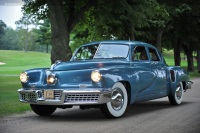
1948 Tucker 48 Vehicle Profiles



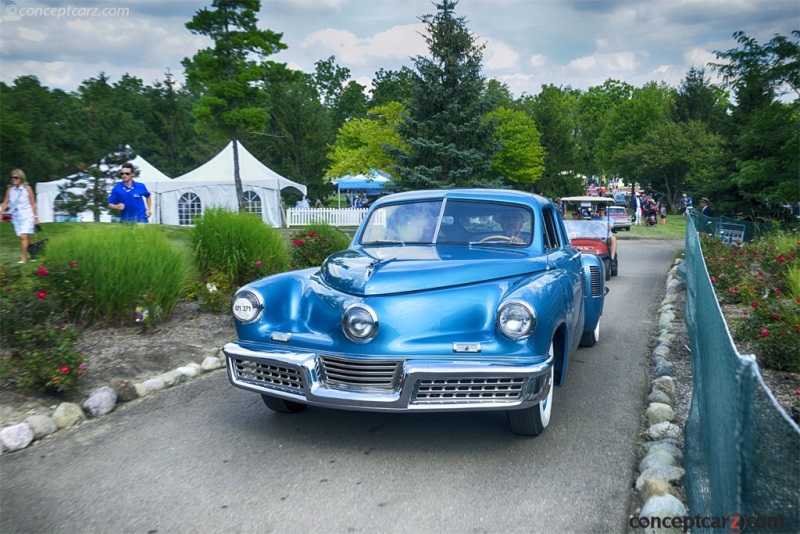

Sedan
Designer: Alex Tremulis
Sedan
Designer: Alex Tremulis
Sedan
Designer: Alex Tremulis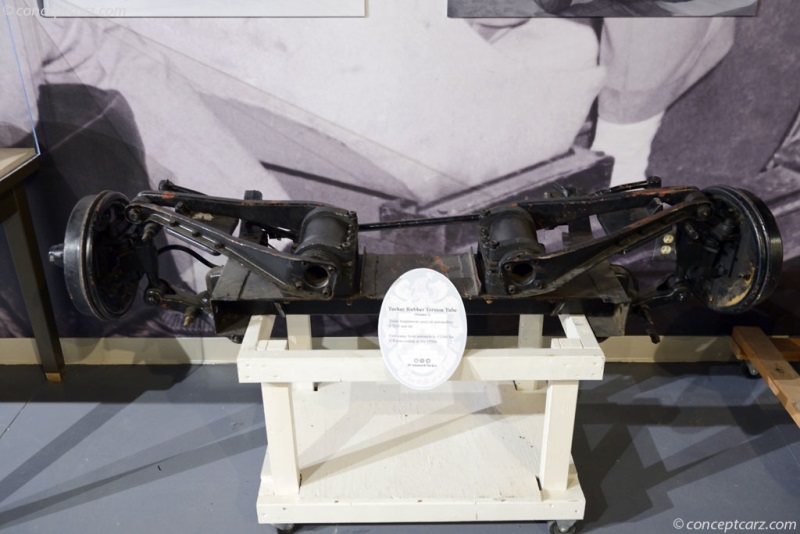
Sedan
Designer: Alex Tremulis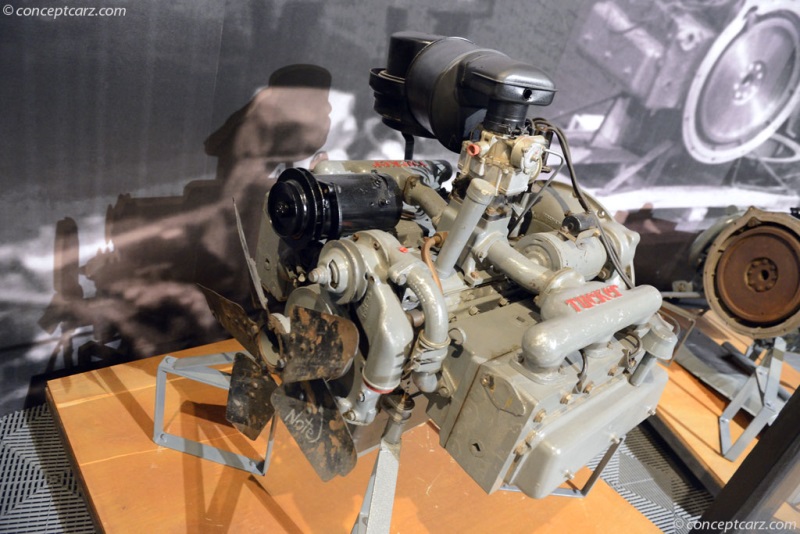
Sedan
Designer: Alex Tremulis
Sedan
Designer: Alex Tremulis
Sedan
Designer: Alex Tremulis
Sedan
Designer: Alex Tremulis

Sedan
Designer: Alex Tremulis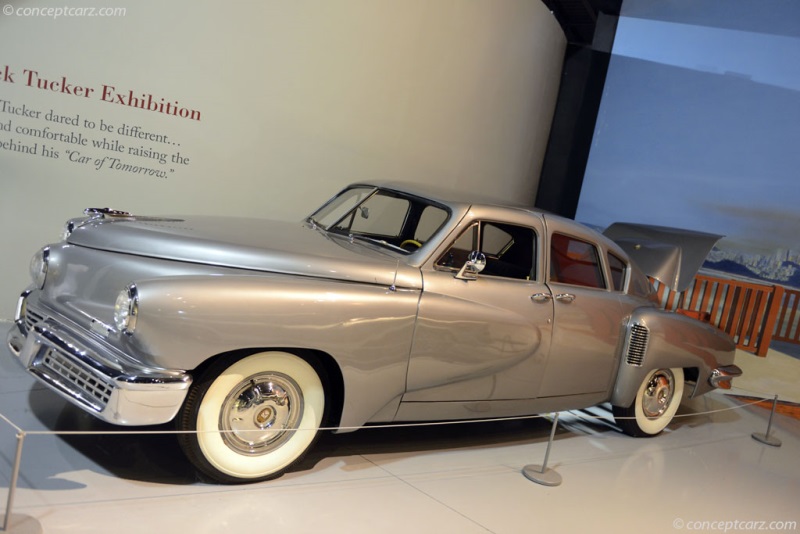
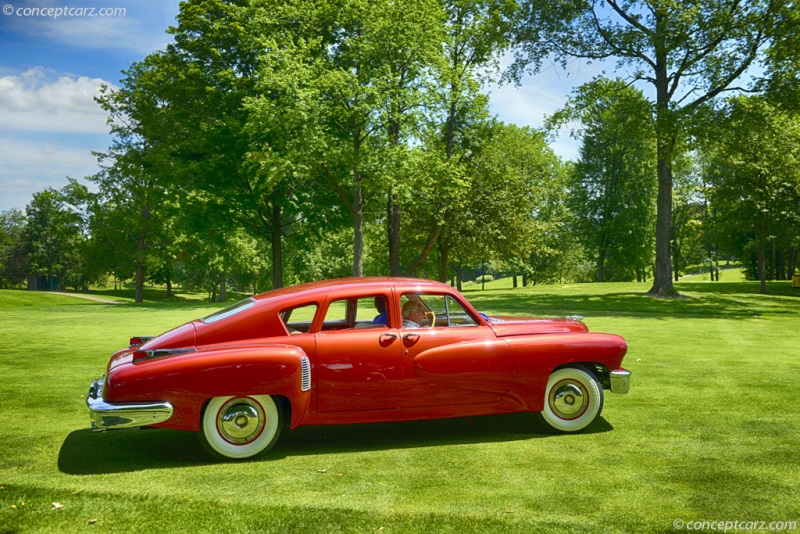

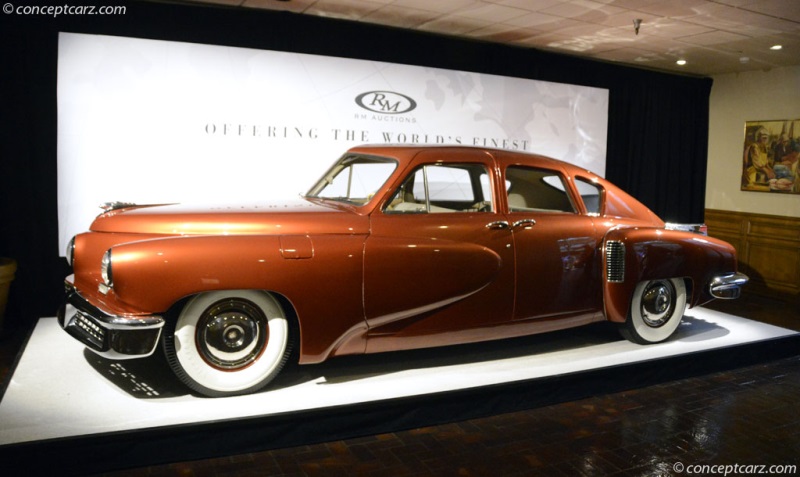


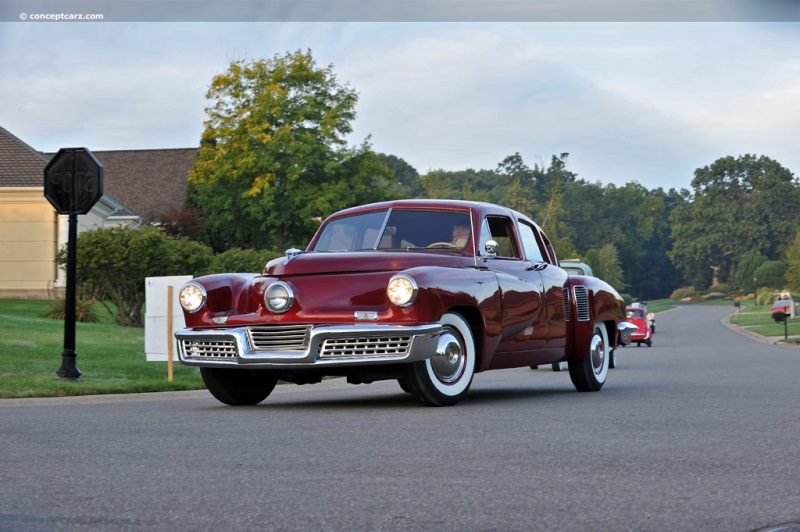


Sedan
Designer: Alex Tremulis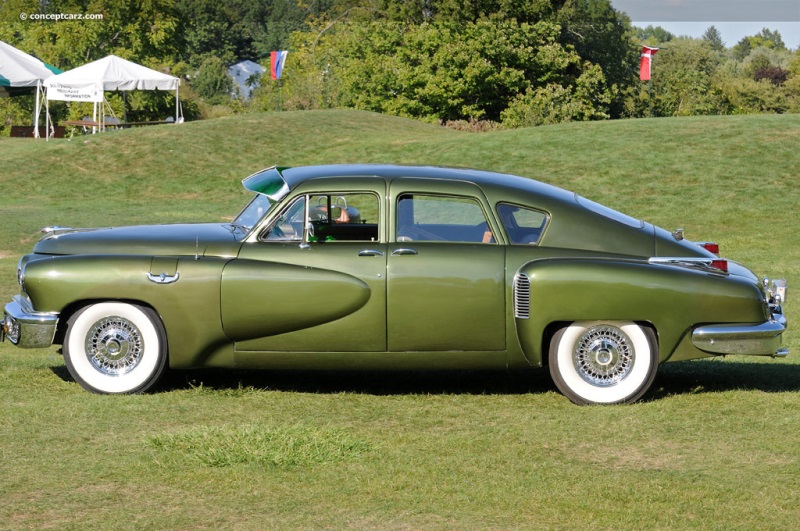
Sedan
Designer: Alex Tremulis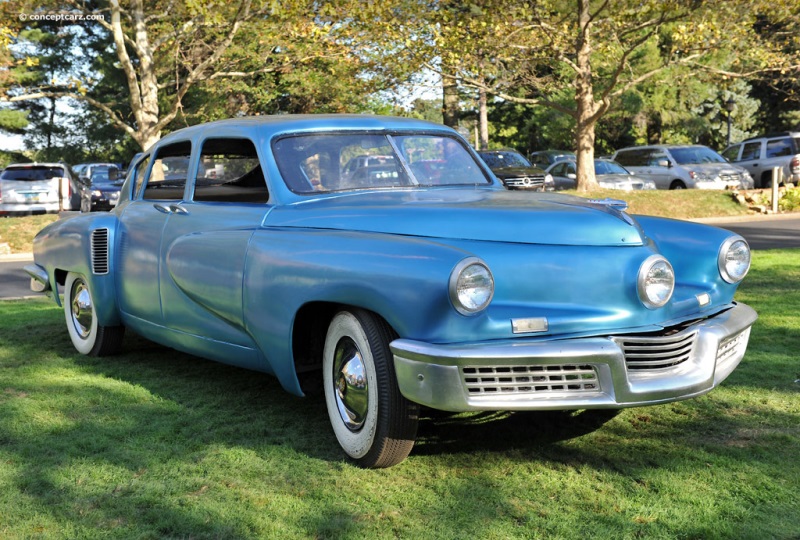
Sedan
Designer: Alex Tremulis