1919 Paige 6-66
1919 Paige 6-66 Navigation
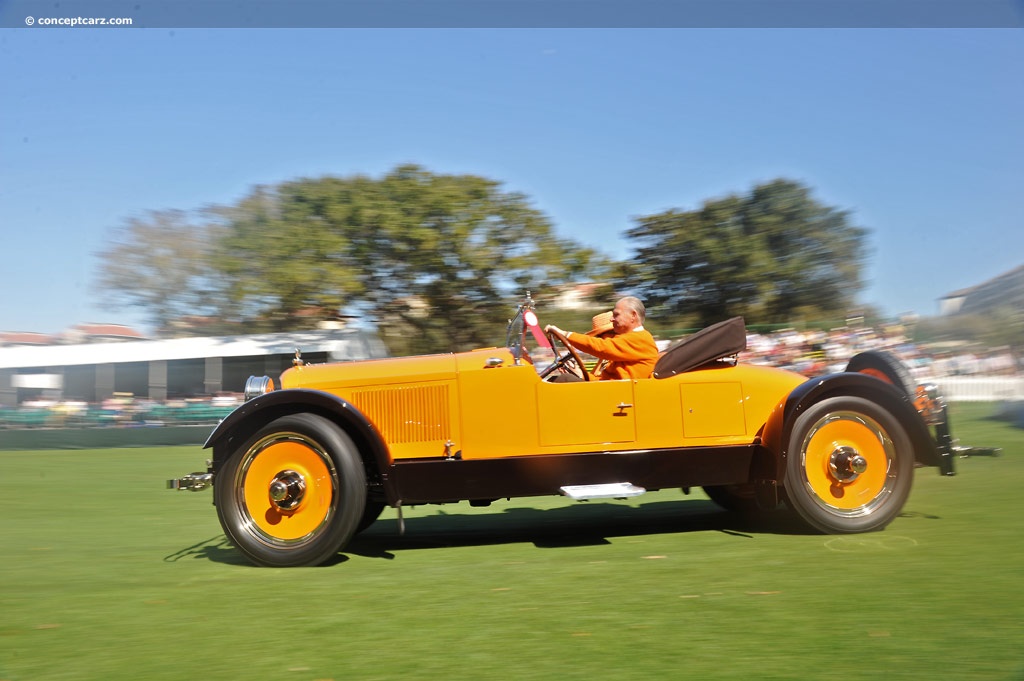
William Jewett of Detroit had made a sizeable fortune in the coal industry before entering the automobile industry. Along with his business partners, $100,000 was invested in the new Paige-Detroit Motor Car Company (sight unseen). The newly formed company was under the direction of Fred Paige, former president of Reliance Motors which had recently been absorbed by General Motors. Upon seeing the new car in 1910, Mr. Jewett fired Fred Paige and supposedly declared, 'It's rotten. A piece of junk!' Going a step further, the entire engineering staff was fired and the assembly line was shut down in 1911. Positioning himself as president, Mr. Jewett re-opened the Paige Motor Car Company.
Speedster
View info and historyProduction increased steadily and by 1914 a total of 4,631 cars were built, nearly tripling by 1916. That was the same year that the company began offering a line of automobiles solely powered by six-cylinder engines. Body styles included elegant tourers, sporty coupes, and convertibles. They proudly promoted their automobiles as 'The Most Beautiful Car in America.'Production reached 16,090 cars annually by 1920. Wanting to demonstrate their superior engineering and sporting prowess, the company decided to build the 'Paige Speedster.' A prototype was built and would serve as a test bed and demonstration model for the soon-to-be-released 'Paige Daytona.' Before it earned the name 'Daytona', a racing version of the Paige 6-66 series was driven by Ralph Mulford to a world speed record of 102.83 mph for its class. The fifty production cars that followed were known as the 'Daytona Speedster' and were advertised as the 'World's Fastest Car.'The Paige Racing Special
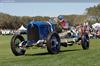
The racing special wore a special German-silver body on a stock Paige chassis and was powered by a stock Continental 6-66 engine. Ormond drove it on Florida's Ormond Beach to a Class B stock chassis record and was the first stock chassis vehicle to break the 100 mph barrier at Daytona Beach. In May of 1921, the car was brought to the 1/8-mile banked track at Uniontown, PA where Mulford proceeded to set the Class B records for all distances from five to 100 miles. It later set a new Brisbane-to-Adelaide record in Australia in 1925.The Paige Speedster Prototype
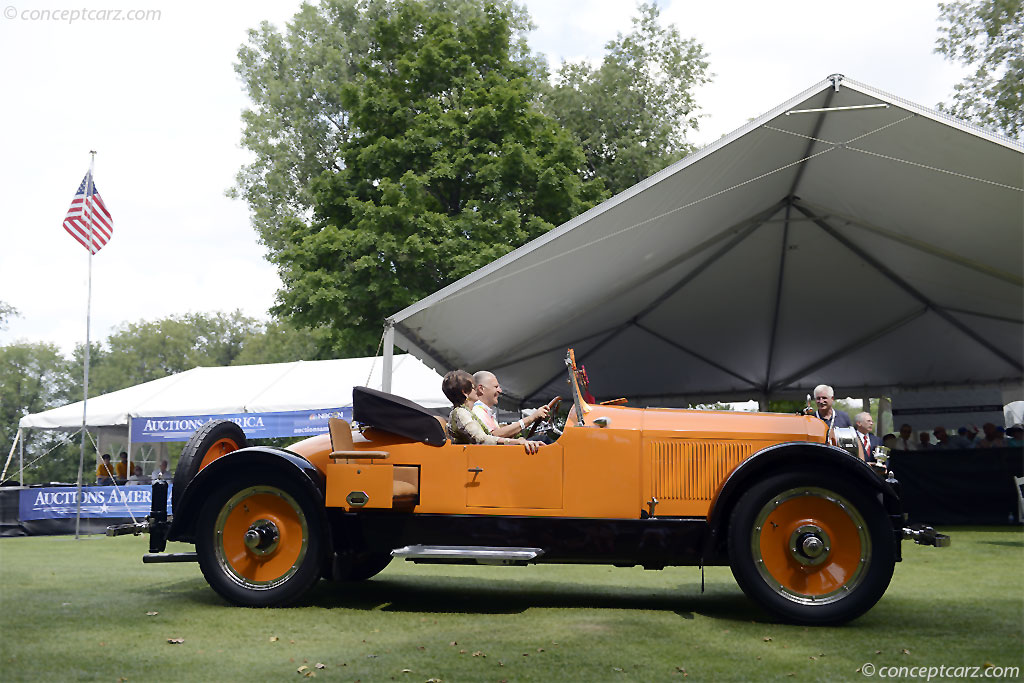
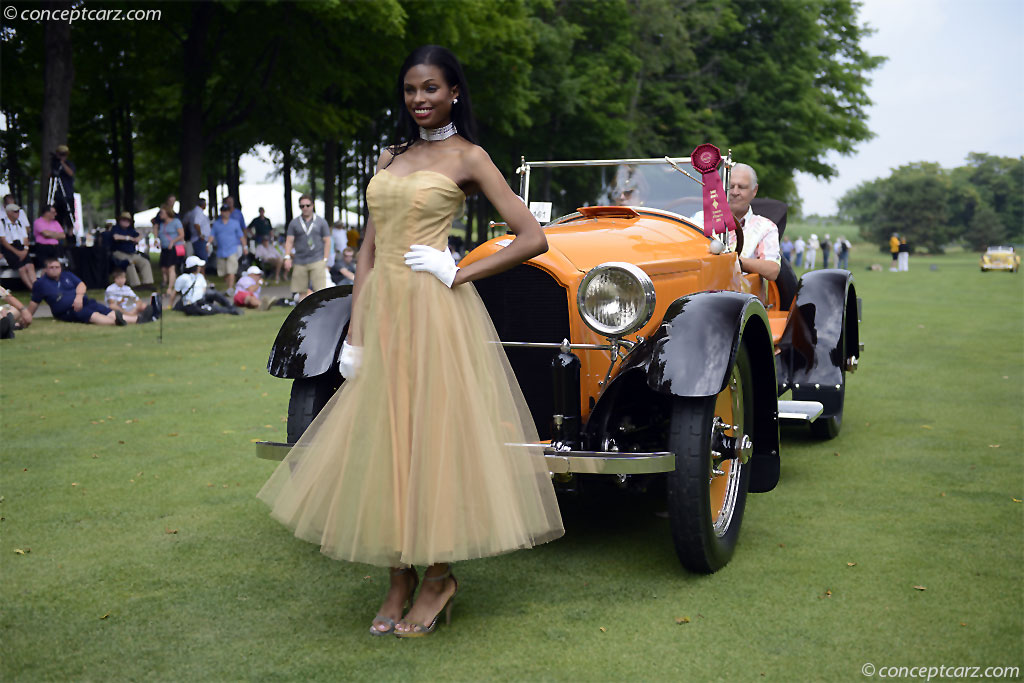
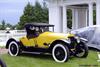
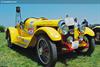
The prototype that preceded the production 6-66 Daytona Speedsters received a long wheelbase chassis with Westinghouse air springs and disc wheels. It had a boat-tail-shaped speedster body that was similar to the style of the Stutz Bearcat and Mercer Raceabout. It had a mother-in-law seat and a special dashboard layout. Beneath the bonnet was a 331.4 cubic-inch side valve Continental six-cylinder engine that produced approximately 100 horsepower. It had a three-speed manual transmission, two-wheel drum brakes, a solid front axle with leaf springs, and a live rear axle with leaf springs.
Speedster
View info and historyThe Paige Speedster Daytona had the distinction of being one of the few American sports cars of the early 1920s that could achieve a manufacturer-promised top speed in excess of 80 mph.Of the approximately 50 examples built, it is believed that 18 examples of the Daytona Speedsters have survived. The company's best year was 1923 when sales peaked at 43,500 units. During its career, approximately 400,000 Paige vehicles were built.
Speedster
View info and historyIn 1927, Jewett sold Paige to the Graham brothers, and the merged companies reconstituted as the Graham-Paige Motors Corporation.
by Daniel Vaughan | Jan 2023

Speedster
View info and history
The racing special wore a special German-silver body on a stock Paige chassis and was powered by a stock Continental 6-66 engine. Ormond drove it on Florida's Ormond Beach to a Class B stock chassis record and was the first stock chassis vehicle to break the 100 mph barrier at Daytona Beach. In May of 1921, the car was brought to the 1/8-mile banked track at Uniontown, PA where Mulford proceeded to set the Class B records for all distances from five to 100 miles. It later set a new Brisbane-to-Adelaide record in Australia in 1925.The Paige Speedster Prototype
The prototype that preceded the production 6-66 Daytona Speedsters received a long wheelbase chassis with Westinghouse air springs and disc wheels. It had a boat-tail-shaped speedster body that was similar to the style of the Stutz Bearcat and Mercer Raceabout. It had a mother-in-law seat and a special dashboard layout. Beneath the bonnet was a 331.4 cubic-inch side valve Continental six-cylinder engine that produced approximately 100 horsepower. It had a three-speed manual transmission, two-wheel drum brakes, a solid front axle with leaf springs, and a live rear axle with leaf springs.
Speedster
View info and history
Speedster
View info and history
by Daniel Vaughan | Jan 2023
Related Reading : Paige Daytona 6-66 History
The Paige Automobile Company was formed by Harry M. Jewett, a wealthy coal company owner. He had taken a ride in a two-stroke, three-cylinder car that had been created by the Reliance Motor Company. The president of the company was Fred Paige. Jewett purchased the company, reorganized it as the Paige-Detroit Motor Car Company (based in Detroit, MI), and established Fred Paige as its president. Paige....
Continue Reading >>
Continue Reading >>
- 1919 Paige 6-66 Menu
- Article
- Image gallery
- Specifications
- Profiles


1919 Paige 6-66 Vehicle Profiles

Recent Vehicle Additions


Performance and Specification Comparison
Daytona 6-66 Specification Comparison by Year
Year
Production
Wheelbase
Engine
Prices
Related Automotive News

Jeep celebrates 80 years by building an electric present and future
On 15 July, 1941, the former Willys-Overland Co. signed a contract with the U.S. War Department to begin production of the first military Jeep vehicle. Eighty years later, the Jeep brand thrives around the world with a product line-up that continues...

The Scimitar Prototypes at The Amelia Island Concours
The 2020 Amelia Island Concours dElegance brought together the only three Scimitar automobiles ever created. This rare reunion was the first time in many decades that they sat side-by-side, a once-in-a-lifetime opportunity to see them in...

Cadillac 'Die Valkyrie' Concept Car Going to Auction
One of the cars scheduled to cross Worldwide Auctioneers auction block at their Auburn Auction on September 2nd is this Cadillac Die Valkyrie Concept Car. The Die Valkyrie was featured at the 1955 and 1956 auto shows in Europe and was also shown at...

67 Vehicles offered without reserve at Worldwide's 10th annual Auburn Auction
Outstanding No Reserve offerings from three private collections among the stars at Worldwides tenth annual sale at home in Auburn
Auburn, IN. August 29, 2017. Worldwide Auctioneers tenth annual Labor Day Weekend sale, The Auburn Auction,...

Mercedes-Benz 540 K Special Roadster Headlines RM Sotheby's 2016 Arizona Biltmore Auction
RM Sothebys kicks off its 2016 collector car season, January 28 – 29 at the Arizona Biltmore Resort %26 Spa in Phoenix
17th annual sale offers superlative roster of 149 blue-chip collector cars across two sale sessions
Star attraction striking...