|
|
|
|
|
|
|
|
|
|
|
|
|
|
|
|
Both Lou Brero Jr. and his father were known for their driving skills and highly competitive spirits. It wasn't just a sport for the pair, it was a lifestyle. It didn't matter what machinery they drove, from the price of the racing machine to the size of the engine, because they easily made up for their lack there of 'whatever', in every smooth turn and move on the track. Lou Jr. has always said that 'wealthy lumbermen do not drive $1200 dollar Kurtis cars with a 17 year old mechanic, wealthy lumbermen buy $37,000 dollar Ferraris with factory mechanics.' Nonetheless, both Breros were legends that managed 'Superior performances with hard to drive machinery.'
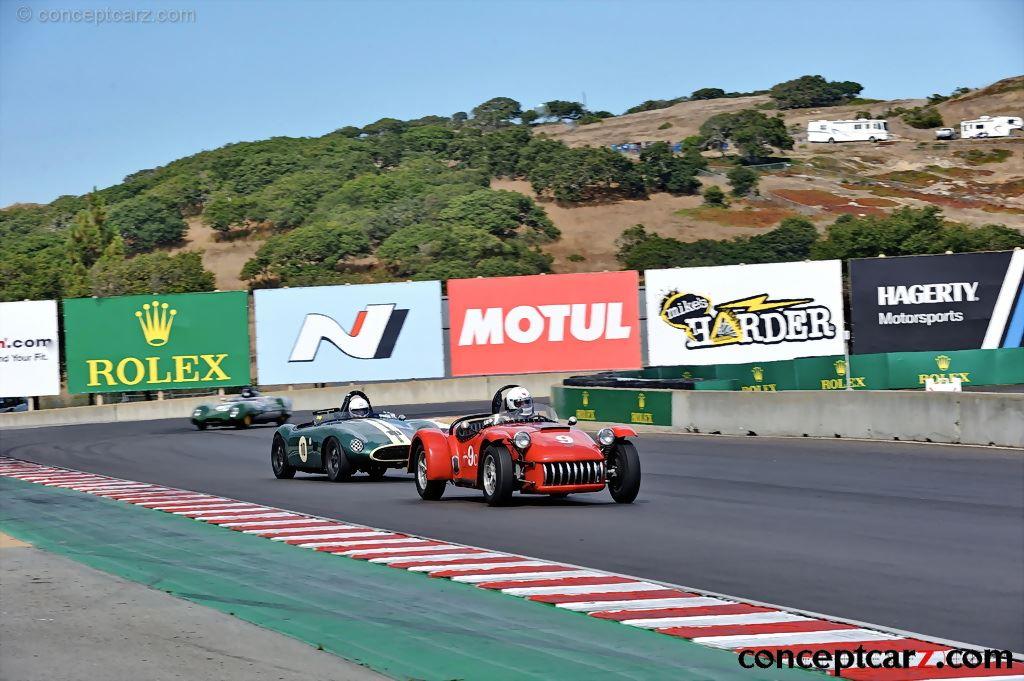
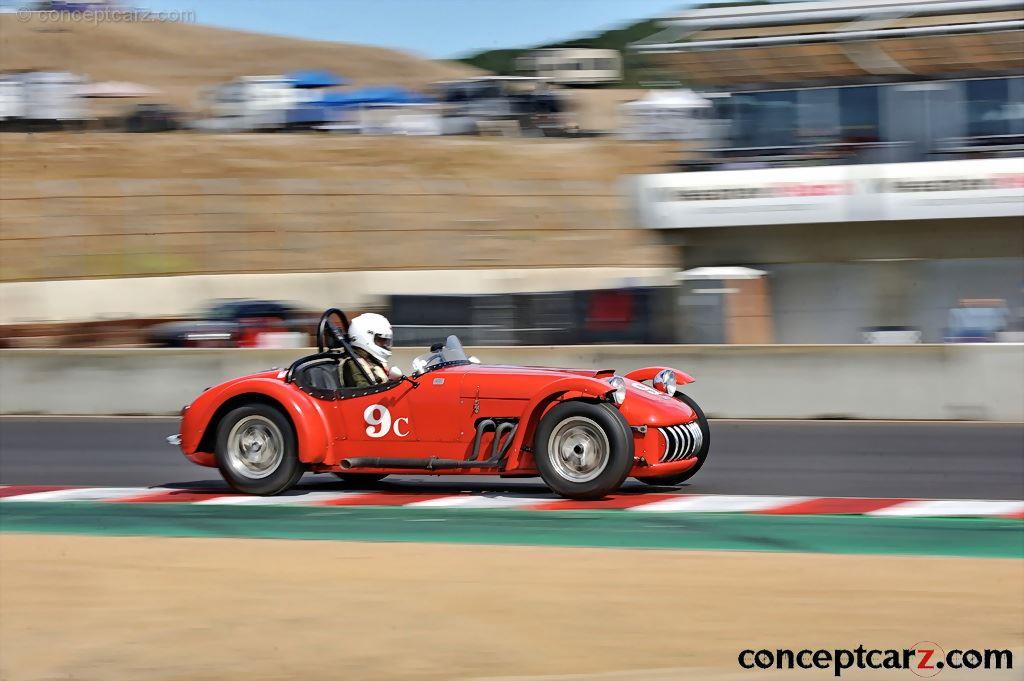
Lou Brero Jr. and his father purchased the '1953 Kurtis 500 in August of 1955, at Buchanan Field. From this day, in its original white body and red stripes, Lou Jr. came to know every inch of the Kurtis, both inside and out. He served as his father's mechanic for the majority of the races with the Kurtis, which was known for its quick starts and great acceleration. Thus, things were always looking good at the beginning of races, but didn't always seem to pull through by the finish line. At Santa Rosa in May of 1955, Lou Brero's first race with the Kurtis, he qualified on the pole amongst phenomenal competition such as Sterling Edwards and others. Unfortunately, the Kurtis suffered a broken axle and did not make a finish. The following year in 1956, Lou raced again at Santa Rosa, as well as other famous raceways such as Arcata airport in August where he went out with a broken crank, and in Seattle where the car went upside down at over 140 mph. Finally, the Breros defeated the mechanical aspects of the Kurtis, and won the cars first race in Salinas that same year with Lou's dominating driving abilities. Lou Brero had one more victory in the Kurtis in Santa Clara, and then drove his last race with the car in Sacramento, 1956. The final race in the Kurtis was driven by Lou Jr. at Nassau in 1956, who had a first in class and out-drove a factory Corvette. From that race, Lou Jr. became known as the 'kid in the red fire engine.'
![]() | ![]() | View more photos |
![]() | ![]() | View more photos Chassis Num: KK45 |
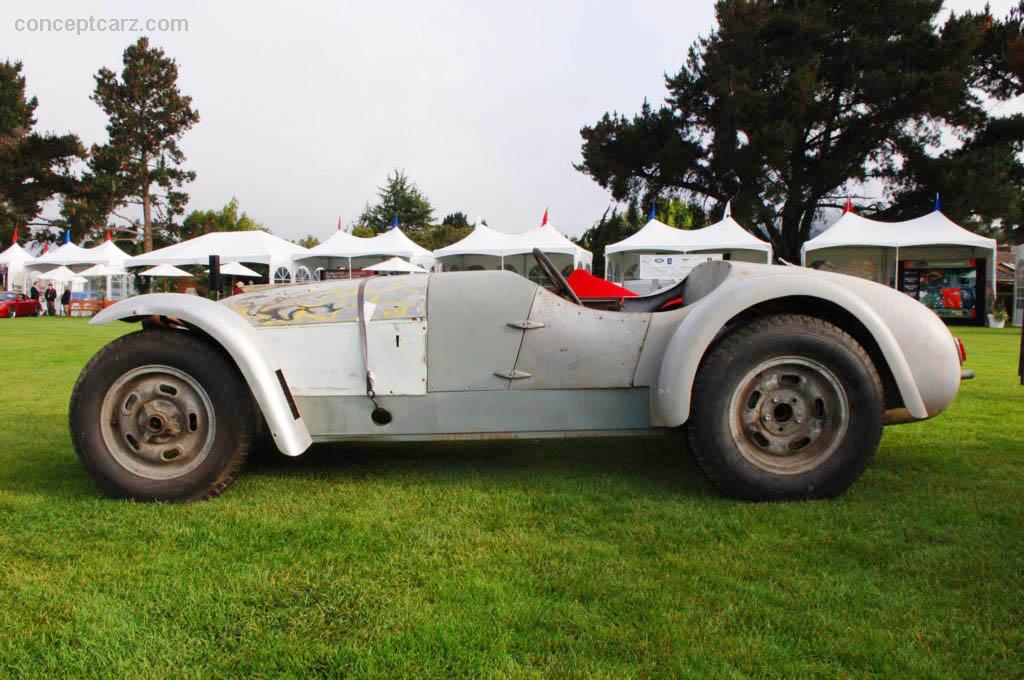
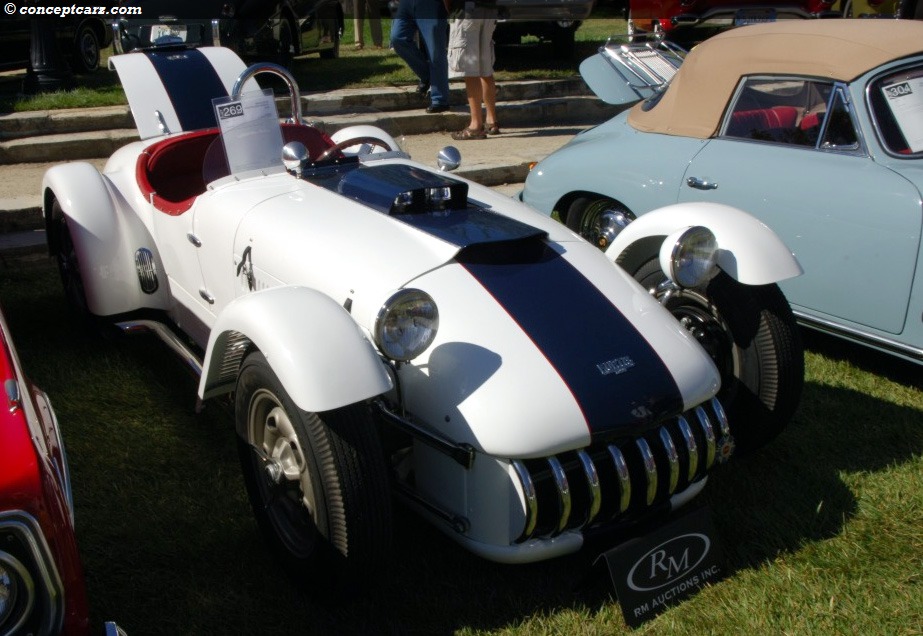
Over a thirty year period, Frank Kurtis of Glendale, California built over 800 oval track cars. Many were successful and enjoyed long and prosperous racing careers. While watching his cars race around a long oval track, it occurred to him that his chassis and suspension concept could translate nicely into road going sports cars. He launched a series of sports cars called the Kurtis 500 S, with around 25 or 30 being produced created. The very early versions featured a hand-formed aluminum body, such as this example. It began its life as an unused Kurtis KK chassis and originally outfitted with the optional Halibrand V8 quick change.
During the close of the 1980s, this car was treated to a reconstruction, using many old, original parts as possible, including the upper and lower nose panels, hood side panels, fuel tank, and Halibrand wheels. When parts were not available, they were replicated using period correct construction techniques. The reconstruction was completed in 1991 and has been in storage since.
At auction this lot found an interested buyer, willing to satisfy the vehicles reserve, and purchased the car for $104,500 including buyer's premium.
Frank Kurtis infatuations with automobiles began at an early age. His father owned a blacksmith shop located in Pueblo, Colorado that repaired automobiles and horse-and-buggy. The family later moved to Los Angeles, CA where Frank got a job working with Don Lee Cadillac, after lying about his age. By the 1930's, Frank was designing, building, and repairing racers in his four car garage located behind his house.
In 1941 he had created a car to be entered in the Indianapolis race which was driven by Sam Hanks. Near the mid-1940's, he had created two other racers designed for Indy. The first was for Ross page and the second was the Novi Special. The Novi V8 Specials were racing cars designed to compete at Indianapolis from 1941 through 1965. These were very fast and powerful machines that had a reputation for their handling, which had claimed the lives of two drivers.
During the 1940's, Kurtis fostered a reputation for his midget and Indy racers. In 1946, the Kurtis Miller Ross Page Special had been created and was ready to compete in the first Indy 500 after World War II. The rear faring was constructed of Plexiglas and powered by a 183 cubic-inch Offenhauser engine. It competed in the 1946-1948 Indianapolis 500 races.
By 1947 he had created the Kurtis-Kraft Special, his personal entrant in the 1948 Indy race. This one-off was built specifically to Frank Kurtis's specification and desire. During the 1948 season, it carried Frank to a 9th place finish at Indy and 12th in points. For the 1949 season, under the name of Wynn's Oil Special, it was driven by Johnny Parson and wearing the number 1 on its side, to a first overall finish at Indianapolis. The vehicle was later sold to Jim Robbins who drove it in the 1951 Indianapolis race where he finished with an impressive 2nd overall.
During the early 1950's, Kurtis continued to built Indianapolis and midget racers. He even began building sports cars which later evolved into the Muntz Road Jet. By 1952, the majority of cars entered in the Indianapolis race were designed and built by Kurtis Kraft.
In 1952, Herb Porter and Frank Kurtis built the Wolcott Special, also known as the Kurtis 500A. It ran at Indianapolis in 1952, driven by Joie James, where it set records and lap times of 140 mph.
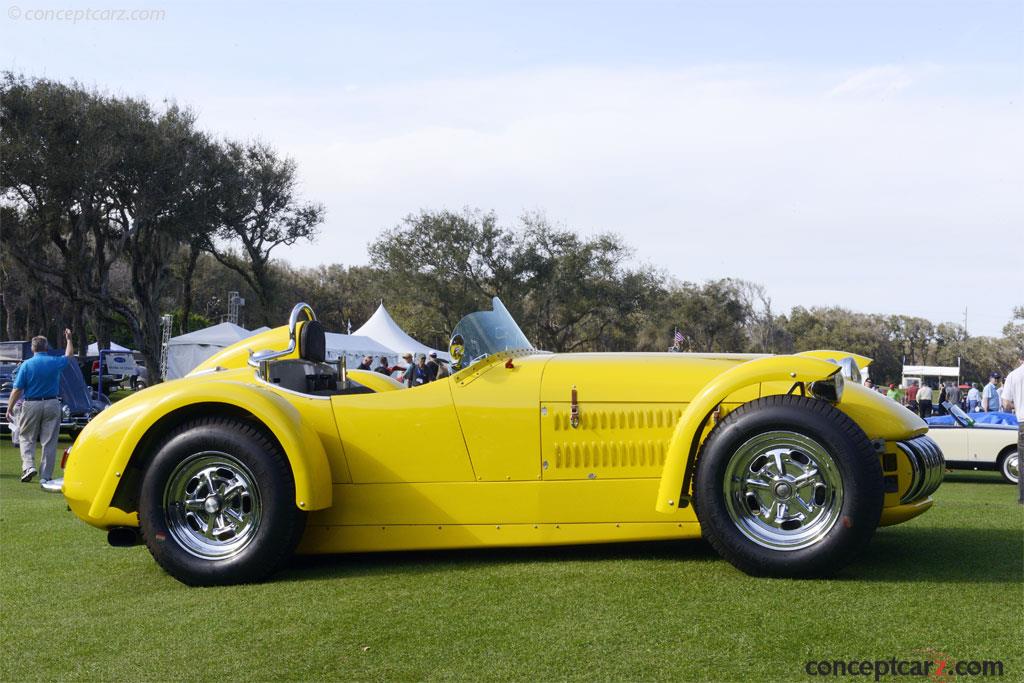
The 500 S was constructed in 1953 where it quickly proved its potential at sporting events around the country. The 500 S was quickly followed by the 500 M. In total there were about 30 examples of the 500 S produced between 1953 through 1955. Most sat on a wheelbase from 88 to 100 inches in length. The engine was various V8's from American Companies such as Chrysler, Buick, Cadillac, Lincoln, Mercury, Chevrolet, and DeSoto. Because of this the specifications varied greatly. The body was constructed of aluminum or fiberglass and sat atop a ladder frame. The suspension was a live axle in the front and rear with torsion bars in the front. The cost of these cras was just under $5000. The 500S was used by privateers and the factory for racing endeavours. Drivers such as Briggs Cunningham, Frank McGurk, Jack Ensley, and Mickey Thompson drove a 500S. In 1954 Ensley won the SCCA B-Modified National Championship.
There were six 500 X cars produced during the mid-1950's. The cars featured a four-bar torsion suspension, hand-formed aluminum panels, and a 364 cubic-inch Buick nailhead engine with Hilborn fuel injection.
In 1956, Frank left the Kurtis-Kraft Company and his business partners to begin his new company called Frank Kurtis Company. The company continued to build midget roadsters, go-karts, and sports cars. Since then, the company has shifted their focus to designing airplanes. Contracts with Lockheed Corporation lead to the construction of Start Carts for the SR-71 Blackbird.
In 1968 Frank retired from the company leaving his son Arlen in charge.
During Frank Kurtis's illustrious career, he created vehicles that dominated the midget racing series, racers that filled the grid at Indianapolis, and sports cars that were street legal Indianapolis racer variants. His custom creations, such as his 1941 Buick was sensational which ultimately led to the Muntz Jet automobiles.
In 1941 he had created a car to be entered in the Indianapolis race which was driven by Sam Hanks. Near the mid-1940's, he had created two other racers designed for Indy. The first was for Ross page and the second was the Novi Special. The Novi V8 Specials were racing cars designed to compete at Indianapolis from 1941 through 1965. These were very fast and powerful machines that had a reputation for their handling, which had claimed the lives of two drivers.
During the 1940's, Kurtis fostered a reputation for his midget and Indy racers. In 1946, the Kurtis Miller Ross Page Special had been created and was ready to compete in the first Indy 500 after World War II. The rear faring was constructed of Plexiglas and powered by a 183 cubic-inch Offenhauser engine. It competed in the 1946-1948 Indianapolis 500 races.
By 1947 he had created the Kurtis-Kraft Special, his personal entrant in the 1948 Indy race. This one-off was built specifically to Frank Kurtis's specification and desire. During the 1948 season, it carried Frank to a 9th place finish at Indy and 12th in points. For the 1949 season, under the name of Wynn's Oil Special, it was driven by Johnny Parson and wearing the number 1 on its side, to a first overall finish at Indianapolis. The vehicle was later sold to Jim Robbins who drove it in the 1951 Indianapolis race where he finished with an impressive 2nd overall.
During the early 1950's, Kurtis continued to built Indianapolis and midget racers. He even began building sports cars which later evolved into the Muntz Road Jet. By 1952, the majority of cars entered in the Indianapolis race were designed and built by Kurtis Kraft.
In 1952, Herb Porter and Frank Kurtis built the Wolcott Special, also known as the Kurtis 500A. It ran at Indianapolis in 1952, driven by Joie James, where it set records and lap times of 140 mph.
The 500 S was constructed in 1953 where it quickly proved its potential at sporting events around the country. The 500 S was quickly followed by the 500 M. In total there were about 30 examples of the 500 S produced between 1953 through 1955. Most sat on a wheelbase from 88 to 100 inches in length. The engine was various V8's from American Companies such as Chrysler, Buick, Cadillac, Lincoln, Mercury, Chevrolet, and DeSoto. Because of this the specifications varied greatly. The body was constructed of aluminum or fiberglass and sat atop a ladder frame. The suspension was a live axle in the front and rear with torsion bars in the front. The cost of these cras was just under $5000. The 500S was used by privateers and the factory for racing endeavours. Drivers such as Briggs Cunningham, Frank McGurk, Jack Ensley, and Mickey Thompson drove a 500S. In 1954 Ensley won the SCCA B-Modified National Championship.
There were six 500 X cars produced during the mid-1950's. The cars featured a four-bar torsion suspension, hand-formed aluminum panels, and a 364 cubic-inch Buick nailhead engine with Hilborn fuel injection.
In 1956, Frank left the Kurtis-Kraft Company and his business partners to begin his new company called Frank Kurtis Company. The company continued to build midget roadsters, go-karts, and sports cars. Since then, the company has shifted their focus to designing airplanes. Contracts with Lockheed Corporation lead to the construction of Start Carts for the SR-71 Blackbird.
In 1968 Frank retired from the company leaving his son Arlen in charge.
During Frank Kurtis's illustrious career, he created vehicles that dominated the midget racing series, racers that filled the grid at Indianapolis, and sports cars that were street legal Indianapolis racer variants. His custom creations, such as his 1941 Buick was sensational which ultimately led to the Muntz Jet automobiles.
| Photos grouped by event | ||
![]() PVGP Historic Races at BeaveRun |
![]() Monterey Sports and Classic Car Auction |
![]() The Quail: A Motorsports Gathering |
1953 Kurtis Kraft 500S |
|
| Year | 1953 |
| Make | Kurtis |
| Model | Kraft 500S |
| Engine Location | Front |
| Drive Type | Rear Wheel |
| Body / Chassis | Aluminum body on ladder frame |
| Production Years for Series | 1953 - 1955 |
| Price | $4,986.00 |
| Weight | 1800 lbs | 816.5 kg |
| Combined MPG | 0.00 |
| Chassis / Engine Numbers Shown | |
| Chassis Number | KK45 |
| Performance | |
| 0-60 mph | 7.7 seconds. |
| Engine | |
| Engine Builder | Chrysler |
| Engine Configuration | V |
| Cylinders | 8 |
| Engine | Small-Black |
| Aspiration/Induction | Normal |
| Displacement | 400.00 CU IN. | 6556 cc. | 6.6 L. |
| Horsepower | 160.00 HP (117.8 KW) |
| HP to Weight Ratio | 11.3 LB / HP (Vehicles with similar ratio) |
| HP / Liter | 24.2 BHP / Liter |
| Fuel Type | Gasoline - Petrol |
| Block | Aluminum |
| Head | Aluminum |
| Vehicles with similar horsepower and weight | |
| Standard Transmission | |
| Gears | 3 |
| Transmission | Manual |
| View more photographs |
| Similar Automakers |
| Add Review |
| View Reviews (1) |
| Kurtis History |
| Other models by Kurtis |
| View Specifications |
| Articles and Event Coverage |
| PVGP Historic Races at BeaveRun |
| Monterey Sports and Classic Car Auction |
| The Quail: A Motorsports Gathering |
| Additional Resources and Links |
| Quail : A Motorsports Gathering Official Website |
| Monterey Sports & Classic Car Auction by RM Auctions Official Website |
| PVGP BeaveRun Historic Races Official Website |
| Topics |
|
kurtiss 1953 500s for sale?
Replies: 1 Thursday, January 04, 2007 |
| 1953 Kurtis models |
| 500B |
| Other Model Years |
| 1954 Kraft 500S |
| 1952 Kraft 500S |
| Vehicle Spotlight | ||
![]() | ![]() | ![]() |
![]() | ![]() | ![]() |
![]() | ![]() | ![]() |
![]() | ![]() | ![]() |
![]() | ![]() | ![]() |
![]() | ![]() | ![]() |