1973 BMW 3.0 CSL

1973 BMW 3.0 CSL Navigation
During 1973, the BMW engine helped STP March Racing Team driver Jean-Pierre Jarier capture the European Formula 2 Championship and BMW captured the European Touring Car Championship (ETCC) using the 3.0 CSL 'Batmobile.' 
Coupe
Chassis #: 2275295Ford of Europe had joined the ETCC in 1970 with the all-new Capri coupe. It had a powerful V6 engine and lightweight construction, and BMW's challenger was an Alpina tuned racing version of the BMW 2800 CS. With the help of three Weber carburetors, the three-liter six-cylinder engine offered around 300 horsepower, but its overall weight kept it from being competitive. Sufficient work was required to make it competitive, which ultimately led to the creation of a new model.BMW had returned to the six-cylinder engine for its top-of-the-line models in 1968 with the introduction of the 2500 and 2800 saloons, and the 2800CS coupe. The 3.0-liter CS was introduced in 1971 and brought with it numerous improvements, including the 180 horsepower engine and four-wheel ventilated disc brakes. The racing version was known as the 3.0 CSL (Coupé Sport Leicht) and was visually indistinguishable from the E9 CS and CSi versions. This racing special built to homologate Group 2 competition, used thinner and lighter gauge steel for the main bodyshell, aluminum alloy for the doors, hood and boot lid, chrome arch extensions to accommodate wider alloy wheels, had its trim removed, and Perspex for the windows. These weight-saving measures, earning it the name 'Leicht', reduced the overall weight by 300 lbs. The CSLs produced in late 1971 and early 1972 were only offered in left-hand-drive and powered by a 2,985cc M30 inline-6 with twin carburetors. During late 1972 and early 1973, the carbureted version was replaced by a fuel-injected model displacing 3,003cc and available in right-hand-drive. After sufficient numbers were built, the fractionally over-bored engine was homologated for the over 3-liter class in Group 2 competition. These weight-saving measures helped it compete against the dominant Ford Capris, unlike the prior E9 CS Coupes which had suffered from a weight handicap.
Coupe
Chassis #: 2275465The CSi were well-balanced with an all-round independent suspension with MacPhersons struts in the front and semi-trailing arms in the back. The steering was responsive and the disc brakes provided the stopping power. The final cars all had LHD configuration and a larger fuel-injected 3,153cc engine, and were built in two distinct production runs during late 1973 and 1974 through 1975.In road trim, the engine offered 206 horsepower while the track version with the Kugelfischer Fuel Injection system produced well over 300 horsepower. The engine's stroke grew even larger in 1973, enlarging the capacity to 3,153c (nominally 3.2-liters). Additionally, the four-speed gearbox was replaced by a Getrag five-speed unit. From mid-season forward used the 'Batmobile' (nickname) aerodynamic package, developed at Stuttgart University. The 'Batmobile' package was illegal for road use in Germany, so when the vehicle's left the factory, the wings were left in the trunk and final installation was left to the purchaser. Other items included in the package were a front chin spoiler and various other aerodynamic trim add-ons.
Coupe
Chassis #: Luigi001With the help of the Batmobile package, the CLS was able to outpace the Ford Capri RS2600s and Toine Hezemans captured the 1973 European Touring Car Championship for BMW in a 3.0 CSL. Dieter Quester and Hezeman were able to capture a class victory at Le Mans that year. During the off-season, Ford and BMW continued to improve upon their race cars. Both automakers were able to increase power to over 400 bhp with the help of twin cams and four valves per cylinder head. Inspired by BMW, Ford improved upon its aerodynamic package. By the start of the 1974 season, the global oil crisis was a major concern, resulting in many teams withdrawing from competition. Both BMW and Ford works teams decided to wait until the season round to debut their latest race cars. Ten BMWs were entered for the Nurburgring race, with all ten unable to finish the race, leaving Ford to capture the victory with a Zakspeed Escort. BMW eventually left the championships, leaving an easy victory for Ford and their driver Hans Heyer.
Coupe
Chassis #: 2275204At the end of the season, Ford left the championship leaving the 1975 season to be contested by privateers. From 1975 onwards the BMW 24 valve 'Batmobile' CSLs won five consecutive European Touring Car Championships, led by the Schnitzer and Alpina teams. For the 1976 season, rule changes were introduced which banned the four-valve head and big body kits. They found a new home in the United States where they were re-homologated to compete in the Group 4 & 5 class in the IMSA GTO championship.All of the fuel-injected CLSs have a unique chassis number sequence and model code. CSLs with the 3.0-liter fuel-injected motor have VINs that run from 2275001 through 2275429 for the left-hand-drive configuration and 2285001 through 2285500 for the right-hand-drive models.The 3.0 CSL race cars were the first cars to be developed under the new BMW subsidiary, established in 1972 – BMW Motorsport GmbH. They were also the first to sport the newly designated official colors of BMW Motorsport-red, blue and purple. The 3.0 CSL won six European Touring Car Championships between 1973 and 1979, as well as national championships in several other countries.
by Daniel Vaughan | Feb 2020
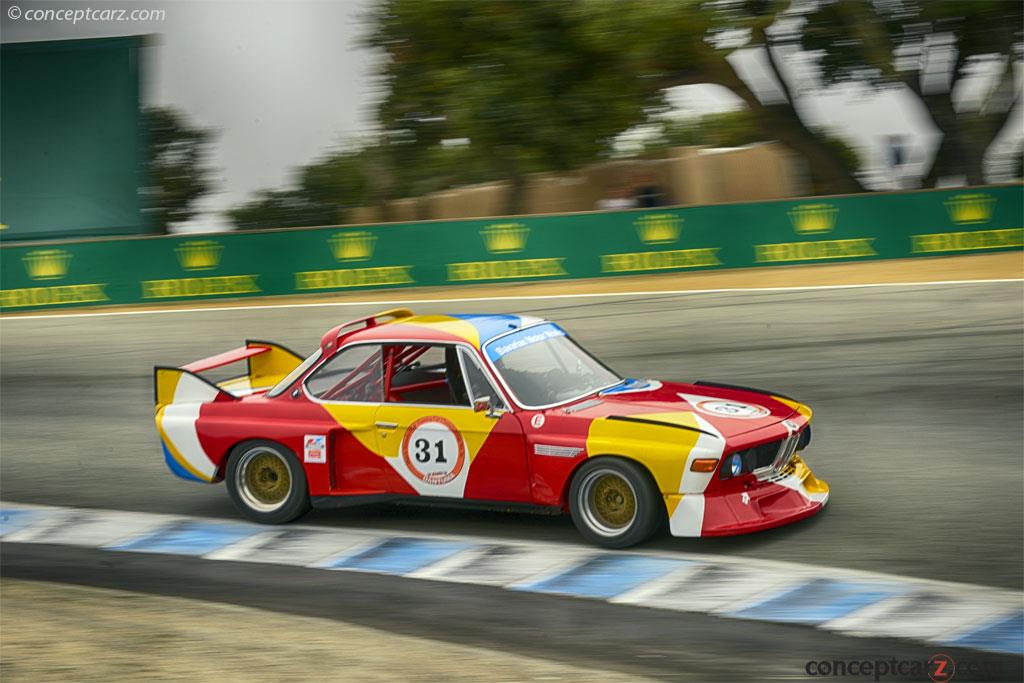
Coupe
Chassis #: 2275295
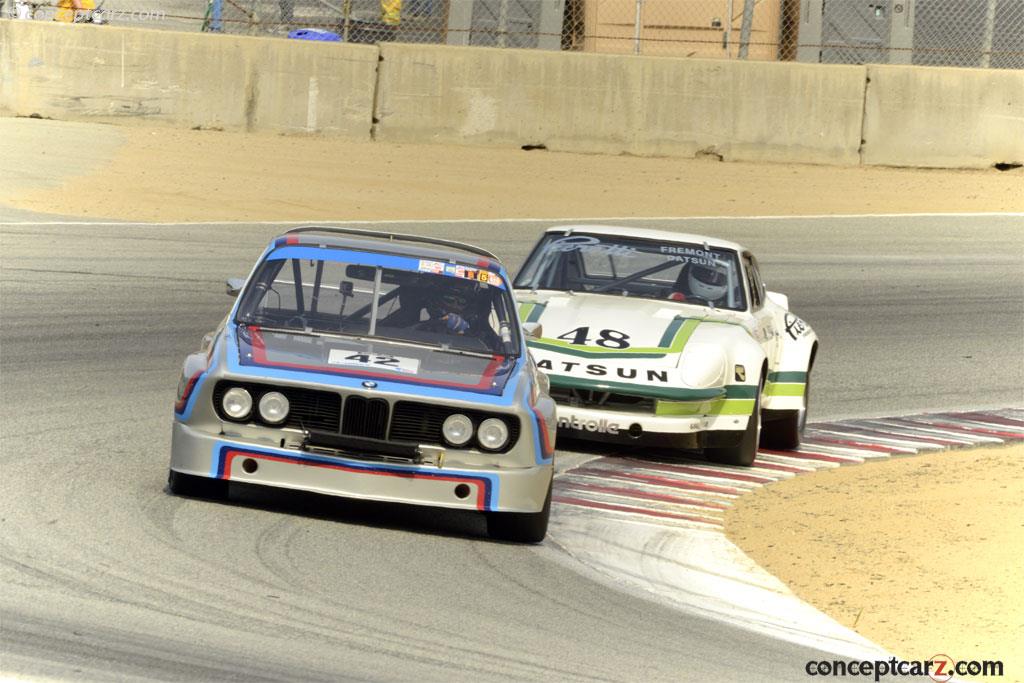
Coupe
Chassis #: 2275465
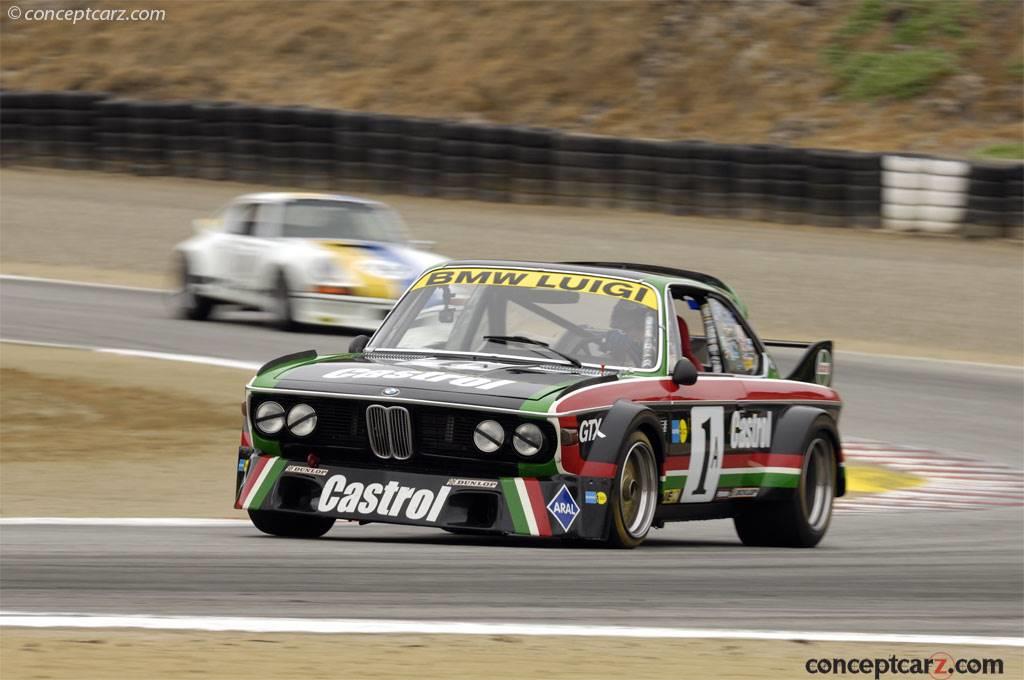
Coupe
Chassis #: Luigi001
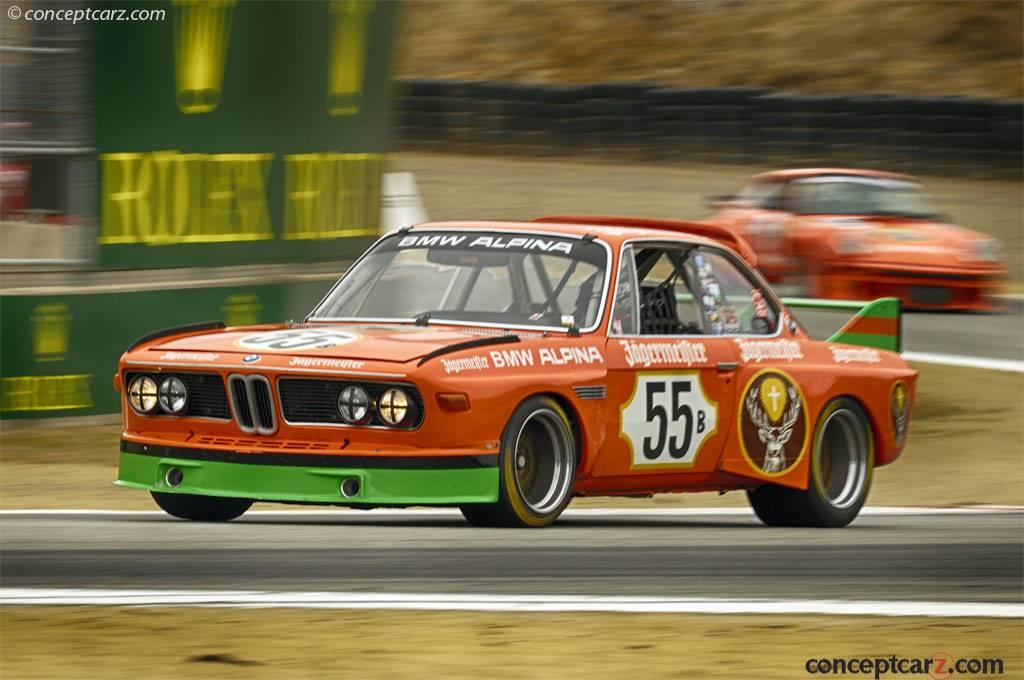
Coupe
Chassis #: 2275204
by Daniel Vaughan | Feb 2020
Related Reading : BMW 3.0 CSL History
The 3.0 CSL race cars were the first cars to be developed under the new BMW subsidiary, established in 1972 – BMW Motorsport GmbH. They were also the first to sport the newly designated official colors of BMW Motorsport-red, blue and purple. Based on the 3.0 CS coupe production car, the CSL (L is for lightweight, referring to the aluminum doors and hood) began an assault on European touring....
Continue Reading >>
Continue Reading >>
Related Reading : BMW 3.0 CSL History
The BMW 3.0 CSL was a brilliant car introduced at a time when the Touring Car racing class had gained proper popularity and there was a strong demand for a competitive vehicle. The class had increased in popularity with the four-door saloons such as the Ford Cortina and the Alfa Romeo Giulia. Rule changes were later added which required the cars to have only two doors, making the prior cars obsolete.....
Continue Reading >>
Continue Reading >>
- 1973 BMW 3.0 CSL Menu
- Article
- Image gallery
- Valuation
- Specifications
- Profiles
- Production figures
BMW
Similar Vehicles

Similar Automakers
Similarly Sized Vehicles
from 1973


1973 BMW 3.0 CSL Vehicle Profiles



Recent Vehicle Additions


Related Automotive News

BMW NA 50th Anniversary | 50 Stories for 50 Years Chapter 5: 'BMW Motorsport and the Mighty CSL Win The 1975 12 Hours of Sebring'
If youre an automotive executive in charge of sales and marketing, how do you raise the companys profile when youre unable to advertise Thats the situation faced by Bob Lutz in 1974, when he was attempting to replace Max Hoffmans independent US...

BMWUSA CLASSIC TO RUN SEVEN CLASSIC RACE CARS IN CENTENARY CELEBRATION AT THE ROLEX MONTEREY MOTORSPORTS REUNION 2016
Woodcliff Lake, N.J. – August 9, 2016…BMW USA Classic will run seven historic race cars at the 2016 Rolex Monterey Motorsports Reunion on August 18-21 in Monterey, California. BMW is the featured marquee at the Rolex Reunion and the brand will...

BMW OF NORTH AMERICA CEO TO RACE HISTORIC BMW 3.0 CSL AT THE ROLEX MONTEREY MOTORSPORT REUNION
1975 12 Hours of Sebring and 2014 Amelia Island Concours dElegance winning 3.0 CSL No. 25 to race at Rolex Monterey Motorsport Reunion.
Woodcliff Lake, N.J. – August 6, 2014 …Today BMW announced that BMW of North America President and...

BMW 3.0 CSL #25 WINS AGAIN
39 Years after winning the 1975 12 Hours of Sebring, BMW 3.0 CSL #25 Wins Best-in-Class at 2014 Amelia Island Concours dElegence.
Woodcliff Lake, NJ – March 11, 2014 . . . The BMW 3.0 CSL Group 4 race car that won the 1975 12 Hours of...

BMW TO BE FEATURED AT SARATOGA AUTOMOTIVE MUSEUM
BMW History and Heritage on four wheels and two on display from May – November, 2013
Woodcliff Lake, NJ – March 8, 2013… BMWs rich heritage will be showcased at the Saratoga Automobile Museum in an exhibition called BMW – The Ultimat...