History
The Lotus Europa was built from 1966 through 1975 and was one of the first vehicles to use a mid-engine rear-wheel drive layout. During its production lifespan, around 9,300 examples were produced. Ron Hickman, the directory of Lotus Engineering, produced drawings in 1963. The vehicle sat low and was designed as a replacement for the popular Lotus 7.
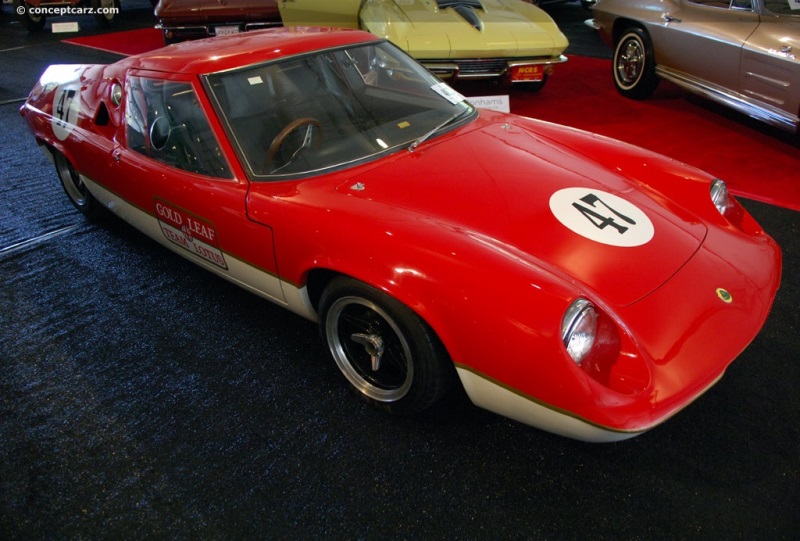
The first series constructed was the Type 46 Series 1, also known as S1. The Type 47 was the competition sports car. Colin Chapman, the owner of Lotus Cars, designed the Europa around his 'minimalist' beliefs, meaning the vehicle was only given the materials that it needed and all efforts were made to reduce the overall weight of the vehicle. The vehicle was to be inexpensive performance machine. The chassis was constructed of steel while the body was fiberglass. The fiberglass body was bonded to the chassis meaning repair was difficult. The windows and seats were fixed and not adjustable. The steering and pedals were adjustable. An OHV 1470 cc four-cylinder Renault engine and gearbox were used to power the vehicle. The front brakes were discs while in the back were drums. In total, around 650 examples of the S1 were created.
In April of 1968 the next installment, the Series 2, was introduced. Also known as the Type 54, or S2, it brought about luxurious and revised interior amenities such as adjustable seats, wood trim, and much-needed electric windows. The 1470 cc Renault engine was borrowed from the Type 46. In 1969, in an effort to export to the US market and to comply with United States federal regulations and standards, the Type 65, also known as S2 Federal, was created. The S2 Federal featured a Renault 1565 cc engine and modifications to the body for compliant with US D.O.T. standards.
In 1971 Lotus introduced the Type 74 Europa TC, meaning Twin-Cam. Outfitted with a 1558 cc twin-cam engine and a Renault five-speed manual gearbox, the vehicle was capable of producing just over 100 horsepower. The body was enlarged to provide extra interior room for passengers. In total, around 1580 examples were produced.
In 1973, Lotus introduced the Europa TC Special. It was given a Austin five-speed manual gearbox and a Lotus Big Valve engine that produced 126 horsepower. Zero-to-sixty took just seven seconds while top speed of the 740 kg machine was 123 mph. In total, 3,130 examples were produced.
In 1975, production ceased.
By Daniel Vaughan | Oct 2012
The first series constructed was the Type 46 Series 1, also known as S1. The Type 47 was the competition sports car. Colin Chapman, the owner of Lotus Cars, designed the Europa around his 'minimalist' beliefs, meaning the vehicle was only given the materials that it needed and all efforts were made to reduce the overall weight of the vehicle. The vehicle was to be inexpensive performance machine. The chassis was constructed of steel while the body was fiberglass. The fiberglass body was bonded to the chassis meaning repair was difficult. The windows and seats were fixed and not adjustable. The steering and pedals were adjustable. An OHV 1470 cc four-cylinder Renault engine and gearbox were used to power the vehicle. The front brakes were discs while in the back were drums. In total, around 650 examples of the S1 were created.
In April of 1968 the next installment, the Series 2, was introduced. Also known as the Type 54, or S2, it brought about luxurious and revised interior amenities such as adjustable seats, wood trim, and much-needed electric windows. The 1470 cc Renault engine was borrowed from the Type 46. In 1969, in an effort to export to the US market and to comply with United States federal regulations and standards, the Type 65, also known as S2 Federal, was created. The S2 Federal featured a Renault 1565 cc engine and modifications to the body for compliant with US D.O.T. standards.
In 1971 Lotus introduced the Type 74 Europa TC, meaning Twin-Cam. Outfitted with a 1558 cc twin-cam engine and a Renault five-speed manual gearbox, the vehicle was capable of producing just over 100 horsepower. The body was enlarged to provide extra interior room for passengers. In total, around 1580 examples were produced.
In 1973, Lotus introduced the Europa TC Special. It was given a Austin five-speed manual gearbox and a Lotus Big Valve engine that produced 126 horsepower. Zero-to-sixty took just seven seconds while top speed of the 740 kg machine was 123 mph. In total, 3,130 examples were produced.
In 1975, production ceased.
By Daniel Vaughan | Oct 2012


1968 Lotus Type 47 Europa Vehicle Profiles
Recent Vehicle Additions


Related Automotive News

Caterham reveals 50 facts to mark 50 years of the brand
50 facts for 50 years Caterham® celebrates its 50th anniversary with a look back on its unrivalled history
Starting with how the company was born in a pub in Primrose Hill through to its famous former owners such as Sir Chris Hoy and Rowan Atkins...

Ignition Festival Gathers The Greatest Collection Of Formula One Cars Ever To Be Seen In Scotland
IGNITION Festival of Motoring is delighted to reveal the greatest-ever collection of Formula 1 cars to grace Scottish shores. Cars previously driven by the crème de le crème of Formula One including Jenson Button, Michael Schumacher, Ayrton Senna, Jim...

WORLD-FIRST DISPLAY OF ALL SEVEN REMAINING LOTUS 49S LINING-UP AT AUTOSPORT INTERNATIONAL
Autosport International to host display featuring all seven remaining Lotus type 49 cars thanks to their owners from around the world
Celebrations at Autosport International to mark 50 years since this pioneering F1 car first raced
To this day, th...

ALL-NEW FORD FOCUS RS MAKES GLOBAL AUTO SHOW DEBUT; PIONEERS INNOVATIVE AWD AND PERFORMANCE TECHNOLOGIES
Fords all-new Focus RS makes global show debut in Geneva introduces advanced performance technologies to deliver the ultimate fun-to-drive experience
Third-generation Focus RS pioneers innovative Ford Performance All-Wheel-Drive with Dynamic Torq...

John Barnard's Finest: Some of the Greatest of Barnard's Design
The latter-part of Barnards Formula One career would be filled with disappointments and disputes. However, there was no disputing the genius of the man from London. In fact, a couple of innovations that are mainstays in Formula One design were first...