1953 MG TD
1953 MG TD Navigation
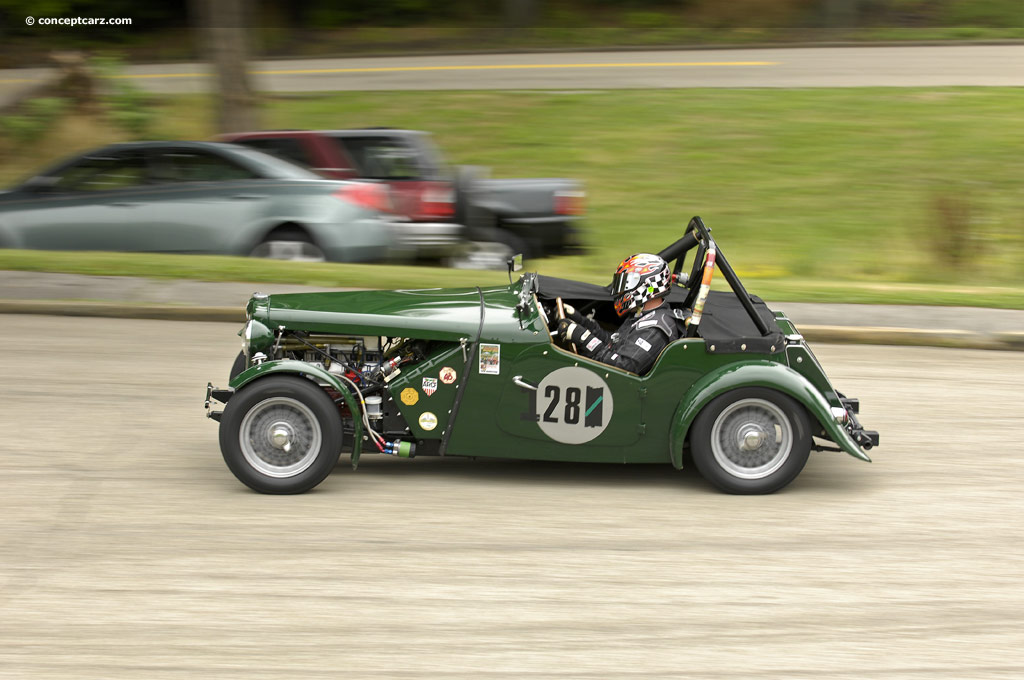
The MG T-Type was in production from 1936 to 1955. They were a series of body-on-frame open two-seater sports cars that began with the TA Midget in 1936, serving as a replacement for the PB. Power was from an overhead-cam inline-four-cylinder engine with a 1292cc displacement, developed 50 horsepower, and was backed by a four-speed manual gearbox with synchromesh on the two top ratios. It had steel bodywork, an ash frame, and hydraulic brakes with 9-inch drums.
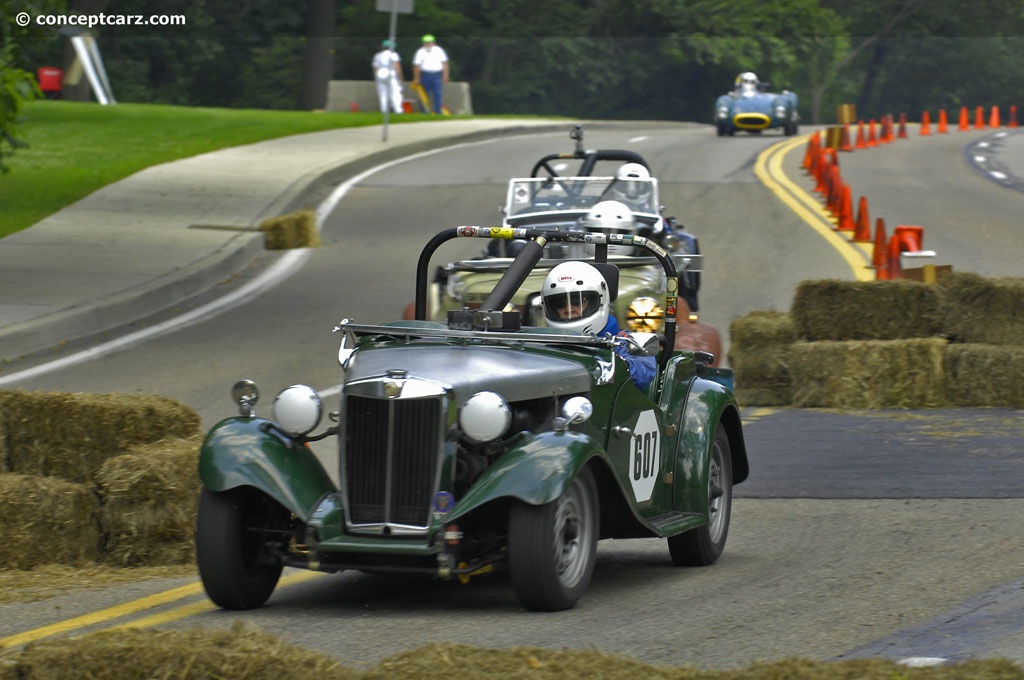
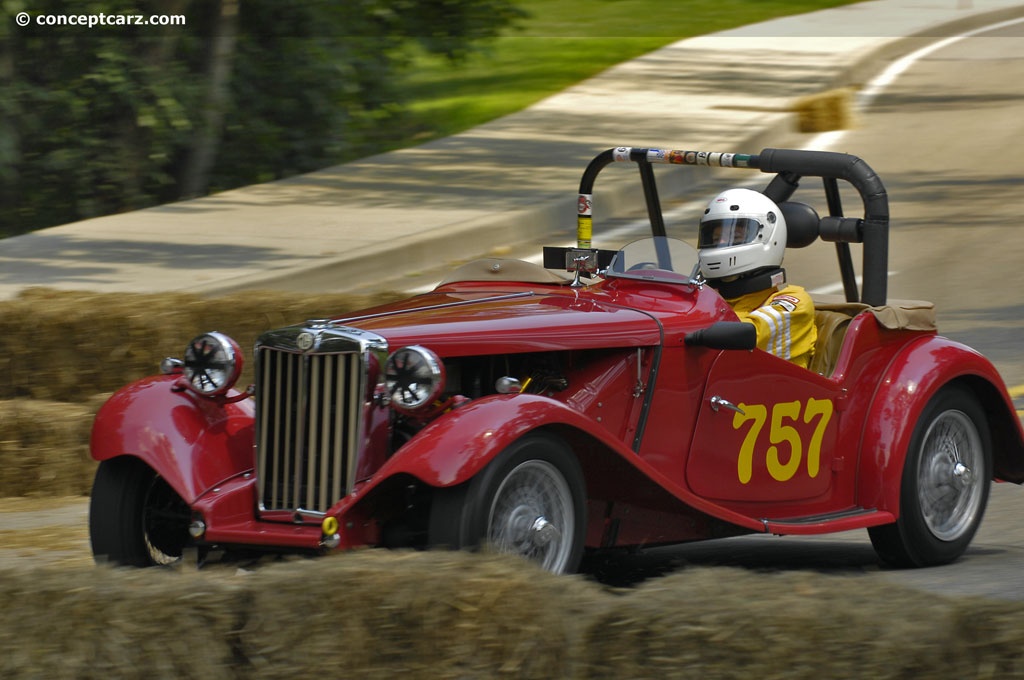
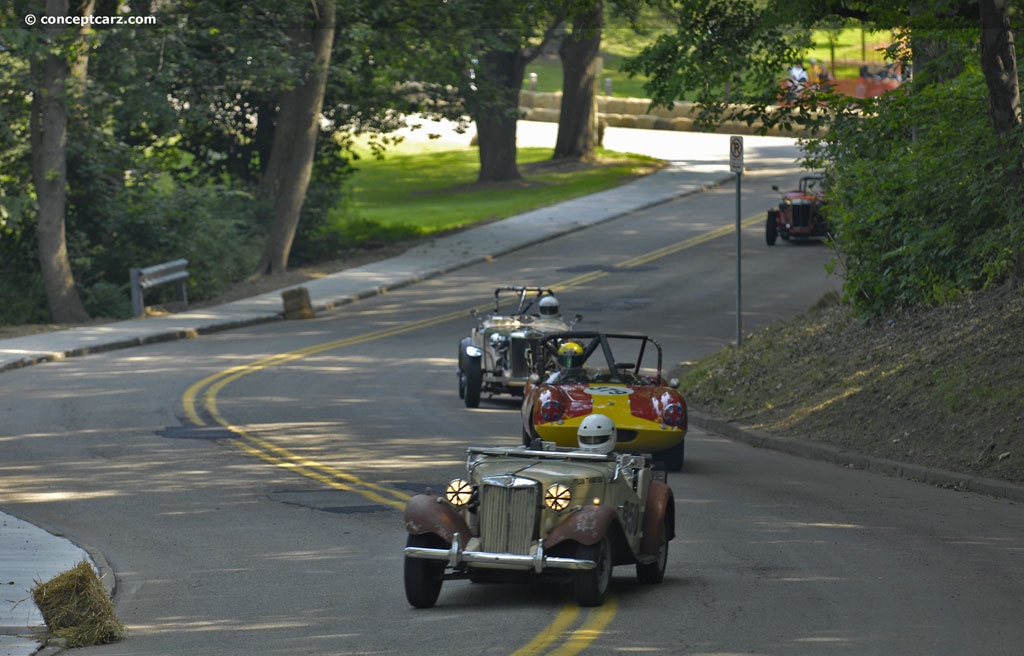
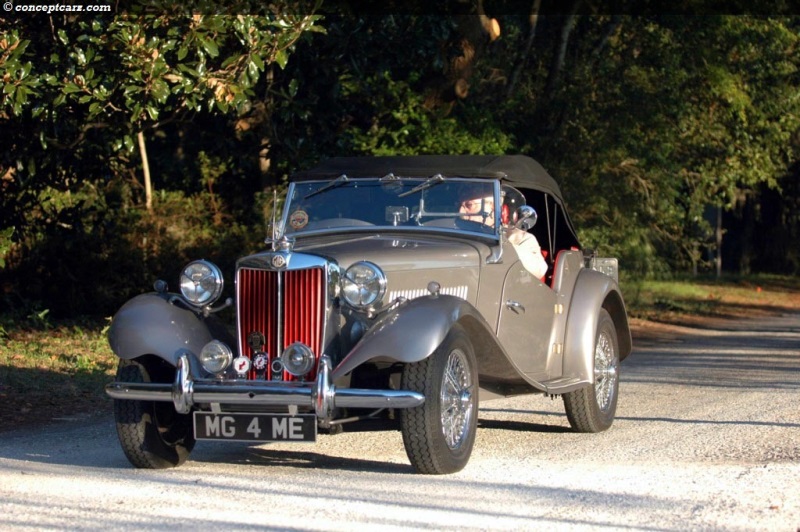
RoadsterIn May of 1939, the TA was replaced by the TB Midget with a modern but smaller 1250cc XPAG engine with 54 horsepower. The prior oil-immersed clutch was replaced by a dry-plate type with revised gear ratios. Bodystyles included the open two-seater configuration or more luxurious Tickford drophead coupe. Total production reached 379 TBs prior to the factory being converted to help with the war effort. When peacetime resumed, MG's first postwar vehicle was the TC sharing the same 1,250cc pushrod-OHV engine from the TB. It had a slightly higher compression ratio of 7.4:1, hydraulically adjusted timing chain tensioner, and produced 54.5 horsepower. 19-inch Dunlop wire wheels were placed on all four corners and even though they were exported to the United States, they were only ever built in right-hand drive configuration. Production of the TC continued through 1950 when it was replaced by the TD Midget, which had been announced in January of that year. The MG TD continued to use the now-familiar 1,250cc twin carburetor, pushrod OHV XPAG engine. Styling features were similar to the TC with free-standing headlamps, running boards, and flat-folding windscreen. Compared to the TC, the MG TD was much more comfortable thanks to the new independent front suspension and rack and pinion steering. It continued to use the same wheelbase and box-section chassis as the earlier TC but with a 2.5-inch wider track and the front and 5-inch wider at the rear. The 19-inch wheels were replaced with 15-inch pressed steel wheels, and the fenders were wider to accommodate the wider track. For the first time, parking protection was offered in the form of chrome-plated front and rear bumpers.
RoadsterThe XPAG engine was coupled to a revised four-speed transmission, which meant performance remained mostly unchanged, however, the handling and ride were vastly improved. From August 1951 a larger clutch was fitted and associated changes made to the flywheel and bell-housing, subsequent cars being known as the TD II. The TD was the first MG to be offered in both left- and right-hand drive which helped increase annual production at the Abingdon factory to more than that of the entire pre-war period.In July of 1951, the 1250cc engine was given a new block, sump, bell-housing, and flywheel allowing it to accommodate a larger clutch. A result of these changes brought about a new engine number prefix of TD2, and MG TDs fitted with these improvements are commonly known as TD2 models. The changeover occurred at engine number XPAG/TD2/9408. Please note that as confusing as it sounds, the TD2 should not be confused with the TD MK II. The TD2 used a single SU carburetor, single fuel pump, and standard-ratio four-speed gearbox.
RoadsterChanges between August and November 1952 included a 3-bow frame replacing the 2-bow frame for the fold-down hood, and circular rear lamps with flashing turn signals. The windscreen wiper motor was relocated from the side to the center of the windscreen.Alongside the standard car, MG also produced the TD MkII Competition Model beginning in 1950. It used a tuned 57 horsepower engine with an 8.1:1 compression ratio, and twin fuel pumps. There were additional Andrex dampers and a higher ratio rear axle.Most of the approximately 30,000 TDs were exported, with 1,656 remaining in the home country. 23,488 were sent to the United States. Roughly 1,700 were MK II models.
by Daniel Vaughan | Apr 2020
Roadster
Roadster
Roadster
by Daniel Vaughan | Apr 2020
Related Reading : MG T-series History
The MG TA Midget appeared in the spring of 1936 as a replacement for the MG PB. It featured many components borrowed from Morris. Channel sections replaced the tubular cross-members making the vehicles ride more comfortable. The suspension was provided by leaf springs and beam-axle in the front and rear. The brakes were hydraulically operated drums, a first for MG. The body shell was assembled around....
Continue Reading >>
Continue Reading >>
- 1953 MG TD Menu
- Article
- Image gallery
- Valuation
- Specifications
- Profiles
- Production figures
MG
Similar Automakers
Similarly Sized Vehicles
from 1953
Similarly Priced Vehicles
- MG TD Sport Special ($1,945-$1,945)
Average Auction Sale: $22,906


1953 MG TD Vehicle Profiles


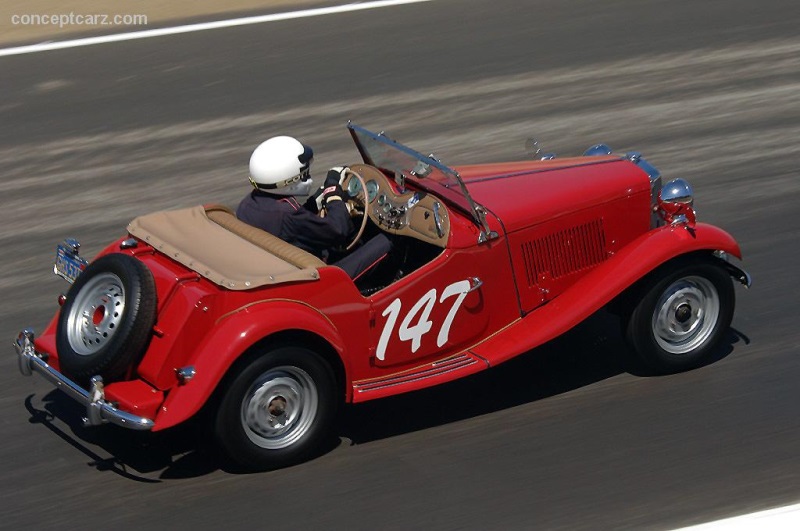

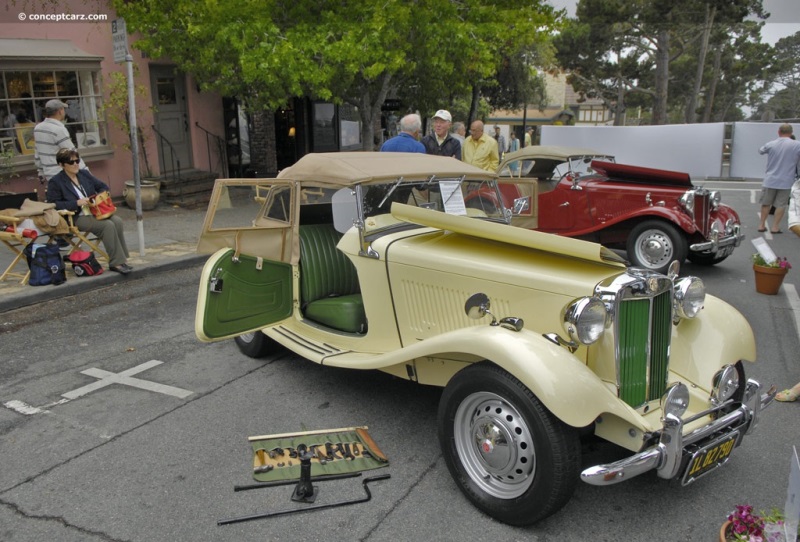
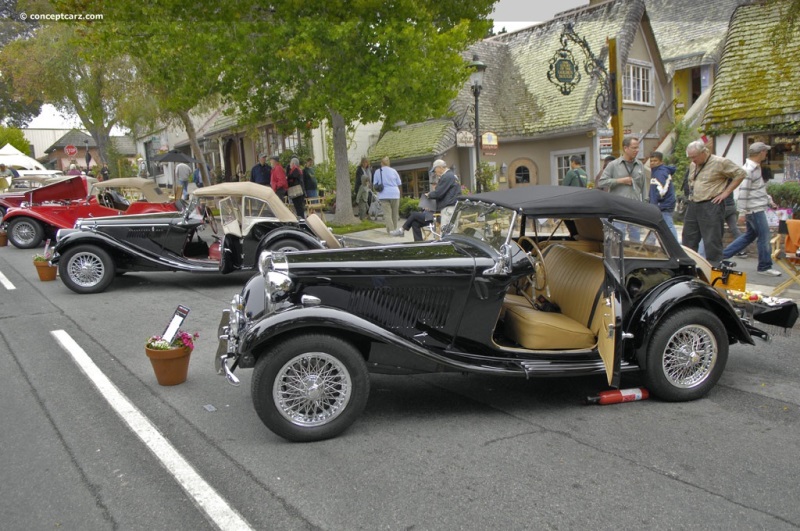
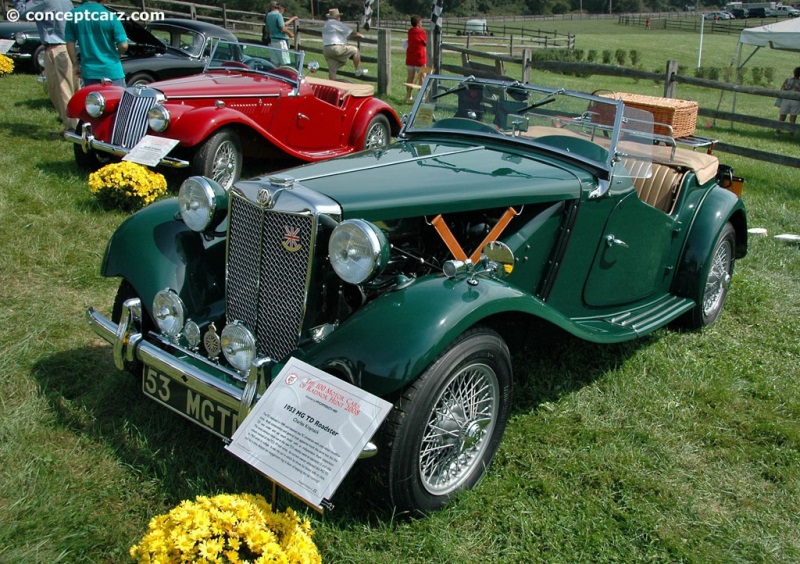
Recent Vehicle Additions


Performance and Specification Comparison
Price Comparison
$1,945
TD Specification Comparison by Year
Year
Production
Wheelbase
Engine
Prices
Related Automotive News

Orders Now Open for New 2022 (Jeep)RED Renegade Special Edition
New special-edition 2022 Jeep® Renegade pairs legendary Jeep 4x4 capability with unique (RED)® brand design cues for an exceptional appearance inside and out
Jeep brand part of a multi-brand Stellantis partnership with (RED) to raise awareness and...

RM Sotheby's To Offer The Petitjean Collection 'Part Ii' – A Ferrari Only Collection From 1959 To 1989 To Be Offered Without Reserve
AN EXCEPTIONAL COLLECTION OF 28 FERRARI ROAD CARS CELEBRATING THREE DECADES OF THE MARANELLO MARQUE HEADS TO PARIS SALE
RM Sothebys announces The Petitjean Collection Part II
Incredible collection of 28 Ferrari road cars to be offer...

Eight of the coolest Volkswagen concept cars
Over the years, Volkswagen has debuted a wide range of concept cars that have opened windows into the future of car design, technology and performance. These dream machines are often built to test an idea, a vision andor showcase features that may one...

The Ultimate Beach Cruiser: The 1974 Volkswagen Acapulco Thing
The Volkswagen Type 181 – commonly referred to as The Thing – has always been a fun summer classic for drivers who enjoy a cool and wildly original type of ride. The removable doors, retractable soft top and folding windshield provided a driving experience...

The Alfa Romeo 8C 2900B Best of Show at Pebble Beach
The Pebble Beach Concours really likes the Alfa Romeo 8C 2900B. The Alfa Romeo 8C was probably one of the most technically advanced, modern, and compelling sports car that money could buy in the 1930s. In 2008 an Alfa Romeo 8C 2900 B Corto...