1967 Shelby Cobra 427
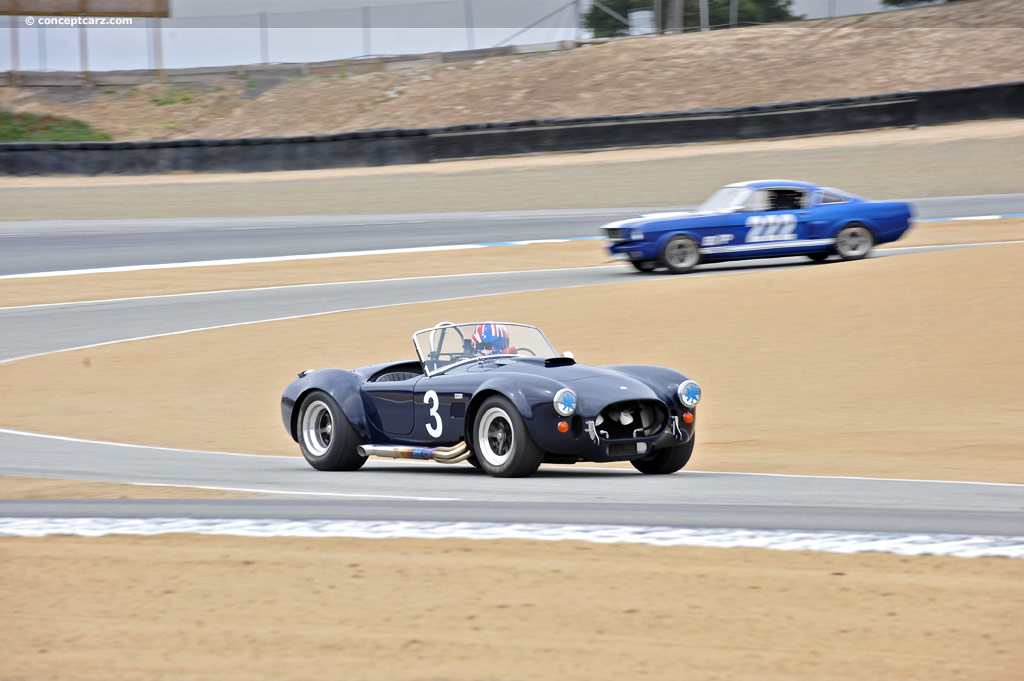
1967 Shelby Cobra 427 Navigation
History
The formula for the success of the Cobra came through a man named Carroll Shelby adapting a powerful Ford engine into a nimble, British sports car.
A.C. Cars of Thames Ditton in Surrey, England had been producing the Ace since 1954. It was designed by John Tojeiro and featured an independent suspension by transverse leaf springs. The tubular frame body of the vehicle took its styling cues from Ferrari. The original engine used in the Ace was a 1991 cc, over-head-cam engine designed by John Weller, the founder of AC, in the 1920s. In 1956, an optional Bristol engine became available. This was a BMW derived, 1971 cc six-cylinder engine that was capable of producing 125 horsepower. With the Bristol engine, the Ace captured many victories on the race tracks around the world. It even won the SCCA Class E championship three years in a row.
In 1959, Bristol ceased its six-cylinder engine production. When Bristol stopped supplying A.C. with the engine, the production of the Ace ceased. Carroll Shelby quickly negotiated a deal where A.C. would supply him with the chassis. Now all Shelby needed was an appropriate engine. In 1961, Ford introduced the 221 cubic-inch small-block engine. This was a new lightweight, thin wall-cast, V8 engine that produced 164 horsepower. Shelby approached Ford about the use of the engine for the 2-seat sports car. Ford agrees.
In February of 1962, a 260 HiPo engine and Borg-Warner four-speed manual gearbox was fitted into the aluminum-bodied Cobras. The AC Shelby Ford Cobra was complete.
In April of 1962, the first Cobra with chassis CSX 2000 was painted yellow and shipped to the New York Auto Show where it appeared on the Ford display. The vehicle was an instant success and attracted much attention. Orders came faster than Shelby could build. The prototype CSX 2000 was continuously being repainted for magazine reviews. The purpose was to create an illusion that more Cobras existed.
In 1963 the engine size increased to 289 cubic-inches. Rack-and-pinion steering was added to the vehicle.
Two Cobras were entered into the grueling 24-Hours of Le Mans endurance race. Carroll Shelby himself drove one of the vehicles. Ford had refused to provide an engine so Shelby, with the help of A.C. cars and Ed Hugus, prepare the cars. One of the Cobras managed to capture a seventh-place finish, a major accomplishment.
Dan Gurney became the first American driver to win an FIA race in an American car when he won the Bridgehampton 500KM race in September of 1963 while driving a Cobra.
In 1964, the Cobra returned to LeMans where it finished fourth overall and first in the GT class.
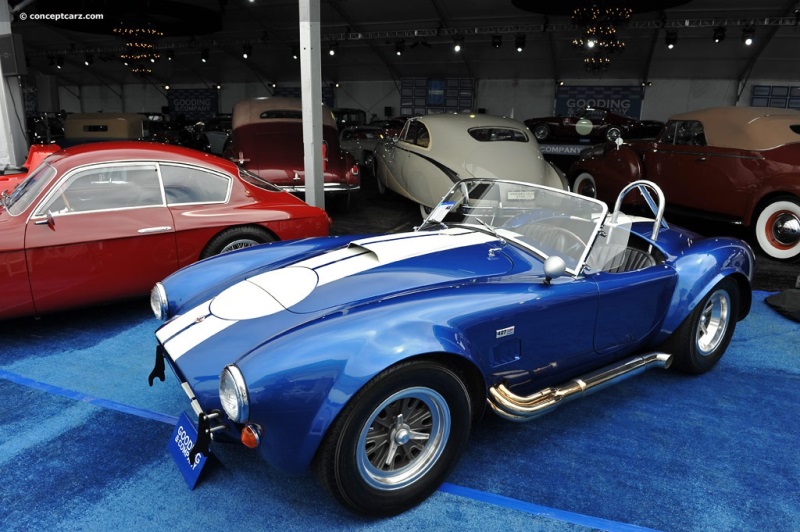
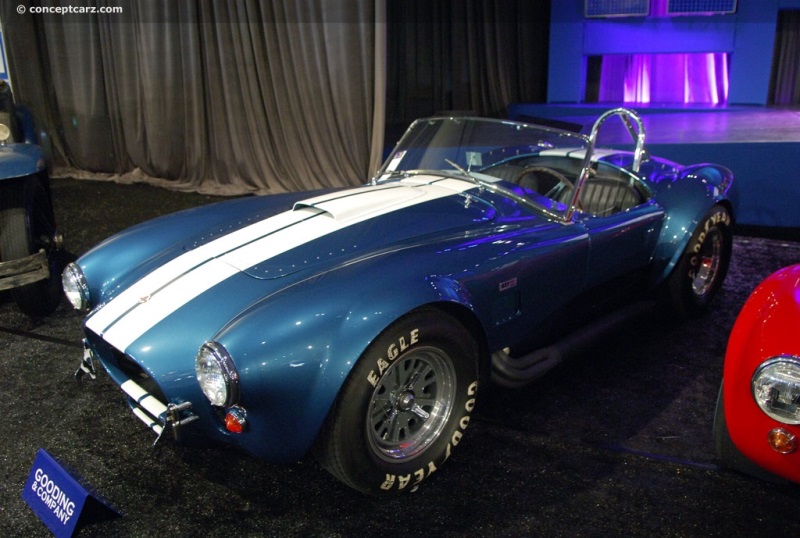
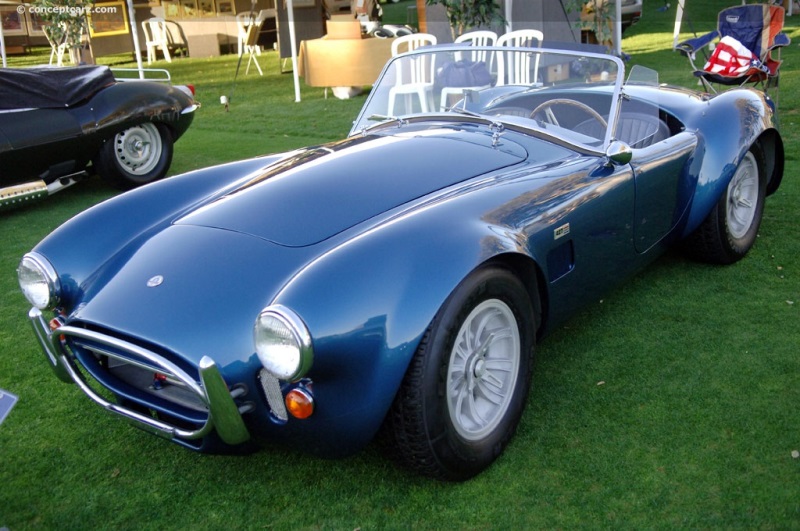
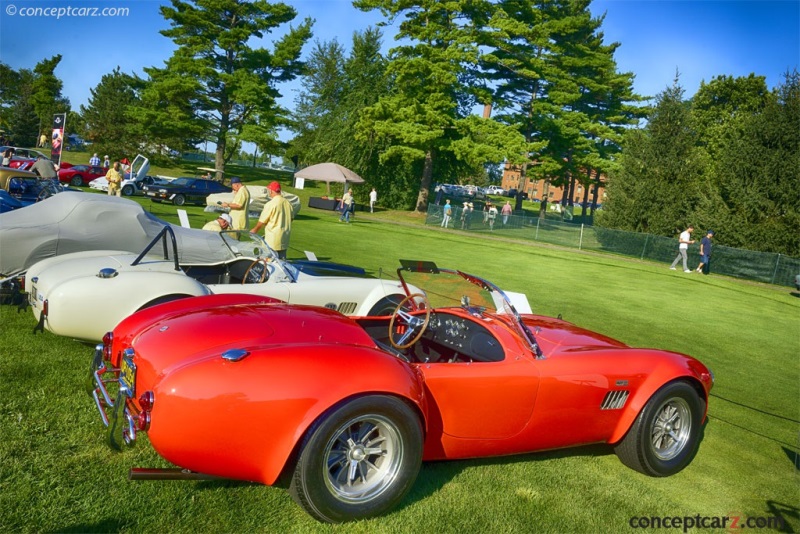
Near the end of 1964, the Cobra 427 was unveiled to the press. If featured a new tubular, aluminum body, coil spring chassis, and a 427 cubic-inch, 425 horsepower engine. The car was able to go from zero to 100 mph and back to zero in less than 14 seconds.
In 1967, the last 427 Cobra was built and in 1968, the last 427 Cobra was sold by Carroll Shelby.
Ford had shifted their resources to the new GT40 and modified Mustang programs. In 1966, three GT-40 Mark II's crossed the finish line at Le Mans capturing first, second, and third.
By Daniel Vaughan | Mar 2010
A.C. Cars of Thames Ditton in Surrey, England had been producing the Ace since 1954. It was designed by John Tojeiro and featured an independent suspension by transverse leaf springs. The tubular frame body of the vehicle took its styling cues from Ferrari. The original engine used in the Ace was a 1991 cc, over-head-cam engine designed by John Weller, the founder of AC, in the 1920s. In 1956, an optional Bristol engine became available. This was a BMW derived, 1971 cc six-cylinder engine that was capable of producing 125 horsepower. With the Bristol engine, the Ace captured many victories on the race tracks around the world. It even won the SCCA Class E championship three years in a row.
In 1959, Bristol ceased its six-cylinder engine production. When Bristol stopped supplying A.C. with the engine, the production of the Ace ceased. Carroll Shelby quickly negotiated a deal where A.C. would supply him with the chassis. Now all Shelby needed was an appropriate engine. In 1961, Ford introduced the 221 cubic-inch small-block engine. This was a new lightweight, thin wall-cast, V8 engine that produced 164 horsepower. Shelby approached Ford about the use of the engine for the 2-seat sports car. Ford agrees.
In February of 1962, a 260 HiPo engine and Borg-Warner four-speed manual gearbox was fitted into the aluminum-bodied Cobras. The AC Shelby Ford Cobra was complete.
In April of 1962, the first Cobra with chassis CSX 2000 was painted yellow and shipped to the New York Auto Show where it appeared on the Ford display. The vehicle was an instant success and attracted much attention. Orders came faster than Shelby could build. The prototype CSX 2000 was continuously being repainted for magazine reviews. The purpose was to create an illusion that more Cobras existed.
In 1963 the engine size increased to 289 cubic-inches. Rack-and-pinion steering was added to the vehicle.
Two Cobras were entered into the grueling 24-Hours of Le Mans endurance race. Carroll Shelby himself drove one of the vehicles. Ford had refused to provide an engine so Shelby, with the help of A.C. cars and Ed Hugus, prepare the cars. One of the Cobras managed to capture a seventh-place finish, a major accomplishment.
Dan Gurney became the first American driver to win an FIA race in an American car when he won the Bridgehampton 500KM race in September of 1963 while driving a Cobra.
In 1964, the Cobra returned to LeMans where it finished fourth overall and first in the GT class.
Near the end of 1964, the Cobra 427 was unveiled to the press. If featured a new tubular, aluminum body, coil spring chassis, and a 427 cubic-inch, 425 horsepower engine. The car was able to go from zero to 100 mph and back to zero in less than 14 seconds.
In 1967, the last 427 Cobra was built and in 1968, the last 427 Cobra was sold by Carroll Shelby.
Ford had shifted their resources to the new GT40 and modified Mustang programs. In 1966, three GT-40 Mark II's crossed the finish line at Le Mans capturing first, second, and third.
By Daniel Vaughan | Mar 2010
- 1967 Shelby Cobra 427 Menu
- Article
- Image gallery
- Valuation
- Specifications
- Profiles
- Production figures
Shelby
Similarly Sized Vehicles
from 1967


1967 Shelby Cobra 427 Vehicle Profiles



Recent Vehicle Additions


Performance and Specification Comparison
Cobra 427 Specification Comparison by Year
Year
Production
Wheelbase
Engine
Prices
Related Automotive News

Broad Arrow Brings Alan Mann Heritage Edition Ford GT and Unique Private Collections to Debut Chattanooga Auction
Broad Arrow Auctions is delighted to announce additional featured consignments for its inaugural Chattanooga Auction, set for October 12 in partnership with the 2024 Chattanooga Motorcar Festival.
Recent consignments for the single-day sale are perfectly...

Renowned Racing Legends Grant Exclusive Nod to the Rolex Monterey Motorsports Reunion for New Run Groups
As the Rolex Monterey Motorsports Reunion celebrates the Golden Anniversary of historic racing at Montereys WeatherTech Raceway Laguna Seca, the illustrious gathering also honors the history and significant achievements throughout time. It seems fitting...

RM Sotheby's Announces Diverse Final Entries Set For Online Only: Open Roads, North America
ONLINE ONLY AUCTION TO FEATURE NEARLY 100 MOTOR CARS HEADLINED BY AS-NEW SHELBY 427 SC COBRA SANCTION II
OPEN FOR BIDDING 23-30 JULY
RM Sothebys announces latest entries for Online Only Open Roads, North America, led by 1965 Sh...

Mecum Reveals The Ken Miles Shelby GT350 R-Model For Indy This May
John Atzbach Collection Includes Shelbys, Lamborghinis and Thousands of Collectibles to be Offered at Dana Mecums 33rd Original Spring Classic
WALWORTH, Wis. – March 11, 2020 – The awe-inspiring collection of John Atzbach—highlighted...

RM Sotheby's Assembles Full Ford GT Lineage for Monterey
1965 FORD GT40 ROADSTER PROTOTYPE
PAIR OF 2005 FORD GT MODELS OFFERED WITHOUT RESERVE
2017 FORD GT IN BERYLLIUM ORANGE
JOINED BY TRIO OF SHELBYS FROM THE FONVIELLE COLLECTION
RM Sothebys announces complete Ford GT model lineup for Monterey...