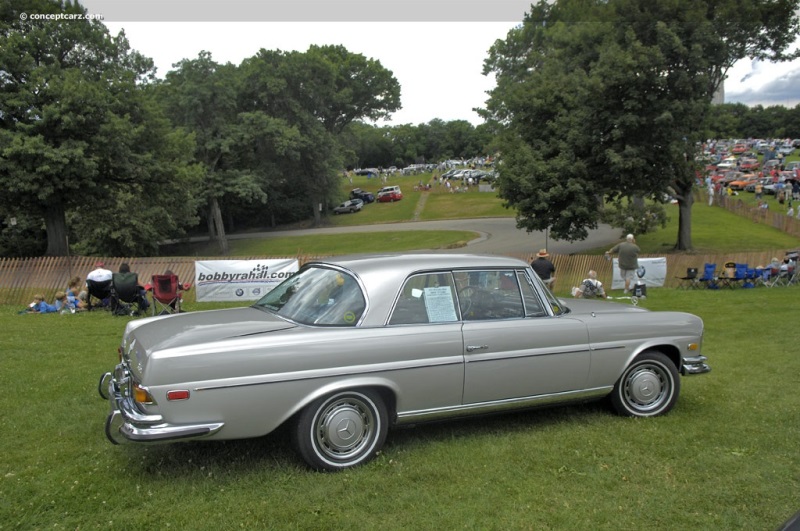
1970 280SL |
1971 Mercedes-Benz 280 news, pictures, and information | ||
| Tweet | ||
![]() | ![]() | ![]() | Roadster |
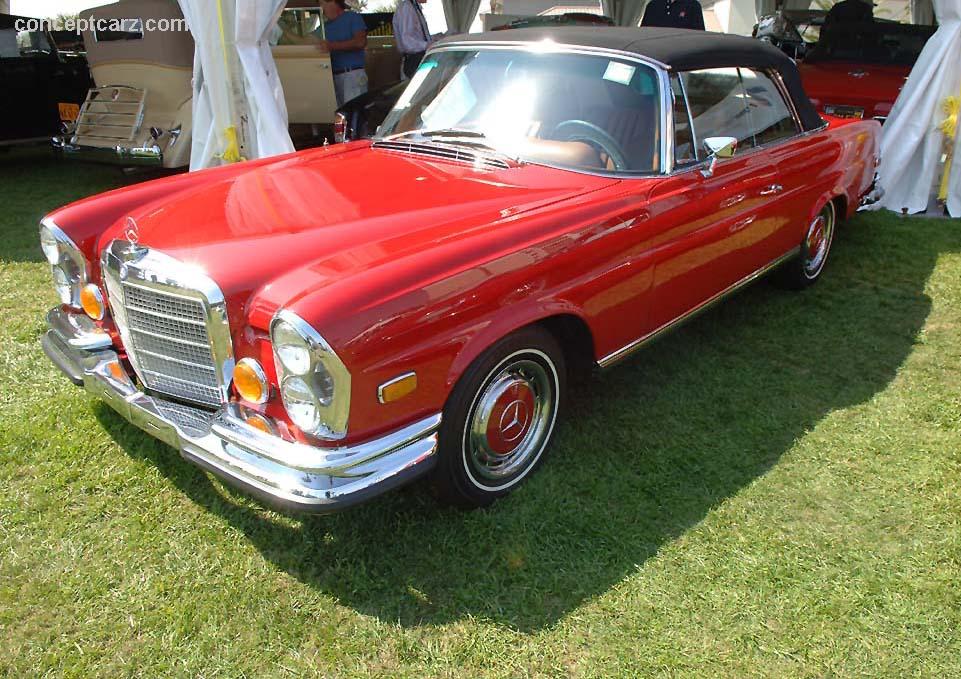
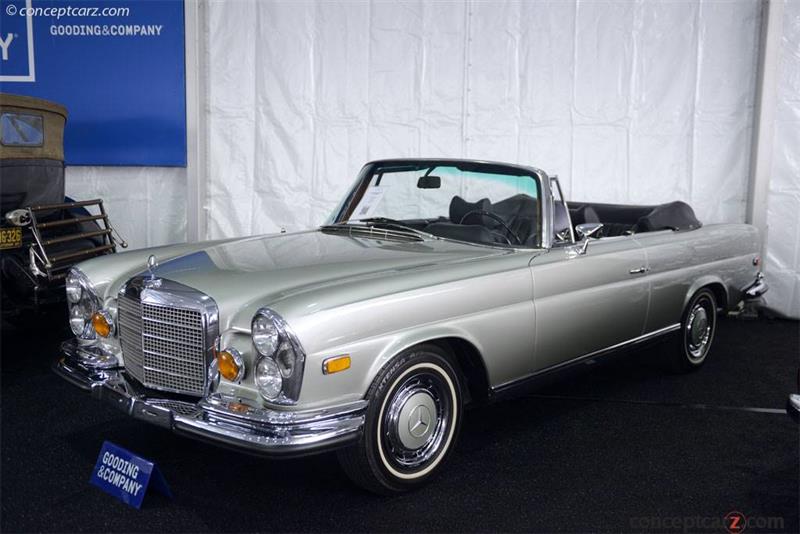
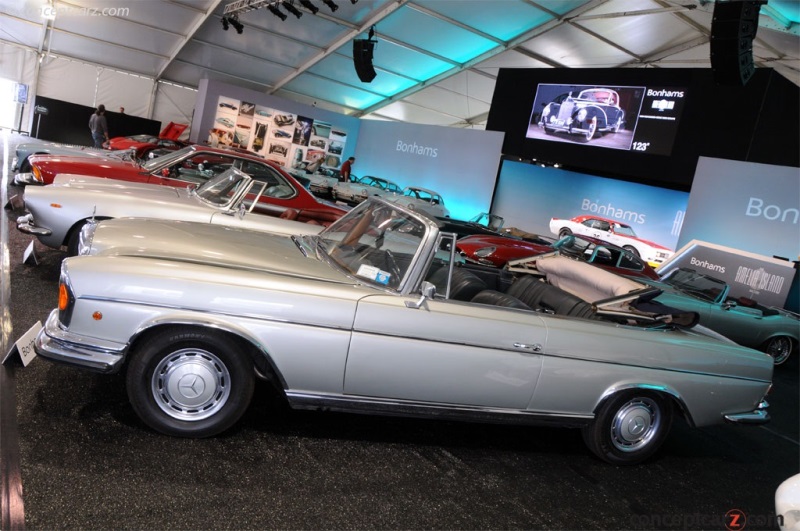
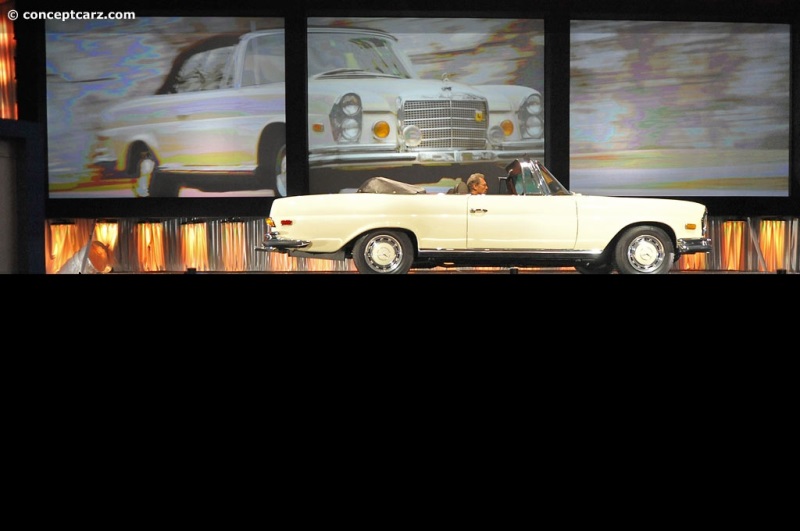
This automobile has 32,000 original miles and is unrestored with the exception of new paint which was completed in April 2007. This automobile has had two owners since new and was originally purchased from Hassan Motors in Cincinnati, OH. The current owner has owned this automobile for 35 ye ars.
![]() | ![]() | Convertible Chassis Num: 110271201432 |
| Sold for $121,000 at 2007 RM Auctions. | ||
The 3.5-liter version of the 280SE was first introduced in 1970. It was similar to the base 280SE, but given a performance boost thanks to the potent power-plant. It was hailed by the company as a smooth and powerful engine. Zero to sixty was accomplished in less than ten seconds. From 1969 through 1971, only 4502 examples of these cars were produced, in both coupe and convertible body styles. They carried a base price of $14,509 in 1971.
The car was given amenities such as power steering, electric windows, automatic gearbox, air conditioning, radio/stereo, and power brakes as standard equipment.
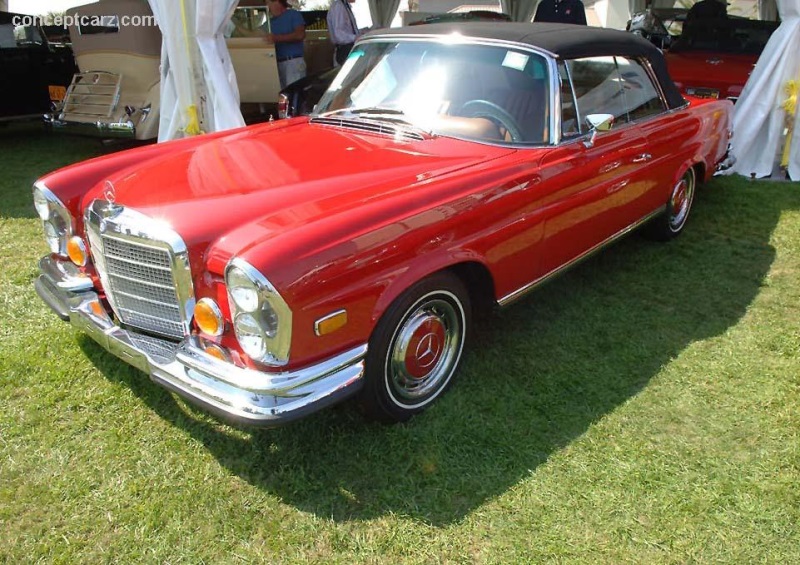
In 2004, this car was given a bare-metal re-spay in its original color of signal Red. In 2005, the leather interior was replaced and the car was treated to a mechanical service. It has traveled less than 85,000 miles since new.
At auction, the car was sold for $121,000.
By Daniel Vaughan | Feb 2011
![]() | ![]() | ![]() | Roadster |
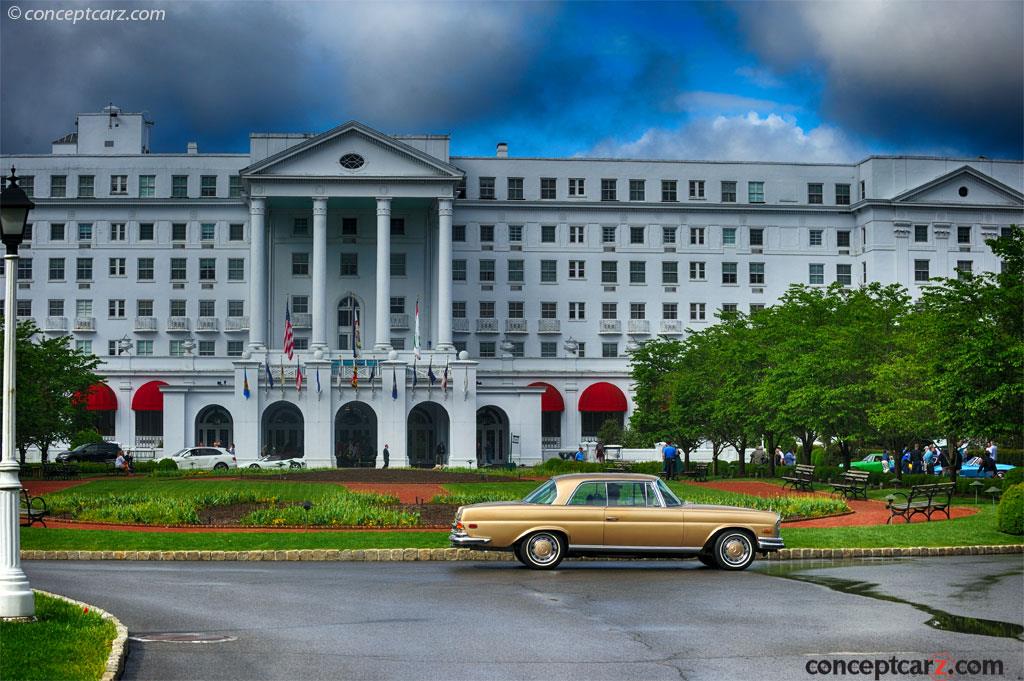
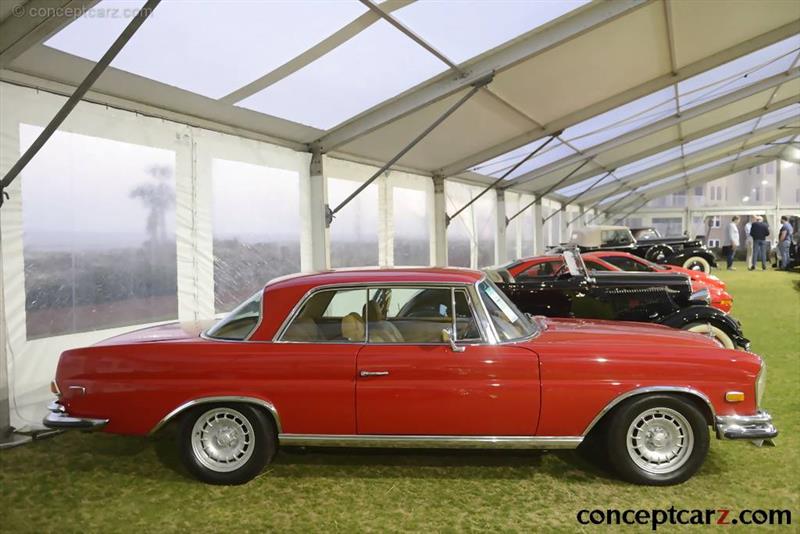
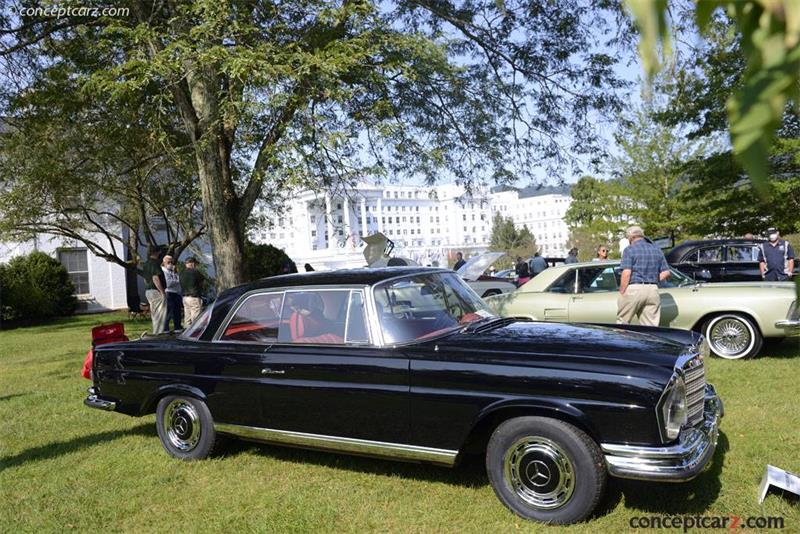
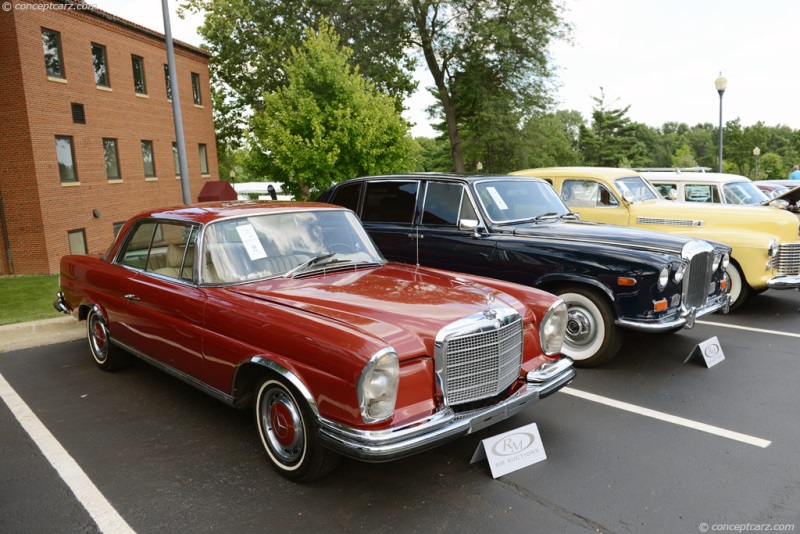
Although the 280 was initially powered by a 2.8-liter six, Mercedes added a V8 engine 280Se to the range. The 280SE 3.5 has a 3.5-liter V8 and came with automatic transmission and power steering. These beautiful sedans came in a variety of coachwork with this particular automobile being a very rare coupe. The 280Se 3.5 would reach a top speed of 125 mph and offered effortless high-speed cruising coupled with supple ride comfort.
The Mercedes-Benz 280 SE was produced from November 1967 through September 1972. The fuel injection overhead cam 3.5-liter 8-cylinder engine produced 200 hp and was capable of a maximum speed of 127 mph. The 280 was available in a Sedan, Coupe and Convertible.
The 280 SE coupe and convertible was introduced at the Frankfort Auto Show in 1969. The 280 is noted for its luxurious leather upholstery and elegant wood interior trim. 3,270 examples of the coupes were built. This particular example is especially rare as it is totally un-restored and a tribute to the fine products Mercedes-Benz has always produced.
![]() | ![]() | ![]() | Roadster |
![]() | ![]() | ![]() | Sedan Chassis Num: 11102612002381 |
| Sold for $44,000 at 2008 Russo & Steele. | |||
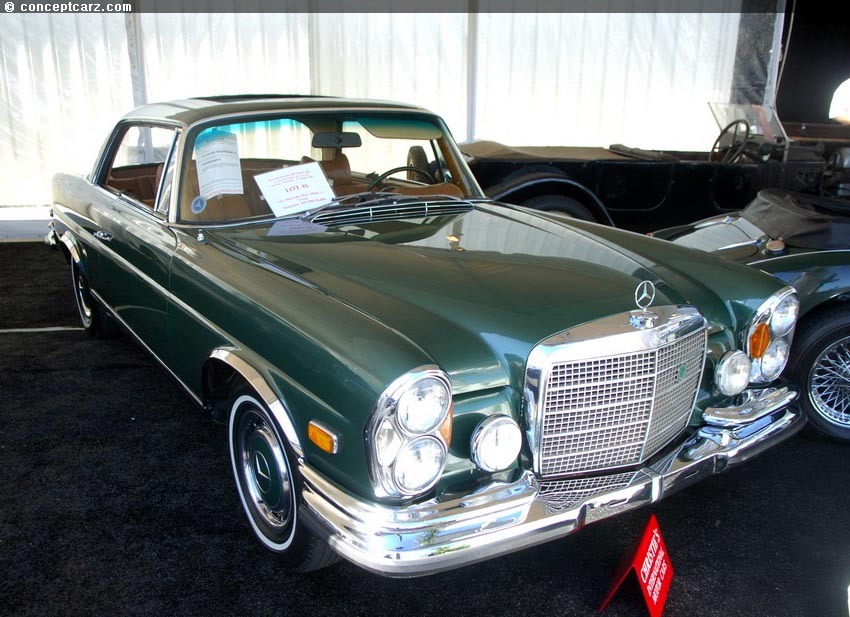
The 2.80SE series was an important model for the Mercedes-Benz marque, one of the reasons being it was the first V8 powered sports car for the company. It coupled elegant styling with excellent performance. Keeping with Mercedes-Benz tradition, they were constructed to a high degree of quality featuring a new interior with more wood and leather upholstery as standard equipment.
This example is a two owner car and spent most of its life in Texas. It is equipped with a factory sunroof, air conditioning, Becker AM/FM radio, and power windows. The front interior is completely new and has received a mechanical tune-up and cosmetic detailing.
The car was estimated to sell for $45,000 - $55,000. Sadly, it failed to find an interested buyer willing to satisfy the cars reserve and was left unsold.
By Daniel Vaughan | Oct 2007
![]() | Coupe Chassis Num: 111-026-12-001634 |
![]() | ![]() | ![]() | Roadster Chassis Num: 113044-12-021663 |
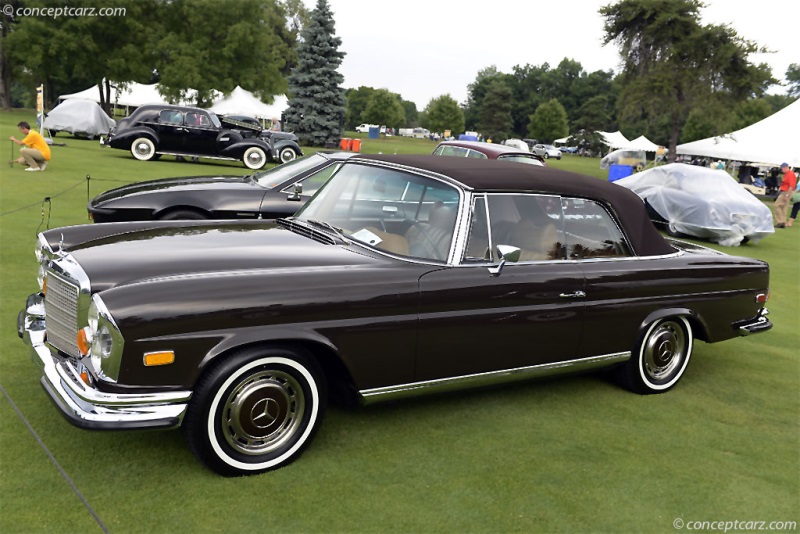
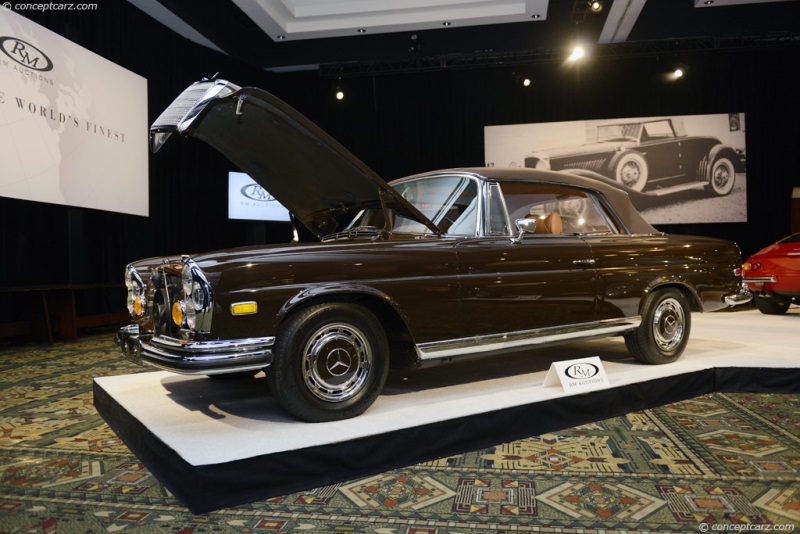
![]() | ![]() | ![]() | Convertible Chassis Num: 11102712003798 Engine Num: 115980-12-003055 |
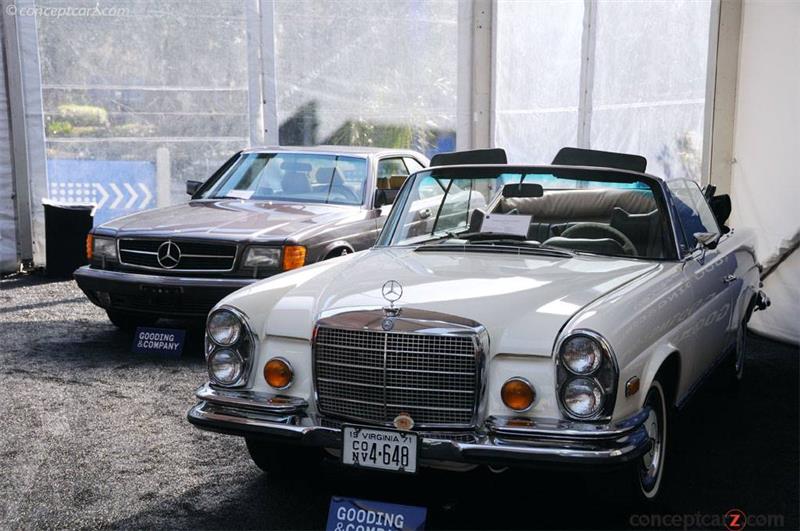
| Sold for $123,200 at 2010 Gooding & Company. | |||
It was originally fitted with whitewall tires. Other options included a Behr air conditioner, Becker radio, burl wood dashboard and center floor shift.
This car has been given a limited amount of restoration work, including a repaint in its original cream color and re-chroming of the front and rear bumpers. The chocolate leather has been professionally re-upholstered and the odometer reads just under 47,000 miles.
In 2010, this 3.5 Convertible was offered for sale at the Gooding & Company Auction held in Amelia Island, Florida. The car was expected to sell for $125,000 - $150,000. As bidding came to a close, the car had been sold for the sum of $123,200, inclusive of buyer's premium.
By Daniel Vaughan | Apr 2010
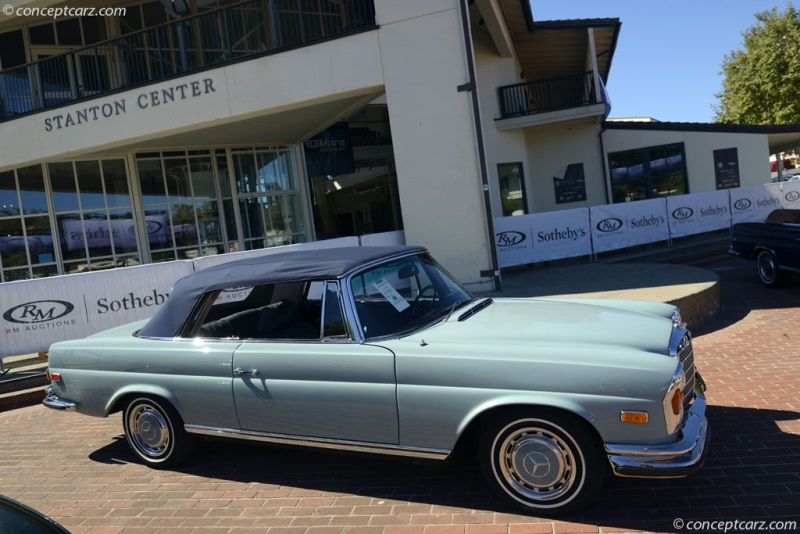
![]() | ![]() | ![]() | Convertible Chassis Num: 11102712001242 |
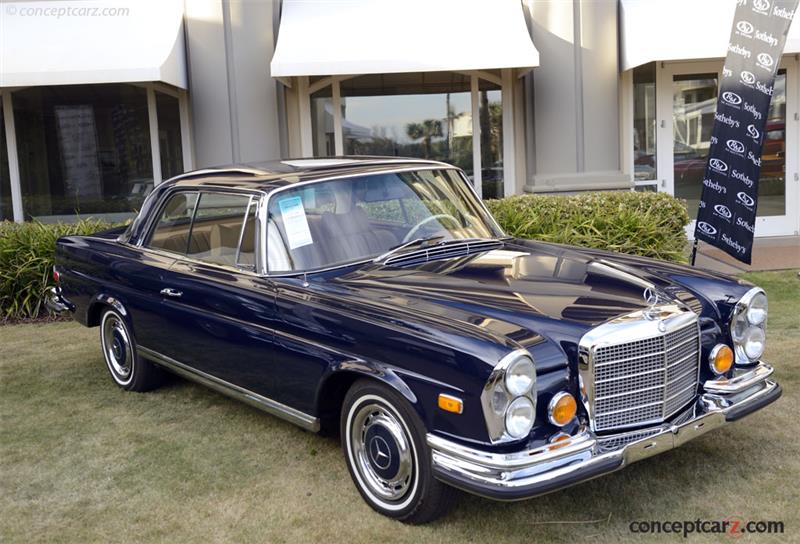
| High bid of $74,000 at 2004 RM Auctions. (did not sell) Sold for $143,000 at 2010 RM Auctions. | |||
The 280SE 3.5 was fitted with many amenities including power steering, power brakes, stereo, radio, air conditioning, electric windows and an automatic transmission. There was seating for five passengers in the genuine leather interior. In total, there were just 4,502 examples in both coupe and cabriolet form, sold between 1969 and 1971. Selling at $14,509 in 1971, their exclusivity was guaranteed.
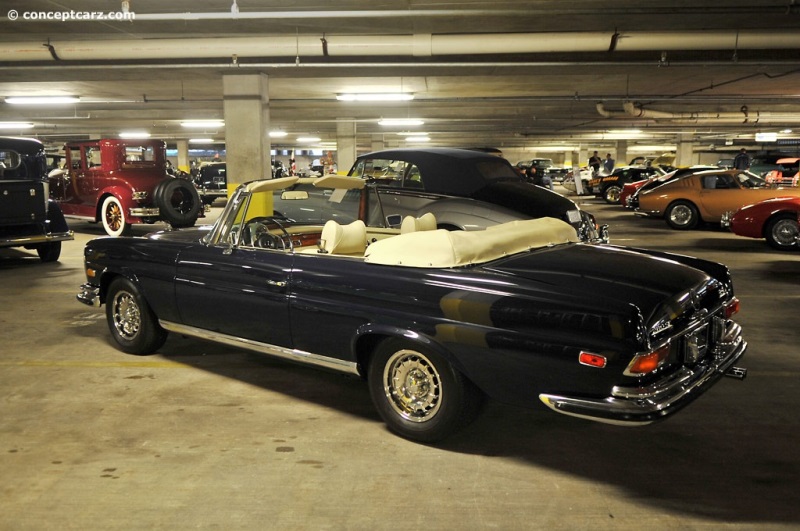
This example was purchased by the current owner in the mid-2000s. It was given a restoration around the mid-1990s and has remained in excellent condition throughout. It currently shows 79,000 miles. It is finished in navy blue with a light tan convertible top.
In 2010, this Mercedes-Benz was offered for sale at RM Auctions 'Automobiles of Amelia Island' sale in Amelia Island, Florida. The car was estimated to sell for $120,000-$140,000. As bidding came to a close, the car has been sold for the sum of $143,000, inclusive of buyer's premium.
By Daniel Vaughan | Apr 2010
The well-known German Manufacturer chose to continue in the tradition of sporty open Grand Tourismo's, or ‘Roadsters' by Mercedes Benz, in their release of the 1960's product range. Mercedes decided to inaugurate a whole new range of sports/SL models in the 1960's following the successful launch of earlier SL models. The origins of the Mercedes race cars began in the early 1950's.
They began with the 230SL in 1963, and the last model to enter to lineup was the 280SL in 1967. Part of the new SL generation to be introduced to the market in 1963, the Mercedes 280 SL, 350 and 450 SL was well known under the nickname 'Pagode'. Successor to both the 190 SL and the legendary 300 SL (the 'gullwing' model, the 'Pagode' was built from the year 1963 until 1971, the year the new SL generation was launched.
The SL's shared the same 'W 113' chassis, the ‘W' standing for 'Wagen', as well as many features and various parts in common. The last W 113 280 SL Roadster lasted for only a mere eight months from July 1970 until March 1971 before making way for the W107 series of vehicles.
The SL stands for 'Sport Light', or in German, Sport Leicht. The Gullwing was given its name due to the two doors swung up along the roof line, and the open doors took on the appearance of a seagull in flight.
The nickname 'Pagoda' was a reference to the shape of the hardtop roof. Reminiscent of the shape of a Japanese style Pagoda, the roof center is slightly lower than the side. Eventually, these were raised slightly to allow easier entry and exit, the side of the roof soon allowed for larger side windows, as well as increasing the roof strength. The 280 SL came with a flexible variation of tops, soft top, removable hardtop, or the option of both. Unofficially called the 'Californian', the option was available to order with only the removable hardtop and no soft top. Another popular available feature was ordering the hardtop roof in a different color than the body.
Mercedes-Benz achieved a timeless design with slick and proper lines, and it has been in this shape that the SL was sold for over twenty years. Much like the earlier models, the 280SL showcased an exquisitely proportioned sports body with two comfortable seats, and standard equipped with a soft-top which could be neatly stowed away under a lid fully integrated in the car. The SL also had the option of a distinctive hardtop ‘Pagoda' roof that could easily be fitted to the car in a matter of moments, with the soft-top down in place. Another popular option was the addition of a third, sideways facing seat.
The 280SL was manufactured from 1968 until 1971, and a total of 23,885 units were produced during its production run. The SL was available in both 2-door Roadster and 2-door Coupe options. Producing 143 units in 1967, the SL soared in popularity, and by 1969, the most productive year, banked at 8,047 units manufactured and produced. A total of 12,924 models were available in the U.S. and 18,681 were exported models.
Bigger, wider and heavier than its predecessor, the new generation of SL was still the perfect car considering driving-comfort, road-holding and construction. Buys had the option of various engines, including a V8 with either 3.5 or 4.5 liter cylinder, or a six-cylinder engine with a capacity of 2.8 liter. Utilizing a 2778cc, six-cylinder engine, the 280SL had a seven bearing crankshaft. Most models came with automatic transmission and had an engine that featured fuel injection. The Mercedes 280SL could achieve a top speed of 121 mph, and could reach 0-60mph in 9.3 seconds.
The engine in the 280 SL had a mechanical Bosch fuel injection system, a cast alloy valve cover, and a single overhead camshaft.
In January, 1968, the 280 SL underwent various changes and updates that included the number plate moving from the firewall to the front door jamb. The firewall insulation pad material also was updated from coarse to smooth. Hardtop front handles were made separate, and the mirror on the passenger sun visor was omitted. Elastic became the new material on door pockets rather than solid. The floor covering also changed from rubber mats to synthetic carpet. In April of 1970, the optional rear axe rations were discontinued.
The USA 280 SL's versions in 1971 shared standard features that included a tachometer, four wheel disk brakes with power booster, three point seat belts, manual windows, wood console box between the two front bucket seats, and much more.
Highly desirable when first launched, the 'SL' models still remain as much sought-after classics to this day. Unfortunately some critics believed the styling of the SL was boxy, and bit of a disappointment due to the 'pagoda'-styled optional hardtop. Though not as powerful as the 300 SL, or as curvaceous as the 190 SL, the 280 SL was well-balanced, and slightly delicate. Thirty years later, many parts for these models are still available from Mercedes Benz. Though expensive, they are in stock. A perfectly balanced vehicle, the Mercedes 280SL is a vehicle with a quiet confidence, with truly no competition.By Jessica Donaldson
They began with the 230SL in 1963, and the last model to enter to lineup was the 280SL in 1967. Part of the new SL generation to be introduced to the market in 1963, the Mercedes 280 SL, 350 and 450 SL was well known under the nickname 'Pagode'. Successor to both the 190 SL and the legendary 300 SL (the 'gullwing' model, the 'Pagode' was built from the year 1963 until 1971, the year the new SL generation was launched.
The SL's shared the same 'W 113' chassis, the ‘W' standing for 'Wagen', as well as many features and various parts in common. The last W 113 280 SL Roadster lasted for only a mere eight months from July 1970 until March 1971 before making way for the W107 series of vehicles.
The SL stands for 'Sport Light', or in German, Sport Leicht. The Gullwing was given its name due to the two doors swung up along the roof line, and the open doors took on the appearance of a seagull in flight.
The nickname 'Pagoda' was a reference to the shape of the hardtop roof. Reminiscent of the shape of a Japanese style Pagoda, the roof center is slightly lower than the side. Eventually, these were raised slightly to allow easier entry and exit, the side of the roof soon allowed for larger side windows, as well as increasing the roof strength. The 280 SL came with a flexible variation of tops, soft top, removable hardtop, or the option of both. Unofficially called the 'Californian', the option was available to order with only the removable hardtop and no soft top. Another popular available feature was ordering the hardtop roof in a different color than the body.
Mercedes-Benz achieved a timeless design with slick and proper lines, and it has been in this shape that the SL was sold for over twenty years. Much like the earlier models, the 280SL showcased an exquisitely proportioned sports body with two comfortable seats, and standard equipped with a soft-top which could be neatly stowed away under a lid fully integrated in the car. The SL also had the option of a distinctive hardtop ‘Pagoda' roof that could easily be fitted to the car in a matter of moments, with the soft-top down in place. Another popular option was the addition of a third, sideways facing seat.
The 280SL was manufactured from 1968 until 1971, and a total of 23,885 units were produced during its production run. The SL was available in both 2-door Roadster and 2-door Coupe options. Producing 143 units in 1967, the SL soared in popularity, and by 1969, the most productive year, banked at 8,047 units manufactured and produced. A total of 12,924 models were available in the U.S. and 18,681 were exported models.
Bigger, wider and heavier than its predecessor, the new generation of SL was still the perfect car considering driving-comfort, road-holding and construction. Buys had the option of various engines, including a V8 with either 3.5 or 4.5 liter cylinder, or a six-cylinder engine with a capacity of 2.8 liter. Utilizing a 2778cc, six-cylinder engine, the 280SL had a seven bearing crankshaft. Most models came with automatic transmission and had an engine that featured fuel injection. The Mercedes 280SL could achieve a top speed of 121 mph, and could reach 0-60mph in 9.3 seconds.
The engine in the 280 SL had a mechanical Bosch fuel injection system, a cast alloy valve cover, and a single overhead camshaft.
In January, 1968, the 280 SL underwent various changes and updates that included the number plate moving from the firewall to the front door jamb. The firewall insulation pad material also was updated from coarse to smooth. Hardtop front handles were made separate, and the mirror on the passenger sun visor was omitted. Elastic became the new material on door pockets rather than solid. The floor covering also changed from rubber mats to synthetic carpet. In April of 1970, the optional rear axe rations were discontinued.
The USA 280 SL's versions in 1971 shared standard features that included a tachometer, four wheel disk brakes with power booster, three point seat belts, manual windows, wood console box between the two front bucket seats, and much more.
Highly desirable when first launched, the 'SL' models still remain as much sought-after classics to this day. Unfortunately some critics believed the styling of the SL was boxy, and bit of a disappointment due to the 'pagoda'-styled optional hardtop. Though not as powerful as the 300 SL, or as curvaceous as the 190 SL, the 280 SL was well-balanced, and slightly delicate. Thirty years later, many parts for these models are still available from Mercedes Benz. Though expensive, they are in stock. A perfectly balanced vehicle, the Mercedes 280SL is a vehicle with a quiet confidence, with truly no competition.By Jessica Donaldson
With its status today as a classic continually rising, the Mercedes-Benz 280 was truly a beautiful vehicle. Though not as shapely and voluptuous as the 190 SL, or as powerful as the 300 SL, the 280 was both practical and nimble, while the styling is a fine example of well-balanced design.
Produced from 1967 until 1971, the Mercedes 280 SL was the most popular SL on the classic car market. With a total of 23,885 units produced during its production span, the 280 SL is considered the most popular due to its perfected development of the vehicle, along with an engine that suits this SL series best. Though the 280 SL is slightly overweight, has a bit sluggish handling, and a relatively soft suspension configuration, the larger engine does translate into a higher straight line speed and better acceleration.
Showcased in 1963 during the Geneva auto show, the 230 SL, which was based on the 220 SE sedan was first of the SL series to be introduced. A series of luxury vehicles that were introduced by Mercedes-Benz from the late 1950's were dubbed ‘Fintail', though never officially designated as such. The nickname was a result of the distinctive rear-end, with small tail fins. Following in the tradition set by the 1960's product range of sporty open Grand Tourismo's, (referred to as Roadsters by Mercedes Benz) the 230-280 SL series featured a 'pagoda'-styled optional hardtop. This feature was eventually criticized for making the design seem boxy and was seen as a bit of a disappointment at the time. The middle surface of the 'hanging' style roof was lower than the edges of the doors and it was this distinctive look that characterized the SL-series as the ‘pagoda' model.
Near the end of 1966, a larger engine was fitted, which made it the 250 SL, a much more modern unit from the 250 S sedan. The 280 SL model was created in the 1968 model year by once again enlarging the engine. Continuing to be produced until 1971, the 280 SL was eventually replaced by the new 350 SL model. Over time, the SL series has transitioned from an elegant and sporty line, to more large luxurious models, without a youthful appeal anymore.
Designed by Paul Bracq with great attention to detail, unfortunately at first the styling of the 280 SL was not appreciated by the general public. Customers considered the vehicle to be too slow to be a sportscar, and too small to be impressive, and it seemed to be a scaled down version of the saloon car models. Today, this design is considered to be one of the first examples of modern corporate styling, which today is quite popular.
Inside the 280 SL, the dashboard was constructed very similar to those in the saloon car models. This vehicle was designed with the aim of speeding through the autoban, or cruising around the city, rather than being a sports car. Leather upholstery was an optional feature, while the interior was finished with standard vinyl. Wood veneer was used on the console between the chairs, and along the top of the dashboard being the windscreen, which was seen as a remarkable feature.
The 2+2 model model allowed for an additional small row of seats placed behind the front seats, but only small children could sit there due to the lack of leg room. Ergonomically formed bucket seats were placed in the front, and the frame of the front window was strengthened so it do as a roll-over bar, but only in combination with a fitted hardtop. The head designer of Mercedes-Benz development of the time, Béla Barényi was credited with the Pagoda-style hardtop patented design that could endure a 1,000 kg load without deforming.
Disappearing completely into the boot of the vehicle, the folding roof was closed and covered by a metal lid. The 2+2 version lacked the folding roof, and the extra row of seats took over the additional space that was created. Luggage space could be found by folding down the back rest of the 2+2 model.
More aerodynamic than the hardtop, the convertible could reach about 4 kph more than the hardtop version, which was considered slightly odd.
A total of 23,885 vehicles were constructed with the 2.8 liter engine, while a total of 19,831 units of the 230 SL were sold. Considered to be the rarest, the 250 SL produced only 5,186 models.
The new SL-series was introduced in 1963 with a straight 6-cylinder engine with a displacement rate of 2306 cc, which delivered 150 hp at 500 rpm. In December of 1966, this engine was replaced by a new 2436 cc unit which still turned out 150 hp. This new engine featured a crankshaft engine with seven bearings rather than four. The following year, again in December, a 2778 cc engine was fitted, which now produced 170 hp at 5750 rpm. Mainly to improve torque, these engine revisions were synchronous to the engine changes in the mid-range sedan line. With top speed remaining near the same, the range fell between 185 to 195 kph. All engines shared a mechanical fuel injection system.
She 280 SL measured 428.5 cm in length, 176 cm in width, and 132 cm in height with the hardtop. The first 230 SL's weighed 1295 kg, and the last 280 SL weighed in at 1360 kg. The 280 SL was considered to be quite heavy for a sports car. The top speed and acceleration didn't win many points with Mercedes-Benz customers, but a comfortable high cruising speed could be maintained for a long amount of driving time. This made the 280 SL an ideal vehicle for the Autobahn-express.
The second most popular SL of the series is the 230 SL, the original model. Today, a 230 SL in excellent condition, this classic can produce up to twice the original purchase price.
Today, the SL-series from the 1960's is becoming much more popular on the classic car market, as its fans remains stretched throughout the world. These fans stay united in local clubs that keep a close contact with each other. The market value of the classic vehicles is subsequently on its way up.By Jessica Donaldson
For more information and related vehicles, click hereProduced from 1967 until 1971, the Mercedes 280 SL was the most popular SL on the classic car market. With a total of 23,885 units produced during its production span, the 280 SL is considered the most popular due to its perfected development of the vehicle, along with an engine that suits this SL series best. Though the 280 SL is slightly overweight, has a bit sluggish handling, and a relatively soft suspension configuration, the larger engine does translate into a higher straight line speed and better acceleration.
Showcased in 1963 during the Geneva auto show, the 230 SL, which was based on the 220 SE sedan was first of the SL series to be introduced. A series of luxury vehicles that were introduced by Mercedes-Benz from the late 1950's were dubbed ‘Fintail', though never officially designated as such. The nickname was a result of the distinctive rear-end, with small tail fins. Following in the tradition set by the 1960's product range of sporty open Grand Tourismo's, (referred to as Roadsters by Mercedes Benz) the 230-280 SL series featured a 'pagoda'-styled optional hardtop. This feature was eventually criticized for making the design seem boxy and was seen as a bit of a disappointment at the time. The middle surface of the 'hanging' style roof was lower than the edges of the doors and it was this distinctive look that characterized the SL-series as the ‘pagoda' model.
Near the end of 1966, a larger engine was fitted, which made it the 250 SL, a much more modern unit from the 250 S sedan. The 280 SL model was created in the 1968 model year by once again enlarging the engine. Continuing to be produced until 1971, the 280 SL was eventually replaced by the new 350 SL model. Over time, the SL series has transitioned from an elegant and sporty line, to more large luxurious models, without a youthful appeal anymore.
Designed by Paul Bracq with great attention to detail, unfortunately at first the styling of the 280 SL was not appreciated by the general public. Customers considered the vehicle to be too slow to be a sportscar, and too small to be impressive, and it seemed to be a scaled down version of the saloon car models. Today, this design is considered to be one of the first examples of modern corporate styling, which today is quite popular.
Inside the 280 SL, the dashboard was constructed very similar to those in the saloon car models. This vehicle was designed with the aim of speeding through the autoban, or cruising around the city, rather than being a sports car. Leather upholstery was an optional feature, while the interior was finished with standard vinyl. Wood veneer was used on the console between the chairs, and along the top of the dashboard being the windscreen, which was seen as a remarkable feature.
The 2+2 model model allowed for an additional small row of seats placed behind the front seats, but only small children could sit there due to the lack of leg room. Ergonomically formed bucket seats were placed in the front, and the frame of the front window was strengthened so it do as a roll-over bar, but only in combination with a fitted hardtop. The head designer of Mercedes-Benz development of the time, Béla Barényi was credited with the Pagoda-style hardtop patented design that could endure a 1,000 kg load without deforming.
Disappearing completely into the boot of the vehicle, the folding roof was closed and covered by a metal lid. The 2+2 version lacked the folding roof, and the extra row of seats took over the additional space that was created. Luggage space could be found by folding down the back rest of the 2+2 model.
More aerodynamic than the hardtop, the convertible could reach about 4 kph more than the hardtop version, which was considered slightly odd.
A total of 23,885 vehicles were constructed with the 2.8 liter engine, while a total of 19,831 units of the 230 SL were sold. Considered to be the rarest, the 250 SL produced only 5,186 models.
The new SL-series was introduced in 1963 with a straight 6-cylinder engine with a displacement rate of 2306 cc, which delivered 150 hp at 500 rpm. In December of 1966, this engine was replaced by a new 2436 cc unit which still turned out 150 hp. This new engine featured a crankshaft engine with seven bearings rather than four. The following year, again in December, a 2778 cc engine was fitted, which now produced 170 hp at 5750 rpm. Mainly to improve torque, these engine revisions were synchronous to the engine changes in the mid-range sedan line. With top speed remaining near the same, the range fell between 185 to 195 kph. All engines shared a mechanical fuel injection system.
She 280 SL measured 428.5 cm in length, 176 cm in width, and 132 cm in height with the hardtop. The first 230 SL's weighed 1295 kg, and the last 280 SL weighed in at 1360 kg. The 280 SL was considered to be quite heavy for a sports car. The top speed and acceleration didn't win many points with Mercedes-Benz customers, but a comfortable high cruising speed could be maintained for a long amount of driving time. This made the 280 SL an ideal vehicle for the Autobahn-express.
The second most popular SL of the series is the 230 SL, the original model. Today, a 230 SL in excellent condition, this classic can produce up to twice the original purchase price.
Today, the SL-series from the 1960's is becoming much more popular on the classic car market, as its fans remains stretched throughout the world. These fans stay united in local clubs that keep a close contact with each other. The market value of the classic vehicles is subsequently on its way up.By Jessica Donaldson
| FORD LAUNCHES NEW FUEL-EFFICIENT 1.5-LITER ECOBOOST ENGINE; BOOSTS COMPANY'S GLOBAL ECOBOOST CAPACITY | |
![]() | -Ford announces new fuel-efficient 1.5-liter EcoBoost® engine, extends successful EcoBoost lineup to meet global demand for four-cylinder EcoBoost engines -Ford now has capacity to build 1.6 million EcoBoost engines annually, triples number of plants that produce EcoBoost engines in Europe, Asia and North America from 2010 to 2013 -1.5-liter EcoBoost offers trademark EcoBoost turbocharging, direct fuel injection and variable valve timing; delivers power of a larger engine with smaller unit ec...[Read more...] |
| BMW TO BE FEATURED AT SARATOGA AUTOMOTIVE MUSEUM | |
![]() | • BMW History and Heritage on four wheels and two on display from May – November, 2013 Woodcliff Lake, NJ – March 8, 2013… BMW's rich heritage will be showcased at the Saratoga Automobile Museum in an exhibition called 'BMW – The Ultimate Driving Machine.' The exhibition, which will feature a retrospective of BMW cars and motorcycles, will run from May 6 – November 3, 2013. The array of BMW automobiles will include road cars and race cars, both from the modern era, as well as p...[Read more...] |
| Mercedes-Benz Honors Top Down Driving In Sunny Amelia Island | |
![]() | Florida's sunny weather is creating the perfect back-drop to honor the 50th anniversary of the famed Mercedes-Benz 'Pagoda,' SL which takes center stage during this week's Amelia Island Concours d'Elegance, March 8-10, 2013. The launch of the Mercedes-Benz 230 SL at the Geneva Motor Show in March 1963 caused quite a sensation. Mercedes-Benz had presented the motoring world with this single successor to the extremely successful 300 SL (W198) and 190 SL (W121). The Daimler-Benz design team a...[Read more...] |
| Auctions America Reunites Original Mustang Owner With His Car | |
![]() | Nearly five decades after Leon Fake bought a new 1965 Ford Mustang GT, the Silver Blue convertible is back in his garage thanks to the Auctions America by RM Spring Carlisle auction in Carlisle, Pennsylvania. Fake was one of several bidders chasing a dream car during the April 26-27 event in which 267 collector vehicles were offered with a 53% sell-through rate for more than $2.5 million* in total sales. 'I put 85,000 miles on this Mustang and sold it,' said Fake. 'I tried to buy it back a fe...[Read more...] |
| Size Matters: EcoBoost Gives Ford the Industry Lead in Reducing Engine Size Without Giving Up Performance | |
![]() | •Ford offers seven vehicles with the smallest engines in their segments – more than any other competitor •Powered by EcoBoost®CO2 emissions while delivering the performance customers demand technology, Ford's smaller engines help reduce vehicle weight for better fuel economy and lower •Ford's smallest engine yet, the EcoBoost 1.0-liter three-cylinder, debuts in North America about a year from now For decades, size meant everything when it came to engines – bigger was better and there was no...[Read more...] |
1971
Mercedes-Benz
models |
| Mercedes-Benz 300 SEL |
| Similar Automakers | |
| Audi | BMW |
| Infiniti | Jaguar |
| Land Rover | Lexus |
| Mercedes-Benz: 1971-1980 |
| Similar Automakers |
| Other models by Mercedes-Benz |
| Manufacturer Website |
| ||||||||||||||||||||||||||||||||||||||||||||
1970 280SL |


1970 280SL


1971