1969 Porsche 908
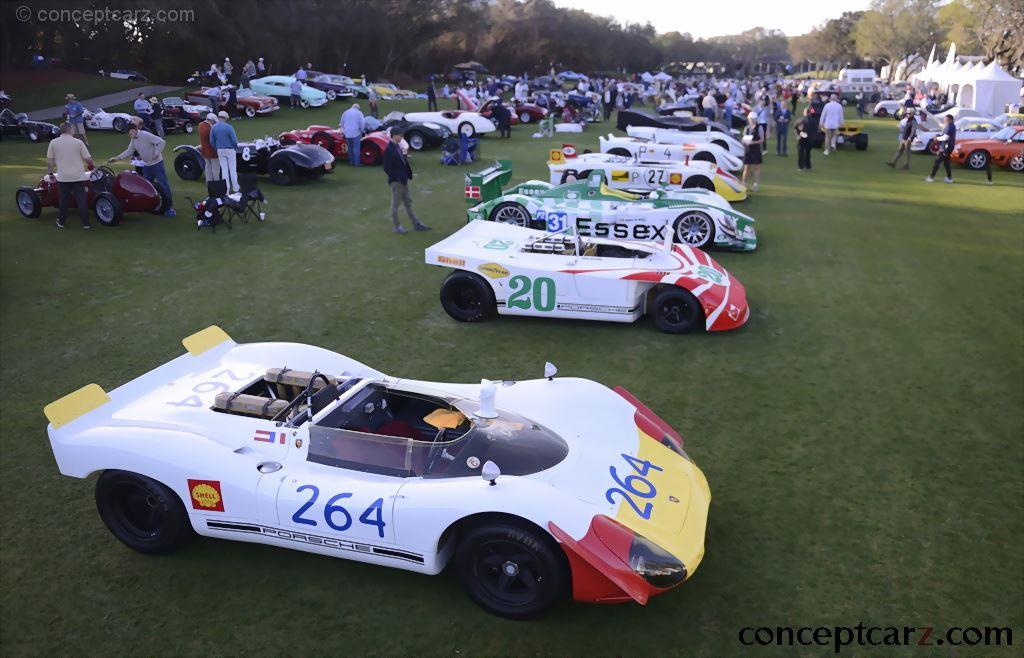
1969 Porsche 908 Navigation
After Porsche had firmly established itself as a builder of road-going sportscars, its factory-backed attention to motorsports resulted in numerous successes from models such as the 550 Spyder, RSK, RS60, 904, 906, and 910 contesting the highest levels of sports car competition worldwide. They earned class and overall victories at the majority of the sport's most prestigious events.
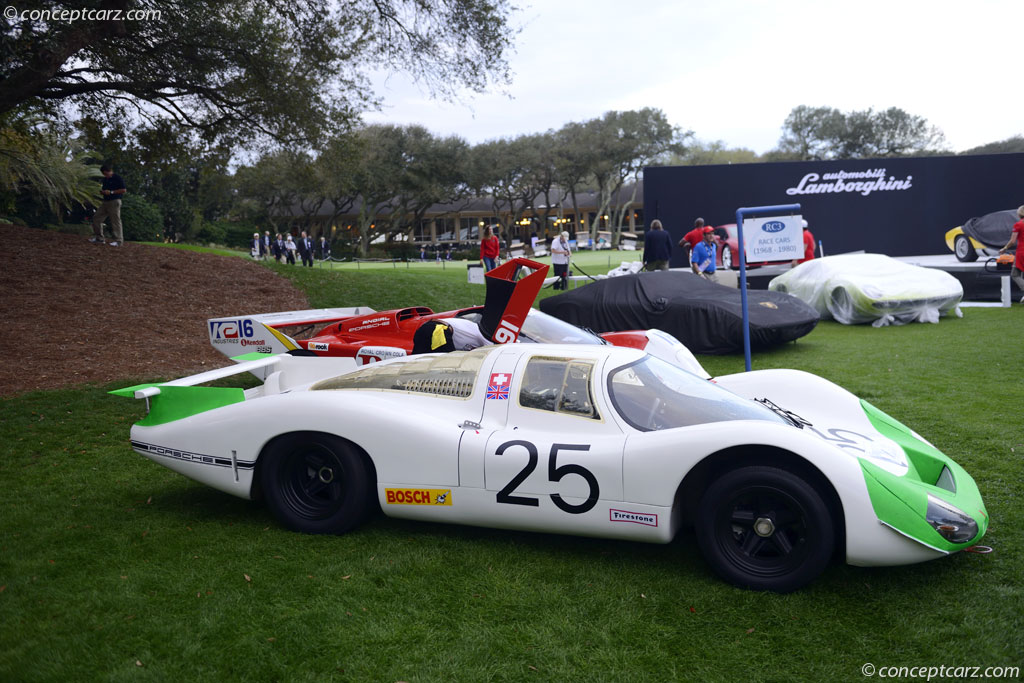
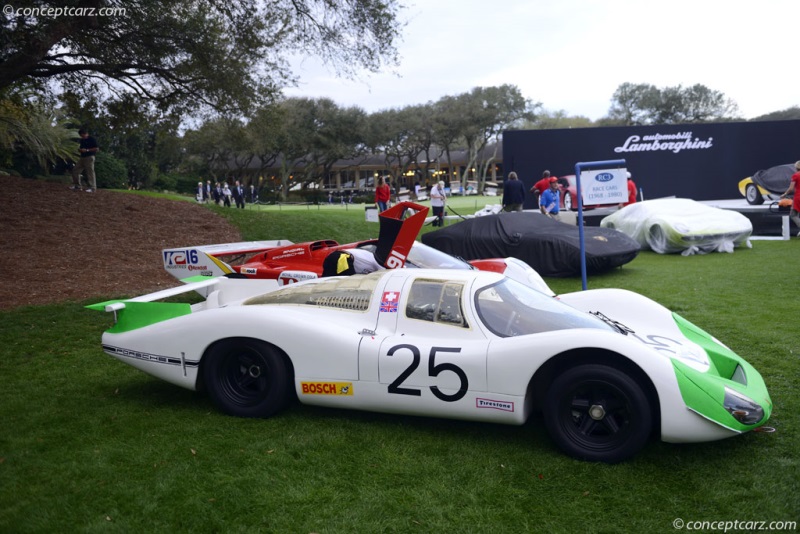
Coupe
Chassis #: 908.025 LH
View info and historyThe Porsche 550 and RSK - Giant KillersThe company was particularly successful in small-displacement international sports car competition during the 1950s, with its 550 RS known as the 'Giant Killer.' Among its accolades was a class victory at the 24 Hours of Le Mans in 1954. The succession of four-cylinder, four-cam sports racing cars that followed was extremely quick, utilizing a lightweight chassis and running gear, streamlined alloy bodies, and excellent braking to gain fuel efficiency, handling, and acceleration advantage. The 550 was followed by the 550A, 1500RS, RSK, the RS60, and the RS61 Series. The RS60 and RS61 (known as the Type 718) allowed customers to buy and race identical cars to the ones being used by the Factory. When Formula One regulations announced that the 1961 season would be run using the same 1.5-liter engine displacement as in Formula Two, only minor modifications were needed for Porsche's 718/2s to be eligible to compete. In 1960, the 718/2 won the unofficial Formula Two Manufacturers World Championship 'Coupe des Constructeurs.' The following year, it was used successfully in Formula One competition.The Porsche 904 - The beginning of a series of sportscars that culminated in the dominant 917
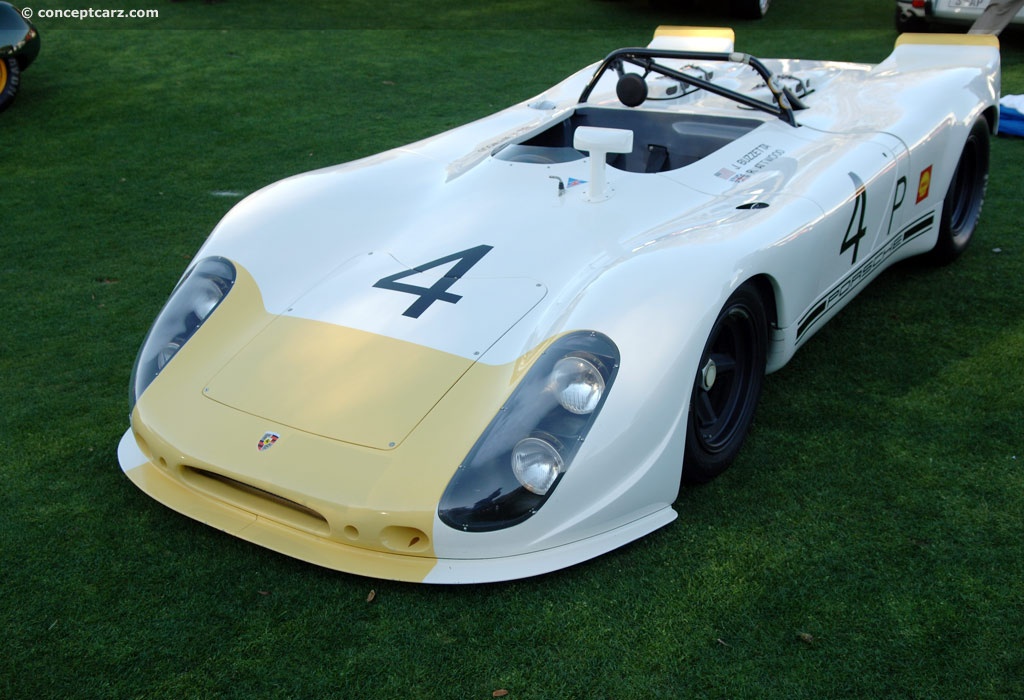
Spyder
Chassis #: 908.026
View info and historyAt the end of the 1962 season, Porsche's focus returned to sportscar racing, with its 904 (officially called the Carrera GTS due to naming rights problems) introduced late in 1963 for the 1964 season. Successor to the 718 which had been introduced in 1957, the 904 was designed to compete in the FIA-GT class. A street-legal version complying with Group 3 appendix J homologation regulations arrived in 1964. The 904 was the first Porsche to use a ladder chassis and fiberglass body. The bodies were outsourced and manufactured by Heinkel (the same company that produced the first jet Fighter for Germany during World War II). The lightweight bodies were bonded/glued to the frames. It continued to use the mid-engine layout of the 718 and power was sourced from an air-cooled, 1,966cc Type 587/3, four-cam flat four-cylinder paired with a five-speed transmission. In US racing, 904s took National Championships in both 1964 and 1965. In the 904's first European outing, they took a 1-2 victory in Sicily's grueling Targa Florio, followed by a 3rd overall finish at the Nurburgring. At Le Mans: 7th overall, and Index of Performance regarded second overall to overall victory. Through 1965, 904s were Porsche's mainline contender that finished 4-5 overall at Le Mans 1965, winning class again with one entry winning Index of Performance and the other winning Index of Thermal Efficiency as the best overall performance by weight on the least amount of fuel.The Porsche 906 (Carrera 6) - The last street-legal race car from Porsche
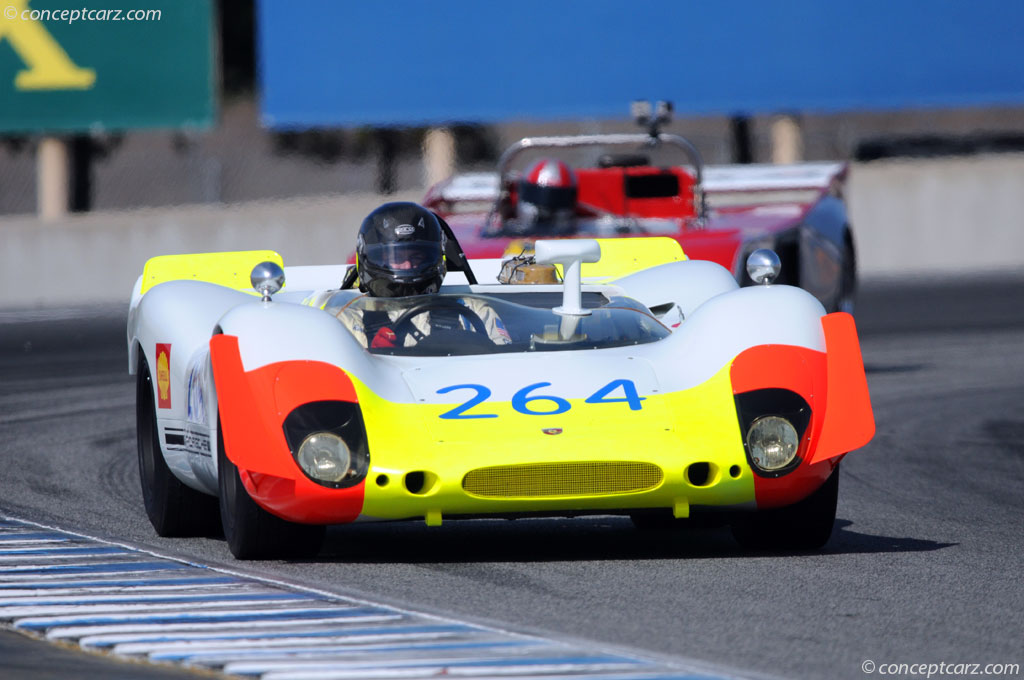
Spyder
Chassis #: 908/02-010
View info and history
Auction entries : 1The new 906 coupe adopted a highly tuned version of the new 911 series six-cylinder road car. The coupe featured gullwing doors and was developed purely as a racer, with no intent of street use. The new FIA regulations stipulated that 50 cars had to be built prior to homologation. In January 1966, sixty-seven 906 coupes began rolling out of Stuttgart. They featured tubular space frames, wind tunnel-designed glass fiber bodies, and two-liter sixes, developing 210 horsepower. Most were raced by privateer teams. The Porsche 910 (Carrera 10) - A fully developed race carThe Porsche 910, based on the 906, was both lighter and shorter than its predecessor. They were launched in 1966 as the 906/10 although the 29 examples (19 of which actually raced for the Porsche factory) built are usually referred to as the 910. With no compromises that hinted at street use, the 910 was a fully developed race car.
Spyder
Chassis #: 908/02-021The 910 utilizes a tubular frame, beryllium brake discs, titanium hubs, etc, and weighs only 1298 lbs. The 910 used both a 2-liter Type 901/21 injected 220 horsepower flat-six and a 2.2-liter Type 771/0 injected flat eight with 270 horsepower. The Porsche 910 Began in 1966 as a Hillclimb race car, but quickly developed into a highly successful endurance racer. These Circuit Racing 910's swept the 1967 Targa Florio, Nurburgring and Circuit Mugello and only lost the World Sports Car Championship for 1967 to Ferrari by a few points. The 910 also won the 1966 and 1967 European Hillclimb Championship.The Porsche 907 - Suited for both long and short tracks
Flunder Langheck Spyder
Chassis #: 908/02-005
Engine #: 42
View info and history
Auction entries : 1The Porsche 907 Coupe was produced in two body types - 'K' for Kurz (short) and 'LH' for Langehecke (long). The cars ran most of the 1968 season and achieved overall victories at Daytona, Sebring, Targa Florio and the Nurburgring. Initially using the reliable six-cylinder engine also found in the 906, the 907 would later be fitted with the latest version of the Type 771 flat eight displacing just under 2.2 liters. Since the big V8 and V12 prototypes of Ford and Ferrari were banned, Porsche hoped to secure the World Sports Car Championship and maybe even get an overall win at Le Mans, since the competition had no suitable 3-liter prototypes yet, either. Things started well, with wins for Porsche 907s at the 24 Hours of Daytona and the 12 Hours of Sebring. Vic Elford and Umberto Maglioli drove a 907 to victory at the Targa Florio. In the 1968 24 Hours of LeMans, postponed to late September due to political unrest in France, a Porsche 907 'longtail' placed second. The Porsche 908 - The first Porsche sports car to have an engine with the maximum size allowed by FIA regulations
Flunder Langheck Spyder
Chassis #: 908.02-016
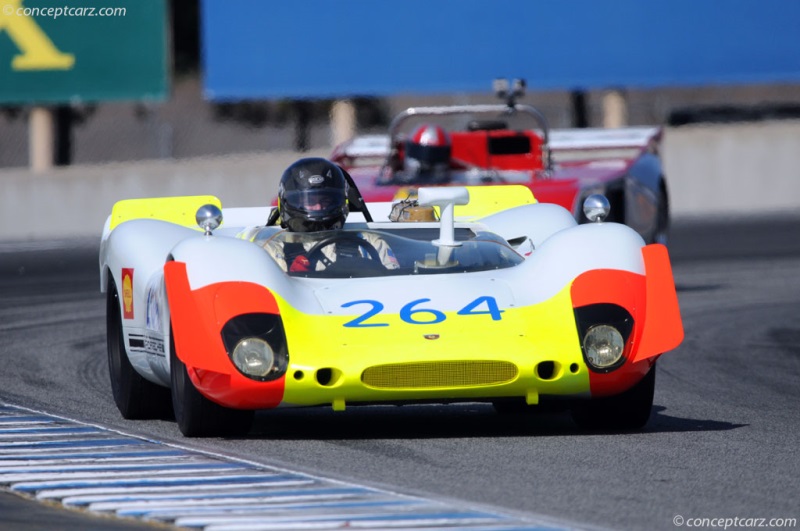
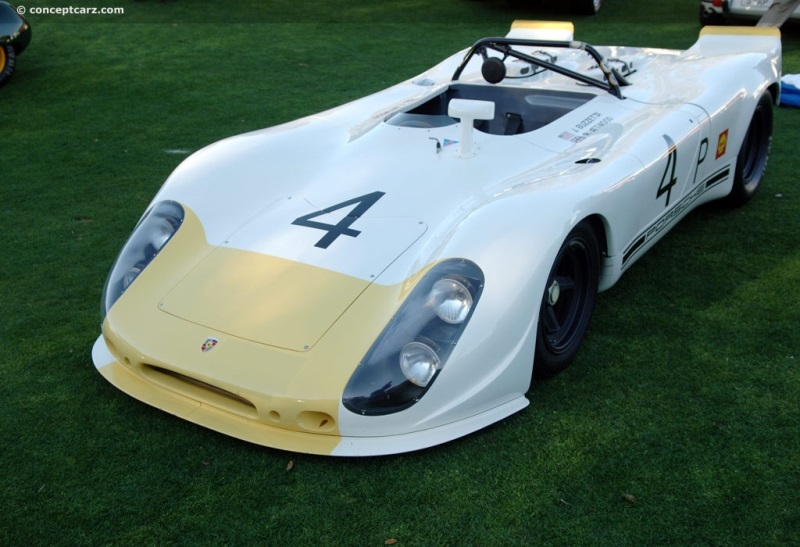
View info and historyThe Porsche 908 was a versatile racing machine and during its lengthy lifespan - lasting from 1968 to 1971 - was built in closed coupe and spyder configuration, with long and short tails, and in naturally aspirated and turbocharged guise. While the Porsche 917 (introduced for the 1969 season) excelled at high-speed tracks like Le Mans, the 908 was suited for twisty, technical circuits such as the Nürburgring and Targa Florio, where handling was paramount to horsepower. Porsche 908 : Mechanical SpecificationThe Porsche 908 continued to use the Helmuth Bott-designed chassis of the previous 906/910/907 racing cars and the Hans Mezger-designed engine. When the FIA altered rules for Group 6 prototype-sports cars limiting engine displacement to 3,000cc (the same as in Formula One), Porsche decided to create a new engine rather than modified its 2,200cc Type 771/1 flat-eight engine used in the 907. Engineers were tasked with building the engine to cope with the rigors of endurance competition and to use a simple design so that it could be used in future road-going models.
Spyder
Chassis #: 908.026
View info and historyThe new 3-liter Type 908 flat-eight engine was air-cooled, had two valves per cylinder, fuel injection, and dry sump lubrication. It was installed in a chassis similar to that of 907 with the early cars using steel for the spaceframe while later examples used lightweight aluminum. The brakes on the 908 were larger than the 907 due to the more powerful engine.Porsche 908 : Racing The older and smaller 2200 cc 907 was used during the start of the 1968 while development continued on the 908. A one-two-three victory by the 907 was achieved in the Daytona 24 Hours race with Vic Elford and Jochen Neerspasch crossing the line first. Jo Siffert and Hans Herrmann won at Sebring, Elford and Umberto Maglioli at the Targa Florio in a 907, Siffert and Elford at the Nürburgring (908), and Siffert at Zeltweg.
SpyderThe Porsche 908 made its debut during the Le Man's test weekend where the six-speed gearbox proved to be a major Achilles Heel along with the engine's crankshaft design that caused excessive vibrations. Its racing debut was at Monza, the fourth race of the season, where it was clear more development was required to improve the longtail's aerodynamic issues. A solution to the aerodynamic issues was found using an adjustable rear wing system similar in theory to the setup used on the Chaparral 2C, 2D, and 2E. Four Porche 908 Coupes were given a revised aluminum spaceframe chassis and an adjustable wing system where one side of the wing would lift while the other would flatten. The side with the greater pressure received the flat configuration while the other side rose to equal the force on the other side. Down to the Wire : The 1968 24 Hours of Le Mans
SpyderDue to the worker's strike in France, the 1968 24 Hours of Le Mans was run at the end of September. The rescheduled 36th Grand Prix of Endurance on the Circuit de la Sarthe, in Le Mans, France allowed cars to mature during the season but also increased the time by three hours that drivers would spend in darkness compared to June. The start time was moved forward to 3 pm for the spectators' sake due to the earlier onset of darkness. Most cars would start the race wearing wet tires due to rainy conditions before the start of the race. Pole setter, Siffert, started with slicks.The new Matra 3-liter V12 was initially not going to race at Le Mans, but the deferred date allowed for more testing and a single MS630 longtail was prepared for team drivers Henri Pescarolo and Johnny Servoz-Gavin. Porsche's 908 had a similar tale, with the additional development time allowing it to 'toe' the line at Le Mans. Going into this tenth and final round of the 1968 World Sportscar Championship, both Ford and Porsche were close in point totals. Ford had won four events, and Porsche had won 5 giving the latter a narrow lead in the Championship coming into this final round. Porsche would finish in second and third at LeMans, but the victory by Pedro Rodriguez and Lucien Bianchi, in the J.W. Automotive Gulf-Oil Ford GT40 earned Ford the manufacturer's title.
Spyder
Chassis #: 908-55Of the 54 cars competing at LeMans, Porsche had 13 entries and Alpine had 11. The Ford factory teams had been withdrawn and J.W. Automotive had acquired the rights to racing the GT40, taking over the Ford Advanced Vehicles facility at Slough. Ferrari boycotted Le Mans, opening the door for Porsche's new Group 6 Prototype-Sports 908. Powered by its new 3-liter flat-8 engine delivering 33 horsepower, the 908 represented the first time that Porsche competed in the largest engine class of the regulations. Still relatively untested, the 908 had won at the Nürburgring (and would win in 1969, 1970, and 1971) giving Porsche hope for its first FIA Championship. The Works team was comprised of four 908s in langheck (longtail) configuration to capitalize on the long fast straights. Driving teams included Siffert and Herrmann, Vic Elford and Gerhard Mitter, Rolf Stommelen and Jochen Neerpasch, and Joe Buzzetta and Scooter Patrick. Three privateers competed in the tried-and-true 907 langheck (Alex Soler-Roig, Philippe Farjon, and Squadra Tartaruga of Rico Steinemann). Two turbine-powered Howmet TXs were entered in the prototype class, a 5-liter Chevrolet-powered Lola T70 in the Sports category, a one-off Chevron B12 using a modified version of the 3-litre Formula 1 Repco V8 engine, and a new 2-liter Austin-Healey prototype with a Coventry Climax FWM V8 engine. Autodelta, the racing division of Alfa Romeo, entered four Tipo 33/2 racers and supported two cars entered by the Belgian VDS customer team.24 Hours of Le Mans : The RaceWilly Mairesse failed to shut his door properly - so while reaching speeds in excess of 150 mph along the Mulsanne Straight, the door flew open. As he tried to close the door, the Ford went off the track into the trees. Mairesse would be in a coma for two weeks after the accident, suffering broken bones and head injuries, and it would end his racing career. Porsche held the top four positions at the end of the first lap, with Stommelen in the top position. By the fourth lap, Siffert had overtaken Stommelen for the lead, with the Fords in the 5th, 6th, and 7th positions. As the rain ended early into the race, some competitors came in to shed the wet-weather tires for those better suited to dry conditions. On lap twelve, the JW Automotive Engineering Ford of Brian Muir went into the sand at the Mulsanne corner. It would take three hours of digging before he was free and he burnt the clutch in the process. After two hours of racing, Siffert had lapped the field and was comfortably in first place with Elford in second, followed by two Gulf-Fords, Buzzetta's 908 and the Alpines of Guichet and Bianchi next. The Porsche of Stommelen and Elford both had electrical issues costing them precious time, and the leading Porsche suffered a broken clutch just before 7 pm, stranding Siffert out on the track unable to get back to the pits for repairs.As the moon climbed higher in the night sky, two Gulf Fords of Rodriguez/Bianchi and Hawkins/Hobbs would swap 1st and 2nd positions into the night. Hobbs lost two hours in the pits due to a faulty clutch, and once the problem was repaired and he was underway again, the engine expired spectacularly at the end of the Mulsanne Straight. The Porsche driven by Mitter/Elford lost its alternator belt, and when the officials found that the team had changed the alternator they were disqualified as it was a part not permitted to be replaced during the course of a race. The Porsche driven by Buzzetta/Patrick was in fourth position when another alternator took them out of the race. Rain returned around 2:30 am and got heavier as the night progressed. One competitive Ford remained at the 3 am halfway point and enjoyed a comfortable 4-lap lead over the next competitor - the new Matra followed by the 2-litre Alfa Romeo of Giunti/Galli. By this point, Stommelen's delayed Porsche 908 was back on the track, quickly gaining ground on the 4th-place competitor. The Swiss Porsche 907 of Squadra Tartaruga with the Bianchi/Depailler Alpine was in fifth place and on the same lap as the 4th place car. 30 cars remained classified as runners, with the first two Alfas leading the Index of Performance, narrowly ahead of the Andruet/Nicolas Alpine and the Swiss Porsche.When the 3rd place Alfa Romeo was delayed in the pits at 4:30 am, the Matra finally had a chance to pit as well, losing 3 laps and finally fixing the broken wiper motor.As dawn began to break around 6:30 am, the rain was beginning to subside but the conditions were still very wet. The Ford was comfortably in first with a 7-lap lead over the Alfa Romeo and Matra. The Andruet/Nicolas Alpine had also now taken over the Index lead.Soon after 11 am, with less than four hours remaining the race, the most serious accident of the race occurred. 6th place Mauro Bianchi was leaving the pits when he crashed heavily approaching the Esses. Carrying a full tank of race fuel, it exploded in a fireball, catching the nearby straw bales on fire. Bianchi had severe burns to his arms and face but survived. A Matra driven by Servoz-Gavin got a puncture while going through the debris; it made it back to the pits and repairs were made, but at the cost of a place. With three hours remaining, the Alfa Romeo came into the pits with suspension failure losing 30 minutes, and 4 laps, getting it repaired. The Matra got another puncture at 12:30, and as it limped back to the pits, the disintegrating tire damaged the battery, causing an electrical fire and ending its day. The Swiss Porsche inherited second.The Ford GT40 of Rodríguez and Bianchi crossed the finish line with a 5-lap lead. The new Squadra Tartaruga team of Steinemann and Spoerry driving a 907LH came in second just a lap ahead of the Stommelen/Neerpasch works 908LH car. The Alfa Romeo of Giunti/Galli was fourth, followed by Autodelta teammates coming in 4-5-6, the three of them separated by seventeen laps.The leading GT car was the Belgian Porsche of Jean-Pierre Gaban, giving the 911 the first of many overall GT wins for the model. With Ford's victory at Le Mans, they won the 1968 International Championship for Makes.1969 Season : The Porsche 908/02As speeds had continued to escalate at Le Mans and other circuits, particularly for the Group 6 prototypes, the Commission Sportive Internationale (then the independent competition arm of the FIA) announced that the International Championship of Makes would be run for three-litre Group 6 prototypes for four years from 1968 through 1971. It was hoped that smaller capacity engines would reduce speeds and entice manufacturers who were already building three-liter Formula One engine to adapt them for endurance racing.Since only a few manufacturers were in a position to field a worthy three-liter competitor, the CSI also allowed the participation of five-litre Group 4 sports cars, of which a minimum of 50 units had to be manufactured. The 50 unit homologation requirement proved to be a difficult obstacle for several manufacturers, so in April 1968, it was reduced to 25 to grow the ranks of eligible competitors. In preparation for the Group 6 prototype category changes, the roof and long tails of the Porsche 908 were removed and the weight was lowered by 220 lbs (100 kg). The fame was now built from aluminum and air pressure gauges were used to check them.The season opener was the 24 Hours of Daytona followed by the 12 Hours of Sebring before competitors returned to Europe to finish the rest of the 10 race schedule. LeMans was in June and was the 8th race of the season, followed by a return to the United States to race at the Watkins Glen 6 Hours in July, with the final event being the 1000km of Zeltweg in August. A Lola T70 won the 24 Hours of Daytona while all three Porsche 908/02 failed to finish. The three factory-entered 908/2s were beaten by Jacky Ickx and Jackie Oliver in a Ford GT40 MKI at Sebring. On March 12, 1969, a 917 was displayed at the Geneva Motor Show and in April it was granted homologation status. The Type 912 flat-12 engine displaced 4.5 liters and eventually grew to 5.0 liters. With its arrival, it seemed that the racing career of the 908 may be over, but as the 917 needed more time to mature and as the 908 started to succeed, its racing career continued. At the third race of the season - the BOAC 500 at Brands Hatch - the 908 finished 1-2-3 ahead of a Ferrari 312P. Additional victories followed at the 1000km Monza, the Targa Florio, the 1000km Spa and a convincing 1-2-3-4-5 at the 1000 km Nürburgring. A Ford GT40 won the 24 Hours of Le Mans while the 917 continued to suffer, struggling with gearbox issues after leading for many hours. Hans Herrmann in a 908 low drag coupe was fast on the straights and challenged Ickx for the lead spot, but as its brake pads wore down near the race's end, Ickx was able to pass under braking. Porsche won both the International Championship for Makes and the International Cup for GT Cars in 1969, although a victory at Le Mans remained elusive. 1970 and 1971 Seasons : The Porsche 908/03A season of maturity had forged the 917 into a dominant machine. It would give Porsche its first overall victory at the 24 Hours of Le Mans in 1970 and 1971, and would enjoy a successful racing career in Can AM competition as well, winning the championship in 1972 and 1973. It won the Interserie championship every year from 1969 to 1975.The powerful Porsche 917 excelled at high-speed tracks whereas the 908/03 was suited for technical circuits such as the Nürburgring and the Targa Florio. Its low weight, excellent braking and handling, and nimble demeanor complemented the raw power of the 917, providing Porsche with an arsenal of seasoned racecars perfectly suited for the kaleidoscope of tracks on the schedule. The Porsche 908/03 used an aluminum-alloy spaceframe chassis with double wishbone and coil springs at the front and reversed lower wishbones, coil springs, twin radius arms, and top links at the rear. The body was created using fiberglass panels and braking power was via ventilated and cross-drilled disc brakes. The three-liter eight-cylinder engine had twin spark ignition, Bosch fuel injection, two valves per cylinder, a magnesium alloy block and an aluminum head, and offered approximately 365 horsepower at 8,400 RPM. Porsche engineers improved the car's weight balance and lowered its center of gravity, enhancing its handling even further. This was achieved by mating the air-cooled flag eight engines to a five-speed Type 910 gearbox while allowing the engine to be positioned further forward in the chassis. Along with shortening its length, this arrangement resulted in the cockpit being nearly between the front wheel, and the driver's feet extending beyond the wheel's center line.With minimal front and rear overhangs, and with the engine being cooled solely by air, designers were able to forge large radiators, resulting in an aerodynamically pure design. For the 1971 season, vertical fins were added to the rear of the 908s.The Porsche 908/3 weighed approximately 500 kg (1,100 lbs) while the 917K tipped the scales at about 840 kg (1,900 lbs). During the 1970 season, the Porsche 908/3 won at the Targa Florio and the Nürburgring 1000 km races. The 1971 season was met with stiffer competition from Formula 1-inspired powered cars from Ferrari and Alfa Romeo. The 908/3 was unable to defend its victory at the Targa Florio where an Alfa Romeo Tipo 33/3 claimed the top spot. At the Nürburgring, the 908/3 redeemed itself with a 1-2-3 finish.Porsche's potent 917 and lightweight 908 dominated the International Championship for Makes each year from 1969 to 1971. When new rules were introduced, and having won at the highest levels of competition, Porsche withdrew from the World Championship at the end of the 1971 season. The 908/3 cars were sold to customers who continued to race them for the next decade.1972 and BeyondThe Group 5 (5,000cc) category was discontinued in 1972 making the 917 obsolete. The 908 faced a similar fate as the 3,000 cc category was renamed 'Group 5 sports cars' and required a weight of 650 kg. Porsche's competitors were achieving over 420 horsepower with their engines while the 908 was developing 370 horsepower. Increasing the 908's weight would forgo every advantage and drastically reduce its ability to compete. Having nothing left to prove, Porsche ended its 20-year history of factory sports car racing and refocused its attention on its road-going 911.One of the most successful privateers who raced the 908/3 was Reinhold Joest who placed third in the 1972 24 Hours of Le Mans with a 908LH coupe. At least one of his 908s was given a 2.1-liter six-cylinder engine with a turbocharger, which offered over 200 more horsepower than the 8-cylinder engine. To cope with the increase in power, the chassis and mechanical components were reinforced and strengthened. Other customers also fitted 908s with turbocharged engines, similar to those powering the Porsche 934 GT car. In 1976, with a new Group 6 two-seater racing category replacing the Group 5 sports car class, Porsche developed the 936 (the name was in reference to the company's 930's turbocharged engine, as well as Group 6 racing). While Porsche offered the 934 and 935 to privateers, the 936 was strictly a factory works car. The Porsche 936 driven by Jacky Ickx won at Le Mans in 1976, 1977 and 19781 (with each of the three original chassis winning once). In 1978, two of the 936s had been given a modified version of the 935 engine, and placed second and third behind the Renault. Joest and Ickx drove the Porsche 908/80 turbo to a second place finish in the 1980 24 Hours of Le Mans. Between 1968 and 1971, the 908 won the 1000km Nürburgring, and again in 1980. The Porsche 908s Racing CareerThe 908 began as a closed coupe designed for low drag and high-speed tracks, evolving into the lightweight open spyder (908/2) for 1969, and the compact 908/3 for 1970. Although it did not give Porsche a victory at Le Mans, it delivered many convincing victories throughout the season and was instrumental in earning the company the International Championship for Makes in 1969, 1970, and 1971.
by Daniel Vaughan | Jan 2023
Coupe
Chassis #: 908.025 LH
View info and history
Spyder
Chassis #: 908.026
View info and history
Spyder
Chassis #: 908/02-010
View info and history
Auction entries : 1
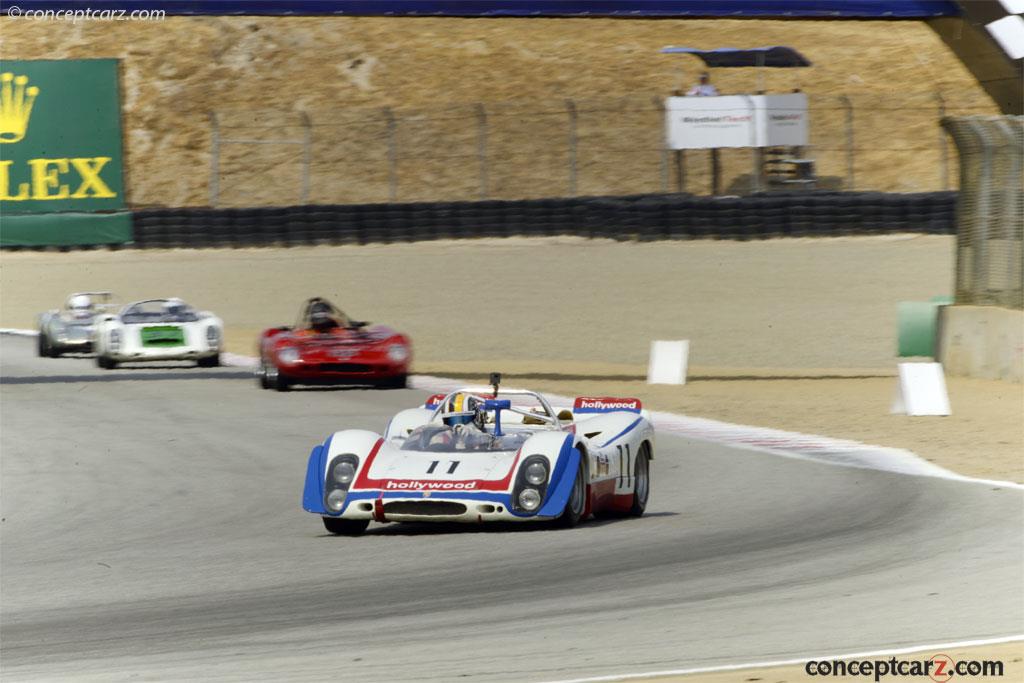
Spyder
Chassis #: 908/02-021
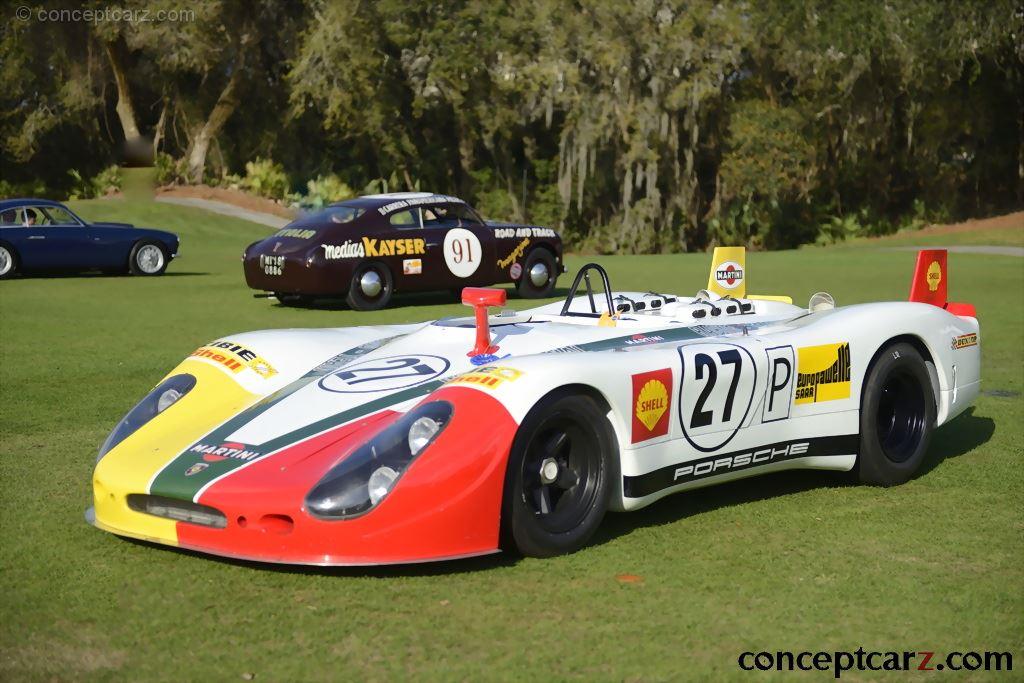
Flunder Langheck Spyder
Chassis #: 908/02-005
Engine #: 42
View info and history
Auction entries : 1
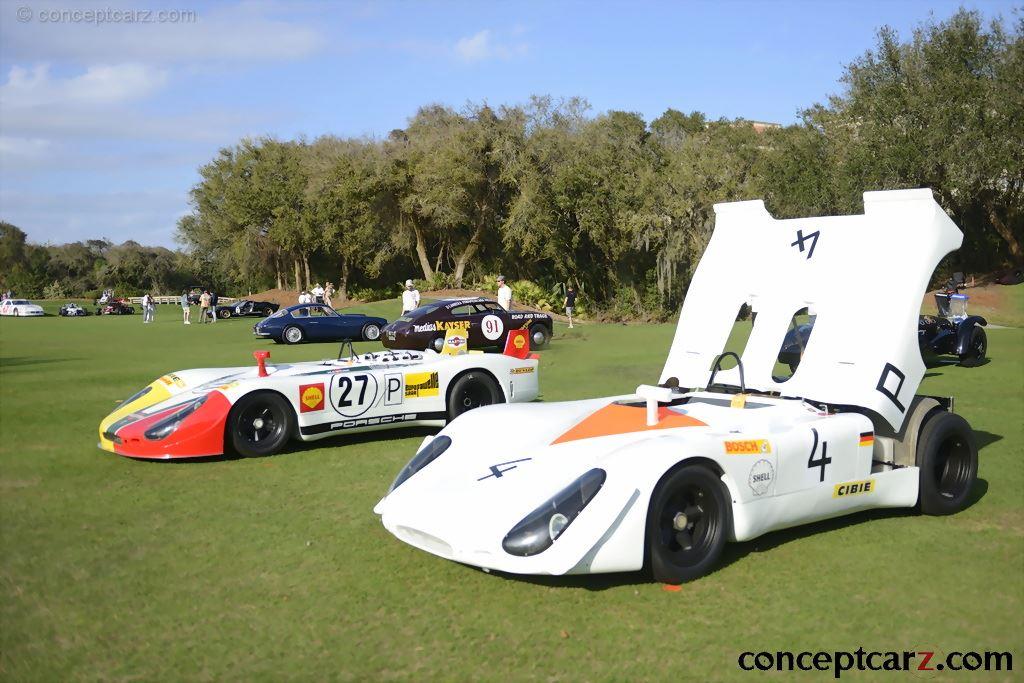
Flunder Langheck Spyder
Chassis #: 908.02-016
View info and history
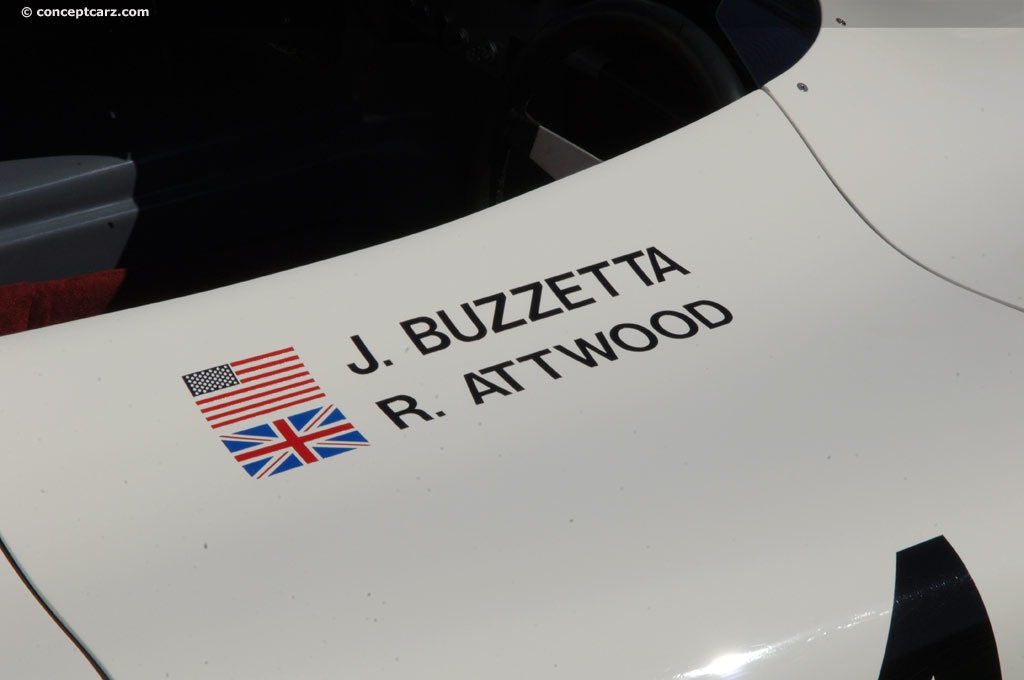
Spyder
Chassis #: 908.026
View info and history
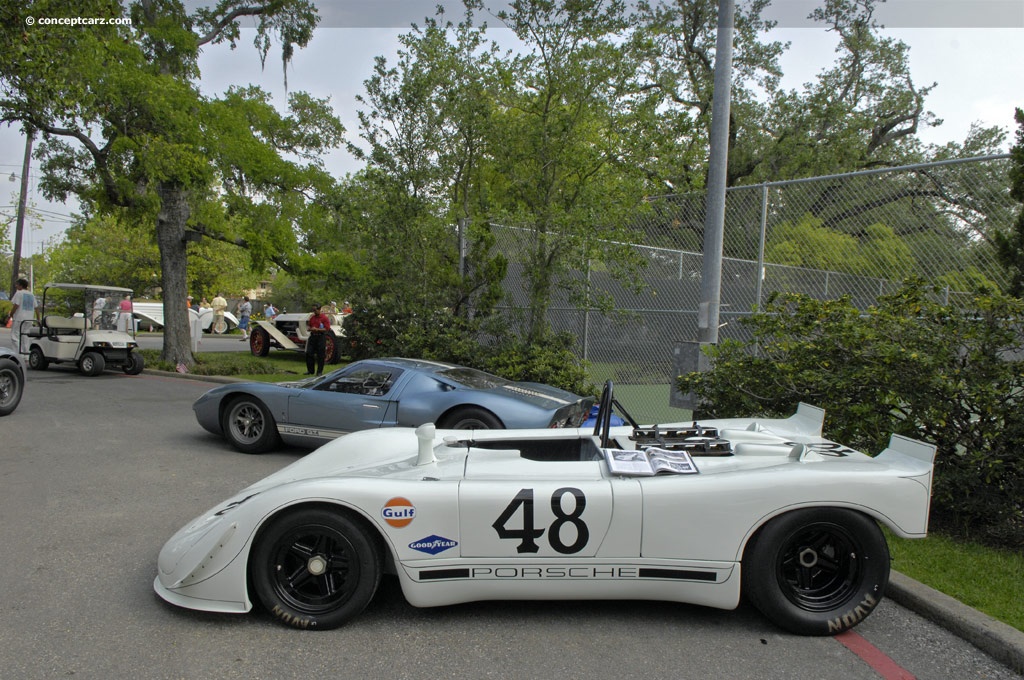
Spyder
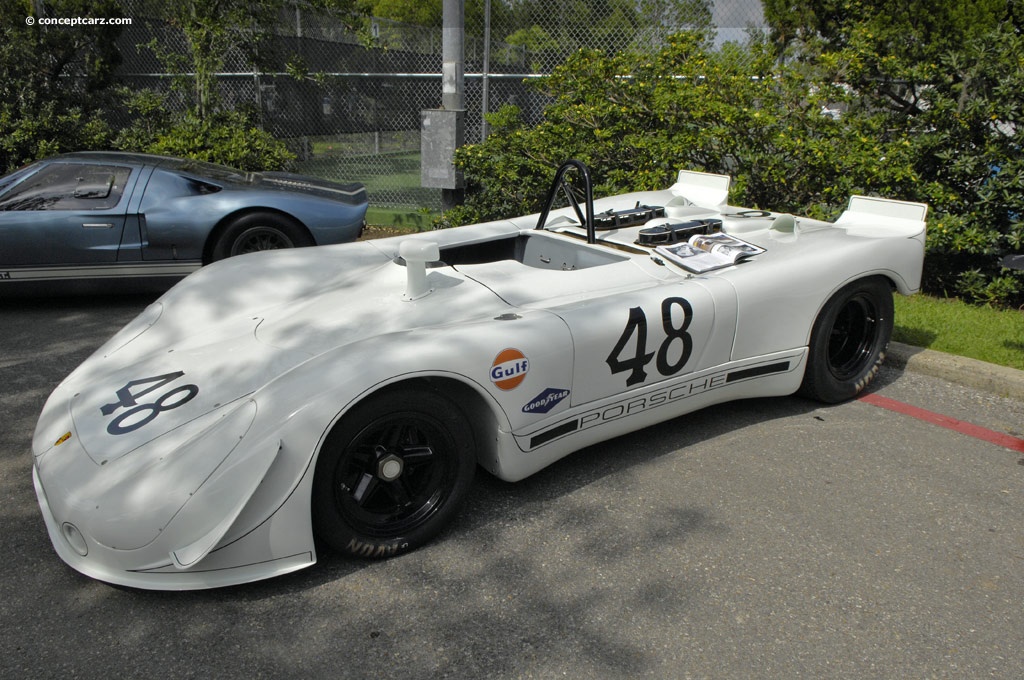
Spyder
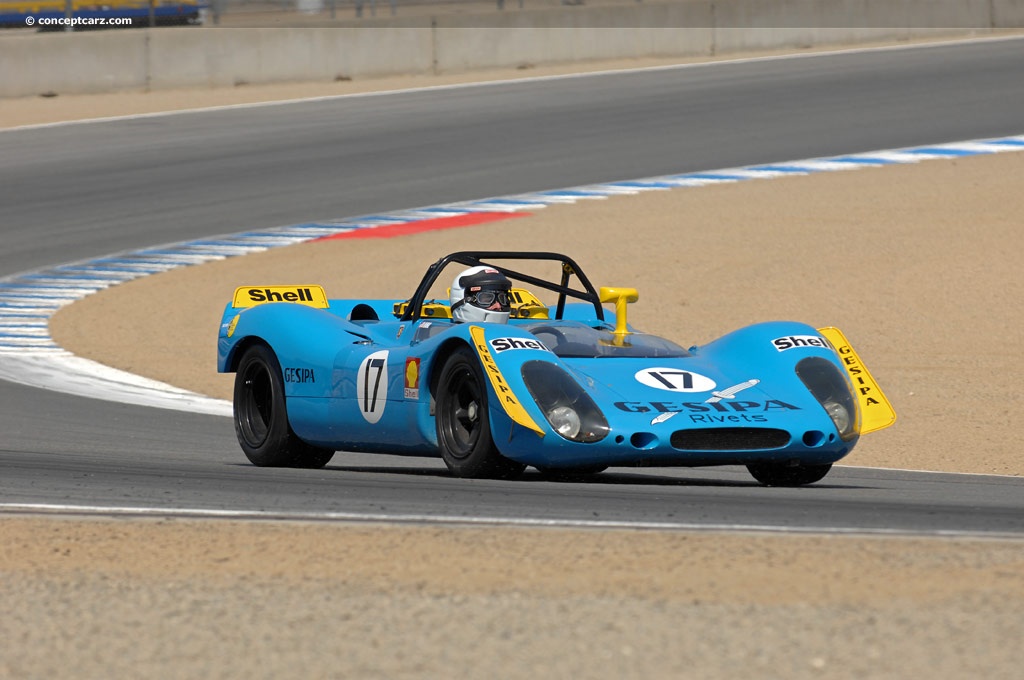
Spyder
Chassis #: 908-55
by Daniel Vaughan | Jan 2023
Related Reading : Porsche 908 History
The Porsche racing legacy began with the very first cars that it produced. Dr. Ferry Porsche was the company creator and a racing enthusiast who understood the benefits of racing participation. Prior to the 908, the Porsche victories had been in their class rather than overall wins, due to their small engines when compared with their competition. The 908 was identical to the 907 both in long and....
Continue Reading >>
Continue Reading >>
- 1969 Porsche 908 Menu
- Article
- Image gallery
- Valuation
- Specifications
- Profiles
- Production figures


1969 Porsche 908 Vehicle Profiles


Recent Vehicle Additions


Related Automotive News

From Lucybelle to DHL: Historic Porsche Competition Cars Race to Gooding & Company's Pebble Beach Auctions
The very best of Porsche excellence will come to Pebble Beach with a 1959 Porsche 718 RSK, a 1969 Porsche 90802, a 2007 Porsche RS Spyder Evo, and more.
Gooding %26 Company, the official auction house of the Pebble Beach Concours dElegance®,...

1969 24 Hours of Le Mans: A Traditional Statement Provides a Memorable Race
What if a statement ended up costing one of the biggest victories of ones career Would it be worth it Jacky Ickx would come close to finding out as he approached the checkered flag on the afternoon of the 15th of June in 1969.
Ford had determined...

1968 Targa Florio-Winning Porsche 907 K To Star At Broad Arrow's Inaugural Amelia Auction
Highly authentic works factory prototype powered by its original engine leads Broad Arrows inaugural Amelia Auction on March 4 at the Ritz-Carlton, Amelia Island.
Raced at the 1968 Sebring 12 Hours and the outright winner of the 1968 Targa Flo...
From Lucybelle to DHL: Historic Porsche Competition Cars Race to Gooding & Company's Pebble Beach Auctions
The very best of Porsche excellence will come to Pebble Beach with a 1959 Porsche 718 RSK, a 1969 Porsche 90802, a 2007 Porsche RS Spyder Evo, and more.
Gooding %26 Company, the official auction house of the Pebble Beach Concours dElegance®,...
All-Star Cast of Cars, Drivers at Porsche Rennsport Reunion V
The Porsche highlights for a weekend full of highlights
Atlanta, Georgia. For the Porsche Rennsport Reunion V taking place at Mazda Raceway Laguna Seca this weekend, both the men and the machines they drove are expected to outdraw one...

Gooding & Company Amelia Island Auction Preview
Gooding %26 Company, the auction house acclaimed for selling the worlds most significant and valuable collector cars, will hold its annual Amelia Island Auction on Friday, March 7 on the Omni Amelia Island Plantation.
David Gooding, President and founder...
1969 24 Hours of Le Mans: A Traditional Statement Provides a Memorable Race
What if a statement ended up costing one of the biggest victories of ones career Would it be worth it Jacky Ickx would come close to finding out as he approached the checkered flag on the afternoon of the 15th of June in 1969.
Ford had determined...