James 'Jimmy' Byrnes was a hotelier and restaurateur in search of building a one-off car to be used in club racing. With the help of Bernie Rodgers, the two ended up forming a small car company. Using Mr. Byrnes's connections with the Board of Directors of the Standard Triumph car company, the proposed race car would use Triumph parts.
Coupe by Wincanton Transport and Engineering Company
Chassis #: GT200117
Auction entries : 1Mr. Rodgers began building a multi-tube frame from rectangular steel tubing. The completed chassis was given Triumph TR3 drivetrain and clothed in an all-aluminum body. The completed prototype was initially dubbed 'Warwick.' The completed car was tested, shown, and demonstrated to friends and enthusiasts. The vehicle received great reviews and interest, percolating the idea of building a batch of production race cars. One individual who provided a great suggestion was John Gordon, the owner of a used car dealership. His idea was to widen the body, providing more interior space for the occupant, plus improving the vehicle's performance and stability. With the wider track, Bernie Rodgers was able to fit a de Dion suspension setup instead of the Triumph TR3's live axle. A second Warwick prototype was built, incorporating the wider track plus the lessons learned from the creation of the first Warwick car. The completed vehicle was shown at the Paris Motor Show in 1957. Wearing its lightweight aluminum body, the car was met with great reviews. The enthusiasm for the car further promoted the idea of putting the car into production.
Coupe by Wincanton Transport and Engineering Company
Chassis #: GT2/00230The two entrepreneurs were joined by Mr. Gordon. After acquiring a bankrupt car dealership whose property American-made Peerless military trucks had previously been serviced and stored, the name of the car was changed from Warwich to Peerless. The company envisioned the car to sell well in the United States, and since the Peerless Company of Cleveland Ohio was no longer building automobiles, they hoped to capitalize on the company's reputation and popularity.Several changes were made to the Warwick prototype to better manage its build cost and make it more affordable to a wider audience of consumers. Perhaps the biggest change was the switch to a fiberglass body. Fiberglass was a bit of a gamble, as few automobile companies were using the technology. The Kaiser Darrin and Chevrolet Corvette were some of the early promoters of the product, but it still was relatively new, and there were fears that they might be unable to convince buyers that it was a suitable replacement for the aluminum skin.James Whitson Ltd., a local coachbuilding company, was hired to produce the fiberglass bodies.
Coupe by Wincanton Transport and Engineering Company
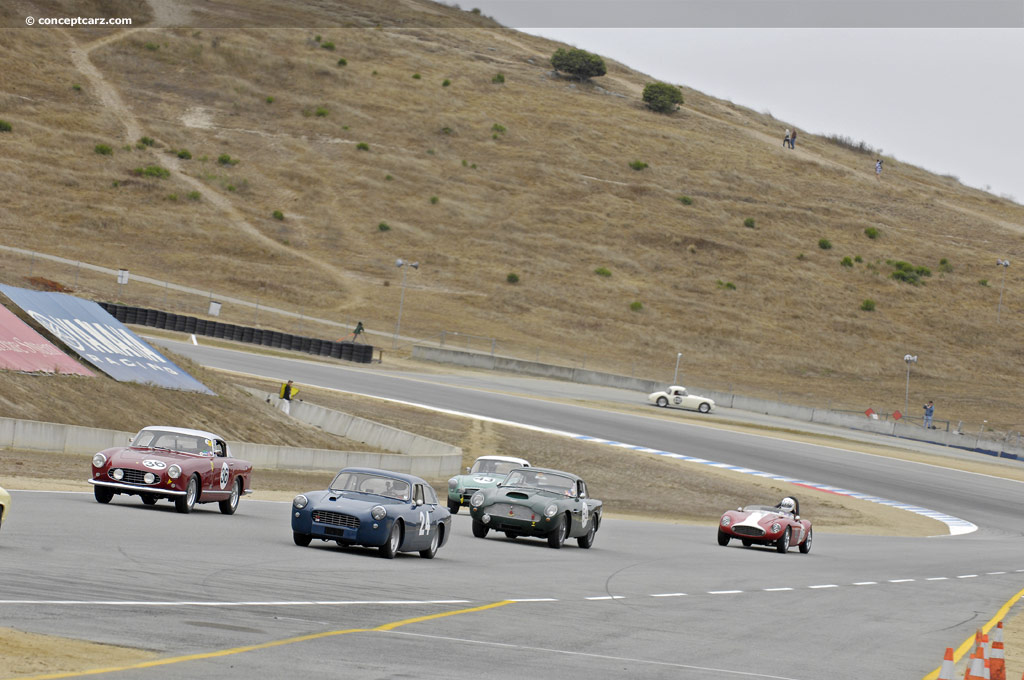
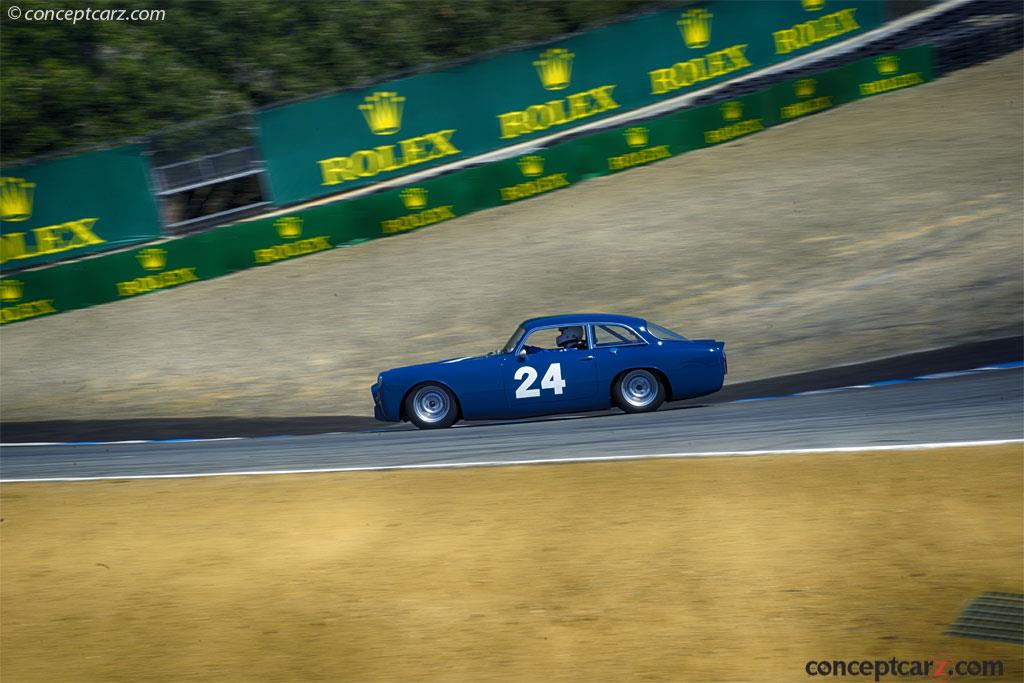
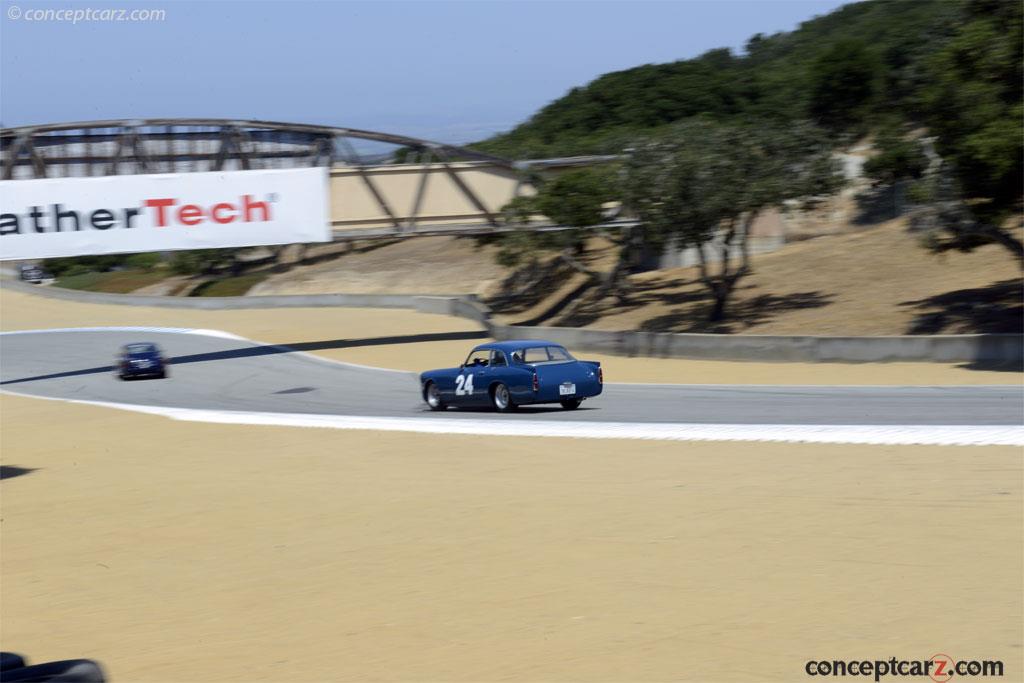
Chassis #: GT2/00230The completed product was entered in the 1958 24 Hours of LeMans and piloted by Peter Joppe and Percy Crabb. The car was finished in British Racing Green and given the number '24.' It finished in 16th place overall and 4th place in the two-liter Sports class. The car averaged 83.6 mph and completed 240 laps and a total distance of 2006 miles. This was a phenomenal finish, proving the car's durability, performance, and potential.With the enthusiasm from the vehicle's showing at the Paris Motor Show and its performance at LeMans, sales were strong. Orders outpaced the company's potential to satisfy the requests. After around 250 cars had been produced, the Peerless Company decided to add improvements to the car. One of the changes was to switch suppliers; the bodies were now being built by the Wincanton Transport and Engineering Company. The bodies produced by The Wincanton Company were similar to the Whitson Company, but the process in which they were created was much different. The cars built by the Whitson Company used 57 different molded parts which were then bonded together to create the bodyshell. These were then bonded and pop-riveted to the tubular steel chassis. The Wincanton Company used a single part created in a large, multi-section mold. The resulting product had greater structural rigidity and strength. Upon completion, the bodyshells were bolted to the tubular steel chassis, making it possible to easily remove the bodies if needed.In total, around 325 examples were built. Seventy examples were left-hand-drive cars that were exported to the United States. Though the company had been poised for greater success, things unraveled when John Gordon left. He had been the company's principal salesman and promoter.
Coupe by Wincanton Transport and Engineering Company
Chassis #: GT2/00230Though the company was short-lived, much was accomplished. They had created a competitive, lightweight, and nimble sports car that had competed at LeMans with stunning results. Introduced in 1957 as a 2-seat coupe with Triumph running gear, it proved to have more potential as a 2+2. The body features a prominent pair of finned rear fenders flanking a deep fastback rear deck, utilizing a TR3 front suspension, engine, and gearbox. These cost-effective, limited production 2+2 GTs are among the most exclusive and unusual from the U.K.
by Daniel Vaughan | Feb 2012

Coupe by Wincanton Transport and Engineering Company
Chassis #: GT200117
Auction entries : 1
Coupe by Wincanton Transport and Engineering Company
Chassis #: GT2/00230
Coupe by Wincanton Transport and Engineering Company
Chassis #: GT2/00230
Coupe by Wincanton Transport and Engineering Company
Chassis #: GT2/00230
by Daniel Vaughan | Feb 2012


1959 Peerless GT Vehicle Profiles

Recent Vehicle Additions


Performance and Specification Comparison
Related Automotive News

Blue-Chip Classics and Legendary 50s and 60s Sports Cars Added to Gooding & Company's Amelia Island Auction
Gooding %26 Company is revving up for its upcoming Amelia Island Auction with a stellar lineup of offerings. The auction house today announced yet another spectacular group of consignments, consisting of iconic sports and racing cars from the 1950s and...

1980 BMW M1 Procar Headed to RM Sotheby's Online Only SHIFT / MONTEREY Auction
ONLINE AUCTION WILL PRESENT 200 COLLECTOR CARS 13-15 AUGUST ON RMSOTHEBYS.COM
RM Sothebys announces early entries for Online Only SHIFT MONTEREY auction, led by spectacular 1980 BMW M1 Procar with in-period IMSA racing history, offered w...

The Mid-Engine Corvette at the Amelia Island Concours d'Elegance
With the recent introduction of the Chevrolet C8 Corvette, the first production mid-engine Corvette sports car, the 2020 Amelia Island Concours dElegance took the opportunity to tell the story of the mid-engine Corvette legacy. The canvas...

NISSAN GIVES GAMERS 2020 VISION
Virtual supercar created to celebrate the 15th anniversary of the legendary Gran Turismo driving game becomes real at Goodwood Festival of Speed
NISSAN CONCEPT 2020 Vision Gran Turismo to be presented at Goodwood on June 26
22 virtual supercar wi...

John Barnard's Finest: Some of the Greatest of Barnard's Design
The latter-part of Barnards Formula One career would be filled with disappointments and disputes. However, there was no disputing the genius of the man from London. In fact, a couple of innovations that are mainstays in Formula One design were first...