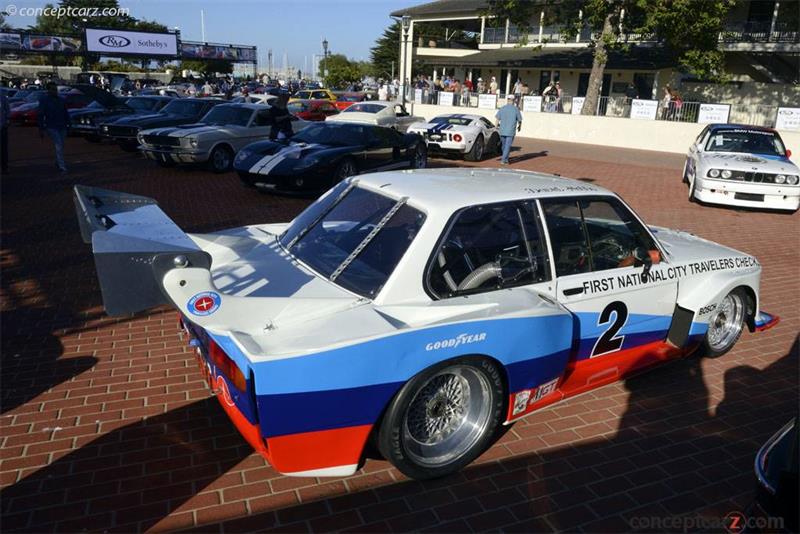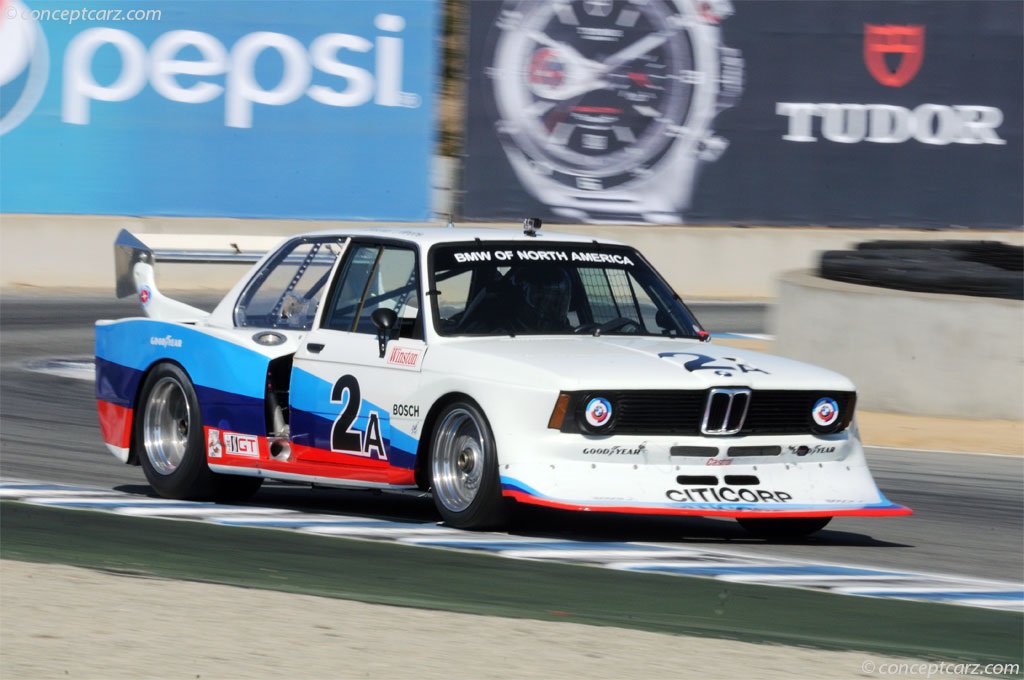
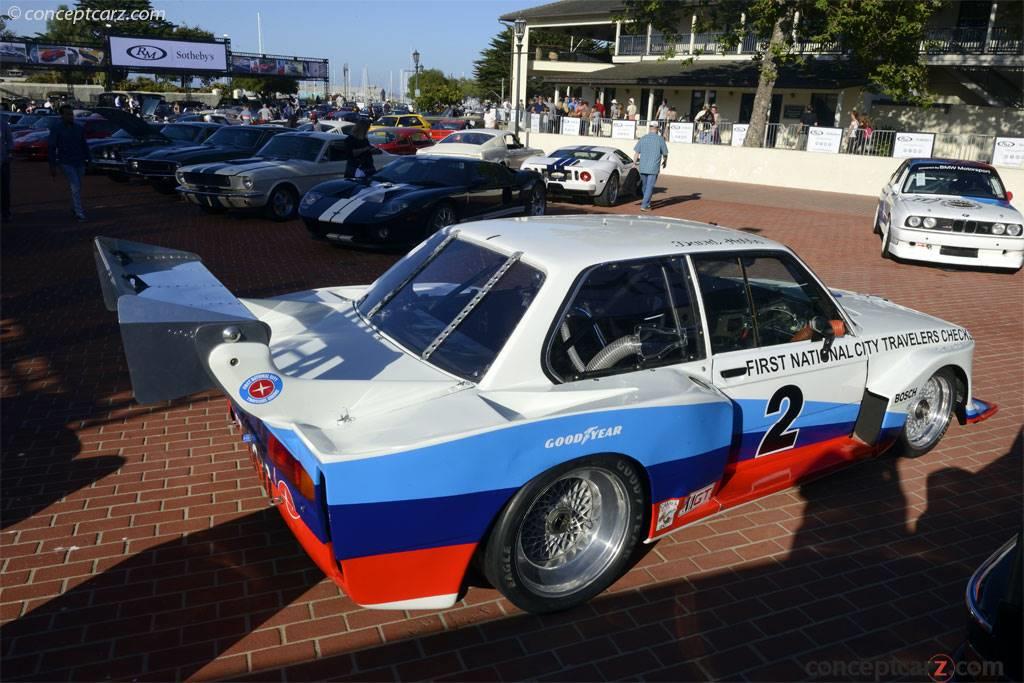


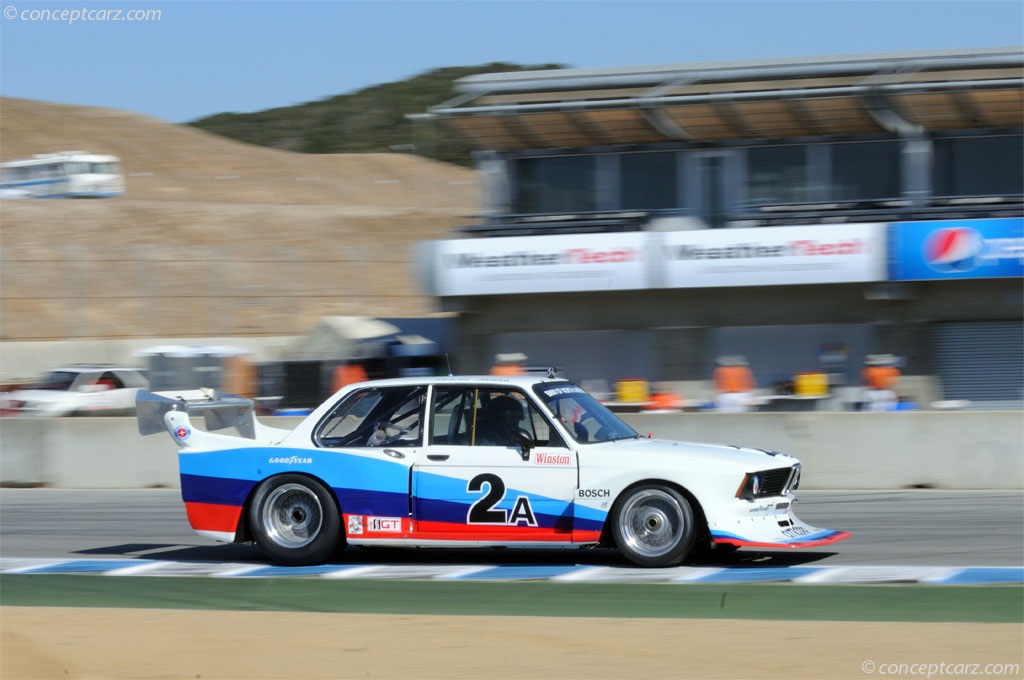


Image credit: © conceptcarz.com (Reproduction Or reuse prohibited).
The 320 became BMW's next weapon in the European racing scene after the exit of the highly successful 3.0 CSL. Both non-turbo and turbocharged versions of the highly successful Formula 2 'M12' engine powered these racecars. The BMW Junior Team whose up-and-coming drivers Eddie Cheever, Marc Surer and Manfred Winkelhock drove to eight victories made the non-turbo versions famous in the 1977 German Racing Championship.
The Turbo versions of these cars were raced in both Europe and the US. The European turbo cars had 1.5-liter engines while the US versions had 2.0 liter engines.
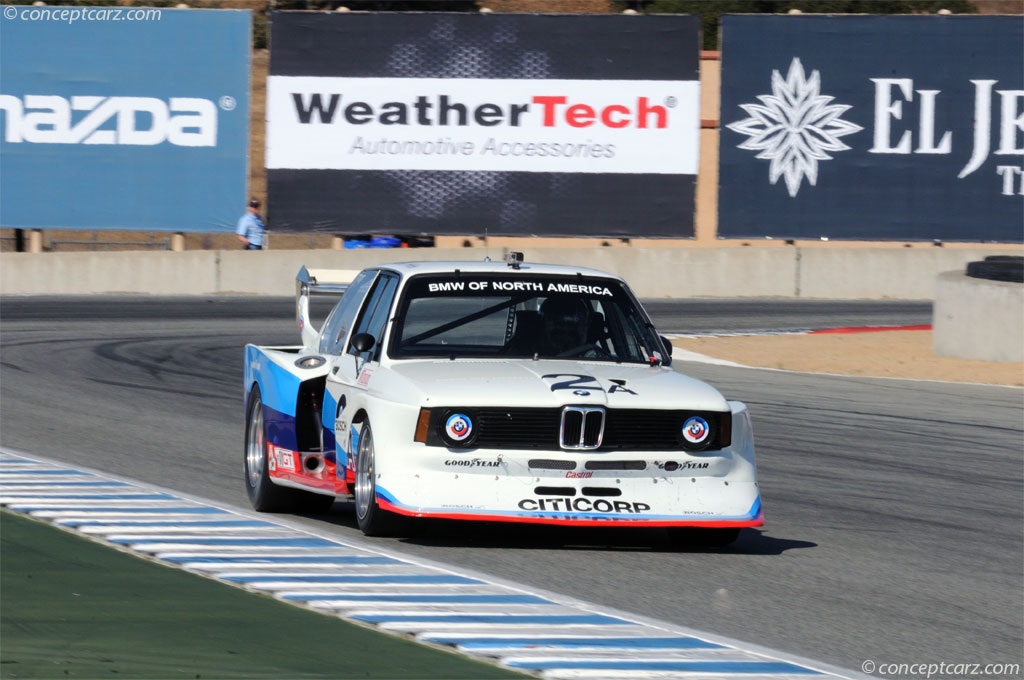
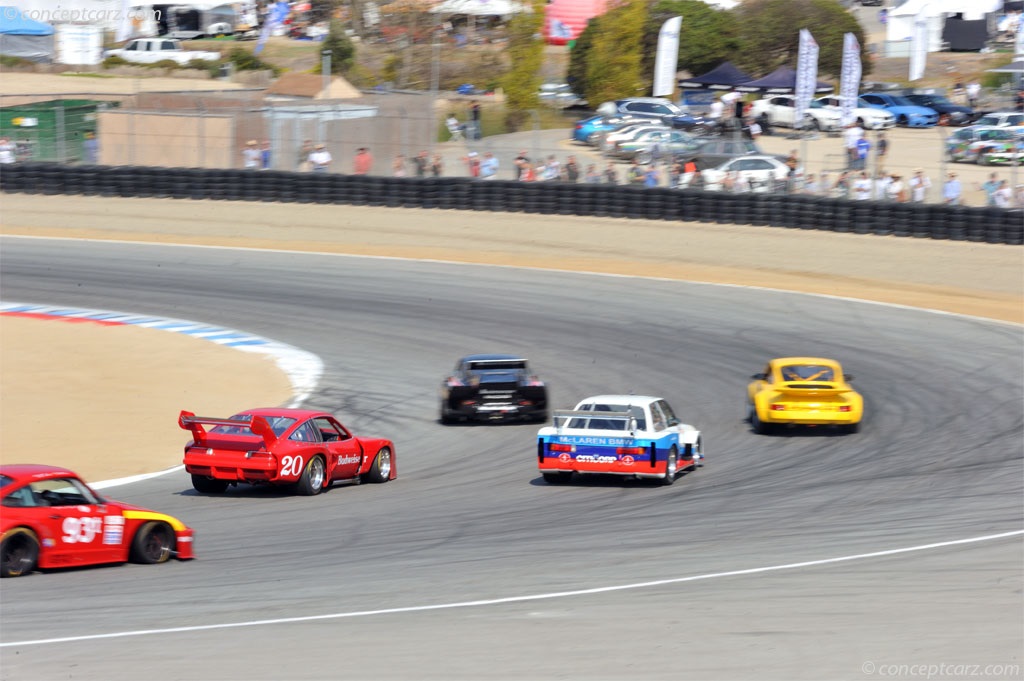
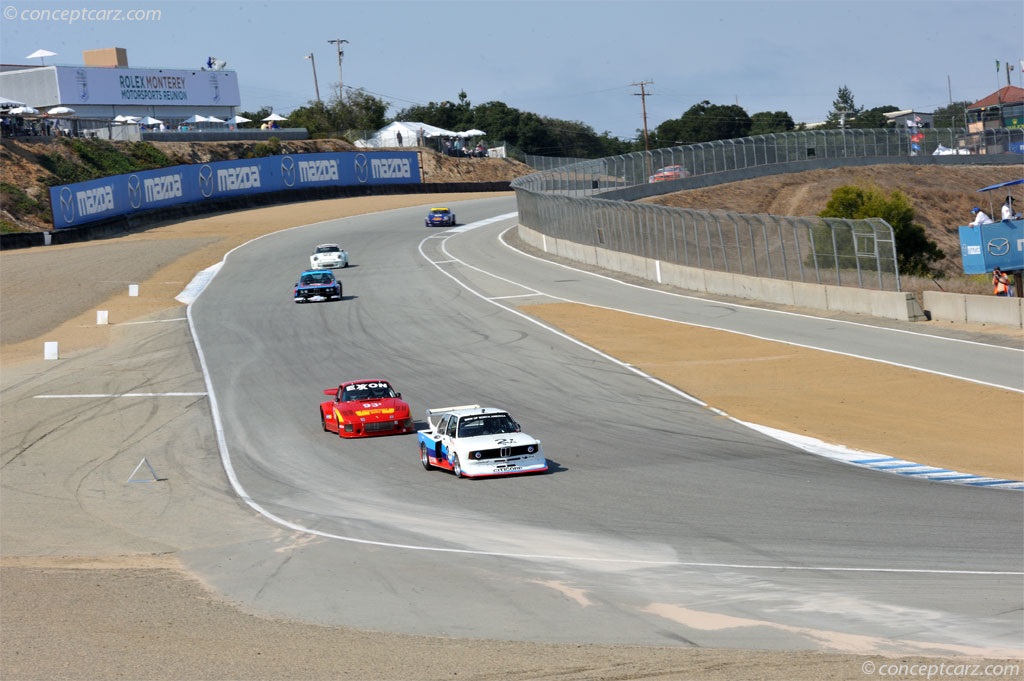
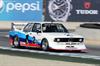
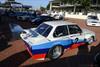
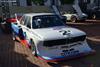
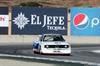
This BMW-owned US version of the 320 was developed and campaigned by Team McLaren and driven by David Hobbs to 7 wins in the IMSA Camel GT series in 1977 and 1978. American Jim Busby also campaigned a sister car in the 1979 IMSA Camel GT series.
Significantly, the 320 Turbo engine project served as a test bed for the BMW/Brabham BT52 that took Nelson Piquet and BMW Power to the 1983 Formula 1 World Championship.
The Turbo versions of these cars were raced in both Europe and the US. The European turbo cars had 1.5-liter engines while the US versions had 2.0 liter engines.
This BMW-owned US version of the 320 was developed and campaigned by Team McLaren and driven by David Hobbs to 7 wins in the IMSA Camel GT series in 1977 and 1978. American Jim Busby also campaigned a sister car in the 1979 IMSA Camel GT series.
Significantly, the 320 Turbo engine project served as a test bed for the BMW/Brabham BT52 that took Nelson Piquet and BMW Power to the 1983 Formula 1 World Championship.
The BMW CSL racing program had been very successful in the IMSA GT series in America, prompting the company to approve a new program in late 1976 for the E21 320i. The secondary purpose of this campaign was to develop and test a new turbocharged engine for future use in Formula 1 competition. To accomplish this goal, BMW hired McLaren Engines in Livonia, Michigan, to conduct turbo development and tuning. A suitable engine existed, the 'M12' four-cylinder which had been in use for several seasons in sports cars and F2 racers. The two-liter, twin-cam, sixteen-valve engine offered around 310 horsepower.
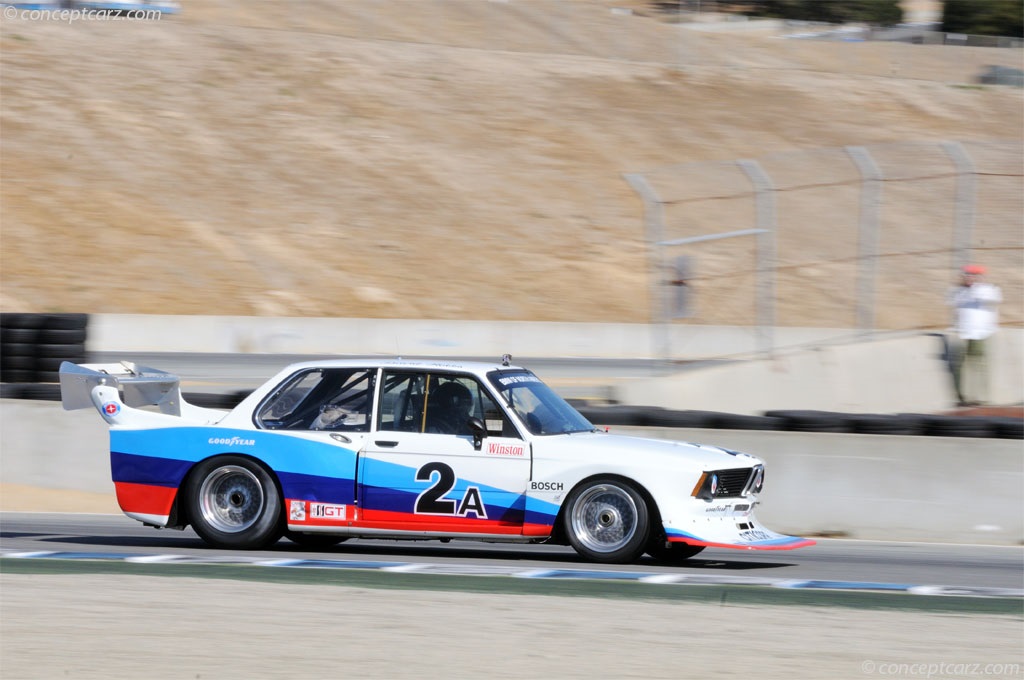
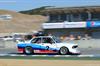
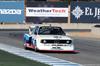
BMW Motorsport initially built two cars for the factory IMSA team, chassis number 001 and 002. The steel coachwork of the 320i was replaced with an aerodynamically developed fiberglass body that had been fine-tuned in a Pininfarina wind-tunnel. All non-essential items were removed to help achieve a 740 kg overall weight. Along with low weight, it nearly had a 50/50 weight distribution.
During its inaugural 1977 season, teething problems with its new engine gave the new BMW racer just a handful of wins.
Porsche dominated the 1977 season with their 934s and 935s, however, the BMW did well on the smaller circuits. It was clear that the 320i required further improved, so chassis number 003 was built as a lightweight examples that reduced weight by nearly 300 pounds. It was given modified bodywork with a one-piece hood with integrated fenders, a nose-splitter, and a wider, squared rear end, which allowed for the installation of twin radiators behind the large 19-inch rear wheels. McLarens work on the turbocharged engine lead to a new engine classification, the M12/9 motors, which offered 600 horsepower.
Chassis number 003 made its debut at Lime Rock in May of 1978 where it was driven by factory driver David Hobbs. Unfortunately, Hobbs crashed the car during qualifying. Reliability issues with the turbo plagued the car for much of the remaining season. It did, however, scored a victory at Sears Point in July and a 2nd-place finish at Mid-Ohio in late August. In September, the Lightweight chassis 003 was sent to the Norisring round of the German Manufacturer's Championship, and Hans-Joachim Stuck drove the car to 7th place. Hobbs would finish the 1978 IMSA season in 5th, behind a stack of Porsche 935 teams.
Many of the teething problems had been resolved as the BMW 320i Turbo entered the 1979 season. The three factory-campaigned BMW's were joined by two additional cars which had been allocated to Jim Busby's privateer efforts. McLaren had been busy resolving much of the turbo lag issues and improving the throttle response.
Hobbs drove chassis number 003 to victory at Hallett and 2nd-place finishes at Laguna Seca, Lime Rock, and Brainerd. In early September of 1979, it was brought to the Road America 500 where Hobbs and Derek Bell managed to win the race outright despite issues with the fuel cell. This was a tremendous accomplishment considering the team had nearly withdraw from the race due to the fact that the car rarely lasted in long events.
BMW canceled the 320i Turbo program after the 1979 season, after much of the development work, tuning and testing on the future Formula 1 engine had been completed. The engine, in higher form, would go on to power Nelson Piquet's 1983 Driver's Championship in a Brabham BT52-BMW. Had the 320i IMSA team been better funded, it is undoubtable that it could have done so much more. So much had been learned, tested and proven and many of the teething problems and reliability issues had been resolved.
Chassis number 003 was sold to Harry Haggard of California, who is understood to have simultaneously purchased chassis no. 001. Mr. Haggard stored the 320i for several years before selling it in 1989 to Kerry Morse of Irvine, CA. Morse campaigned the car twice at Laguna Seca, including the 1996 Monterey Historics where BMW was a featured marque. In 2008, it was sold to Henry Schmitt, who comprehensively freshened the car for event use. More recently, the car has raced at the Monterey Historics and the Wine Country Classic, among other events including the 2019 Sonoma Speed Festival.
Chassis number 003 remains as the only 320i Turbo IMSA Lightweight built, one of three examples raced by the factory, and one of five total cars built.By Daniel Vaughan | Jan 2020
BMW Motorsport initially built two cars for the factory IMSA team, chassis number 001 and 002. The steel coachwork of the 320i was replaced with an aerodynamically developed fiberglass body that had been fine-tuned in a Pininfarina wind-tunnel. All non-essential items were removed to help achieve a 740 kg overall weight. Along with low weight, it nearly had a 50/50 weight distribution.
During its inaugural 1977 season, teething problems with its new engine gave the new BMW racer just a handful of wins.
Porsche dominated the 1977 season with their 934s and 935s, however, the BMW did well on the smaller circuits. It was clear that the 320i required further improved, so chassis number 003 was built as a lightweight examples that reduced weight by nearly 300 pounds. It was given modified bodywork with a one-piece hood with integrated fenders, a nose-splitter, and a wider, squared rear end, which allowed for the installation of twin radiators behind the large 19-inch rear wheels. McLarens work on the turbocharged engine lead to a new engine classification, the M12/9 motors, which offered 600 horsepower.
Chassis number 003 made its debut at Lime Rock in May of 1978 where it was driven by factory driver David Hobbs. Unfortunately, Hobbs crashed the car during qualifying. Reliability issues with the turbo plagued the car for much of the remaining season. It did, however, scored a victory at Sears Point in July and a 2nd-place finish at Mid-Ohio in late August. In September, the Lightweight chassis 003 was sent to the Norisring round of the German Manufacturer's Championship, and Hans-Joachim Stuck drove the car to 7th place. Hobbs would finish the 1978 IMSA season in 5th, behind a stack of Porsche 935 teams.
Many of the teething problems had been resolved as the BMW 320i Turbo entered the 1979 season. The three factory-campaigned BMW's were joined by two additional cars which had been allocated to Jim Busby's privateer efforts. McLaren had been busy resolving much of the turbo lag issues and improving the throttle response.
Hobbs drove chassis number 003 to victory at Hallett and 2nd-place finishes at Laguna Seca, Lime Rock, and Brainerd. In early September of 1979, it was brought to the Road America 500 where Hobbs and Derek Bell managed to win the race outright despite issues with the fuel cell. This was a tremendous accomplishment considering the team had nearly withdraw from the race due to the fact that the car rarely lasted in long events.
BMW canceled the 320i Turbo program after the 1979 season, after much of the development work, tuning and testing on the future Formula 1 engine had been completed. The engine, in higher form, would go on to power Nelson Piquet's 1983 Driver's Championship in a Brabham BT52-BMW. Had the 320i IMSA team been better funded, it is undoubtable that it could have done so much more. So much had been learned, tested and proven and many of the teething problems and reliability issues had been resolved.
Chassis number 003 was sold to Harry Haggard of California, who is understood to have simultaneously purchased chassis no. 001. Mr. Haggard stored the 320i for several years before selling it in 1989 to Kerry Morse of Irvine, CA. Morse campaigned the car twice at Laguna Seca, including the 1996 Monterey Historics where BMW was a featured marque. In 2008, it was sold to Henry Schmitt, who comprehensively freshened the car for event use. More recently, the car has raced at the Monterey Historics and the Wine Country Classic, among other events including the 2019 Sonoma Speed Festival.
Chassis number 003 remains as the only 320i Turbo IMSA Lightweight built, one of three examples raced by the factory, and one of five total cars built.By Daniel Vaughan | Jan 2020
2019 RM Sothebys : Monterey
Pre-Auction Estimates :
USD $750,000-USD $950,000
Sale Price :
USD $731,000
Recent Sales of the BMW 320 Turbo
(Data based on Model Year 1977 sales)
| 1978 BMW 320i Turbo IMSA Chassis#: 003 Sold for USD$731,000 2019 RM Sothebys : Monterey |   |
BMW 320 Turbos That Failed To Sell At Auction
1977 BMW 320 Turbo's that have appeared at auction but did not sell.
| Vehicle | Chassis | Event | High Bid | Est. Low | Est. High |
|---|
Vehicles With Comparable Market Values
Similar sales to the $731,000 range.
| 2008 Mercedes-Benz SLR McLaren 'Crown Edition' Coupé Chassis#:WDD-199376-1M-001679 Sold for $731,646 2024 Bonhams : Goodwood Festival of Speed | |
| 1937 DELAGE D8-120 THREE-POSITION CABRIOLET Chassis#:51760 Sold for $731,000 2024 Gooding & Co: Selections From The Mullin Collection Auction |   |
| 2012 Lexus LFA Chassis#:JTHHX8BH9C1000396 Sold for $731,000 2024 Broad Arrow Auctions : Amelia | |
| 1932 Stutz DV-32 Weymann Super Bearcat Chassis#:DV-SB-1361 Sold for $731,000 2023 Broad Arrow : Monterey Jet Center |   |
| 1959 Ferrari 250 GT Coupe by Pinin Farina Chassis#:1391 GT Sold for $731,000 2023 RM Sothebys : Monterey |   |
| 2004 Lamborghini Murciélago R-GT Chassis#:ZA9BC10E04LA01057 Sold for $735,775 2023 RM Sothebys : Villa Erba | |
| 1953 Mercedes-Benz 300 S Roadster Chassis#:188.012.00301/53 Sold for $735,000 2023 RM Sothebys : Amelia Island |  |
| 1995 FERRARI F512 M Chassis#:ZFFVG40A3S0101099 Sold for $731,000 2023 Gooding & Company : Amelia Island Auction | |
| 1928 Mercedes-Benz 630K 'La Baule' Torpedo Transformable Chassis#:38513 Sold for $731,000 2023 Bonhams : Amelia Island Auction |   |
| 2006 FORD GT HERITAGE EDITION Chassis#:1FAFP90S56Y401751 Sold for $731,000 2022 Gooding & Company : Pebble Beach | |
| 1925 Bugatti 35B Reconstruction Chassis#:4617 Sold for $724,084 2022 Artcurial : Retromobile | |
| 2017 Lamborghini Aventador LP700-4 Roadster Sold for $737,000 2022 Mecum : Kissimmee | |
| 1970 Maserati Ghibli 4.7 Spyder by Ghia Chassis#:AM115/S 1079 Sold for $731,288 2021 RM Sothebys : The Guikas Collection | |
| 2007 PORSCHE GEMBALLA MIRAGE GT COUPÉ Chassis#:WP0CA29855L001469 Sold for $733,112 2020 Bonhams : The Bonmont Sale | |
| 1963 Rolls-Royce Silver Cloud III Drophead Coupe Sold for $726,000 2020 Mecum : Indy | |
| 2016 Ferrari F12tdf Chassis#:ZFF81BFAXG0218583 Sold for $731,000 2020 Gooding & Company : Amelia Island |   |
| 1962 Aston Martin DB4 Series 4 GT-Engined Saloon Chassis#:DB4/836/L Sold for $725,500 2020 Bonhams : Amelia Island Concours |  |
| 1978 BMW 320i Turbo IMSA Chassis#:003 Sold for $731,000 2019 RM Sothebys : Monterey | |
| 1998 RUF CTR2 Sport Chassis#:W09BC0360WPR06007 Sold for $736,500 2019 RM Sothebys : Monterey |   |
| 1964 Maserati 3500 GTi Spyder by Vignale Chassis#:AM101 2769 Sold for $730,000 2019 RM Sothebys : Amelia Island |   |
1977 BMW 320 Turbo
• Additional valuation insight and sales data• History
• Specifications
• Image gallery
• Other BMW 320 Turbo model years