1972 Ferrari 365 GTS/4 Michelotti NART news, pictures, and information | ||
| Tweet | ||
![]() | ![]() | ![]() | Spyder Coachwork: Michelotti Chassis Num: 16467 |
| Sold for $385,000 at 2007 RM Auctions. | |||
The marketplace was evolving rapidly and although the 275 GTB/4 had been a marvelous super car, it was beginning to loose ground to other sophisticated vehicles from marques such as Lamborghini. The increase in US government regulations and emission standards had may the requirements for the next generation of super cars even more difficult. The 365 GTB/4 brought with it a greater level of sophistication, offering amenities and luxury not seen before on a Ferrari. The Pininfarina designed bodyshell grew in size, as did the engine that provided the power. Scaglietti was tasked with building the vehicle by hand; one of the last Ferrari series to be hand built. The end result was the fastest production car of its time. Top speed was in the neighborhood of 174 mph. This was three miles-per-hour faster than the mid-engined Miura's top speed. This was a rather impressive accomplishment, considering the vehicle came fitted with air conditioning, leather interior, and other amenities that added extra weight. The intended weight during development was 2460 pounds, however, the production weighed far exceeded that figure, weighing in at over 3000 pounds. The V12 all-alloy twin-overhead cam engine sat in the front and sent the 352 horsepower to the rear wheels. The engine was fitted with an air injection system which helped meet the US emission regulations. Disc brakes could be found on all four corners.
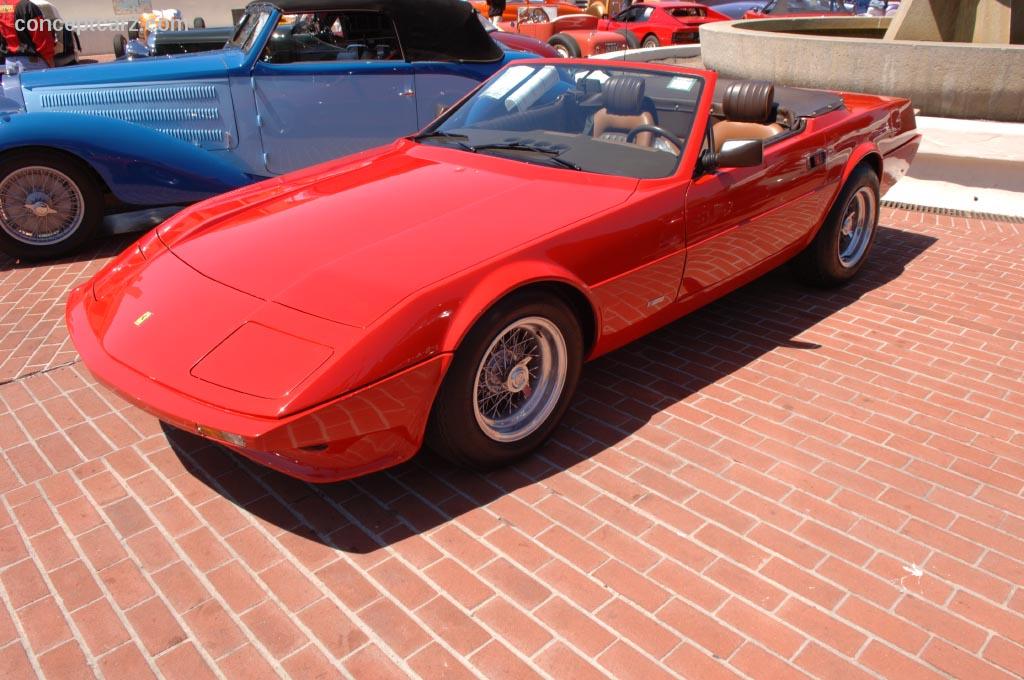
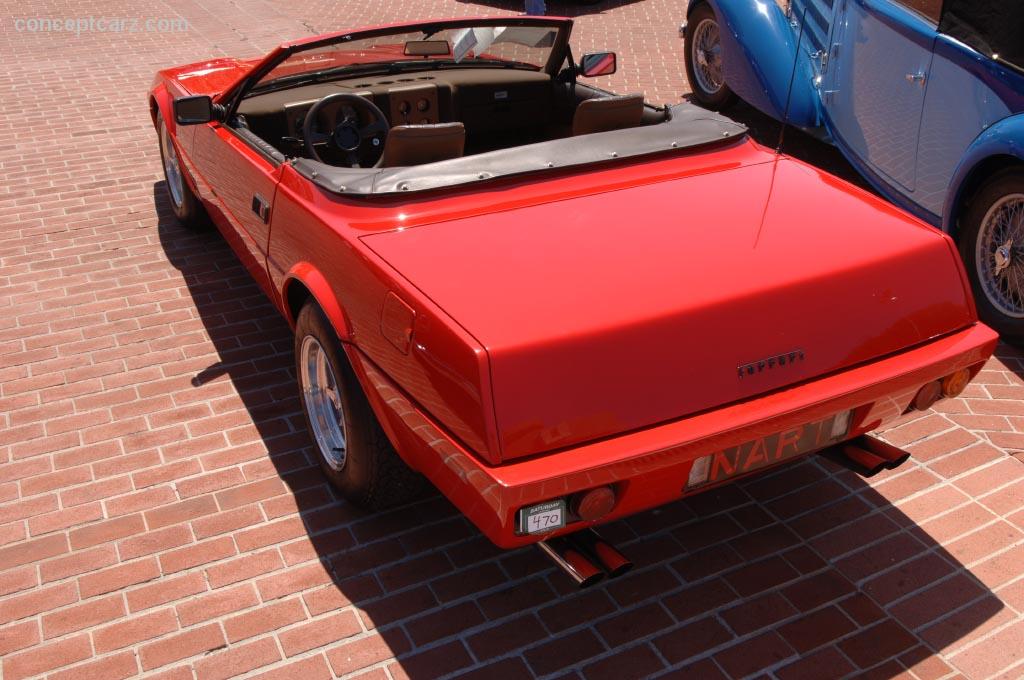
The red 1972 Ferrari 365 GTS/4 Michelotti NART Spyder with chassis number 16467 was offered for sale at the 2006 RM Auctions in Monterey, California where it was expected to sell between $450,000-$650,000. It was offered without reserve. This is a historically significant vehicle; it was the last car the Giovanni Michelotti ever designed.
Chassis number 16467 was the 71st of the of 121 365 GTB/4 Daytona's constructed. It is a left-hand drive vehicle, sent to the United States and offered for sale at the Modern Classic Motors in Reno, Nevada. It's first owner was Mr. Greer.
It was used in the Warner Bros movie, 'A Star is Born' where it received extensive damage and required repairs. It was sold to Luigi Chinetti for $6,000. Chinetti commissioned Giovanni Michelotti to create a unique one-off creation for the car. The large 12-cylinder engine made redesinging the front a challenge. Michelotti used a thin bumper and pop-up lights to aid the clean-line design that flows from the front the rear. The resulting spyder design was contemporary and clean. It was shown to the public at the 1980 Torino Motor Show. Since then it has remained in private collections and driven sparingly.
This car crossed the auction block again at the 2007 RM Auctions held in Amelia Island, Florida where it was estimated to sell between $500,000 - $700,000. The car did find a new owner, though it sold for much less than the estimated value. It found a new owner, selling for $385,000.
By Daniel Vaughan | Apr 2007
The 365 Series were introduced in the late 1960's and stayed in production until the early 1970's. The 365's were often powered by a Columbo SOHC 4390 cc V-12 engine with three Weber carburetors capable of producing around 300 horsepower. The front and rear suspension for most of the series was independent with double wishbones and coil springs. The 365 GT4 2+2 had an independent with transverse parallelograms and coil springs suspension. The 365 California had a live axle with coil springs rear suspension. The chassis was an oval tube ladder type frame layout.
Disc brakes were standard on all the vehicles, as was the five-speed manual gearbox. Many of the series received standard options such as power steering and air conditioning, uncommon at the time. When most manufacturers such as Lamborghini and DeTomaso were creating vehicles with mid-engined design, Ferrari continued to use their tried-and-true front-engined, rear wheel design.
In 1967 Ferrari dominated the Daytona 24 Hours race with a first, second, and third place finish. At the 1968 Paris Auto Show the public and press were expecting Ferrari's new berlinetta to be dubbed 'Daytona'. They were proven wrong when Ferrari dubbed the vehicle the 365 GTB/4, however, the name Daytona is a common reference to the vehicle even to this day. Ferrari had intended on using 'Daytona' but it was revealed prematurely so the traditional Ferrari naming sequence was used.
During its production lifespan lasting from 1968 through 1974, 1383 examples of the Pinifarina designed 365 GTB/4 Daytona vehicles were created.
The famous coachbuilder Pininfarina was tasked with creating many of the designs for the 365 Series. The designs were not new, rather they borrowed many of the styling cues of the prior 330 GTC and 275 GTS models. The headlights were courtesy of the 500 Superfast. The result was a visually stunning automobile with proven Ferrari mechanics and performance.
GT represented Gran Turismo. GTB represented Berlinetta or coupe. GTS stood for open models which were either a targa roof or a full convertible. '4' represented four-cam engines. 'C' represented 'Competizione' or 'Corsa' meaning 'to race'.
365 California
In 1966 Ferrari introduced the 365 California at the Geneva Auto Show as a replacement for the Ferrari 500 Superfast. The famous coachbuilder, Pininfarina, had been tasked with creating the body for the vehicle. The result was a two door, two-seat, convertible. The 365 borrowed many of the mechanics of its predecessor including the five-speed manual gearbox, chassis, and suspension. The front of vehicle was similar in design to the 500 with the remaining portions all new. With a top speed of 240 km/h, it was the fastest convertible in the world at the time. Disc brakes provided excellent stopping power for the 1300 kg vehicle. Production continued for only a year with a total of fourteen examples being created.
365 GT2+2
In 1967 Ferrari introduced the 365 GT2+2, only its second production four-seater vehicle. The vehicle would stay in production until 1971 during which around 800 examples being created.
The rear passengers had limited headroom but there was sufficient legroom for most passengers. The purpose of the vehicle was to provided performance and comfort. As a result the vehicle was outfitted with electric windows, leather interior, power assisted brakes, full carpeting, and optional air conditioning.
365 GTC
Near the close of 1968, Ferrari introduced the 365 GTC which stayed in production until 1970. During the production lifespan, 168 examples were produced. The 365 GTC was basically a 330 GTC with a SOHC 4390 cc V-12 engine. Visually, the vehicle was very similar to its predecessor except for the air vents in the front wings had been removed. In their place were black vents placed in the back corners of the hood.
365 GTS
The 365 GTS was a replacement for the 330 GTS. It featured a 4390 cc SOHC engine and had its cooling vents removed in favor of vents in the hood. Only twenty examples were created.
365 GTC/4
In 1971 Ferrari introduced the 365 GTC/4 as a replacement for the 365 GT 2+2. It sat atop a Daytona chassis and given an independent suspension. The same Daytona ventilated disc brakes were used. The gearbox was mounted in the front and the engine was the 4390 cc V12 but with six sidedraught Weber carburetors and wet sump lubrication resulting in 340 horsepower.
The design was once again handled by Pininfarina. The two-door, 2+2 coupe had pop-up headlights and five-spoke alloy wheels. During its production lifespan lasting until 1972, around 500 examples were produced. Strict American safety and emission regulations were partly responsible for the demise of the GTC/4.
365 GT4 2+2
The 365 GT4 2+2 was debuted to the public at the 1972 Paris Auto Show as a replacement for the 365 GT 2+2 and the 365 GTC/4. It sat atop an enlarged 365 GTC/4 chassis and given the same mechanics. The larger chassis meant more interior room for the passengers, especially the rear passengers, and their luggage. The styling was once again assigned to Pininfarina. The design was different from the prior 365 models.
During its production lifespan lasting until 1976, around 470 examples were created.
365 GT4 BB
The 365 GT4 BB, meaning Berlinetta Boxer, was introduced to the public at the 1971 Turin Auto Show. Its styling was similar to the P6 show car built in 1968. The engine was a flat-12 cylinder power-plant mounted longitudinal. The gearbox was mounted under the engine. This was a great design but ultimately created an unbalanced weight distribution with most of the weight over the rear axle. The weight distribution problem and the fact that the engine was mounted high in the vehicle resulted in a car that had poor handling and never achieved successful racing status.
The 365 GT4 BB was replaced by the 512 BB in 1976. The 512 BB was similar in design but featured a five-liter engine.
By Daniel Vaughan | Dec 2006
Disc brakes were standard on all the vehicles, as was the five-speed manual gearbox. Many of the series received standard options such as power steering and air conditioning, uncommon at the time. When most manufacturers such as Lamborghini and DeTomaso were creating vehicles with mid-engined design, Ferrari continued to use their tried-and-true front-engined, rear wheel design.
In 1967 Ferrari dominated the Daytona 24 Hours race with a first, second, and third place finish. At the 1968 Paris Auto Show the public and press were expecting Ferrari's new berlinetta to be dubbed 'Daytona'. They were proven wrong when Ferrari dubbed the vehicle the 365 GTB/4, however, the name Daytona is a common reference to the vehicle even to this day. Ferrari had intended on using 'Daytona' but it was revealed prematurely so the traditional Ferrari naming sequence was used.
During its production lifespan lasting from 1968 through 1974, 1383 examples of the Pinifarina designed 365 GTB/4 Daytona vehicles were created.
The famous coachbuilder Pininfarina was tasked with creating many of the designs for the 365 Series. The designs were not new, rather they borrowed many of the styling cues of the prior 330 GTC and 275 GTS models. The headlights were courtesy of the 500 Superfast. The result was a visually stunning automobile with proven Ferrari mechanics and performance.
GT represented Gran Turismo. GTB represented Berlinetta or coupe. GTS stood for open models which were either a targa roof or a full convertible. '4' represented four-cam engines. 'C' represented 'Competizione' or 'Corsa' meaning 'to race'.
365 California
In 1966 Ferrari introduced the 365 California at the Geneva Auto Show as a replacement for the Ferrari 500 Superfast. The famous coachbuilder, Pininfarina, had been tasked with creating the body for the vehicle. The result was a two door, two-seat, convertible. The 365 borrowed many of the mechanics of its predecessor including the five-speed manual gearbox, chassis, and suspension. The front of vehicle was similar in design to the 500 with the remaining portions all new. With a top speed of 240 km/h, it was the fastest convertible in the world at the time. Disc brakes provided excellent stopping power for the 1300 kg vehicle. Production continued for only a year with a total of fourteen examples being created.
365 GT2+2
In 1967 Ferrari introduced the 365 GT2+2, only its second production four-seater vehicle. The vehicle would stay in production until 1971 during which around 800 examples being created.
The rear passengers had limited headroom but there was sufficient legroom for most passengers. The purpose of the vehicle was to provided performance and comfort. As a result the vehicle was outfitted with electric windows, leather interior, power assisted brakes, full carpeting, and optional air conditioning.
365 GTC
Near the close of 1968, Ferrari introduced the 365 GTC which stayed in production until 1970. During the production lifespan, 168 examples were produced. The 365 GTC was basically a 330 GTC with a SOHC 4390 cc V-12 engine. Visually, the vehicle was very similar to its predecessor except for the air vents in the front wings had been removed. In their place were black vents placed in the back corners of the hood.
365 GTS
The 365 GTS was a replacement for the 330 GTS. It featured a 4390 cc SOHC engine and had its cooling vents removed in favor of vents in the hood. Only twenty examples were created.
365 GTC/4
In 1971 Ferrari introduced the 365 GTC/4 as a replacement for the 365 GT 2+2. It sat atop a Daytona chassis and given an independent suspension. The same Daytona ventilated disc brakes were used. The gearbox was mounted in the front and the engine was the 4390 cc V12 but with six sidedraught Weber carburetors and wet sump lubrication resulting in 340 horsepower.
The design was once again handled by Pininfarina. The two-door, 2+2 coupe had pop-up headlights and five-spoke alloy wheels. During its production lifespan lasting until 1972, around 500 examples were produced. Strict American safety and emission regulations were partly responsible for the demise of the GTC/4.
365 GT4 2+2
The 365 GT4 2+2 was debuted to the public at the 1972 Paris Auto Show as a replacement for the 365 GT 2+2 and the 365 GTC/4. It sat atop an enlarged 365 GTC/4 chassis and given the same mechanics. The larger chassis meant more interior room for the passengers, especially the rear passengers, and their luggage. The styling was once again assigned to Pininfarina. The design was different from the prior 365 models.
During its production lifespan lasting until 1976, around 470 examples were created.
365 GT4 BB
The 365 GT4 BB, meaning Berlinetta Boxer, was introduced to the public at the 1971 Turin Auto Show. Its styling was similar to the P6 show car built in 1968. The engine was a flat-12 cylinder power-plant mounted longitudinal. The gearbox was mounted under the engine. This was a great design but ultimately created an unbalanced weight distribution with most of the weight over the rear axle. The weight distribution problem and the fact that the engine was mounted high in the vehicle resulted in a car that had poor handling and never achieved successful racing status.
The 365 GT4 BB was replaced by the 512 BB in 1976. The 512 BB was similar in design but featured a five-liter engine.
By Daniel Vaughan | Dec 2006
| DUTCH SUPERCAR MAKER VENCER TO REVEAL STUNNING ‘SARTHE' AT SALON PRIVÉ 2013 | |
![]() | • Salon Privé 2013: from Wednesday to Friday the 4th to 6th September Syon Park, London, 10 June 2013 – Salon Privé confirms Dutch super car manufacturer Vencer will reveal the Sarthe to the UK for the first time in the stunning grounds of Syon House. Vencer was established in 2012 by Robert Cobben and is based in Vriezenveen. The first Vencer is the Sarthe, which had its world premiere in Monaco in April and Salon Privé is delighted to host it's UK reveal. The Sarthe i...[Read more...] |
| PORSCHE DELIVERS 15,000 SPORTS CARS TO CUSTOMERS IN MAY | |
![]() | Atlanta. With 15,020 deliveries worldwide in May 2013, sports-car maker Porsche has outperformed the figure of the same month in the prior year by 13 percent. Up to now, 67,261 new autos of the model ranges made in Zuffenhausen and Leipzig were handed over to customers this year – a boost of 19 percent compared to the period of January to May 2012. 'In terms of customer deliveries to date, we have exceeded our expectations in the ongoing year. Given the continuing volatility of the market dev...[Read more...] |
| 1962 Monaco Grand Prix: McLaren Carries the Cooper Flag back to the Top | |
![]() | By the beginning of the 1962 Formula One season Jack Brabham had left Cooper to form his own racing team. It seemed the glories days of the double World Championship were well and truly behind them. However, left in Brabham's stead would be a man very akin to the Australian in so many ways. And in Bruce McLaren, Cooper had a driver and competitor more than apt to help carry the team forward into the future. The first race of the 1962 season, the Grand Prix of the Netherlands, certainly didn't...[Read more...] |
| A Piece of Hollywood and Jaguar History | |
![]() | Clark Gable's 'Best in Class' 1949 XK120 This weekend, a very special XK120 graced the judging field at the 62nd Pebble Beach Concours d' Elegance. This particular XK120 is significant, not only because it was named 'Best in Class,' but because its first owner was none other than Hollywood icon Clark Gable, a devoted Jaguar enthusiast. Gable's XK120, chassis No. 670003, was judged 'Best in Class' in the 'Postwar Sports Open' category. The car is owned by Mr. Jeff Lotman, of Los Ang...[Read more...] |
| Auctions America By RM's 2012 Auburn Spring Auction | |
![]() | 'Variety' is the buzzword for this year's Auctions America by RM June 1-3 Auburn Spring auction, which will offer a huge range of collector vehicles and an enormous private collection of automotive memorabilia. More than 600 American muscle cars, Classics, foreign sports cars and hot rods will cross the block at the historic Auburn Auction Park, the company's national headquarters in Auburn, Indiana. 'Last year was our first spring event at the park,' said Auctions America by RM's President ...[Read more...] |
| Similar Automakers | |
| Aston Martin | Bentley |
| Bugatti | Devon |
| GTA | Koenigsegg |
| Lamborghini | Lotus |
| Maserati | Maybach |
| McLaren | Porsche |
| Rolls-Royce | Spyker |
| Tesla | |
| Ferrari: 1971-1980 |
| Similar Automakers |
| Other models by Ferrari |
| Related Articles and Event Coverage |
| Vintage Motor Cars at Amelia Island |
| Monterey Sports & Classic Car Auction |


1972