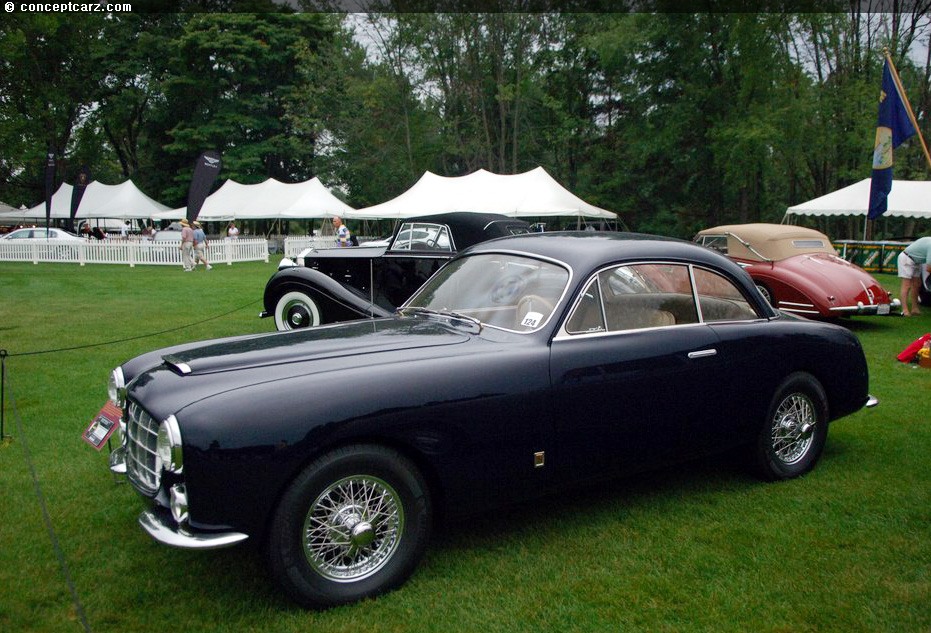
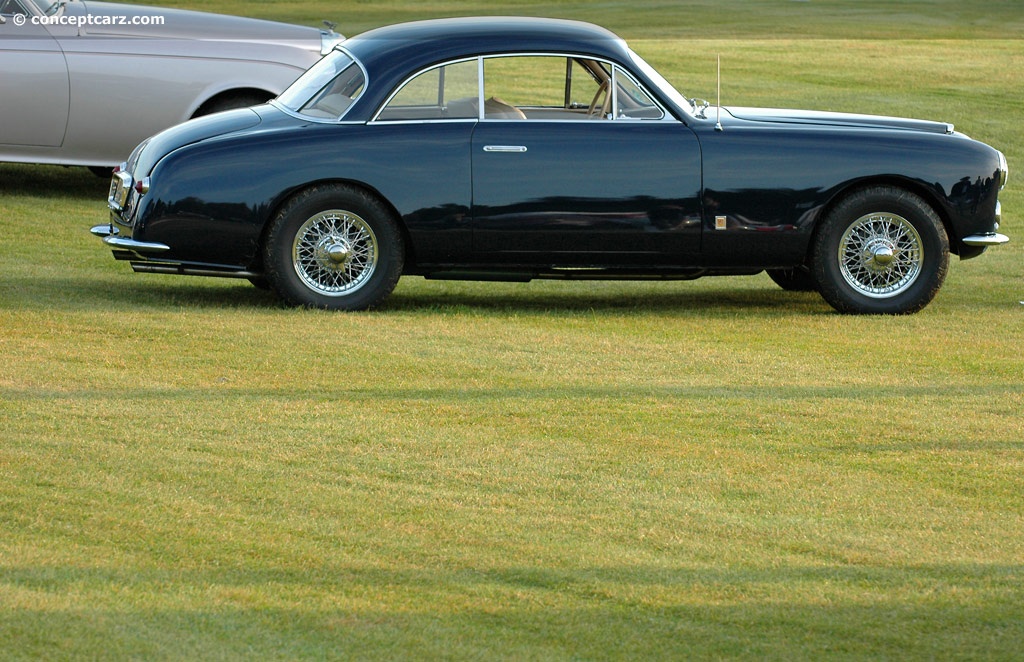
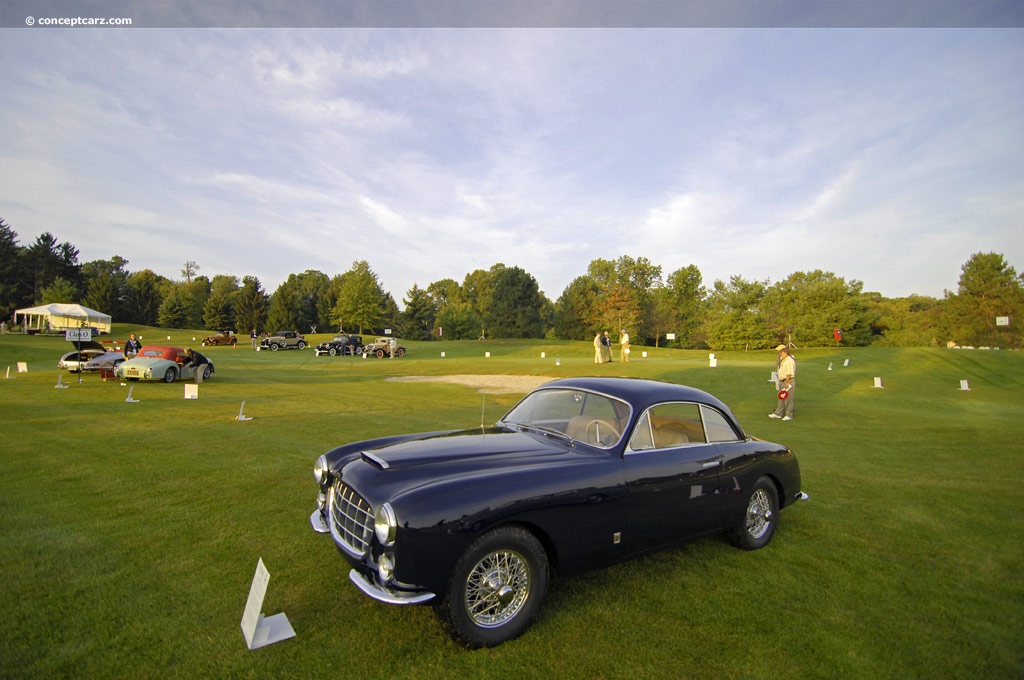
An extraordinary collaboration between Ford France and Facel-Metallon, the Ford Comete project was born in 1950. The Facel Metallon was a coachbuilding firm that was run by Jean Daninos. The Ford Comete was introduced in 1951 in France by Ford SAF, the Ford Motor Company's French Subsidiary. The Comete was unveiled as the luxury model in the range, and the bodywork was done by FACEL, the same designer of the better-known Facel Vega luxury vehicles under their own name. Produced until 1954, the Comete featured an original engine that was a 2.2 L V8 from Ford SAF of French design. The same engine was found in the Ford Vedette, and a Pont A Mousson 4-speed manal transmission was used. 
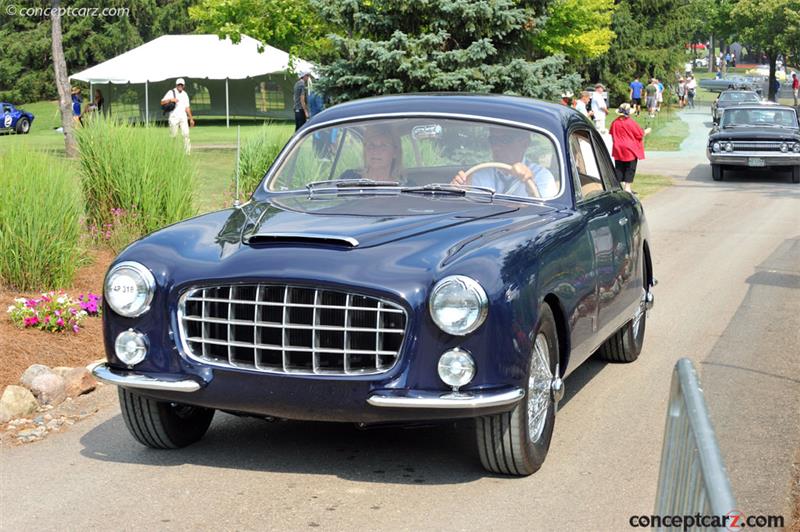
Coupe by Facel Metallon
View info and historyThe Comete was a personal project of Francois Lehideux, a designer formerly with Renault. In 1950 Ledhidex took over as the president of Ford. He decided that his newest prestige model should be developed independently of the Ford organization, and to do this, he chose Facel-Metallon to undergo this project.The Comete project was designed in complete secrecy by Daninos in Italy without even the Ford's own design studio ever knowing until the Comete was unveiled at Biarritz in August 1951. The Comete didn't even carry the Ford badge. In an stunning tribute to the advanced pressing and welding techniques of Daninos, the Comete featured beautifully proportioned line that were built on a Ford Vedette floorplan.The Comete featured a severe elegance in its silhouette that was offset by huge steel bumpers, and later, a large egg-crate grille. A ribbed stainless steed dashboard and door handles were displayed on the interior, along with an impressive jet-age three-spoked steering wheel. The steering wheel was a tribute to Daninos work on aircraft design..
Coupe by Facel Metallon
View info and historyThe Comete came with a single, horizontal bar across the grille with a chromed shield of bullet in the center, very similar to contemporary Studebaker products, along with steel wheels with chromed hubcaps. The engine was originally taken from the Vedette, and its meager 60bhp unimpressed buyers. The Comete was considered to be unreliable and underpowered with its small engine, though the looks and features drew admiration from onlookers. By 1953, the power was increased to 80bhp, and driving was shifted through a 3-speed column change manual gearbox. The new Comete ‘Monte-Carlo' model was introduced in 1953, and received a 3.9 L V8 engine that was normally fitted only to Ford trucks. The engine delivered 78 kW (105 hp) and featured plenty of torque. The public wasn't a big fan of the new engine, as it was not only known as a ‘truck engine', but its large engine displacement meant its tax horsepower that was rated at 22CV, making for high road taxes. The ‘Monte-Carlo' model came with a fake hood scoop, wire wheels, and a typical Ford egg-crate grille. This vertical and horizontal equally spaced bar grille was called a 'coupe-frites' or a ‘french-fry cutter' by the French. Under the hood was a 3.9 liter V8 Ford Mistral engine that produced 105bhp. This model was capable of 95mph, despite an increase in weight.
Coupe by Facel Metallon
View info and historyA total of 2,165 Cometes were produced during its production run, with 699 of them being Monte Carlos.
Ford SAF was taken over by Simca during the Comete's production, and for 1955, the final year for the Comete was produced under the Simca name.By Jessica Donaldson
Coupe by Facel Metallon
View info and history
Coupe by Facel Metallon
View info and history
Coupe by Facel Metallon
View info and history
Ford SAF was taken over by Simca during the Comete's production, and for 1955, the final year for the Comete was produced under the Simca name.By Jessica Donaldson


1954 Ford Comète Monte Carlo Vehicle Profiles
Recent Vehicle Additions


Performance and Specification Comparison
Comète Specification Comparison by Year
Year
Production
Wheelbase
Engine
Prices
8 cyl., 237.99 CID., 105.00hp
Related Automotive News

Historic English Sports Cars, Including a Pair of the Earliest Production Jaguar E-Types, Announced for Gooding & Company's London Auction
The forthcoming London Auction will feature a unique Bertone-bodied 1954 Aston Martin DB24 Indiana Spider, two historic, early-production 1961 Jaguar E-Types, and a 1931 Bentley Eight Litre Folding Head Coupé.
International auction house...

CADILLAC PARTNERS WITH THE ANDY WARHOL MUSEUM FOR LETTERS TO ANDY WARHOL
Traveling Art Exhibition Features Rarely Seen Personal Letters Showcasing Warhols Intimate Connection to the Worlds of Fashion, Music and Art
NEW YORK —Cadillac and The Andy Warhol Museum today announced a multi-year partnership and new...

SPIRIT OF THE LEGENDARY DODGE BROTHERS LIVES ON IN NEW AD CAMPAIGN INTRODUCING 2015 MODEL YEAR DODGE MUSCLE CARS
First television ad in series begins Saturday, Oct. 4, for the new 2015 Dodge Challenger
Fully integrated campaign highlights the Dodge Brothers passion for making great cars and how that passion and spirit still drives Dodge brand today
Addition...

FORD MUSTANG FROM FILM ‘NEED FOR SPEED' FETCHES $300,000 AT BARRETT-JACKSON FOR HENRY FORD HEALTH SYSTEM
Custom Ford Mustang GT, auctioned at no reserve at Barrett-Jackson in Florida, commands %24300,000 for charity
Proceeds to benefit Henry Ford Health Systems efforts to provide access to healthcare for more people
The silver Mustang was featured in...

FORD MUSTANG HERO CAR FROM UPCOMING 'NEED FOR SPEED' MOVIE HEADED TO BARRETT-JACKSON AUCTION BLOCK
Ford-designed and built custom wide body Mustang used in the new movie Need for Speed will be auctioned for charity
All-new 2015 Ford Mustang and 2015 Ford F-150 will be on display at the auction in West Palm Beach, Fla.
Ford will offer ride-and...