In 1924, Pierce-Arrow introduced the Model 80. It was a smaller model than the traditional Pierce-Arrow and was meant to appeal to a wider audience. It was less complex and easier to produce, meaning it ventured away from Pierce-Arrow's traditional methods of construction, which were time and labor-intensive. As such, their production costs were high and they had low production volume. The Model 80 was intended to change this and increase the number of Pierce-Arrow models sold. 
Sedan
Chassis #: 3150012
View info and history
Auction entries : 1The Model 80, though relatively popular due to its low price, did not give the company the financial stability it was seeking. Clearly, a new solution was needed. New models were critical, but without the financial capability, Pierce-Arrow was unable to develop these new cars. A short-term solution was an alliance with cash-rich Studebaker whose president, Albert Erskine, was seeking to offer his customers a true luxury model. It was officially dubbed a 'merger,' it was more of an acquisition of Pierce-Arrow by Studebaker. Studebaker did provide the required funds for a new Pierce-Arrow model and allowed for the development of a new eight-cylinder engine.In 1929, the new engine was introduced. It weighed 100 pounds less than the big T-head six it was replacing and was rated at 125 horsepower. This new engine was 25 percent more power from a 12 percent smaller displacement. The new engine and models helped Pierce-Arrow achieve record sales levels of 10,000 units for 1929, an accomplishment that was never to be repeated. By 1933, the company was again in financial trouble and found itself floundering into receivership. It was acquired by a group of Buffalo-based bankers and businessmen who returned the marque to independent status. Soon, the company was introducing new engineering advancements, such as the first use of hydraulic valve tappets and their memorable Silver Arrow model. As the Great Depression continued, however, the company's production would continue to decline. In 1935, only 137 Pierce-Arrows were built, followed by 787 examples in 1936. By March 1938, after building just 17 cars, production finally ceased.Deluxe Eight
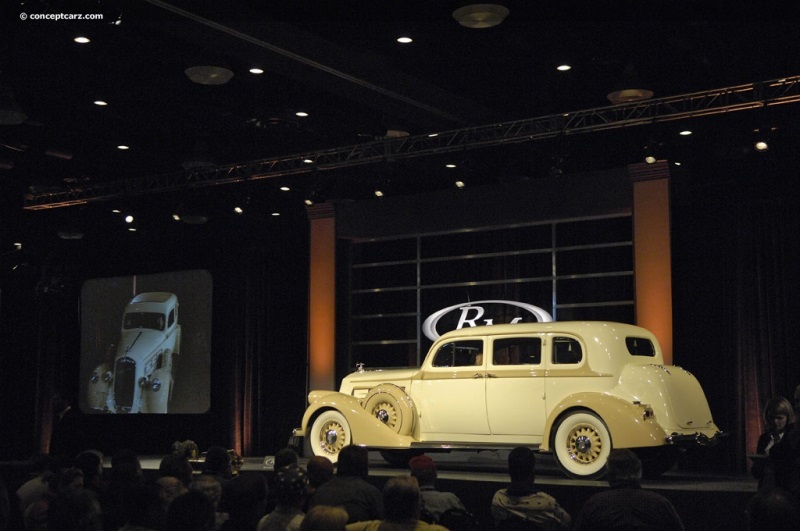
The 1936 Deluxe 8 was available in two wheelbase sizes of 139 and 144 inches, and in a total of 9 body styles. Power was from an eight-cylinder engine displacing 385 cubic inches and producing 150 horsepower. The transmission was a three-speed manual unit with overdrive and freewheeling. Four-wheel vacuum-assisted mechanical drums provided the stopping power.
by Daniel Vaughan | Oct 2009
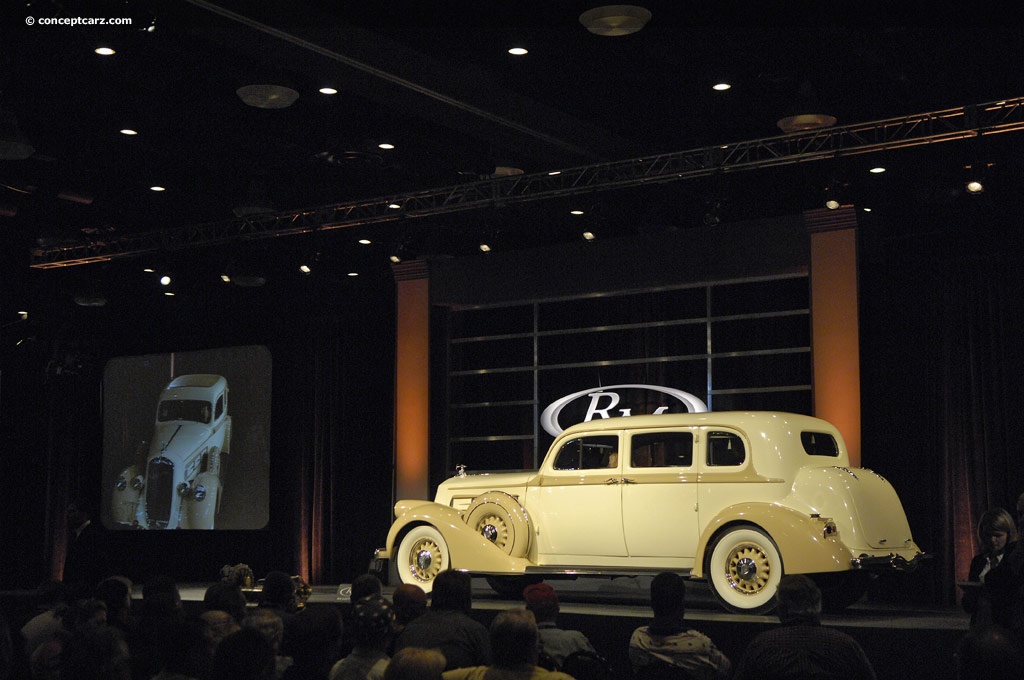
Sedan
Chassis #: 3150012
View info and history
Auction entries : 1
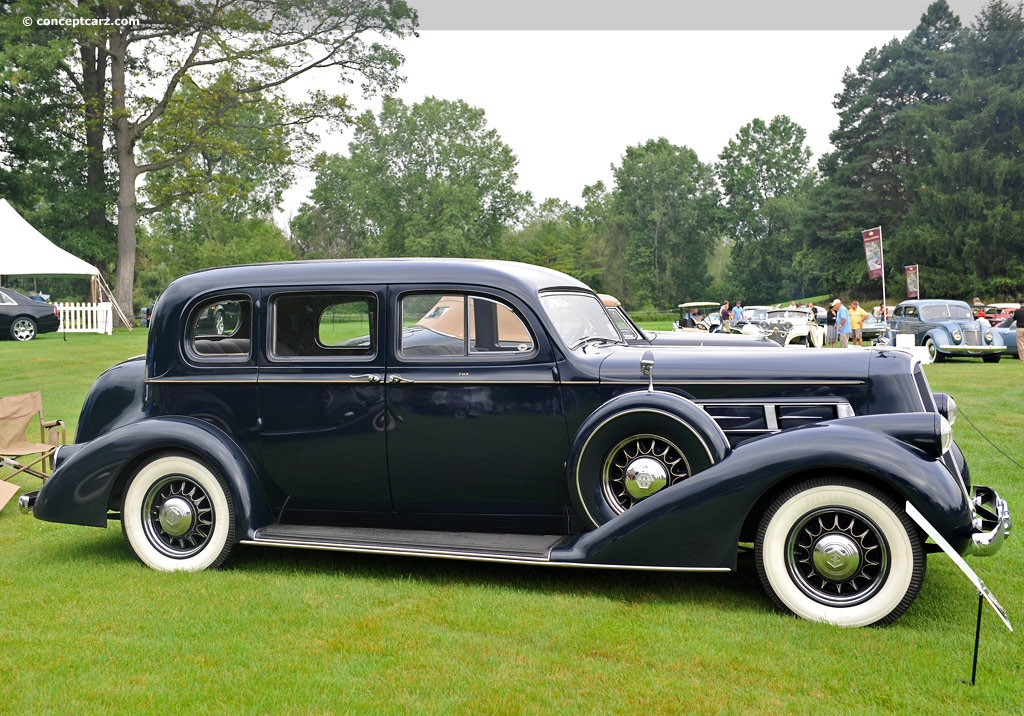
The 1936 Deluxe 8 was available in two wheelbase sizes of 139 and 144 inches, and in a total of 9 body styles. Power was from an eight-cylinder engine displacing 385 cubic inches and producing 150 horsepower. The transmission was a three-speed manual unit with overdrive and freewheeling. Four-wheel vacuum-assisted mechanical drums provided the stopping power.
by Daniel Vaughan | Oct 2009
Similar Automakers
Similarly Priced Vehicles


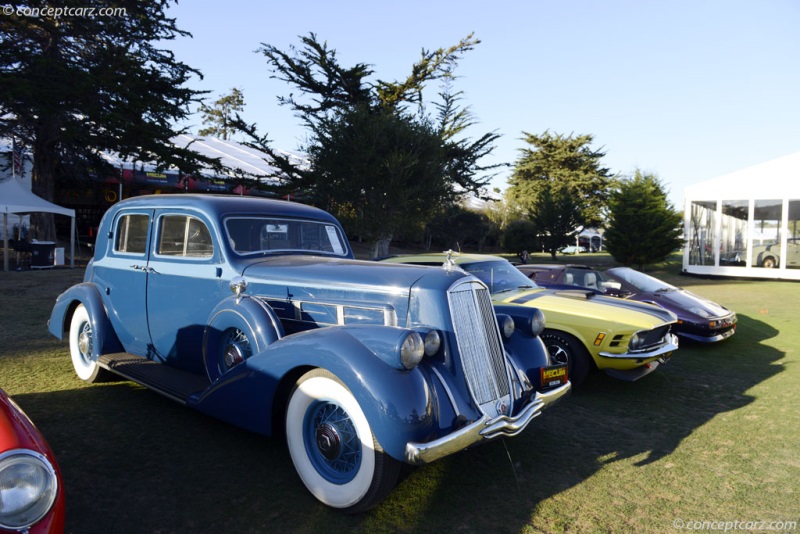
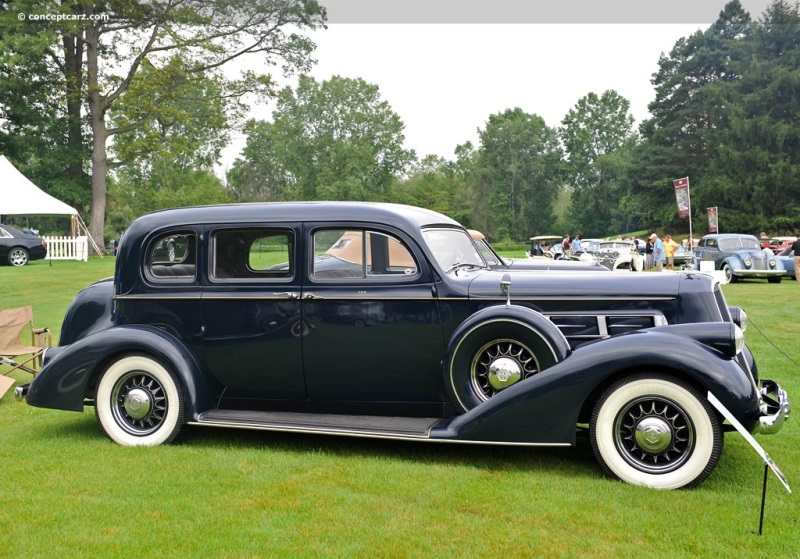
1936 Pierce-Arrow Deluxe 8 Vehicle Profiles

Recent Vehicle Additions


Performance and Specification Comparison
Price Comparison
$3,695 - $5,795
Related Automotive News

120 years of motor sport at Mercedes-Benz take centre stage at the Goodwood Festival of Speed 2014
Addicted to Winning at this years Goodwood Festival of Speed, Mercedes-Benz looks back on some fascinating racing victories of the last 120 years
The unique motor sport heritage of the Mercedes-Benz brand is being celebrated with an exclusive i...

80 years ago: victory by the Mercedes-Benz W 25 in the International Eifel Race gave birth to the legend of the Silver Arrows
The silver-coloured body of the W 25 gave this nickname to the racing cars from Mercedes-Benz
Successful new development by Mercedes-Benz for the750-kilogram racing formula
Manfred von Brauchitsch drove the W 25 to victory and established a new tr...

Techno Classica 2014: more than 30 racing cars to celebrate 120 years of Mercedes-Benz motor racing history
Cars that were the heroes of magical moments put their stamp on this high-powered, most comprehensive show presentation
With more than 30 vehicles, Mercedes-Benz Classic presents motor racing history in all its unique breadth and depth
120 years o...

Goodwood Festival of Speed 2013: auction of Mercedes-Benz W 196 R one of highlights at world's 'largest motorised garden party'
Mercedes-Benz Classic presents great moments in motor-racing history at Goodwood
Motorsport festival celebrating its 20th anniversary
Auction of only privately owned post-war Silver Arrow by Bonhams sure to cause a stir
Stuttgart – This...

Mercedes-Benz Classic at the 2012 Grossglockner Grand Prix
Revival of the mountain race from the 1930s
Mercedes-Benz SSK and W 125 at the start
92 bends, 14 hairpins, 15 kilometres and a 1300-metre altitude difference
The Grossglockner mountain race was one of the most prestigious motor sports event...