Rolls-Royce traditionally offered a model intended mainly to be driven by a chauffeur and a smaller 'owner-driver' model. The first 'small' Rolls-Royce line began in 1922 with the Twenty being powered by a 3,127cc engine. It was replaced in 1929 by the 20/25 HP which was a more-powerful cross-flow version of its predecessor's six-cylinder, overhead-valve engine now displacing 3,699cc. The chassis was identical to the last Twenty's, with right-hand gear change lever, servo-assisted brakes, and Phantom-style radiator shutters. Changes employed on the Phantom II, such as synchromesh gears and centralized chassis lubrication, were implemented to the 20/25.
Barker Sedanca Limousine by Barker
View info and historyThe Rolls-Royce 20/25 HP the 'owner-driver' driver model, was introduced to the public in 1929 as a stablemate to the larger Phantom II. During the era of the Phantom III, between 1935 and 1938, the owner-driver model was the 25/30. It was powered by an enlarged, more powerful version of the inline-six-cylinder engine that was used to power the previous 20/25. It displaced 4,257cc and developed approximately 115 brake horsepower at 4,500 rpm and could achieve a top speed of approximately 80 mph. It used a Stromberg carburetor and SU fuel pumps. The Rolls-Royce 25/30hp were exclusively coach-built automobiles and most were bodied by British coachbuilders, often with unique designs. Production of the Rolls-Royce 25/30 lasted until the introduction of the Wraith in 1939 by which time 1,201 cars had been built.
by Daniel Vaughan | Jun 2020
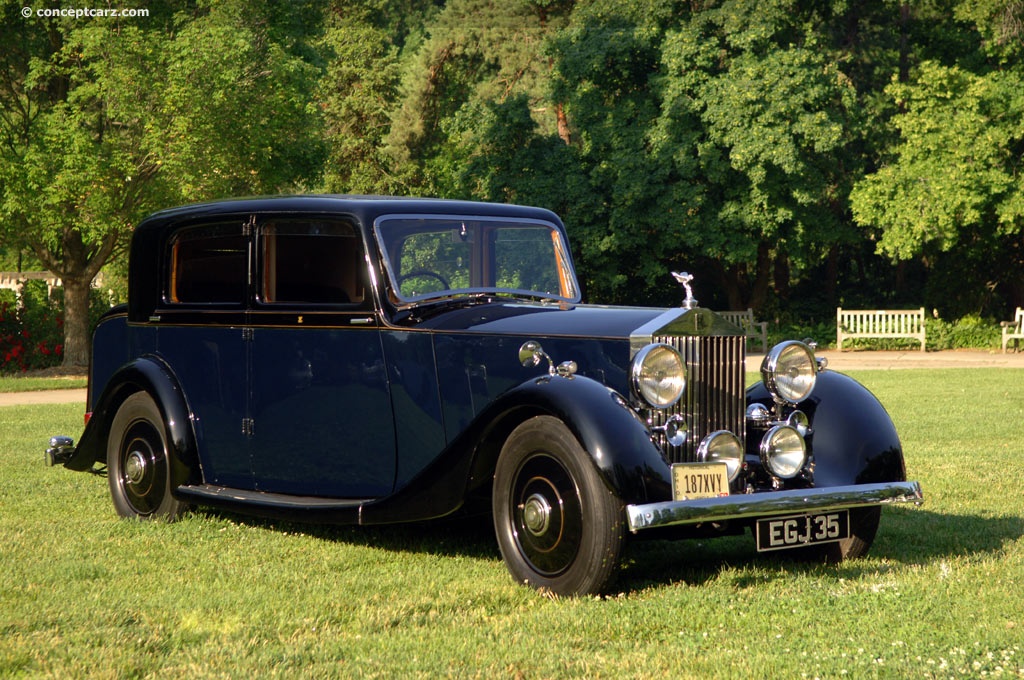
Barker Sedanca Limousine by Barker
View info and history
by Daniel Vaughan | Jun 2020
Related Reading : Rolls-Royce 25/30HP History
The 2530 was an improvement on the 2025 and ultimately marked the final development of the Twenty. The engine was enlarged to 4,257 cc and although similar in looks to its predecessor it was highly regarded, (a 2530 can be distinguished from a late 2025 by its three-spoke steering wheel). 1,201 2530s were sold in just two years of production. Some significant changes had been made for the....
Continue Reading >>
Continue Reading >>


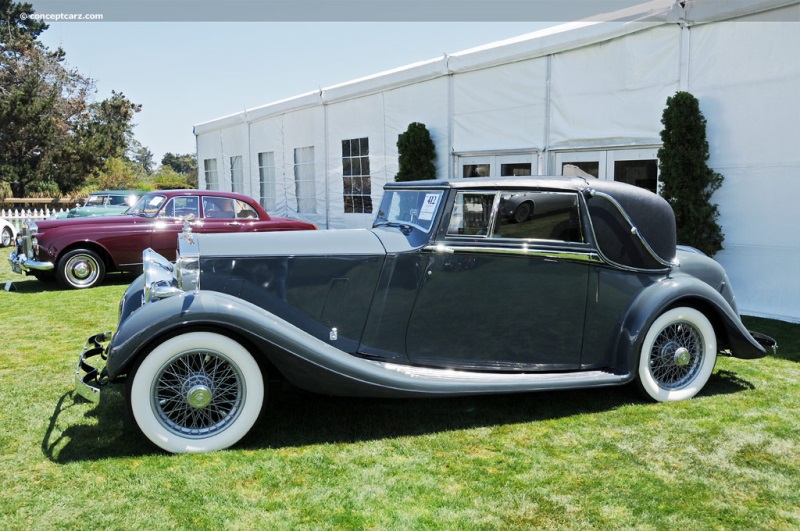
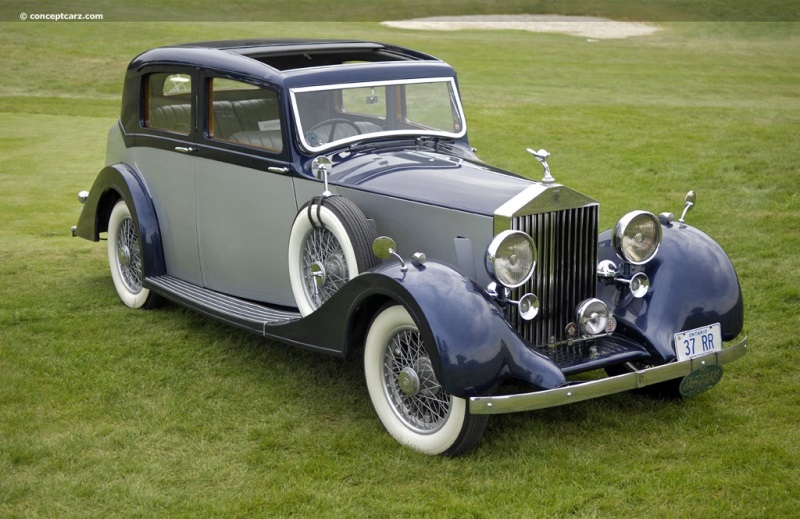
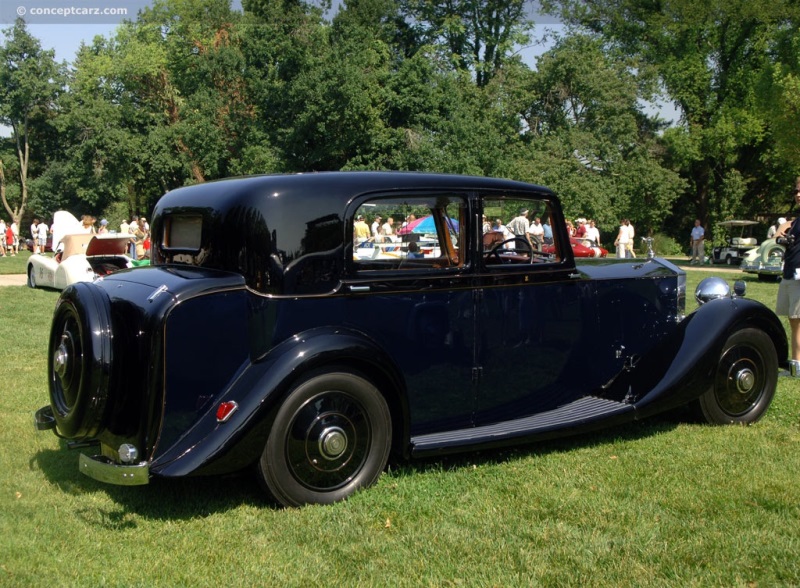
1937 Rolls-Royce 25/30HP Vehicle Profiles



Recent Vehicle Additions


Performance and Specification Comparison
25/30HP Specification Comparison by Year
Year
Production
Wheelbase
Engine
Prices
Related Automotive News

1932 Duesenberg J Figoni Sports Torpedo Named Best of Show at the 71st Pebble Beach Concours d'Elegance
2022 Charitable Donations Surpass %242.67 Million
A unique Duesenberg reprised its early role as Concours winner by taking the top prize at the Pebble Beach Concours dElegance.
This year, 40 classic cars from 18 countries and 33 states pulled...

Thai Prince's Car Comes Out For Auction
A 1960 Rolls Royce Silver Cloud supplied new to Prince Chula of Thailand is to be sold by international car auctioneers Coys at their Chiswick House sale in just over a weeks time. Prince Chula along with his cousin Prince Bira were motor sport aficionados...

RM Sotheby's Extends 2017 Amelia Island Concours d'Elegance Sale to Two Days
RM Sothebys sets the pace with exceptional docket of early entries for its 19th annual Amelia Island Concours dElegance sale, March 10-11 in Florida
Latest highlights led by a 1961 Ferrari 250 GT SWB Berlinetta, one of the most valuable cars ev...

Lancia Named 2016 Best of Show
PEBBLE BEACH, Calif. (August 21, 2016) — The 2016 Pebble Beach Concours dElegance concluded with first-time entrant Richard Mattei lifting the top prize high overhead soon after his 1936 Lancia Astura Pinin Farina Cabriolet was named Best of...

140 CARS GO UNDER THE HAMMER AT COYS BLENHEIM PALACE AUCTION
Daimler DB18 Drophead used by Churchill for campaigns in 1944 and 1949 to be sold at Churchills birthplace
Ex-John Bolster Mini, raced at Goodwoods Members Meeting in 1960
The Jaguar Legend collection, fifteen Ferraris and much more
COYS return...