1954 Buick Wildcat II news, pictures, and information | ||
| Tweet | ||
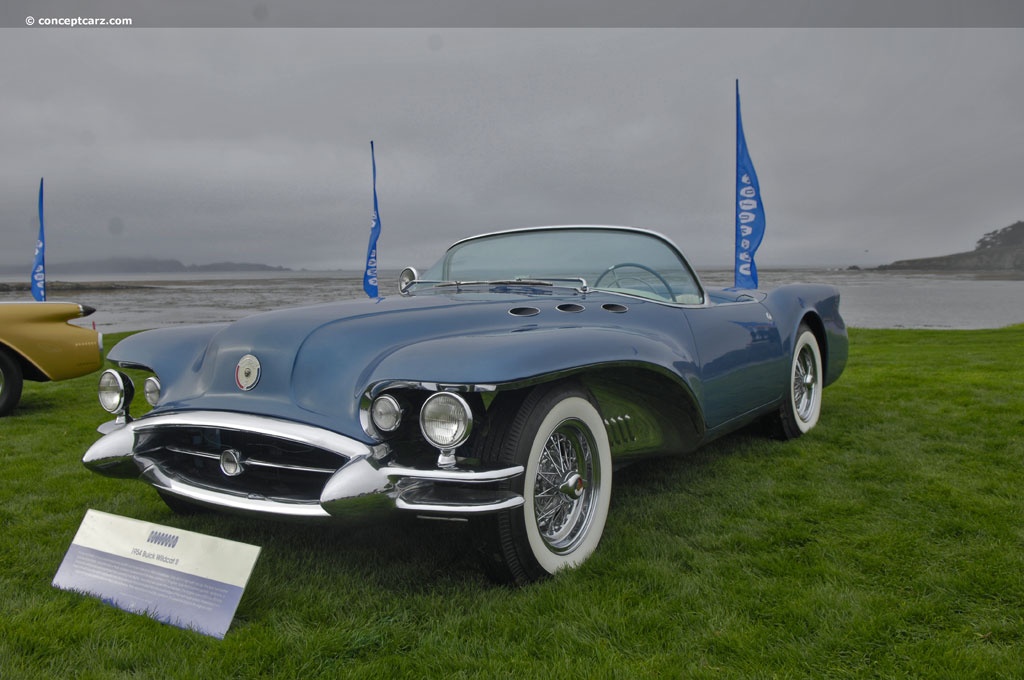
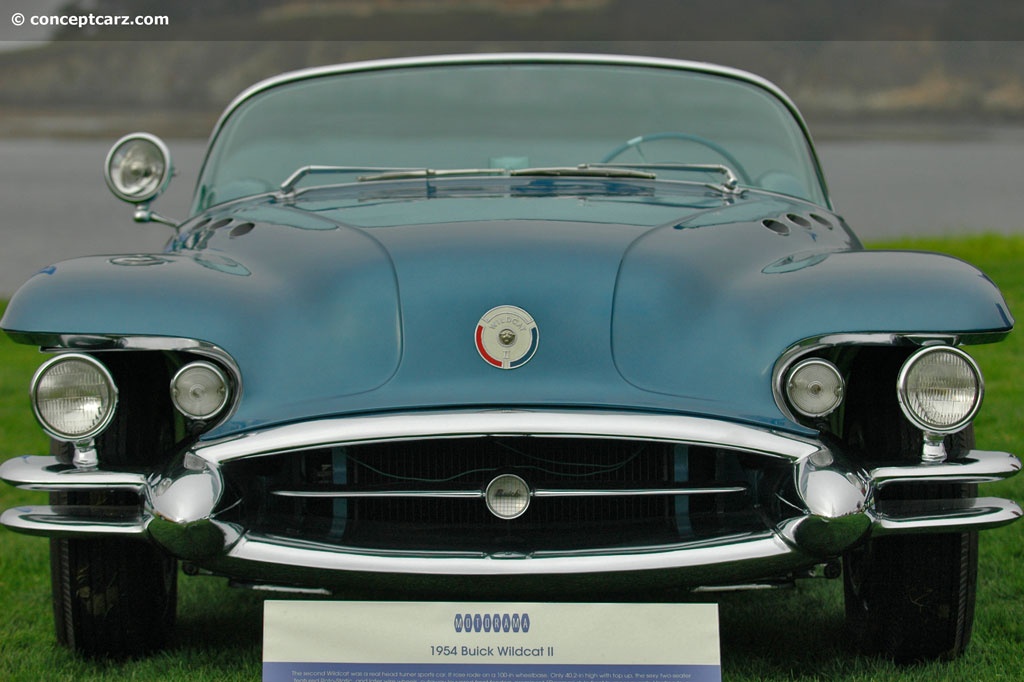
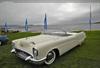
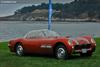
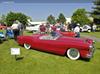
This is a rakish sports convertible. Now painted and trimmed in bright blue (the original color, after being shown for years in tan), it features what Buick called 'a revolutionary front-end design wîth flying-wing fenders that flare straight out from the body, exposing the entire front wheel and part of the front-end suspension.'
The body is fiberglass. The engine is a 220-hp V-8. It is owned by Sloan Museum.Source - GM
![]() | ![]() | ![]() | Roadster |
Buick developed a prototype vehicle called the Wildcat in 1953. This model came with a 322 cubic inch V8 engine that was rated at 188 horsepower. For its time, this v ehicle was considered to be revolutionary. The body was fiberglass, and the front wheel hubs remained stationary as the wheels spun.
Considered to be Buick's first performance vehicle, the Buick Wildcat, officially named the Wildcat Sport Coupe was finally produced for the public in 1962. A full-size automobile, more closely related to a luxury sports coupe than all out performance, the introduction of the Wildcat set the stage for Buick's quest for power and even made its name available to several Buick engines of the mid sixties.
Featured as a ‘sub model' within the Buick Invicta line, and intended to compete with the Ford Thunderbird, the original Wildcat was both attractive and classy an included a rear floor lamp, a console, front bucket seats, and a tachometer. The handling of the Wildcat was improved by Buick engineers with the adjustment of the suspension. Sporty, the Wildcat included a frame which held boxed cross-members with heavy side rails, coil springs on all four corners, along with oversized 10 inch drum brakes. Weighing a massive 4,150 pounds, the Wildcat featured standard power with the Buick LT401 cid V8 which was rated at 325 bhp. This engine was also available in the regular Invicta line, but the Wildcat came with a standard 3.42:1 rear end. Nearly a total of 2,000 of these ‘family-sized sports cars' were sold in 1962. Those who wished for more drag strip performance were able to option for a 4.45:1 rear end.
Receiving various new styling update for 1963, the Buick Wildcat received the name scripted on the rear fenders, within the rear cove and also across the front of the hood. The front also received a custom grille on the front. Both bucket seats and console were standard for the coupe. The same 401 cid V8 rated at 325 was brought over for this year. The model lineup was expanded to include three models, the four-door hardtop Model 4639, the two-door sport coupe Model 4647, the two door convertible Model 4667. The four-door model ended up outselling the other two by a very wide margin, despite Buick attempting to play up the sport performance image of the Wildcat. A total of 17,519 four-door models were sold in '63, compared to 12,185 of the two-door hardtop, and 6,021 of the two-door convertible.
Considered to be ‘the next best thing to owning a Riviera', the Wildcat was greatly supported by Buick. In 1964 two optional engines were included to the lineup which continued to include the standard 401 cid V8 rated at 325 bhp, these were a 425 cid V8 rated at 340 bhp and the 425 cid rated at 360 bhp. Increasing its weight to 4,500lbs, the Wildcat received extra performance. Upgraded even more, the suspension received a link stabilizer bar and a semi-floating rear axle that used a three-bar link with a track bar. An additional option was a posi-track rear axle. A new fourth model was added to the lineup, the four-door sedan Model 4669. Unfortunately the image of the Wildcat as a performance vehicle was becoming slightly diluted though sales continued to increase. A total of 20,144 four-door sedans were sold in '64 along with 33,358 of the four-door hardtops.
In 1965 the engine continued to be carried over, though all new styling was updated on the Wildcat for this year. Sharing the same sheetmetal body as the LeSabre, the Wildcat continued to keep its same unique badging and grille. The Wildcat lineup was expanded to include a total of ten models, five coupes and five sedans.
The following year, not many changes were made except for the addition of the Wildcat Custom to the lineup. The Custom featured many luxuries such as a deluxe steering wheel, plush seat materials, padded armrests and custom bucket seats. Most interesting to consumers of the performance market, was the new addition of the option Y48, the Wildcat Gran Sport Performance Group. The package cost more than $381.01 over the price of the 425 V8 360 bhp engine and added a high performance 425 cid V8 with two four barrel carbs, a chrome-plated air cleaner, cast aluminum rocker arm covers, heav-duty suspension, dual exhaust 8.45x15 inch whitewall tires and Posi-Traction rear end. The Wildcat 465 engine, or the A8, was capable of 380 bhp and 465 lb-ft of torque. This option was only made available for one year. A total of 68,584 various Wildcat units were sold for 1966.
A brand new 430 cid engine was introduced for the 1967 model year. Rated at an impressive 360 bhp, this new engine featured 10.5:1 compression, a large four barrel car, and hydraulic lifters. The efficiency of the engine was boosted by the added power running from a domed chamber design.
Sporting an all new look for 1968, the Wildcat featured a fresh grille design and new body side moldings. Both standard and the more luxurious Custom Wildcat models were offered for this year.
Not many changes were made for '69 except for the addition of vertical texturing and an updated grille design. The only differences between the LeSabre and the Wildcat were in the grill and broad rocker molding with wheelhouse moldings and fender extensions. Both featured the same standard equipment, though the Wildcat featured a unique steering wheel.
The final year for the Wildcat, in 1970 the standard engine was Buick's all new 455 cid V8 rated at 370 bhp. The final model also featured a phenomenal 510 lb-ft of torque. This radical new engine had a 10:1 compression ratio, hydraulic lifters, five main bearings, a cast iron block and a four barrel carburetor. Unfortunately the LeSabre and the Wildcat were too similar, and sales were dropping considerably. Only a total of 23,000 Wildcats were sold in this year of the muscle car.By Jessica Donaldson
For more information and related vehicles, click hereConsidered to be Buick's first performance vehicle, the Buick Wildcat, officially named the Wildcat Sport Coupe was finally produced for the public in 1962. A full-size automobile, more closely related to a luxury sports coupe than all out performance, the introduction of the Wildcat set the stage for Buick's quest for power and even made its name available to several Buick engines of the mid sixties.
Featured as a ‘sub model' within the Buick Invicta line, and intended to compete with the Ford Thunderbird, the original Wildcat was both attractive and classy an included a rear floor lamp, a console, front bucket seats, and a tachometer. The handling of the Wildcat was improved by Buick engineers with the adjustment of the suspension. Sporty, the Wildcat included a frame which held boxed cross-members with heavy side rails, coil springs on all four corners, along with oversized 10 inch drum brakes. Weighing a massive 4,150 pounds, the Wildcat featured standard power with the Buick LT401 cid V8 which was rated at 325 bhp. This engine was also available in the regular Invicta line, but the Wildcat came with a standard 3.42:1 rear end. Nearly a total of 2,000 of these ‘family-sized sports cars' were sold in 1962. Those who wished for more drag strip performance were able to option for a 4.45:1 rear end.
Receiving various new styling update for 1963, the Buick Wildcat received the name scripted on the rear fenders, within the rear cove and also across the front of the hood. The front also received a custom grille on the front. Both bucket seats and console were standard for the coupe. The same 401 cid V8 rated at 325 was brought over for this year. The model lineup was expanded to include three models, the four-door hardtop Model 4639, the two-door sport coupe Model 4647, the two door convertible Model 4667. The four-door model ended up outselling the other two by a very wide margin, despite Buick attempting to play up the sport performance image of the Wildcat. A total of 17,519 four-door models were sold in '63, compared to 12,185 of the two-door hardtop, and 6,021 of the two-door convertible.
Considered to be ‘the next best thing to owning a Riviera', the Wildcat was greatly supported by Buick. In 1964 two optional engines were included to the lineup which continued to include the standard 401 cid V8 rated at 325 bhp, these were a 425 cid V8 rated at 340 bhp and the 425 cid rated at 360 bhp. Increasing its weight to 4,500lbs, the Wildcat received extra performance. Upgraded even more, the suspension received a link stabilizer bar and a semi-floating rear axle that used a three-bar link with a track bar. An additional option was a posi-track rear axle. A new fourth model was added to the lineup, the four-door sedan Model 4669. Unfortunately the image of the Wildcat as a performance vehicle was becoming slightly diluted though sales continued to increase. A total of 20,144 four-door sedans were sold in '64 along with 33,358 of the four-door hardtops.
In 1965 the engine continued to be carried over, though all new styling was updated on the Wildcat for this year. Sharing the same sheetmetal body as the LeSabre, the Wildcat continued to keep its same unique badging and grille. The Wildcat lineup was expanded to include a total of ten models, five coupes and five sedans.
The following year, not many changes were made except for the addition of the Wildcat Custom to the lineup. The Custom featured many luxuries such as a deluxe steering wheel, plush seat materials, padded armrests and custom bucket seats. Most interesting to consumers of the performance market, was the new addition of the option Y48, the Wildcat Gran Sport Performance Group. The package cost more than $381.01 over the price of the 425 V8 360 bhp engine and added a high performance 425 cid V8 with two four barrel carbs, a chrome-plated air cleaner, cast aluminum rocker arm covers, heav-duty suspension, dual exhaust 8.45x15 inch whitewall tires and Posi-Traction rear end. The Wildcat 465 engine, or the A8, was capable of 380 bhp and 465 lb-ft of torque. This option was only made available for one year. A total of 68,584 various Wildcat units were sold for 1966.
A brand new 430 cid engine was introduced for the 1967 model year. Rated at an impressive 360 bhp, this new engine featured 10.5:1 compression, a large four barrel car, and hydraulic lifters. The efficiency of the engine was boosted by the added power running from a domed chamber design.
Sporting an all new look for 1968, the Wildcat featured a fresh grille design and new body side moldings. Both standard and the more luxurious Custom Wildcat models were offered for this year.
Not many changes were made for '69 except for the addition of vertical texturing and an updated grille design. The only differences between the LeSabre and the Wildcat were in the grill and broad rocker molding with wheelhouse moldings and fender extensions. Both featured the same standard equipment, though the Wildcat featured a unique steering wheel.
The final year for the Wildcat, in 1970 the standard engine was Buick's all new 455 cid V8 rated at 370 bhp. The final model also featured a phenomenal 510 lb-ft of torque. This radical new engine had a 10:1 compression ratio, hydraulic lifters, five main bearings, a cast iron block and a four barrel carburetor. Unfortunately the LeSabre and the Wildcat were too similar, and sales were dropping considerably. Only a total of 23,000 Wildcats were sold in this year of the muscle car.By Jessica Donaldson
| 1963 Corvette Pilot Car to Cross the Block at Vicari December New Orleans Auction | |
![]() | The Vicari Auction Company announces its 3rd annual New Orleans Classic Auto Festival Dec. 1, 2012, at the famous Mardi Gras World in New Orleans, La. More than 200 classic and muscle cars will cross the block, led by a rare 1963 Chevrolet Corvette Pilot Car Serial #16. 'In preparation for the introduction of the re-designed 1963 Corvette, a limited number of handmade pilot line cars were produced in St. Louis, Mo., for the purpose of road testing the new design,' said Pe...[Read more...] |
| Corvette's Chassis Innovations Refined on the Race Track | |
![]() | Zora Arkus-Duntov's racing-bred development legacy continues to improve Corvette It's been said that racing improves the breed, and when it comes to the Chevrolet Corvette, nearly six decades of checkered flags are the proof. As Corvette marks its 60th anniversary in 2013, the design of the chassis, suspension and other drivetrain features are rooted in the rigors of competition. 'Candidly, Corvette was not a high-performance car until Zora Arkus-Duntov fitted it with a V-8, and be...[Read more...] |
| 1967 Can-Am Road America: The Beginning of the 'Bruce and Denny Show' | |
![]() | While Formula One will be forever considered the pinnacle of motorsport, from a period between 1966 and 1986 there existed a series that would likely be the closest to 'anything goes' as any motor racing series could truly get. Based upon the FIA Group 7 cars but allowed to showcase unlimited engine sizes and unfettered aerodynamics, the Can-Am cars would have to be considered the pinnacle of motorsport technology and power of their era. And for more than a couple of years there would be one tea...[Read more...] |
| Mopar Ram Runner Wins Truck Duel in the Desert | |
![]() | Leaves Ford SVT Raptor in the Dust Mopar Ram Runner 33 seconds faster than Ford SVT Raptor on punishing 4.73-mile loop PickupTrucks.com declares Mopar Ram Runner the winner May 30, 2012 , Auburn Hills, Mich. - This showdown was at sunrise. The Mopar Ram Runner and the Ford SVT Raptor met for a shoot-out at Ocotillo Wells State Vehicular Recreation Area (SVRA), a state park in southeast California with 85,000 acres of nothing but dirt, dust and desert. When all was said and done,...[Read more...] |
| Carroll Shelby, Ford Family for More Than Half a Century | |
![]() | Carroll Shelby was a member of the Ford family for the better part of 60 years, producing stunning performance vehicles from concepts to production models. He once said his energy and passion for performance products were always strongest when he was working with Ford. Shelby most recently collaborated with the company on the 2013 Ford Shelby GT500 Mustang, the most powerful production V8 in the world. Working with SVT engineers at Sebring and the Arizona Proving Grounds, at times he drov...[Read more...] |
1954
Buick
models |
| Buick Century Series 60 |
| Buick Series 70 Roadmaster |
| Buick Skylark | 1954 Buick Concepts |
| Buick Landau Concept |
| Buick: 1951-1960 |
| Similar Automakers |
| Buick History |
| Other models by Buick |
| Manufacturer Website |
| Related Articles and Event Coverage |
| 58th Annual Pebble Beach Concours d'Elegance |
| ||||||||||||||||||||||||||||||||||||||||||||


1954