1966 Chevrolet Corvair Yenko Stinger
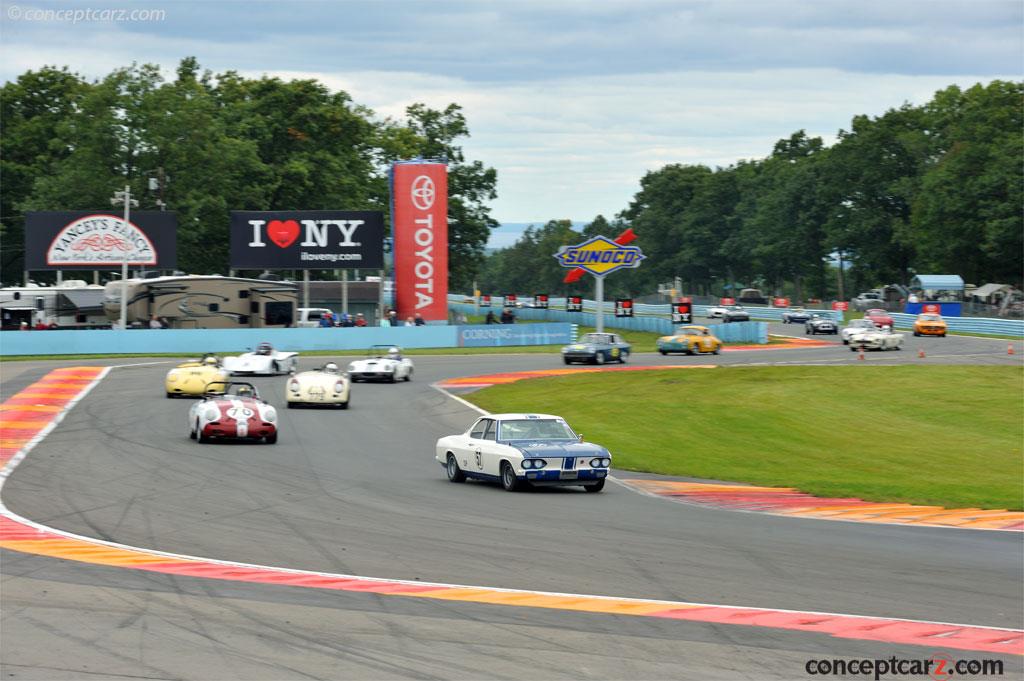
1966 Chevrolet Corvair Yenko Stinger Navigation
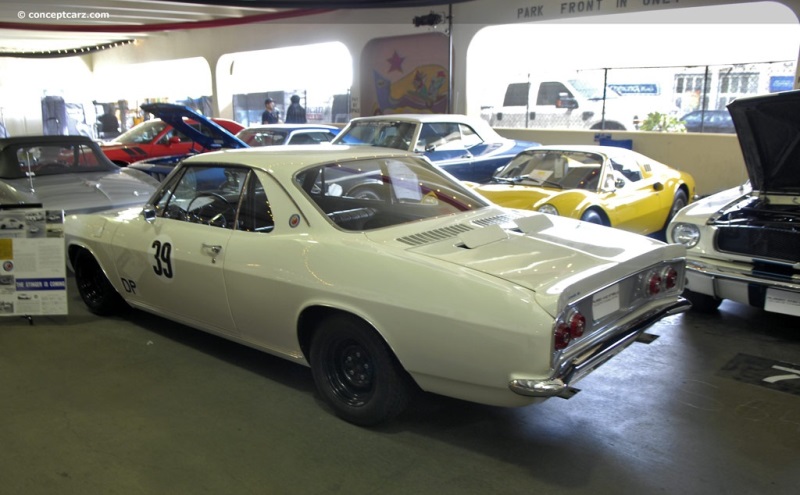
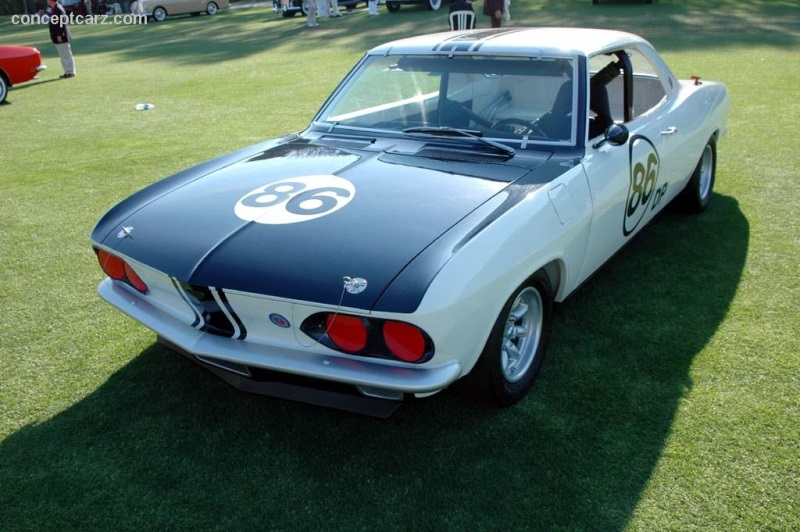
The Mustangs that were modified by Carroll Shelby ruled the racing circuit. Don Yenko who had been racing Corvettes faced stiff competition and found it extremely difficult to compete. For 1966 he decided to race Corvairs which required many modifications to qualify for SCCA racing. He began by modifying four-carburetor Corsas adding performance improvements such as fiberglass engine covers, spoilers, heavy duty suspension, four speed transmissions, positraction differential, quick steering ratio and engine upgrades. Also, the rear seats were removed. 
Coupe
Chassis #: YS 086
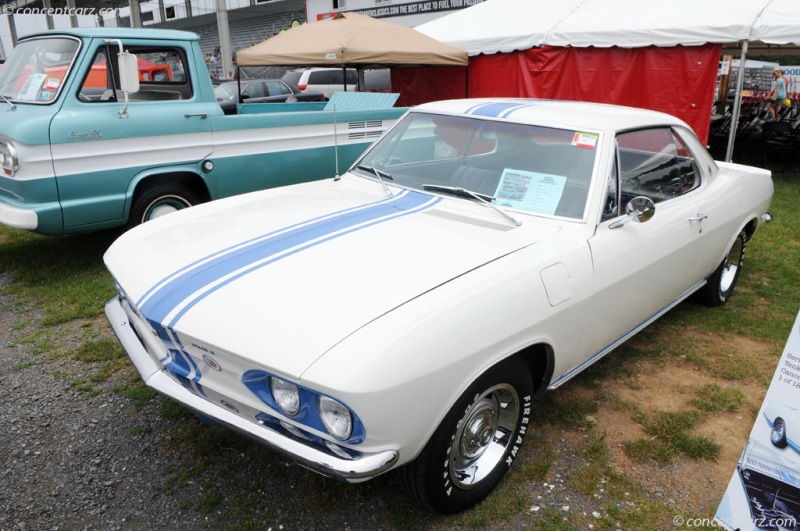
View info and historyHomologation requirements called for at least 100 vehicles to be produced, which Yenko satisfied in about a month. Completing this task was monumental. All were white and given various modifications. For instance, some had the spoilers, fiberglass engine covers, etc. The Stingers qualified for Class D Production racing which was dominated by the Triumph TR4 at the time. At its inaugural appearance in January of 1966, the Stinger was able to achieve a respectable second place, just one second off of the leader. At the conclusion of the 1966 season, Jerry Thompson was the champion of the Central Division. He placed fifth at the 1966 Nationals. The following year Chevrolet did not offer the Corsa which left the Monza. The Monza required further modifications to prepare it for SCCA racing such as the addition of a four-carburetor engine and necessary instrumentation such as a tachometer.
CoupeIn 1967 there were fourteen Stingers created with an additional three built to Stinger specifications with the AIR injection system. These three vehicles were compliant with California emission laws and ear-marked for Dana Chevrolet, the US West Coast Stinger distributor. Total production for the Stinger cars is believed to have been 185 with the final vehicle being delivered to Goodyear Tire and Rubber Company as a tire test vehicle. It carried chassis number YS-9700.
by Daniel Vaughan | Jul 2008
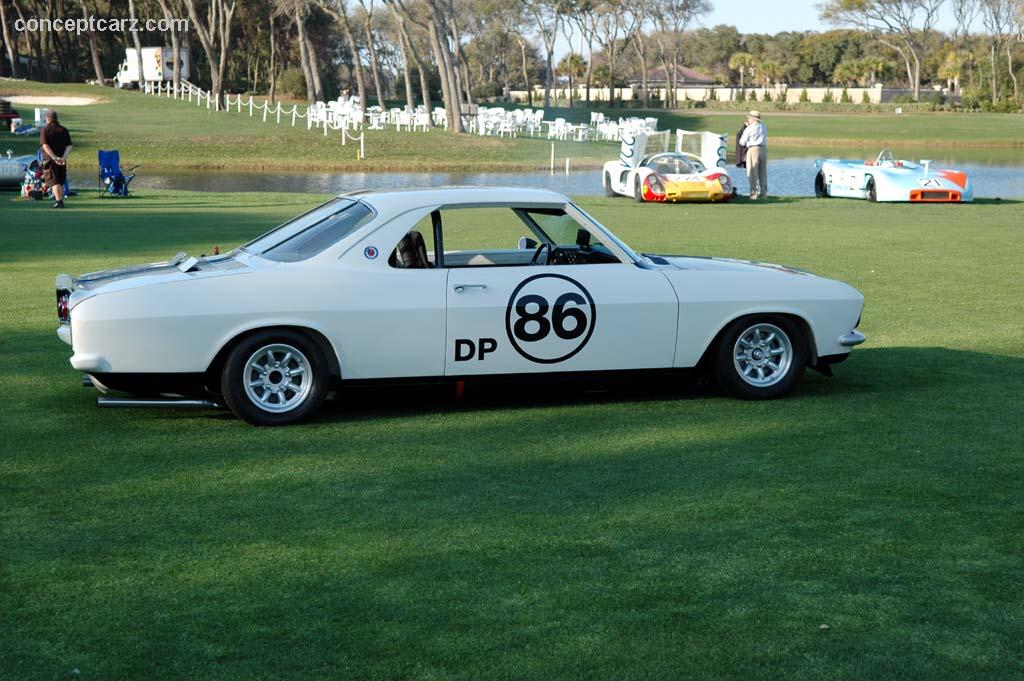
Coupe
Chassis #: YS 086
View info and history
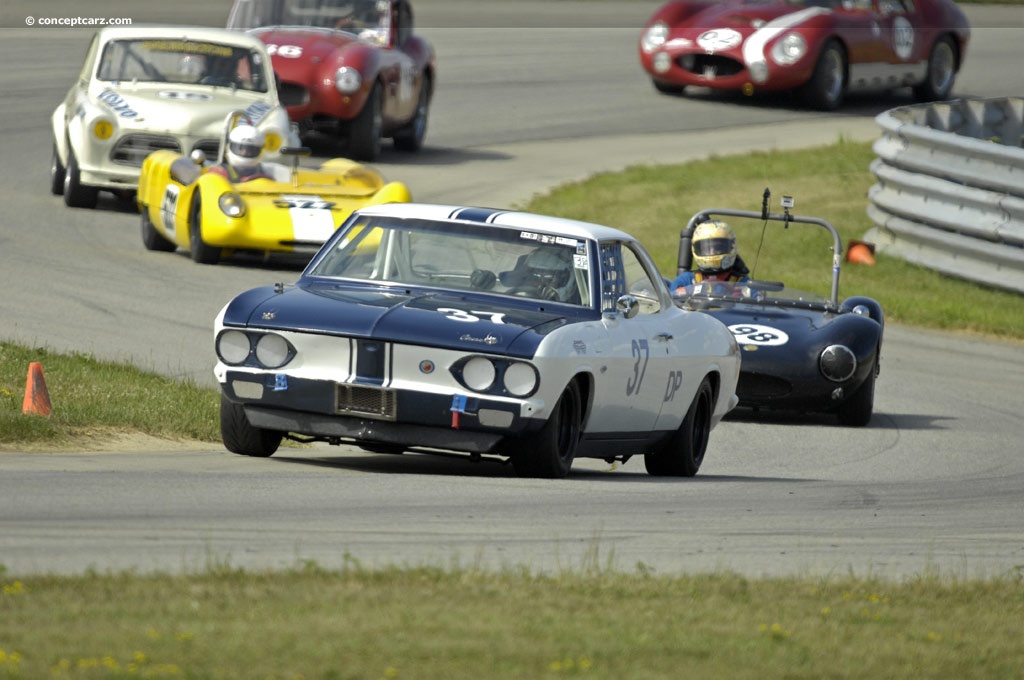
Coupe
by Daniel Vaughan | Jul 2008
Related Reading : Chevrolet Corvair History
magazine named it one of The 50 Worst Cars of All Time. Ralph Nader highlighted its design flaws in his influential book Unsafe at Any Speed. Yet the Chevrolet Corvair, which faced more negative press during its lifespan than any other car of the era, continues to have a loyal following of true enthusiasts. Different from any American cars before or since, the unique Corvair has become most....
Continue Reading >>
Continue Reading >>
Related Reading : Chevrolet Corvair History
The Corvair came on the scene in 1959 and featured a flat-six engine mounted in mid-ship. Even with putting the engine in the middle of the vehicle, the weight distribution was not evenly distributed. The engine sat behind the rear axle and this actually caused handling problems. The vehicles main competition was the VW Bug and the Porsche 911. It was originally built to compete with the Bug, but....
Continue Reading >>
Continue Reading >>
- 1966 Chevrolet Corvair Yenko Stinger Menu
- Article
- Image gallery
- Valuation
- Specifications
- Profiles
Chevrolet
Similar Automakers
Similarly Sized Vehicles
from 1966


1966 Chevrolet Corvair Yenko Stinger Vehicle Profiles
Recent Vehicle Additions


Related Automotive News

From Lucybelle to DHL: Historic Porsche Competition Cars Race to Gooding & Company's Pebble Beach Auctions
The very best of Porsche excellence will come to Pebble Beach with a 1959 Porsche 718 RSK, a 1969 Porsche 90802, a 2007 Porsche RS Spyder Evo, and more.
Gooding %26 Company, the official auction house of the Pebble Beach Concours dElegance®,...

Blue-Chip Classics and Legendary 50s and 60s Sports Cars Added to Gooding & Company's Amelia Island Auction
Gooding %26 Company is revving up for its upcoming Amelia Island Auction with a stellar lineup of offerings. The auction house today announced yet another spectacular group of consignments, consisting of iconic sports and racing cars from the 1950s and...

The Ultimate Beach Cruiser: The 1974 Volkswagen Acapulco Thing
The Volkswagen Type 181 – commonly referred to as The Thing – has always been a fun summer classic for drivers who enjoy a cool and wildly original type of ride. The removable doors, retractable soft top and folding windshield provided a driving experience...

Unrestored and Impeccably Original 2,500 Mile Chevrolet Corvette L88 at Russo and Steele's 2016 Arizona Auction Event
Unrestored and Impeccably Original 2,500 Mile 4-Speed 1969 Chevrolet Corvette L88 an Incredible Early Feature Offering at Russo and Steeles 2016 Arizona Car Week Auction Event
Scottsdale, Arizona (November 17, 2015) – Restlessly trans...

Carroll Shelby, Ford Family for More Than Half a Century
Carroll Shelby was a member of the Ford family for the better part of 60 years, producing stunning performance vehicles from concepts to production models.
He once said his energy and passion for performance products were always strongest when he was...