1964 Shelby Cobra 289
1964 Shelby Cobra 289 Navigation
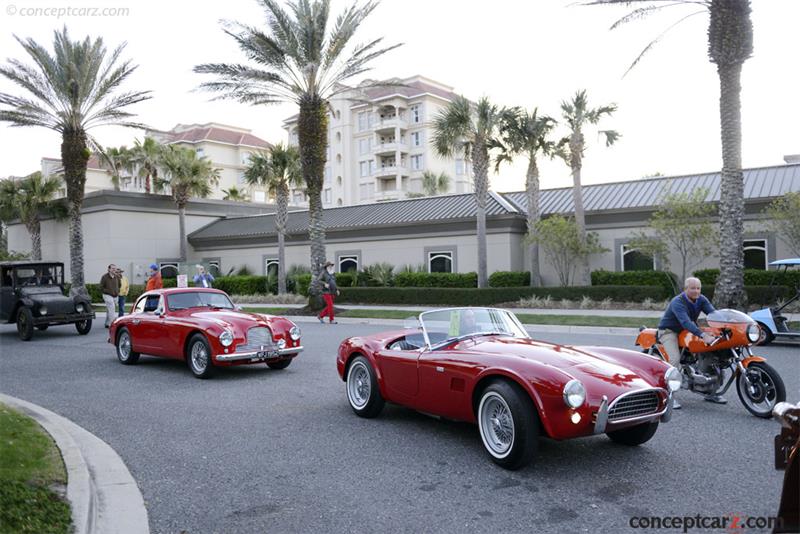
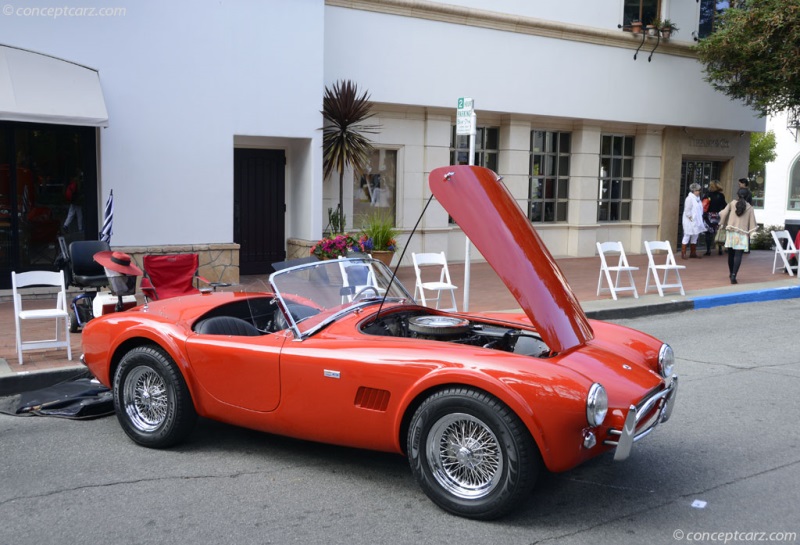
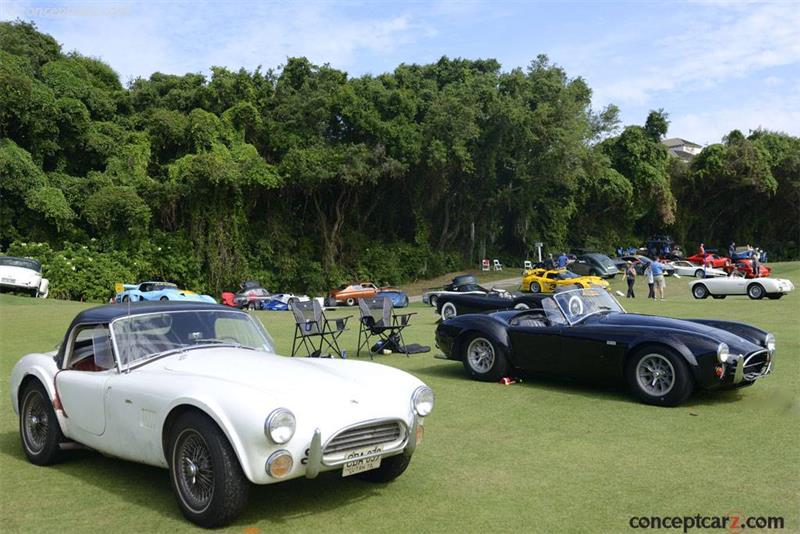
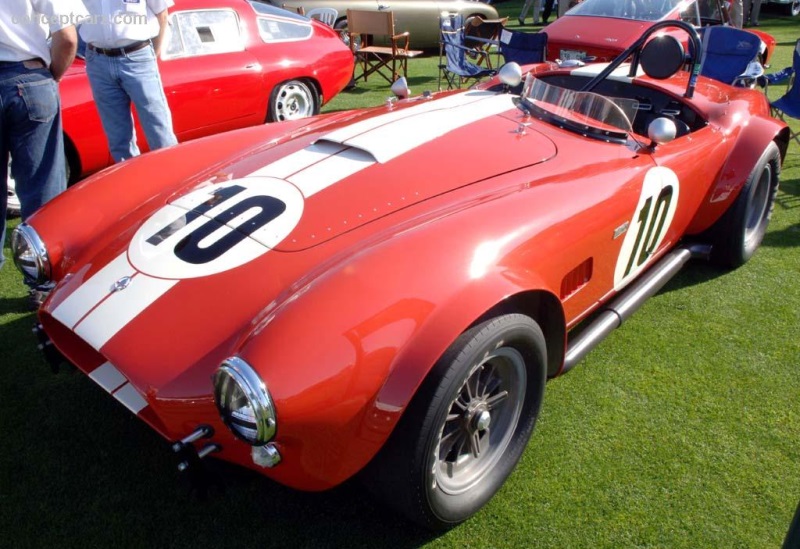
Carroll Shelby's reputation was built on the racetrack, but his legend was made by the cars bearing his own name. Both factory-supported drivers and privateers alike proved to be worthy adversaries against the industry's best sports cars of the era. 
Roadster
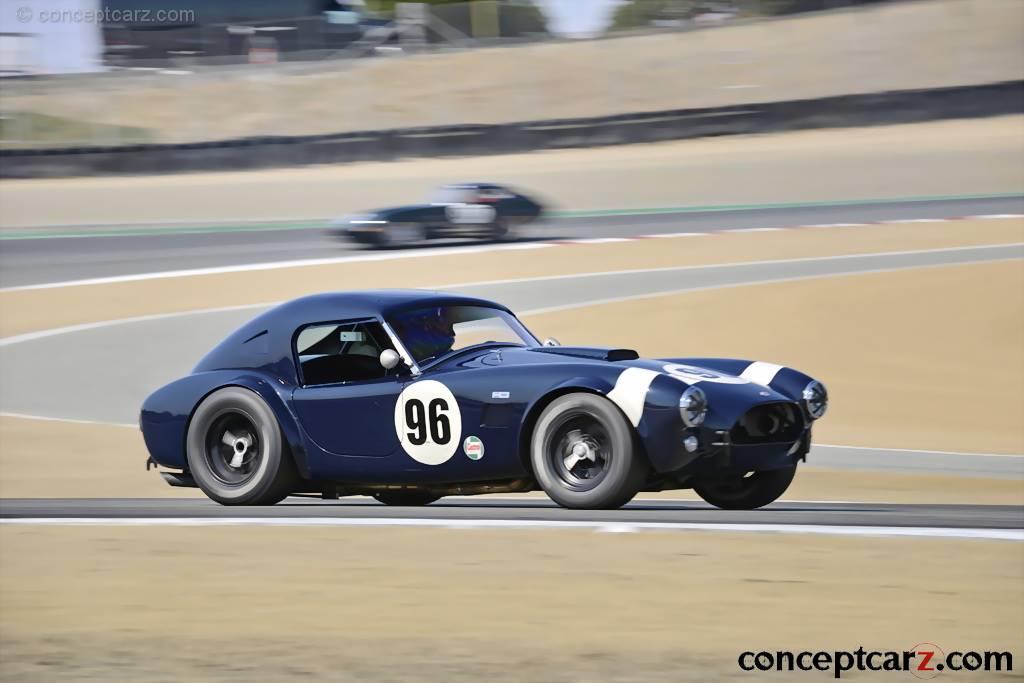
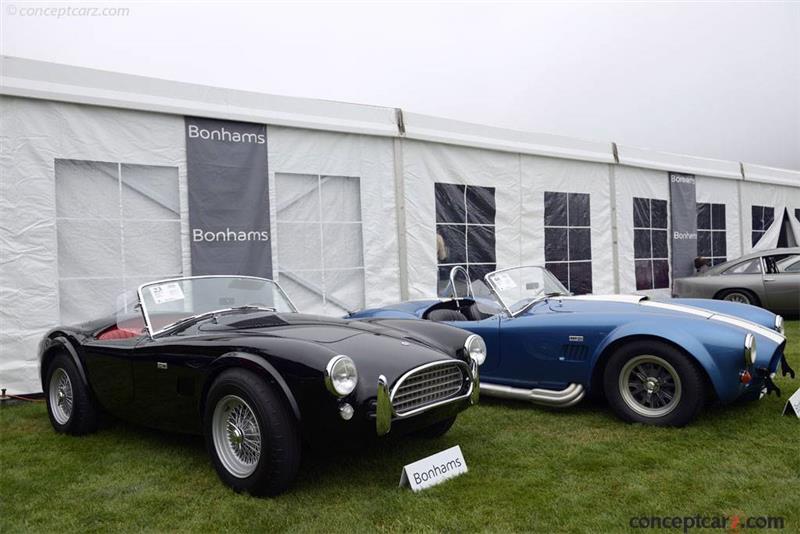
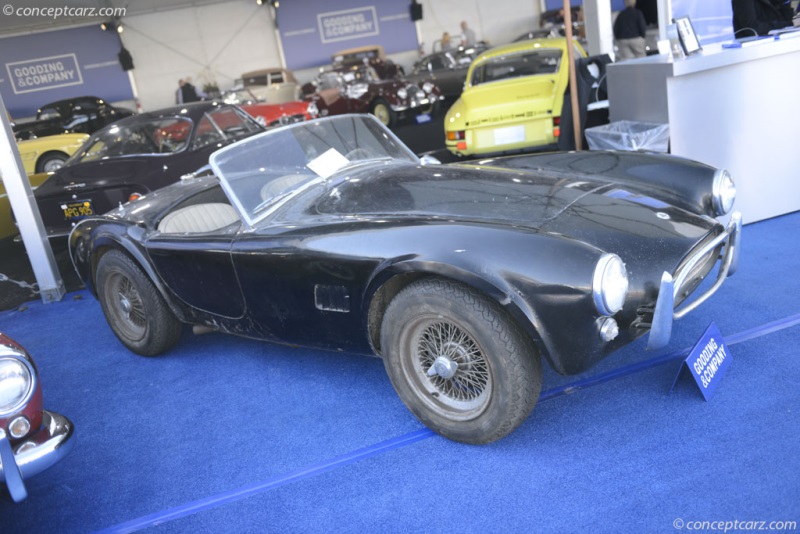
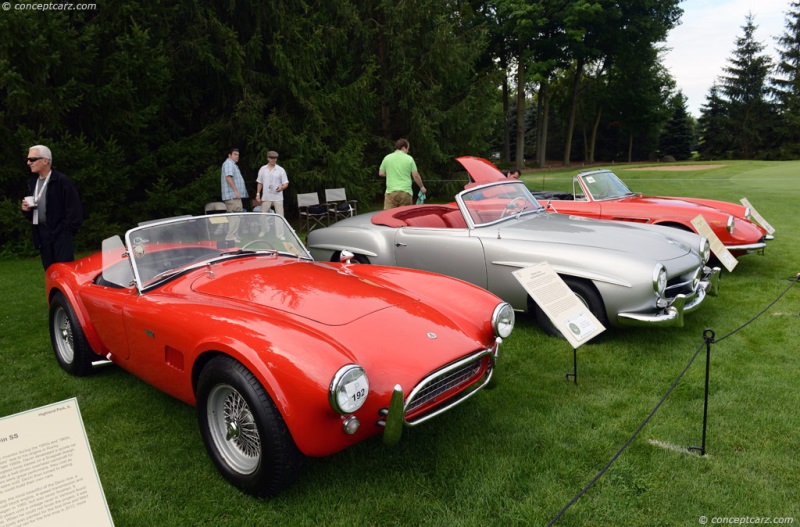
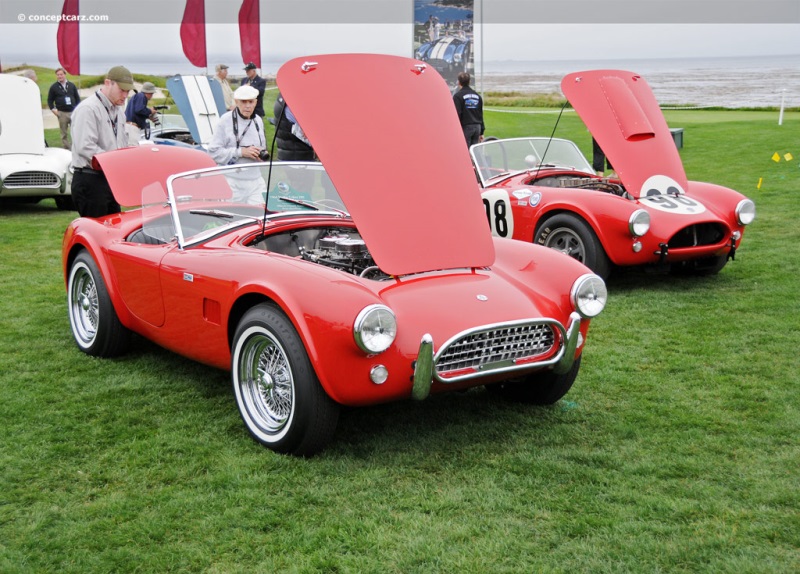
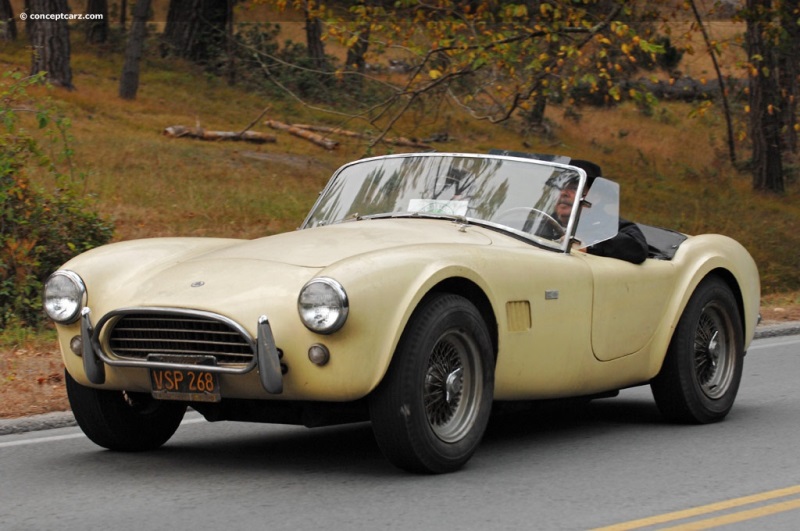
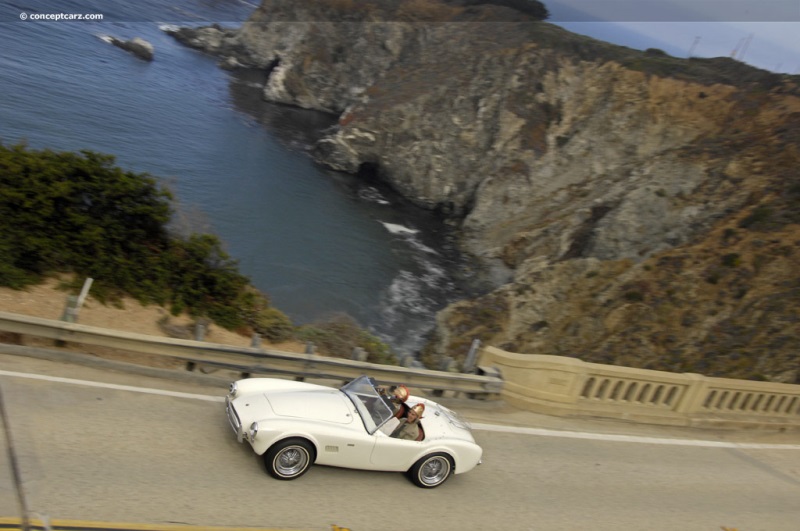
Chassis #: CSX 2291Carroll Shelby was a chicken farmer turned racing driver. Part of his charm emerged when he turned up to a race (nearly late) wearing his overalls. This would become part of his ensemble for many of the races that followed. Shelby worked with both A.C. (Auto Carrier) Cars, Ltd. and the Ford Motor Car Company to create the legendary Cobra 289. The British automaker AC was established in 1908 and was originally makers of small delivery vehicles. They got into sports cars in the 1920s. After World War II, they introduced the Ace which made its debut in 1954. It was built by John Tojeiro and featured a tube frame and an all-independent suspension. From 1956, A.C.'s own engines were supplemented with outsourced units from Bristol and Ford of England. AC Cars had been powering their vehicles with the Bristol straight-6 engine. They were given hand-built bodies around the steel tube frame, with aluminum body panels that were made using English wheeling machines. After Shelby received approval from AC Cars in September of 1961, he went looking for a suitable V8 engine. Chevrolet said no, but Ford said yes since they were seeking a car that could compete with the Corvette. Shelby received two engines from Ford.
Roadster
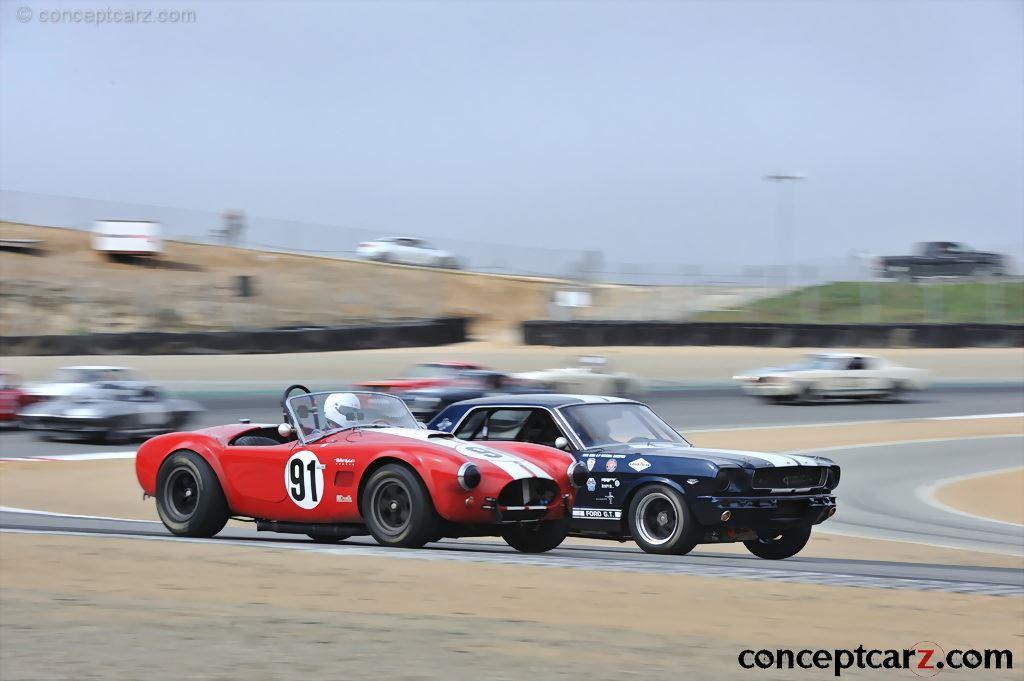
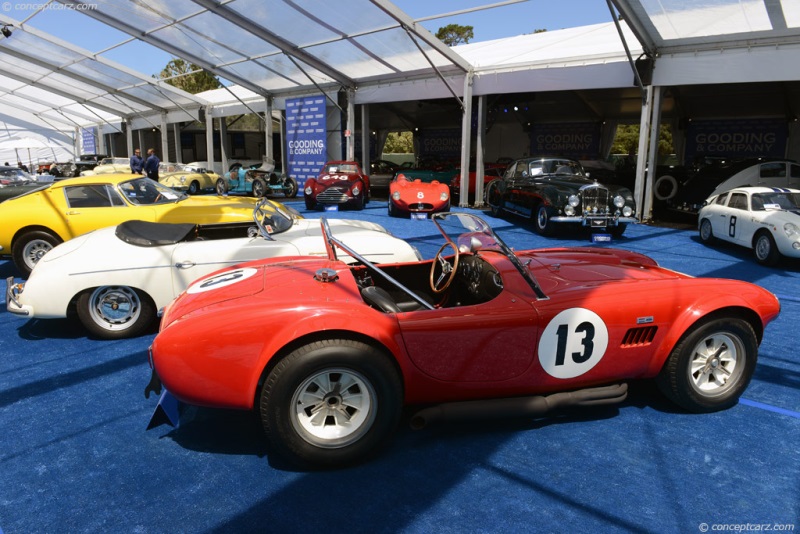
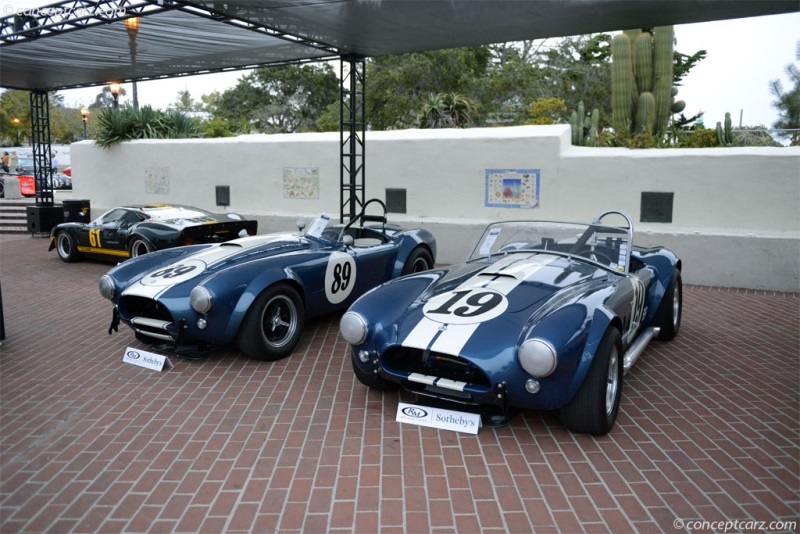
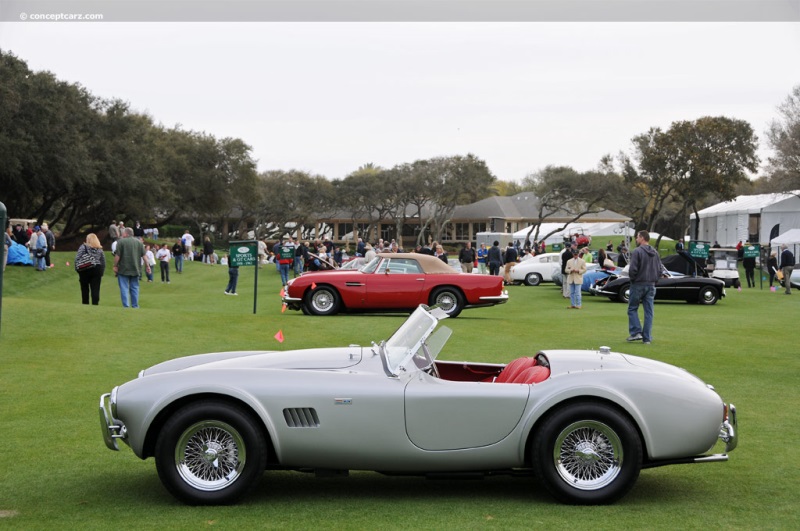
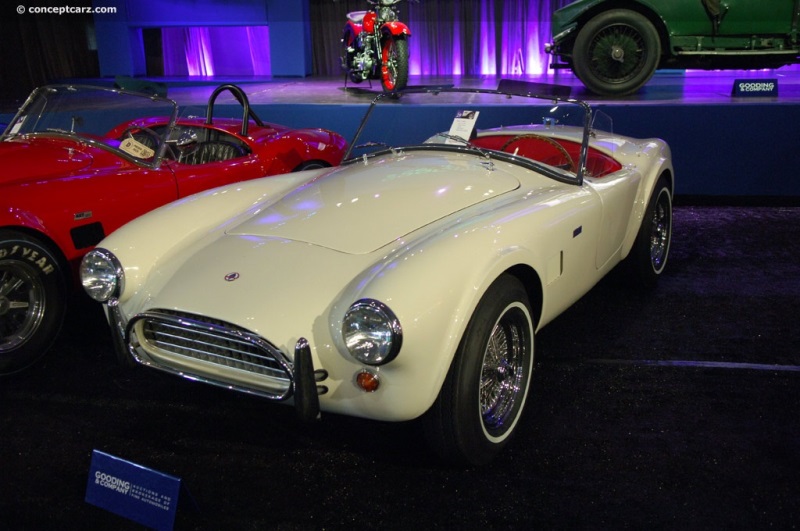
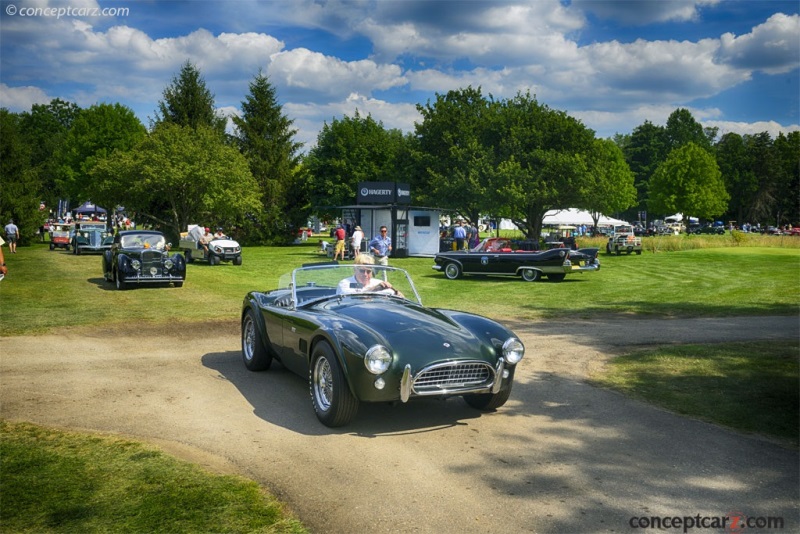
Chassis #: CSX2157The First Shelby AC car was chassis number CSX2000. The steering box in the AC was moved outward to allow room for the Ford small-block V8 engine. Additionally, a stronger rear differential was installed to cope with the increase in engine power. The E.N.V. units were replaced with Salisbury 4HU units with inboard disc brakes. The production versions had outboard, rather than inboard, brakes to reduce cost. Another modification for the production vehicles was the relocation of the fuel tank filler from the fender to the center of the trunk. The first 75 Shelby Cobra MK1 models (which included the prototype) were powered by the 260 cubic-inch V8. The remaining 51 examples of the MK1 were given the larger version of the Windsor Ford engine (289 CID V8). The first competition Cobra contested the Los Angeles Times Grand Prix but retired early due to a broken hub. However, the time spent traversing the track had proven that it was a worthy competitor to the Chevy Corvette. Over the years that followed, it would become one of the greatest and most iconic classic sports cars of all time.
by Daniel Vaughan | Dec 2019
Roadster
Chassis #: CSX 2291

Roadster
Chassis #: CSX2157
by Daniel Vaughan | Dec 2019
Related Reading : Shelby Cobra History
The formula for the success of the Cobra came through a man named Carroll Shelby adapting a powerful Ford engine into a nimble, British sports car. A.C. Cars of Thames Ditton in Surrey, England had been producing the Ace since 1954. It was designed by John Tojeiro and featured an independent suspension by transverse leaf springs. The tubular frame body of the vehicle took its styling cues from....
Continue Reading >>
Continue Reading >>
- 1964 Shelby Cobra 289 Menu
- Article
- Image gallery
- Valuation
- Specifications
- Profiles
Shelby
Similar Vehicles
Similarly Sized Vehicles
from 1964


1964 Shelby Cobra 289 Vehicle Profiles











Recent Vehicle Additions


Related Automotive News

Renowned Racing Legends Grant Exclusive Nod to the Rolex Monterey Motorsports Reunion for New Run Groups
As the Rolex Monterey Motorsports Reunion celebrates the Golden Anniversary of historic racing at Montereys WeatherTech Raceway Laguna Seca, the illustrious gathering also honors the history and significant achievements throughout time. It seems fitting...

RM MONTEREY OFF TO A RACING START WITH ESTEEMED JIM CLICK FORD PERFORMANCE COLLECTION
RM Sothebys returns to Californias Monterey Peninsula, August 19 – 20, for its flagship sale during the Pebble Beach Concours dElegance
Early entries powered by the Jim Click Ford Performance Collection, a superlative group of competitive raci...
RRDC VOTES IN 26 NEW MEMBERS FOR 2015
HILLIARD, Ohio (Oct. 23, 2015) - Twenty-six race-car drivers and motorsports professionals have been voted into the Road Racing Drivers Club in 2015. The group includes 11 Regular Members from the open-wheel and sports-car racing ranks, 10 Associate...
RRDC VOTES IN 37 NEW MEMBERS FOR 2013
HILLIARD, Ohio (Nov. 7, 2013) - Thirty-seven race-car drivers and motorsports professionals have been voted into the Road Racing Drivers Club in 2013. The group includes 13 Regular Members from the open-wheel and sports-car racing ranks, 20 Associate...

Shelby Heritage Display Features Rarest of the Rare at Rolex Monterey Motorsports Reunion
Complementing the impressive number of authentic competition Shelby Cobras thundering around the circuit in their dedicated race group (3A) at this years Rolex Monterey Motorsports Reunion, August 17-19, will be a collection of unequalled magnitude...